The first step in international trade often starts at the port of entry1. Choosing the right one can make or break your import process.
A port of entry1 is an authorized U.S. location where imported goods are presented to customs for inspection, clearance, and release. Knowing where your goods enter the country is crucial for ensuring a smooth import process.
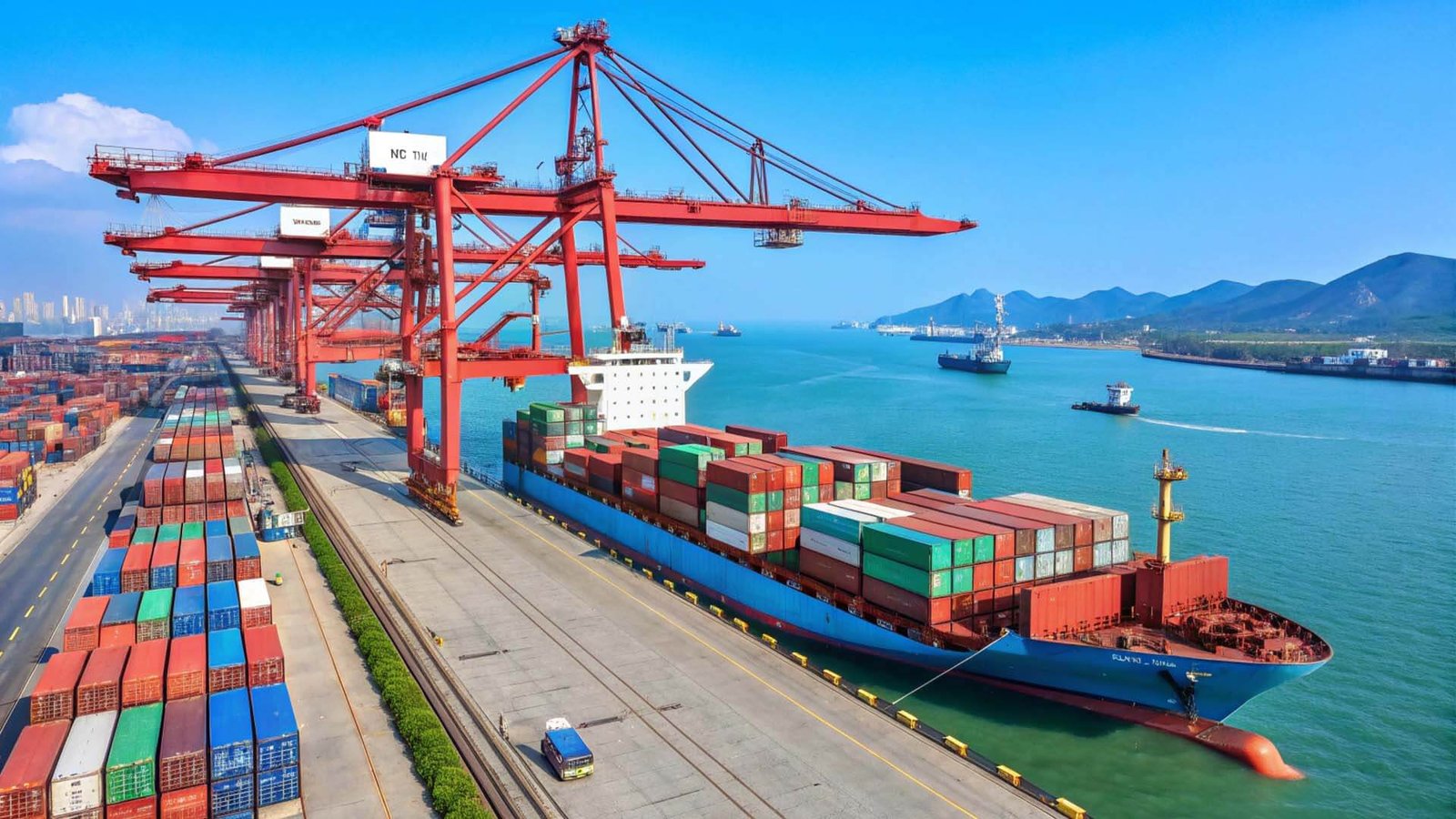
The port of entry1 plays a vital role in international trade. Every decision you make here can directly impact your shipping timelines, costs, and compliance obligations. It’s essential to understand what a port of entry1 entails and how it affects your business operations.
Not all ports of entry are created equal. They each have their unique rules and capabilities that can influence how efficiently your goods move.
A port of entry1 is an officially designated location where imported goods arrive and are legally presented for customs processing. At the port of entry1, shipments are inspected, duties are assessed, and release is granted by U.S. Customs and Border Protection before goods can enter U.S. commerce.
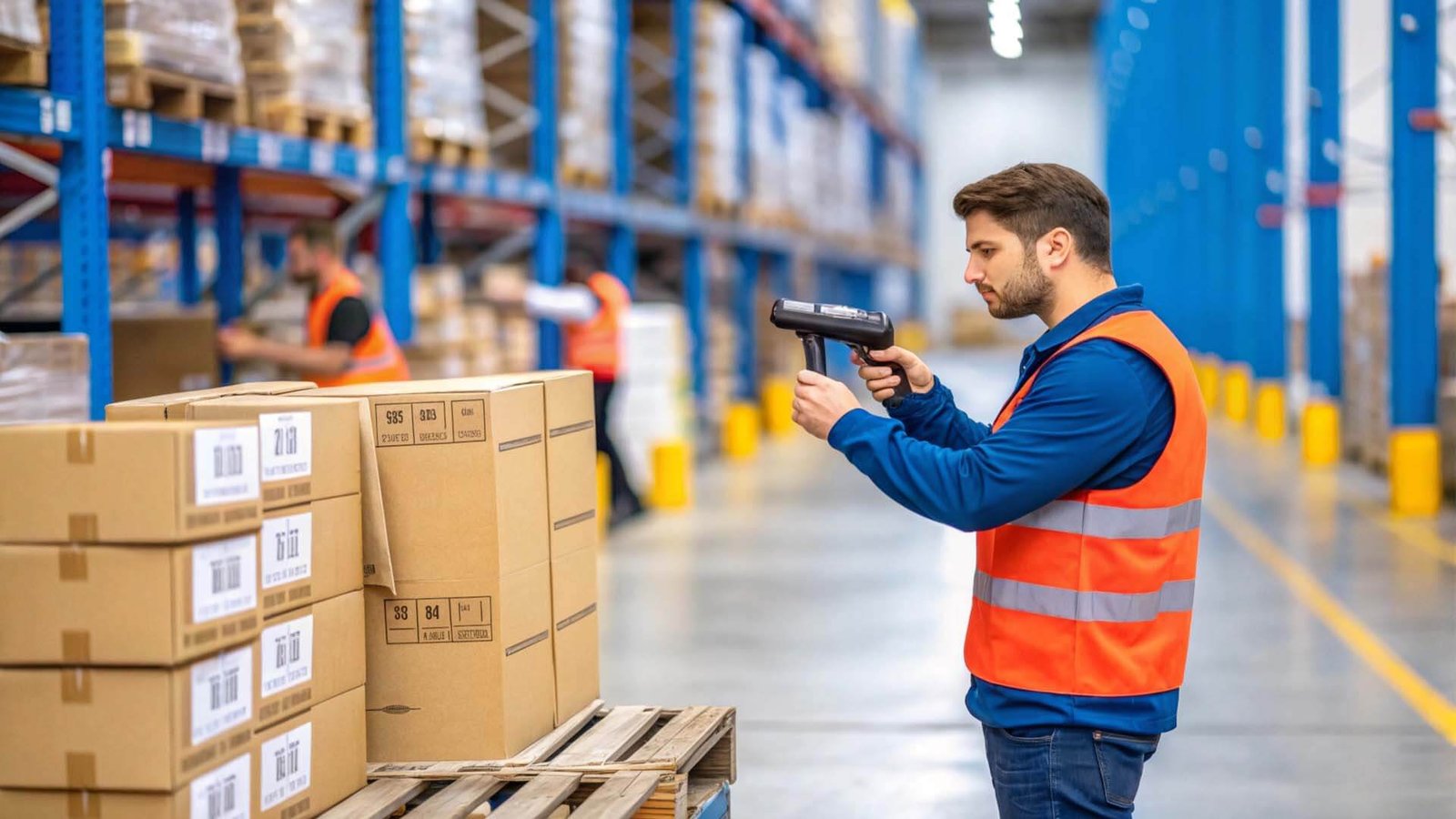
For importers, understanding the definition of a port of entry1 is crucial. It is not just a location; it is where your goods first meet U.S. customs regulations. Every shipment must go through this vital checkpoint, where customs officers inspect cargo and determine whether it meets legal standards for entry into the country.
In my experience, I learned that choosing a port of entry1 involves weighing several factors like location, capacity, and operational efficiency. If you choose a port that is overwhelmed with traffic, your shipment could be delayed, leading to potential cost increases that could have been avoided.
The choice of port of entry1 directly affects customs clearance2 speed, inspection risk, and total landed cost for importers?
Choosing the right port of entry1 is more than a matter of geography; it's a strategic decision.
Not all ports of entry operate the same way. Congestion levels, inspection frequency, staffing, and local regulations vary by port, making port selection a critical decision. Importers who choose the right port of entry1 can reduce delays, lower accessorial fees3, and improve delivery reliability4.
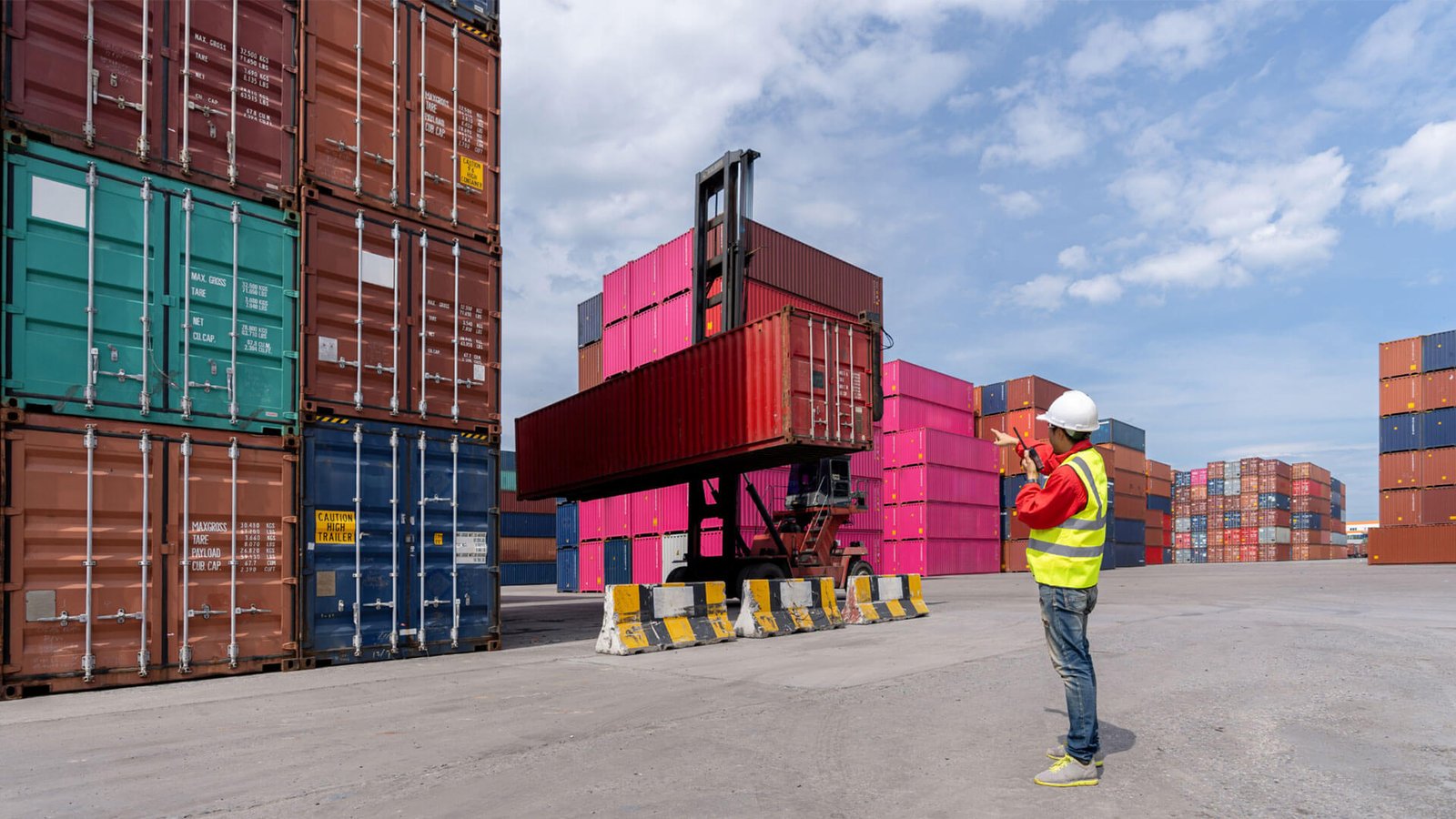
When I first started importing, I didn’t realize how much my choice of port would affect my overall costs. Some ports experience high levels of congestion, leading to lengthy inspection delays. Others have more streamlined processes that ensure quicker turnaround times.
It’s essential to consider your specific needs. For example, if your goods are time-sensitive, you might opt for a port with a reputation for faster customs clearance2, even if it comes at a higher cost. Conversely, if you are looking to save on landed costs, you might choose a less congested port, even if it means a slightly longer transit time.
Ports of entry include seaports5, airports6, and land border crossings7, each with different capabilities and compliance considerations?
Understanding the types of ports can help you align your shipping strategy effectively.
Ports of entry can be ocean ports, air cargo airports6, or land border crossings7. Each type supports different cargo volumes, inspection process8es, and transit speeds. Importers must align port type with shipment urgency, cargo characteristics, and downstream transportation plans.
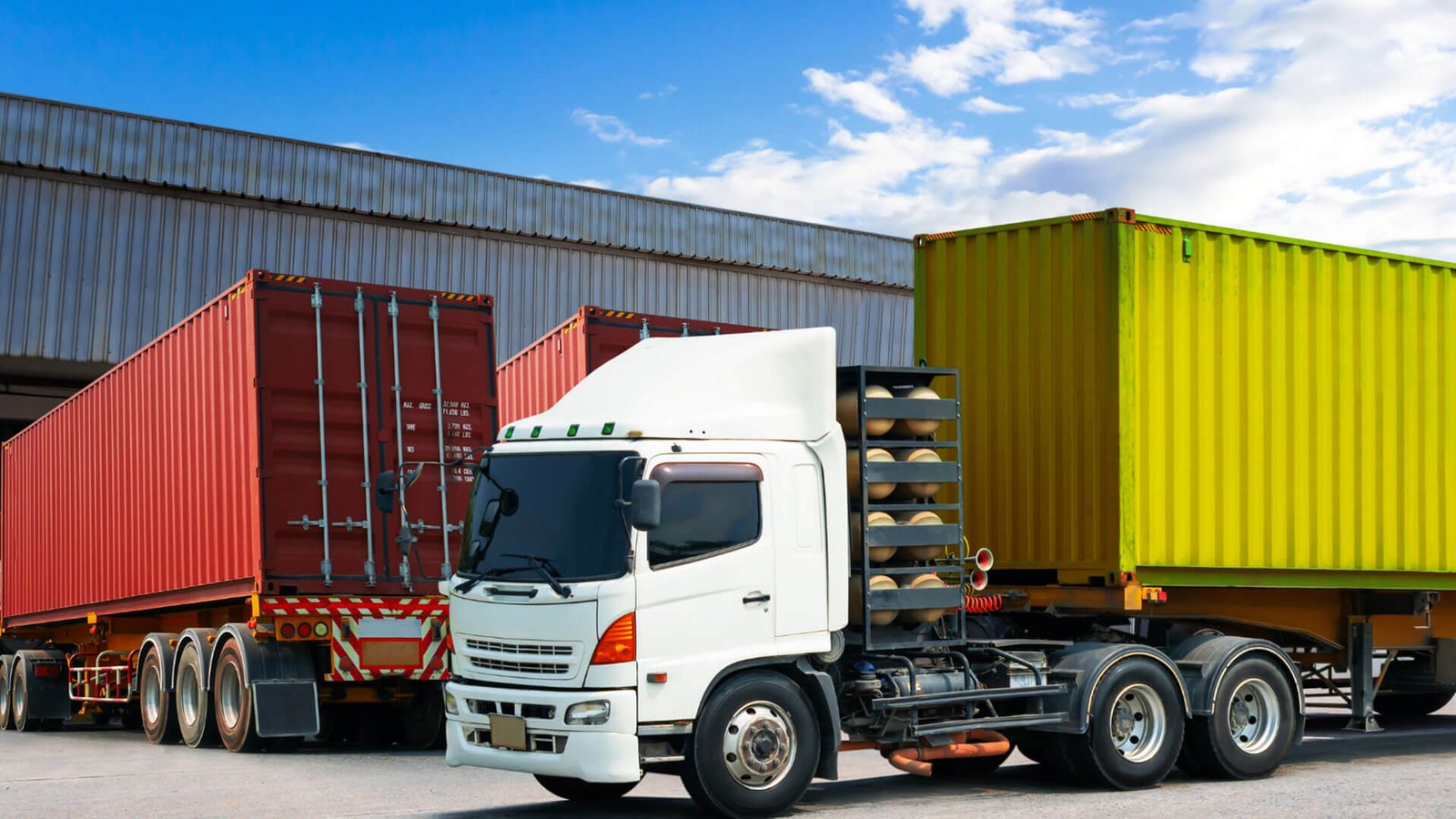
There are three main types of ports of entry. Seaports are typically best for high-volume cargo, while airports6 are more suited for time-sensitive shipments. Land borders are ideal for goods coming from neighboring countries like Canada and Mexico.
Understanding these distinctions can significantly impact your logistics planning. For instance, if you're shipping perishable goods, an airport port may be the best choice despite higher costs. However, if you’re moving bulk items that are less urgent, a seaport could provide a more cost-effective solution.
Customs clearance, inspections, and duty assessment9 all legally occur at the designated port of entry1, not the final delivery point?
The port of entry1 is not just a stop on the way to your final destination; it is where the legalities of your shipment occur.
All customs activities—including entry filing, inspections, and duty payment—take place at the port of entry1. Even if cargo is ultimately delivered inland, clearance authority remains with the port of entry1, making accurate filings and port coordination essential for avoiding holds or penalties.
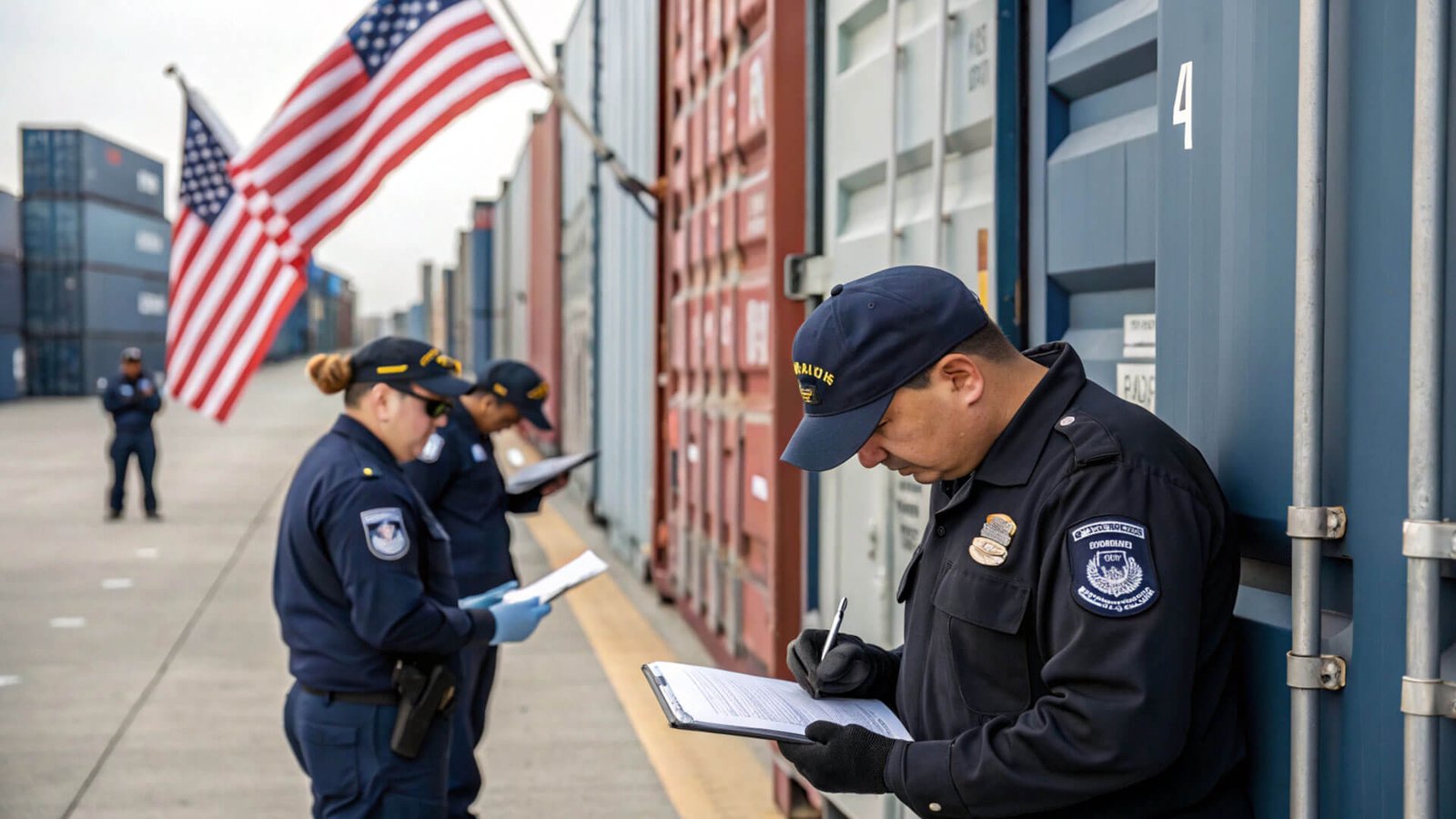
When I was navigating my first shipment, I learned that all customs processes must happen at the port of entry1. This means that even if your goods have reached their final destination, they are not legally cleared until they are processed at the port.
This underscores the importance of ensuring that all necessary documentation is filed accurately. Any errors can lead to delays and potential fines. Working with a reliable customs broker10 can help ensure that you navigate these complexities smoothly.
Strategic port of entry1 selection helps importers reduce delays, avoid congestion, and improve end-to-end supply chain performance11?
In the world of logistics, planning is everything.
Importers that plan port of entry1 strategy alongside routing and delivery can improve supply chain performance11. Selecting less congested or better-equipped ports helps control transit times, reduce inspection risk, and keep inbound flows predictable—especially during peak shipping seasons.
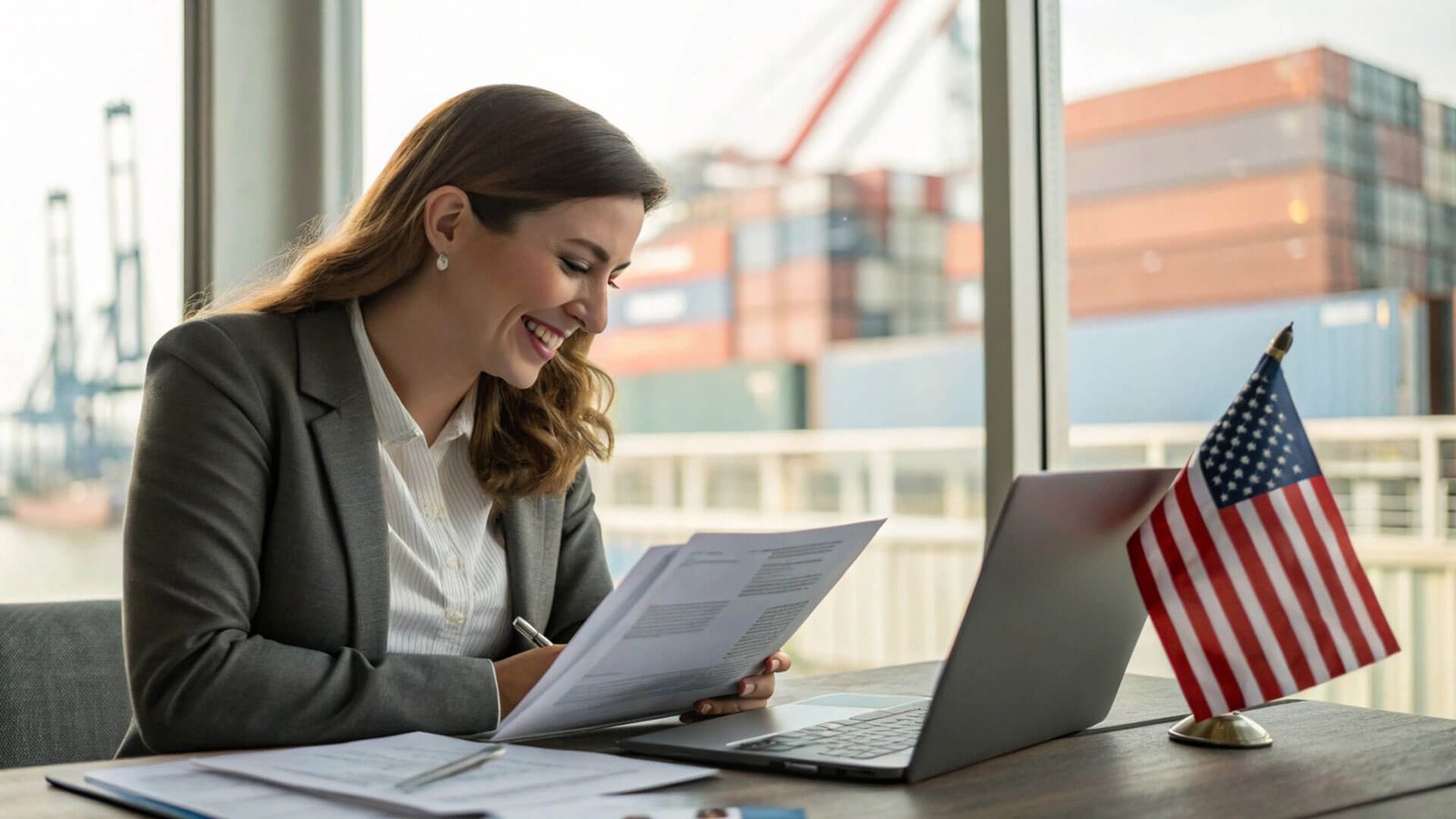
Strategically selecting your port of entry1 can lead to significant improvements in your supply chain operations. For instance, if you anticipate high demand during a particular season, choosing a less congested port can help you avoid delays.
In my own experience, I’ve seen how effective port selection can lead to smoother operations and lower costs. Importers who align their port strategy with their overall logistics plan can unlock efficiencies that significantly enhance their bottom line.
Conclusion
Choosing the right port of entry1 is critical for smooth customs clearance2, cost management, and delivery speed.
Understanding the concept of a port of entry is crucial for managing your import process effectively and ensuring compliance with customs regulations. ↩
Learn about the customs clearance process to avoid delays and ensure your goods meet legal standards for entry into the country. ↩
Reducing accessorial fees can significantly lower your shipping costs, making your import process more cost-effective. ↩
Choosing the right port can enhance delivery reliability, ensuring your goods arrive on time and in good condition. ↩
Seaports are ideal for high-volume cargo. Learn how they can be a cost-effective solution for your shipping needs. ↩
Airports offer faster customs clearance for time-sensitive goods, ensuring timely delivery despite higher costs. ↩
Land border crossings are ideal for goods from neighboring countries, offering efficient transit and customs processing. ↩
Knowing the inspection process helps you prepare your shipments better, reducing the risk of delays and additional costs. ↩
Understanding duty assessment can help you anticipate costs and manage your import budget more effectively. ↩
A customs broker can help navigate complex customs regulations, ensuring smooth clearance and reducing the risk of errors. ↩
Strategic port selection can enhance supply chain efficiency, reducing delays and improving overall logistics operations. ↩