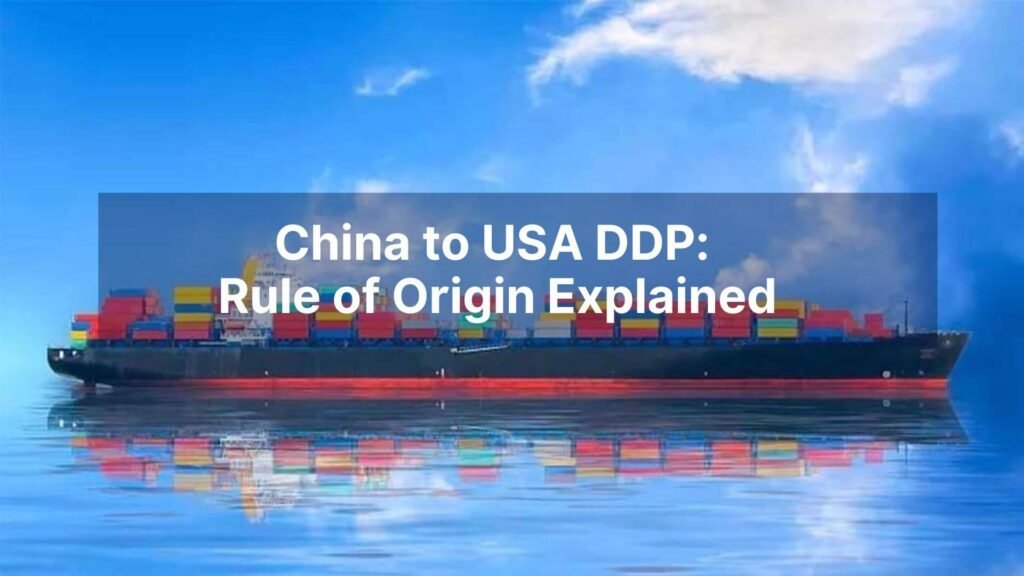
Shipping goods from China to the USA involves many complexities. Understanding the DDP (Delivered Duty Paid) shipping method1 and the Rule of Origin2 can save U.S. importers time and money.
DDP shipping means the seller assumes full responsibility for shipping, customs clearance, and all associated costs, including duties and taxes. U.S. importers benefit from a simplified shipping process as the seller handles everything, reducing the risk of unexpected fees at customs.
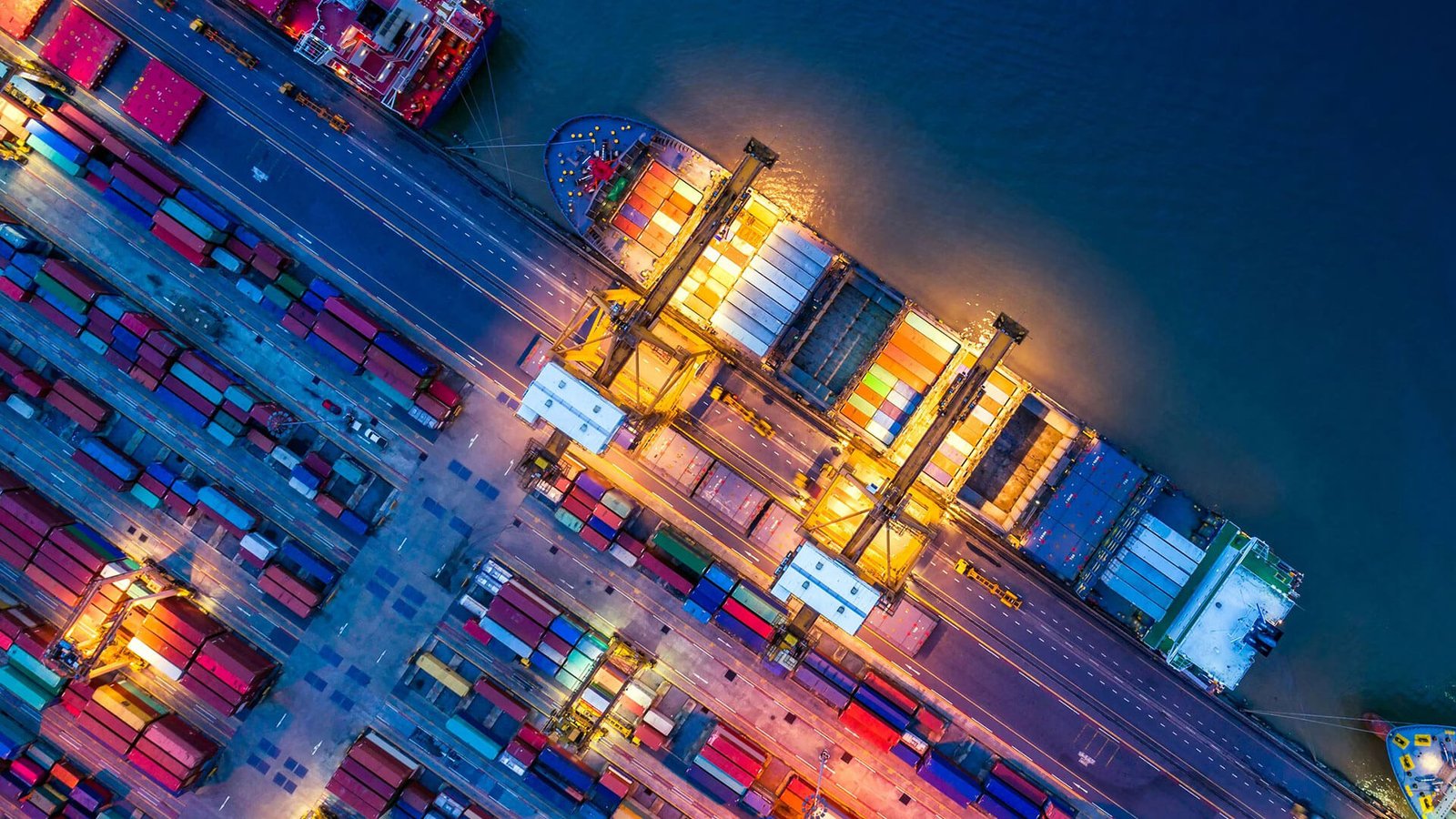
Navigating DDP shipments without a grasp of the underlying rules can complicate the importing process, leading to costly mistakes and delays. Let’s delve into what DDP means for U.S. importers and how to manage it effectively.
What Does DDP Shipping from China to the USA Mean for U.S. Importers?
Shipping under DDP means the seller covers all costs until the goods reach the buyer. This includes transportation, insurance, and customs fees. For U.S. importers, this arrangement simplifies the process significantly. They do not need to pay duties upfront or worry about customs clearance complications3.
DDP shipping means the seller is responsible for paying all duties, tariffs, and taxes, including the 25% tariff on Chinese imports4. U.S. importers don't need to worry about paying customs duties upfront, but they must ensure that the correct HS code5 and other documentation are provided to prevent delays.
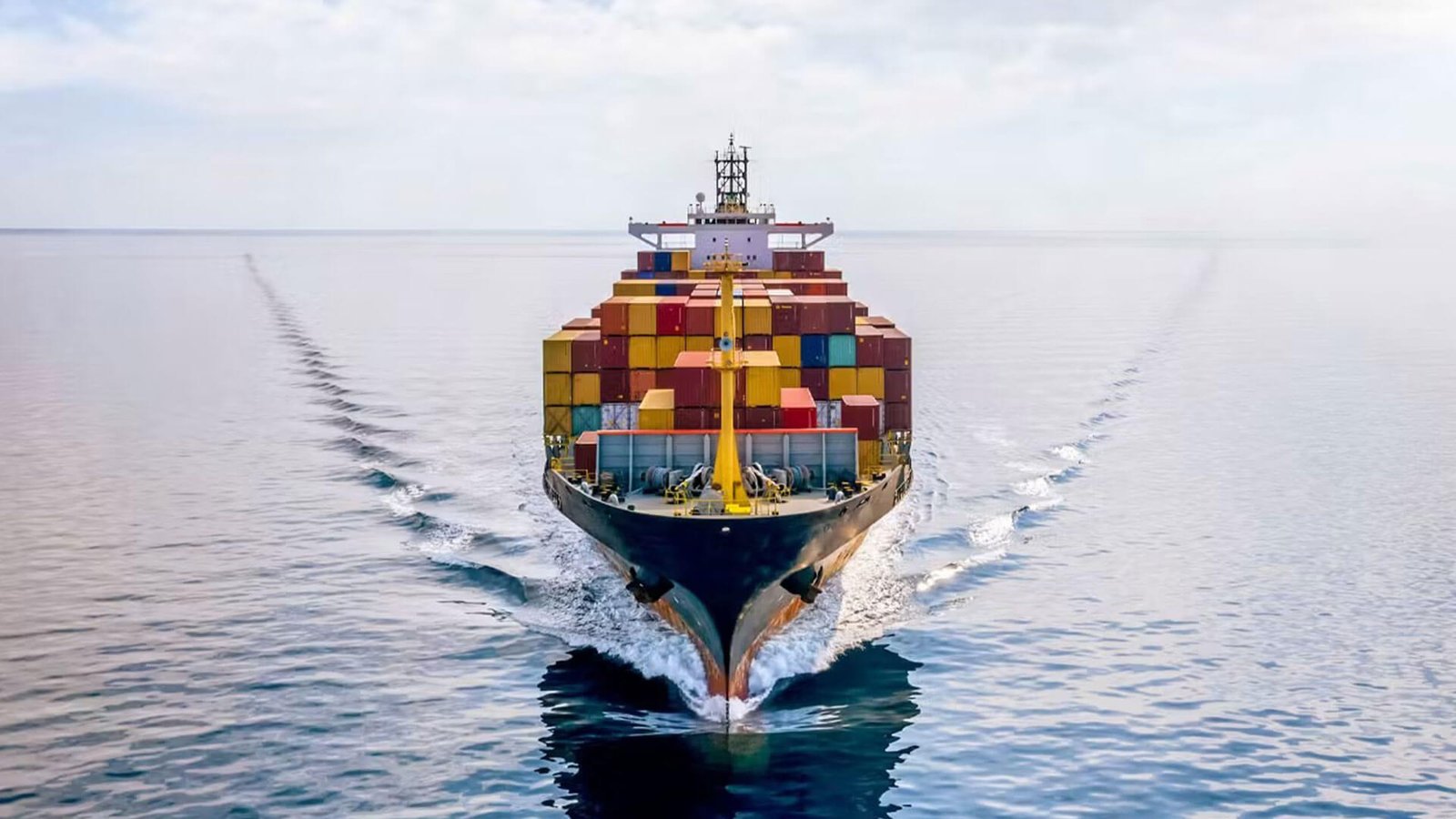
The appeal of DDP shipping lies in its simplicity. However, it also requires a clear understanding of several factors to avoid issues down the road.
How the Rule of Origin2 Affects DDP Shipments from China to the USA
The Rule of Origin2 is crucial for U.S. importers to comprehend. It determines the country of origin for goods and what tariffs apply. Goods must meet specific criteria to qualify for preferential rates under trade agreements.
The Rule of Origin2 dictates that goods must meet specific criteria to qualify for preferential tariff rates6 under trade agreements. For DDP shipments from China to the USA, U.S. importers must ensure that goods are properly classified and meet the rules for origin to avoid penalties or higher tariffs during customs clearance.
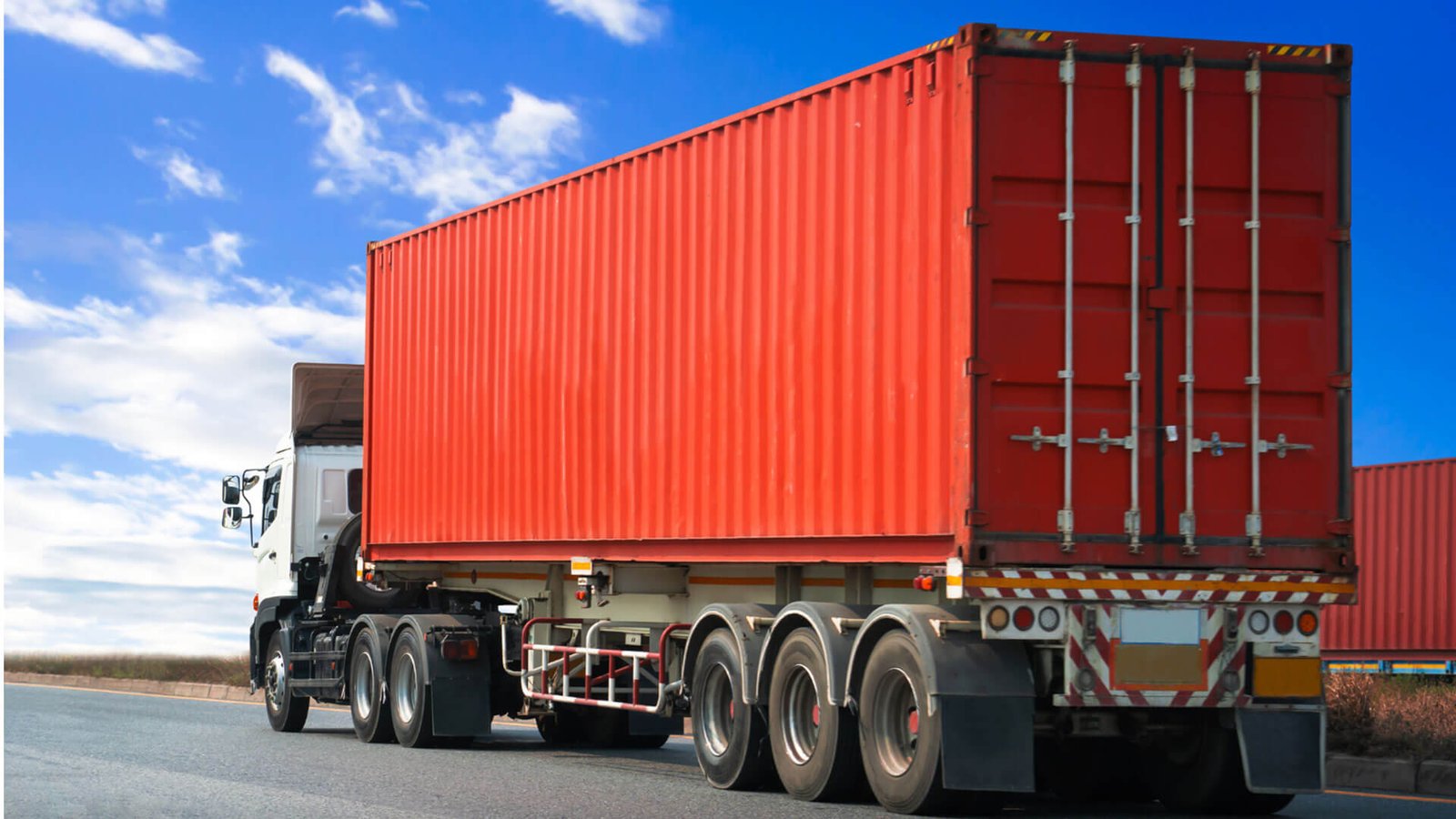
When importing goods, U.S. importers must ensure that they have the right documentation to prove compliance with the Rule of Origin2. Failure to do so can lead to higher tariffs and issues with customs.
Who Pays the Duties and Tariffs Under DDP Shipping from China to the USA?
Under DDP, the seller is liable for all duties and tariffs. This includes any additional charges that may arise, such as the 25% tariff on imports from China.
Under DDP shipping, the seller is responsible for paying all duties, tariffs, and taxes, including the 25% tariff on Chinese imports4. U.S. importers don't need to worry about paying customs duties upfront, but they must ensure that the correct HS code5 and other documentation are provided to prevent delays.
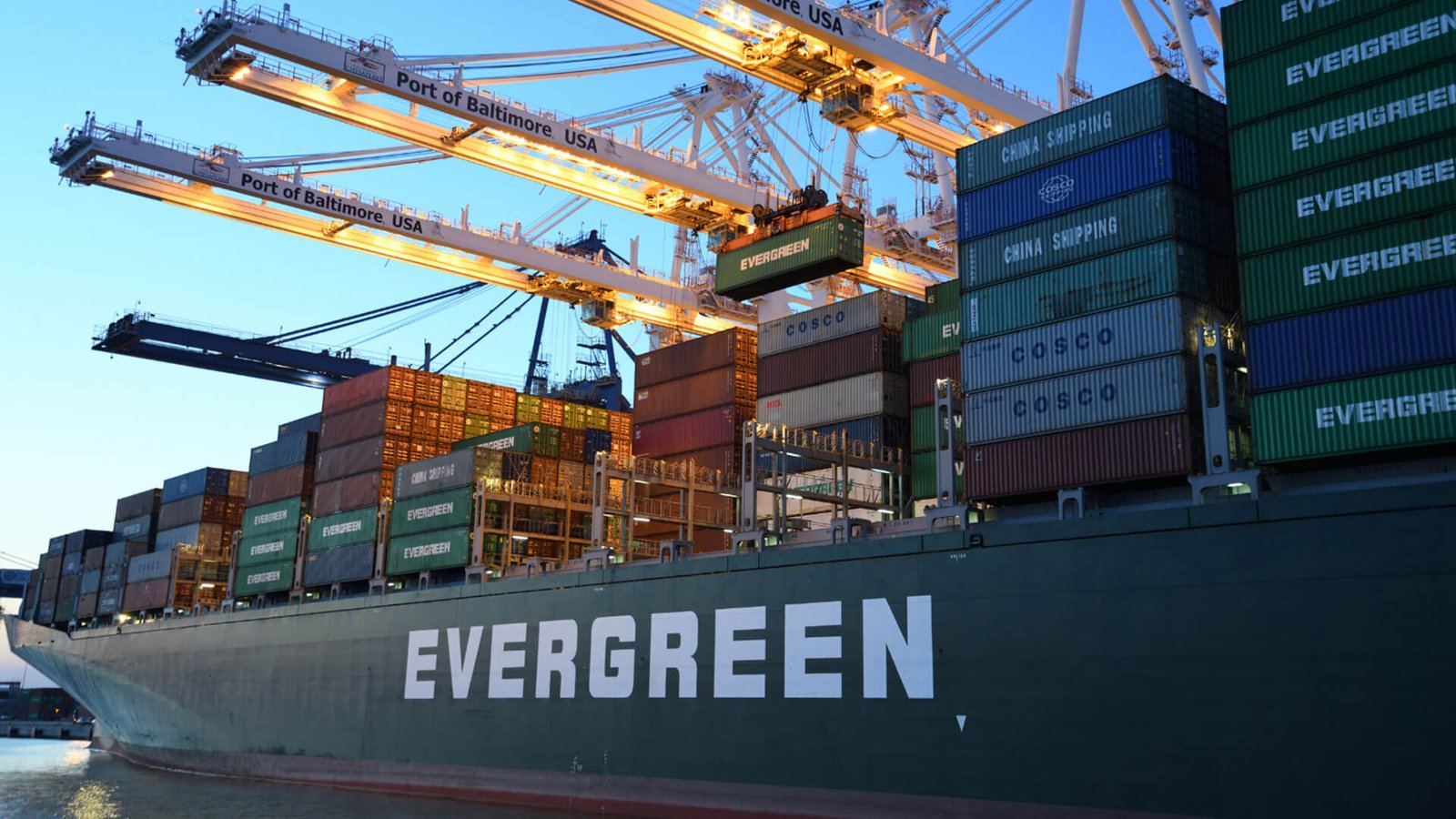
This arrangement offers peace of mind to U.S. importers, who can focus on their business without worrying about how to navigate customs duties. However, they still need to pay attention to the details to avoid misunderstandings.
How to Avoid Common Import Duty Mistakes When Shipping DDP from China
Mistakes in DDP shipments can lead to costly delays. Common issues include incorrect tariff classification7s and missing documentation8.
Common mistakes in DDP shipments include incorrect tariff classification7, failure to properly account for tariff exclusions9, or missing documentation8. U.S. importers should verify that all paperwork, including the correct HS code5 and country of origin, is accurate to avoid unnecessary delays and costs.
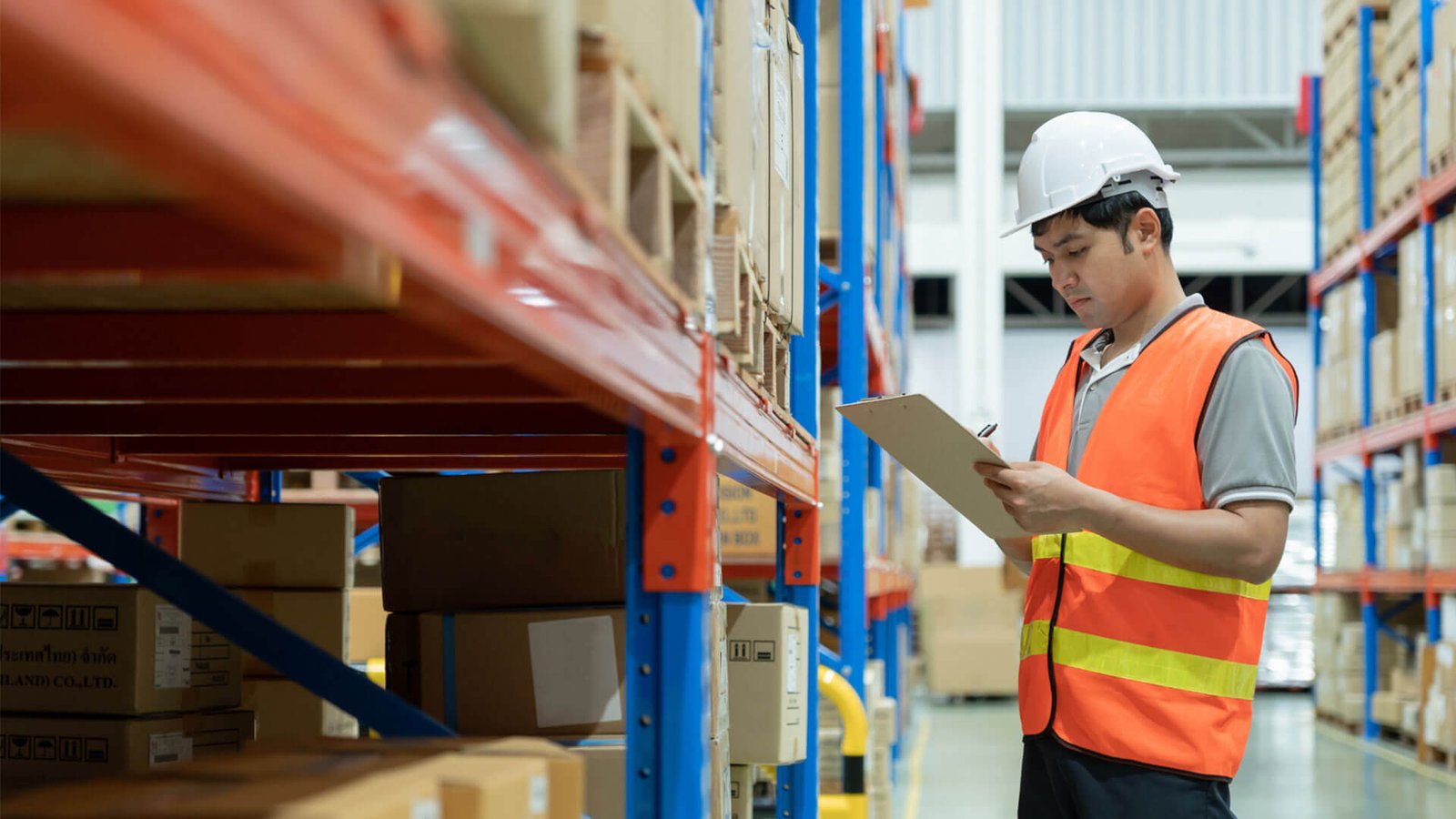
To steer clear of these pitfalls, U.S. importers should double-check all documents and communicate closely with their suppliers. Ensuring correct paperwork from the start makes a significant difference.
Understanding the Impact of the 25% Tariff on DDP Shipments from China to the USA
The 25% tariff on Chinese goods is a significant concern for U.S. importers. Even under DDP, the seller covers these costs, but they can still impact the total price.
The 25% tariff imposed on Chinese goods can significantly affect the total cost of DDP shipments. While the seller covers the costs under DDP, U.S. importers should be aware that tariffs may increase the overall price and plan their budgets accordingly to avoid unexpected financial burdens.
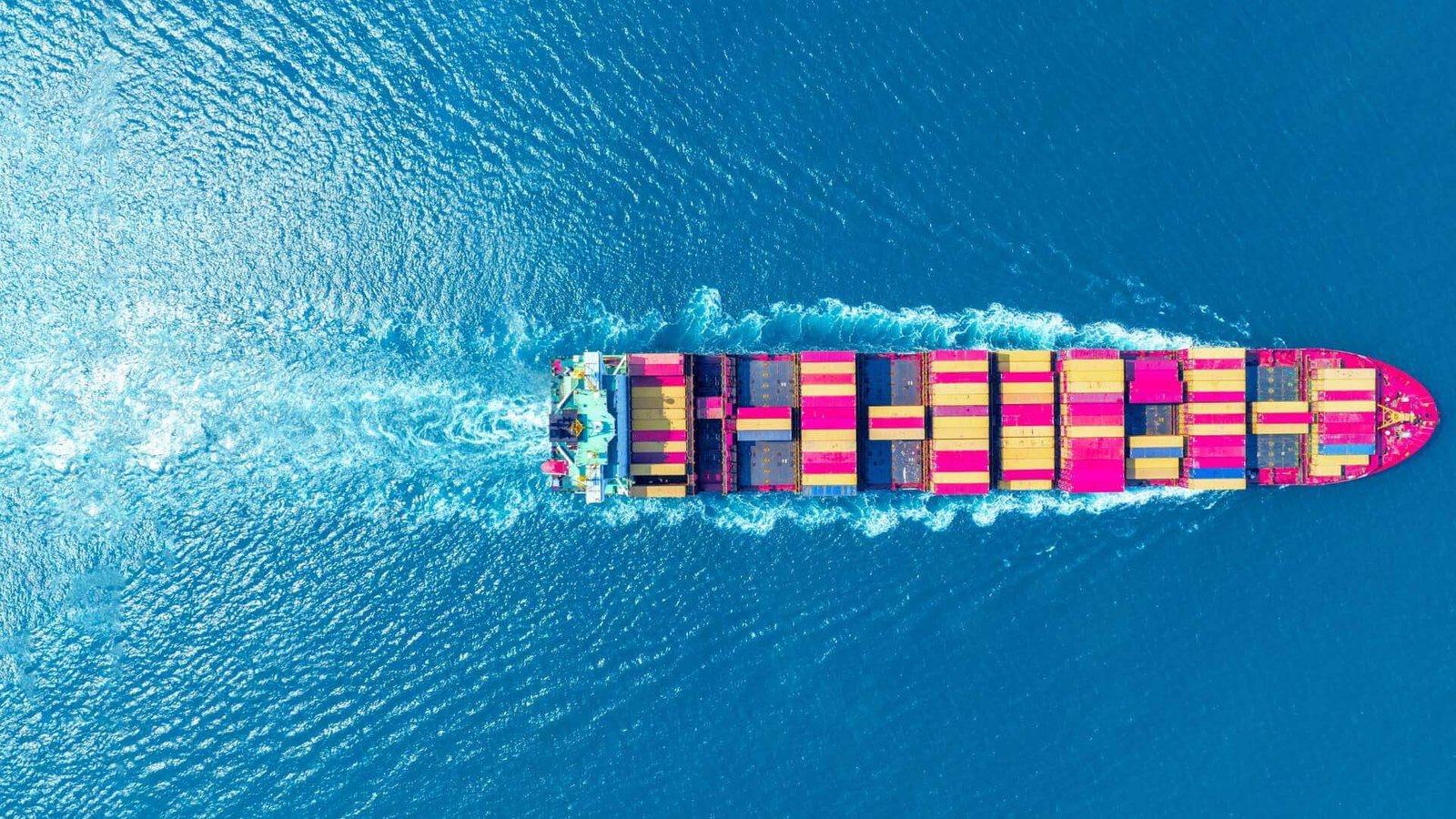
U.S. importers should factor in these tariffs when budgeting for their imports. Understanding these costs helps avoid surprises and allows for better financial planning.
Best Practices for Managing Customs Clearance Under DDP Shipping from China
Managing customs clearance effectively is vital for smooth DDP shipping. Clear communication and proper documentation are key components.
Managing customs clearance under DDP requires clear communication10 between the seller, customs brokers11, and U.S. importers. Best practices include ensuring all documents are submitted correctly, reviewing the tariff classification of goods, and confirming that all duties are accounted for to streamline the process and avoid delays.
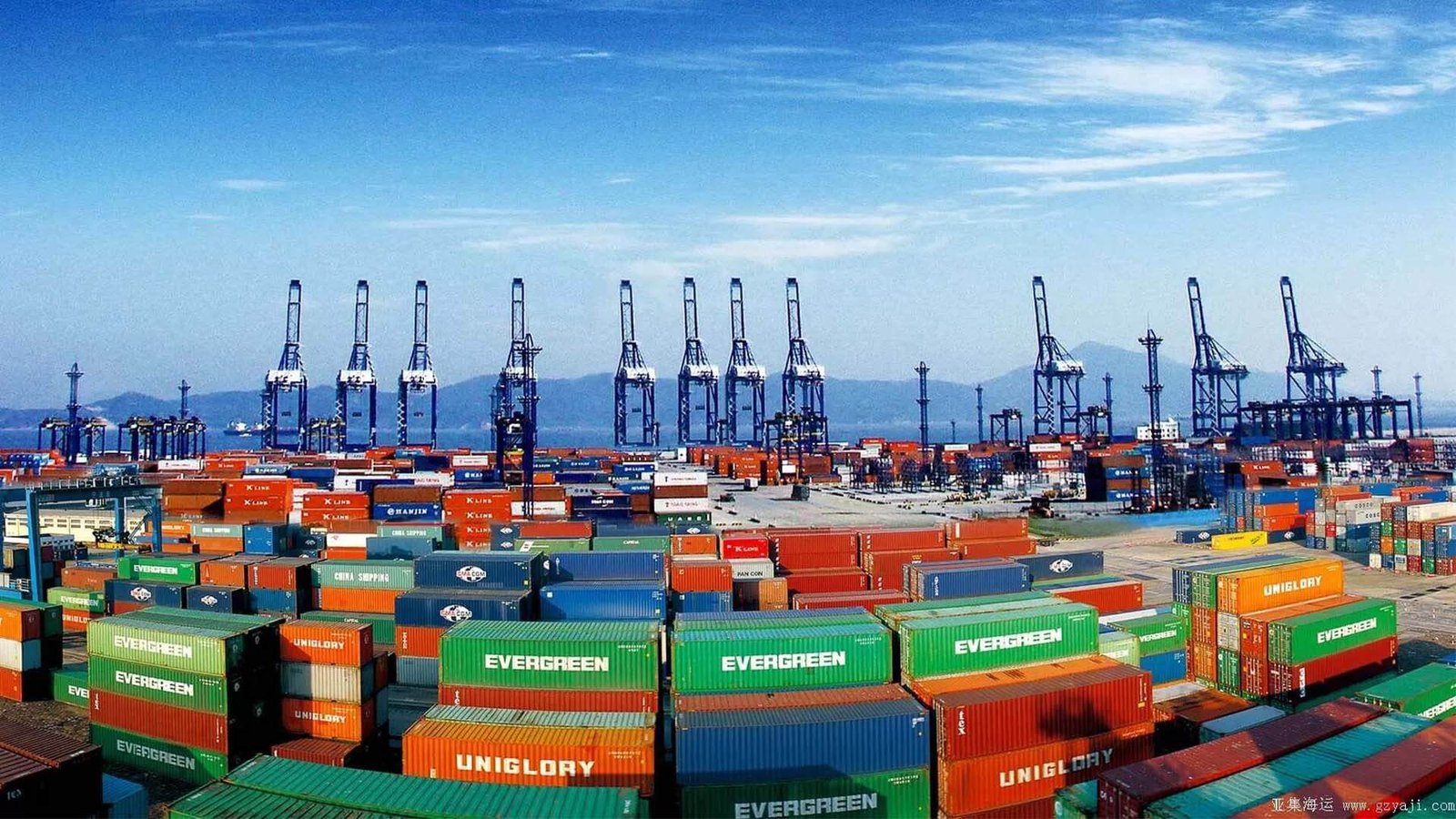
U.S. importers should work closely with experienced customs brokers11 to ensure compliance and efficient processing. This partnership can help navigate complex regulations and minimize delays.
Conclusion
Understanding DDP shipping and the Rule of Origin2 is crucial for U.S. importers. This knowledge helps navigate costs and avoid delays.
Explore how DDP shipping simplifies the import process by having the seller handle all costs and responsibilities, reducing risks for U.S. importers. ↩
Learn how the Rule of Origin impacts tariff rates and why proper classification is essential for U.S. importers to avoid penalties. ↩
Discover strategies to prevent customs clearance issues and ensure smooth DDP shipping from China to the USA. ↩
Understand the financial implications of the 25% tariff on Chinese goods and how it affects the overall cost of DDP shipments. ↩
Find out how using the correct HS code prevents delays and ensures compliance during customs clearance. ↩
Explore how U.S. importers can benefit from preferential tariff rates by meeting specific criteria under trade agreements. ↩
Learn about the risks and costs associated with incorrect tariff classification and how to avoid them. ↩
Understand the importance of complete documentation in preventing delays and additional costs in DDP shipping. ↩
Explore how tariff exclusions can reduce costs and why they must be properly accounted for in DDP shipping. ↩
Discover the role of clear communication in ensuring all parties are aligned, reducing delays and errors in the shipping process. ↩
Learn how customs brokers can assist in navigating complex regulations and ensuring efficient customs clearance. ↩