Port congestion is a pressing issue that impacts the shipping industry. For U.S. importers, it can lead to delays and increased costs.
Port congestion occurs when vessels, containers, or trucks exceed a port’s handling capacity1, causing delays in berthing, unloading, and delivery. For U.S. importers, congestion leads to longer transit times, higher demurrage and detention fees, and reduced supply chain predictability2 that directly impacts inventory planning and cash flow.
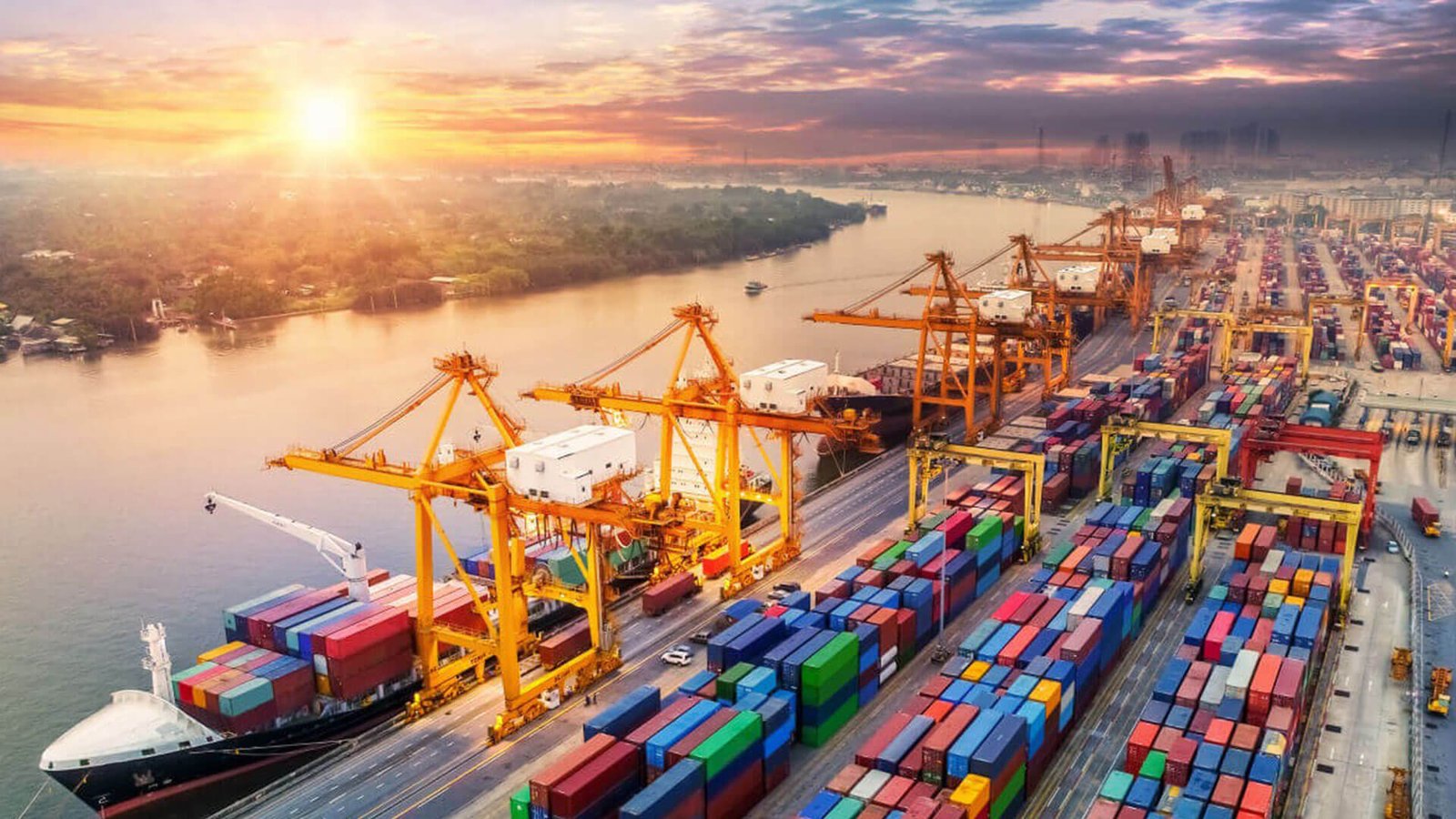
Port congestion is a significant challenge for importers. It disrupts schedules and can create unexpected costs. Understanding its causes helps us navigate these hurdles.
What Is Port Congestion and Why It Causes Delays, Extra Costs, and Unpredictable Transit Times for U.S. Importers?
Port congestion means delays for vessels and cargo. This creates a chain reaction affecting delivery timelines. Since U.S. importers rely on timely shipments, any disruption can lead to chaos in supply chain operations.
Port congestion is driven by factors like limited port capacity and increasing freight volumes, causing delays in cargo movement. For U.S. importers, these delays mean extra costs, unpredictability, and potential inventory shortages.
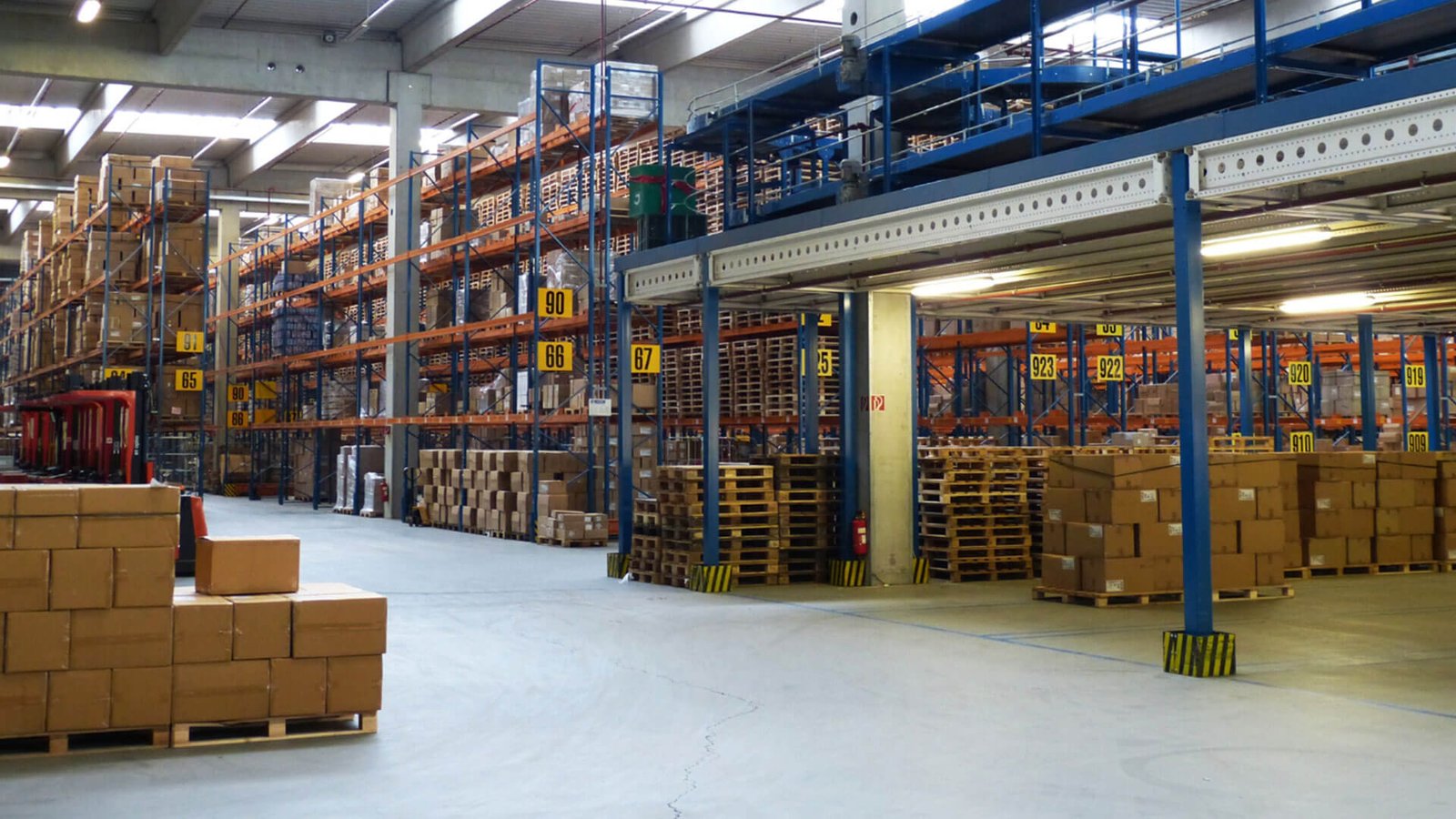
When I think of port congestion, I remember a time when a shipment I was managing faced significant delays. The ripple effects were felt throughout the supply chain. It wasn't just about the shipping; it impacted our relationships with clients and our cash flow.
What Are the Main Causes of Port Congestion in Global Shipping and How They Impact U.S. Import Operations?
Port congestion stems from various issues. A mix of operational challenges and external factors contributes to this situation.
Port congestion is driven by factors such as vessel bunching3, labor shortages4, chassis and yard constraints5, weather disruptions6, and inland transportation bottlenecks7. These issues reduce port throughput and cause cascading delays that affect vessel schedules, cargo availability, and importer delivery commitments across the supply chain.
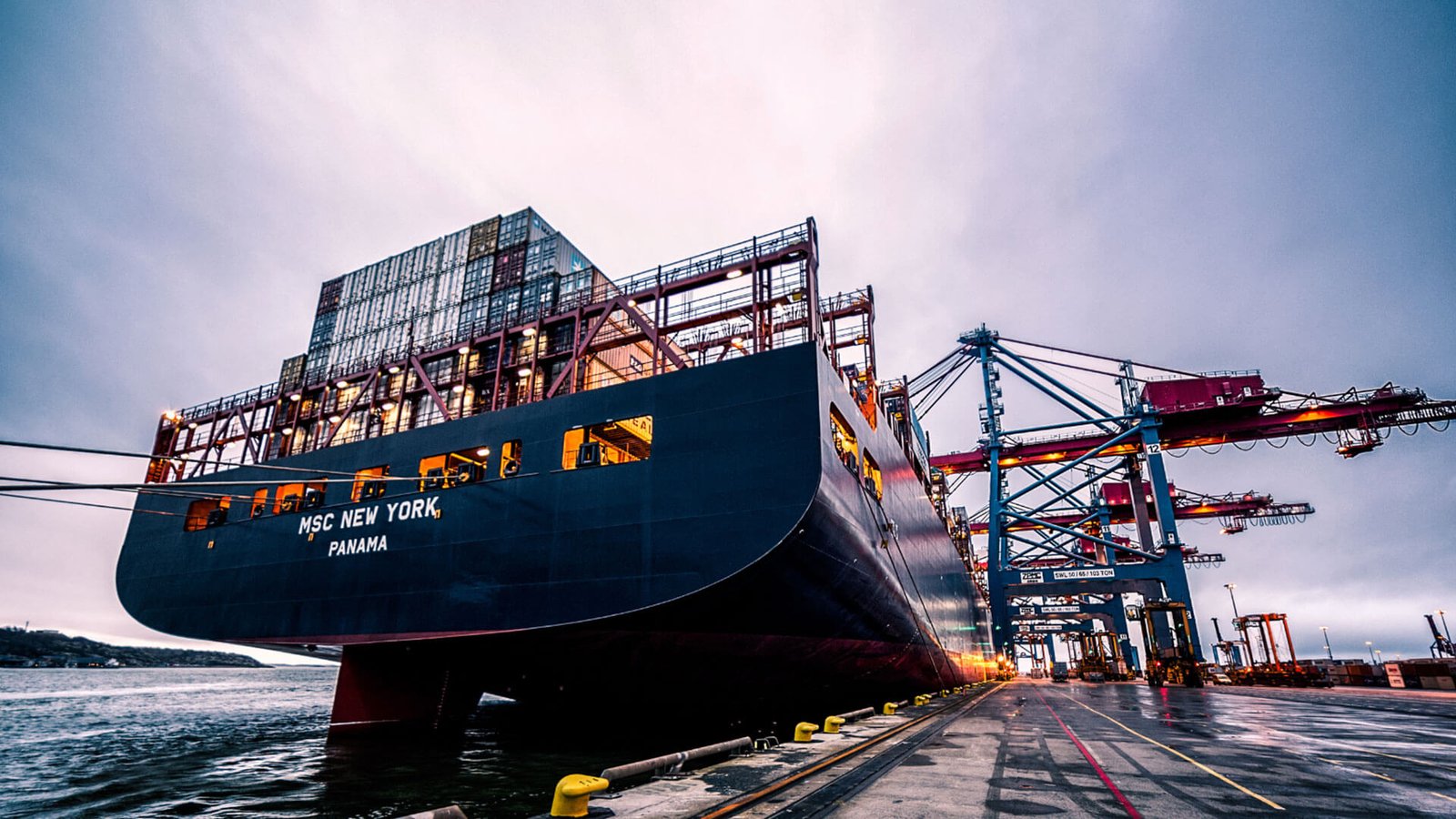
Let’s break down these causes:
| Cause | Description |
|---|---|
| Vessel Bunching | Multiple vessels arriving simultaneously, overwhelming port capacity. |
| Labor Shortages | Insufficient workers to handle cargo efficiently. |
| Yard Constraints | Limited space for containers, causing delays in unloading. |
| Weather Disruptions | Disruptions from storms or adverse weather conditions. |
| Inland Bottlenecks | Challenges in transporting goods from ports to their final destinations. |
These factors intricately weave together to create a complex web of delays. For U.S. importers, understanding this helps in planning better.
How Port Congestion Leads to Vessel Delays, Rolled Cargo, Demurrage, and Congestion Surcharges
The impact of congestion is profound. When ports become congested, the consequences ripple through the supply chain.
When ports are congested, vessels may skip calls, cargo can be rolled to later sailings, and containers may sit longer at terminals. These delays often trigger demurrage, detention, and congestion surcharges8, increasing landed costs and forcing importers to absorb unplanned logistics expenses.
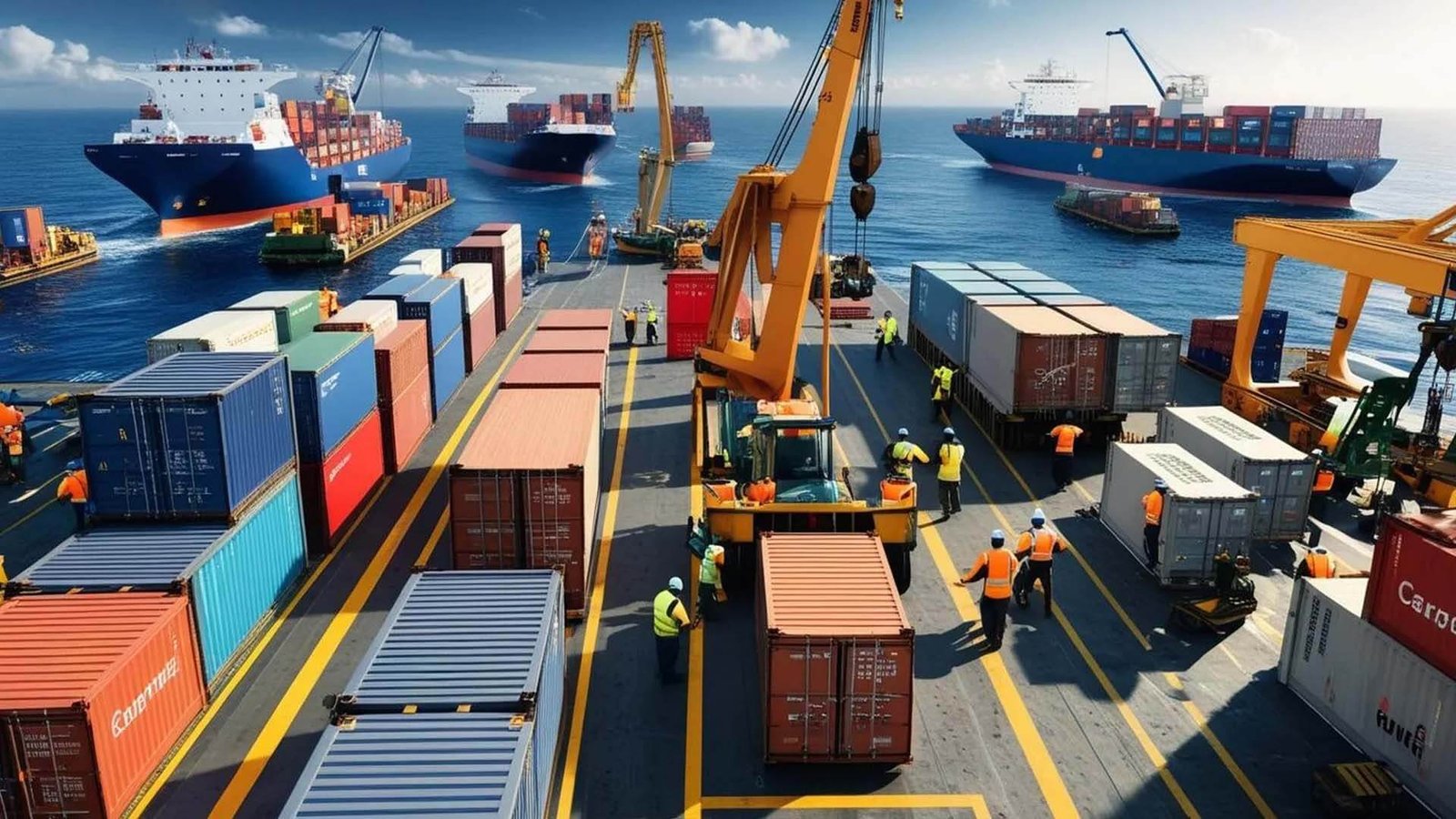
The financial implications can be severe.
| Type of Delay | Consequence |
|---|---|
| Vessel Delay | Vessels may miss scheduled berthing times. |
| Rolled Cargo | Cargo that is pushed to later vessels, delaying delivery. |
| Demurrage | Fees incurred for containers sitting too long at the port. |
| Congestion Surcharges | Additional costs levied by carriers due to delays. |
When I dealt with a shipment that faced rolled cargo9, it meant renegotiating timelines with clients. It also meant absorbing additional costs.
How U.S. Importers Can Reduce the Risk of Port Congestion Through Routing, Planning, and Mode Selection
Proactive measures can make all the difference. Importers can implement strategies to mitigate congestion risks.
Importers can reduce congestion risk by diversifying port gateways10, adjusting ETDs, using inland ports11, selecting alternative modes, and improving forecast accuracy. Proactive planning and flexible routing strategies help minimize exposure to congested ports and protect delivery timelines during peak shipping periods.

Here are some strategies that can help:
| Strategy | Explanation |
|---|---|
| Diversify Port Gateways | Use different ports to reduce dependency on one. |
| Adjust Estimated Times of Departure (ETDs) | Shift departure times to avoid peak periods. |
| Utilize Inland Ports | Use ports located further inland to bypass congestion. |
| Select Alternative Modes | Consider rail or truck options when suitable. |
| Improve Forecast Accuracy | Better predictions allow for more effective planning. |
In my experience, adjusting ETDs has saved us from unforeseen delays. It’s crucial to remain flexible and responsive.
How Freight Forwarders and Customs Brokers Help Importers Avoid Port Congestion Delays End to End
The role of freight forwarders12 and customs brokers13 cannot be understated. Their expertise can streamline operations.
Freight forwarders and customs brokers13 help importers manage congestion by monitoring port conditions, adjusting bookings, coordinating customs clearance timing, and arranging inland transport. Their end-to-end oversight reduces dwell time, prevents document-related holds, and keeps cargo moving despite port-level disruptions.
Their support covers several areas:
| Support Area | Description |
|---|---|
| Monitoring Port Conditions | Staying updated on congestion levels. |
| Adjusting Bookings | Modifying itineraries based on real-time info. |
| Coordinating Customs Timing | Ensuring fast clearance to minimize dwell time. |
| Inland Transport Arrangements | Organizing transport to avoid last-mile delays. |
Having a reliable customs broker helped us navigate a particularly congested period last year. Their insight and connections were invaluable.
Conclusion
Understanding port congestion is essential for U.S. importers. By leveraging proactive strategies and expert support, we can mitigate its impacts.
Understanding a port's handling capacity helps in grasping why congestion occurs, affecting shipping schedules and costs. ↩
Exploring this can help businesses understand the impact of delays on their operations and planning. ↩
Learning about vessel bunching can provide insights into one of the main causes of port congestion. ↩
Understanding labor shortages can highlight challenges in efficient cargo handling at ports. ↩
These constraints are critical in understanding delays in unloading and cargo movement. ↩
Weather disruptions can significantly impact port operations, leading to delays and increased costs. ↩
These bottlenecks can delay the movement of goods from ports to final destinations, affecting delivery timelines. ↩
Understanding these surcharges can help importers anticipate additional costs during port congestion. ↩
Rolled cargo can lead to significant delays in delivery, impacting supply chain schedules. ↩
This strategy can help importers avoid delays by not relying on a single congested port. ↩
Inland ports can be a strategic alternative to bypass congested coastal ports. ↩
Freight forwarders play a crucial role in navigating congestion by adjusting bookings and coordinating logistics. ↩
Customs brokers help streamline processes, reducing delays and ensuring smooth cargo movement. ↩