Choosing an ocean freight partner feels overwhelming. Making the wrong choice leads to surprise fees and delays1. You need a clear framework to find a reliable company for your imports.
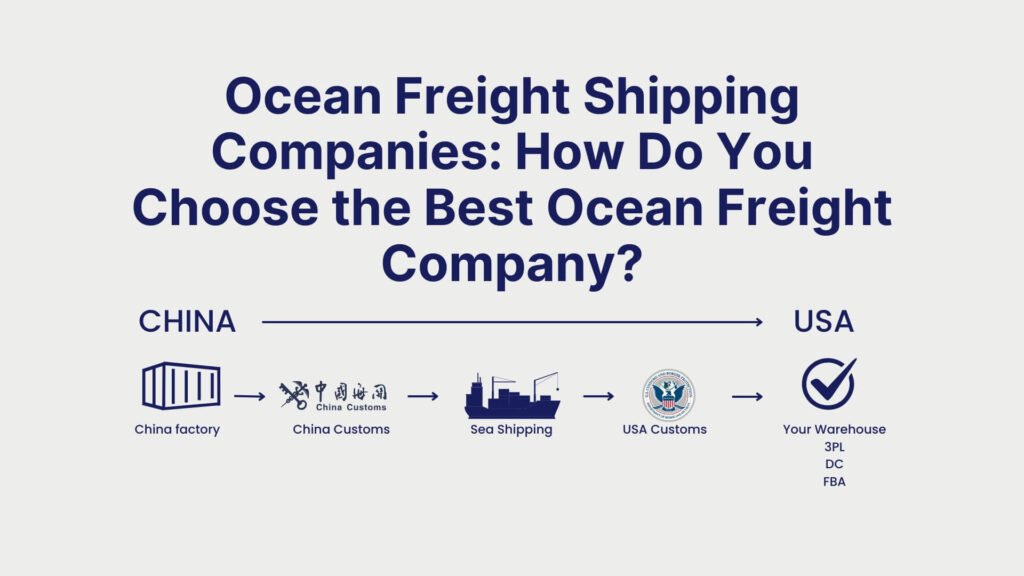
The best ocean freight company for U.S. importers is a partner that provides control, transparency, and accountability over the entire shipping process. This often means choosing an integrated freight forwarder and customs broker2 who can manage your shipment from the factory door in China to your warehouse in the USA.
Choosing a partner for your China to USA shipments3 is one of the most important decisions you'll make. It directly impacts your product cost, delivery schedule, and overall stress level. Many importers, especially those new to the process, focus only on the ocean freight rate. As an experienced forwarder, I've seen this mistake cost businesses thousands. The real goal is not to find the cheapest rate, but the most predictable and reliable landed cost4. We need to look beyond the price tag and evaluate a company's ability to actually control your shipment. Let's break down how to do that.
What Ocean Freight Shipping Companies Actually Do and Why Importers Must Distinguish Between Carriers, Forwarders, and Brokers?
Think all freight companies are the same? This common mistake costs importers money and control. You might book with one company, but have no idea who is actually responsible.
Ocean freight shipping companies fall into three categories: carriers, freight forwarders, and brokers5. Carriers own the ships and move containers. Forwarders manage logistics end-to-end. Brokers just arrange bookings. Understanding this difference is critical to maintaining control over your shipment's cost and delivery.
When you're shipping from China to the USA, knowing who you're dealing with is everything. These roles are not interchangeable. Each has a different level of responsibility and control over your cargo. A misstep here can leave you with no one to call when things go wrong.
I often talk to importers like Mark who are frustrated because their cargo is stuck, and the company they paid has no answers. This usually happens when they don't understand these roles. Let's clarify them.
Comparing Your Ocean Freight Partner Options
| Factor | Ocean Carrier | Freight Forwarder | Freight Broker |
|---|---|---|---|
| Moves Cargo | Yes | Yes (manages) | No (arranges) |
| Controls End-to-End Process | No | Yes | No |
| Handles Customs Clearance | No | Often Yes | No |
| Rate Transparency | Medium | High | Low |
| Accountability | Limited | High | Low |
| Best For | Port-to-port | Door-to-door | Spot bookings |
An ocean carrier (like Maersk or MSC) owns the vessels. Their job is to move your container from Port A to Port B. That's it. They don't handle Chinese trucking, U.S. customs clearance, or final delivery. A freight broker is a middleman who finds a spot on a ship for you, but they don't manage the process. A freight forwarder, like my company, acts as your project manager. We coordinate every step: pickup, ocean transit, customs, and delivery, providing a single point of accountability6.
Why the Cheapest Ocean Freight Rate Is Rarely the Best Choice for U.S. Importers?
Found an incredibly cheap ocean freight rate online? Be careful. That low price often hides surprise surcharges and risks that will inflate your final landed cost, destroying your budget.
The lowest ocean freight rate almost always excludes critical costs and services. Hidden fees, customs coordination problems, and delivery risks can quickly make the "cheapest" option the most expensive one. True value comes from predictable landed costs, not just a low initial quote.
I cannot stress this enough: the rate you see online is not your final cost. It's a teaser. It's designed to get your attention, but it leaves out many required charges. The real number you need to care about is the total landed cost7—every single dollar it takes to get your product from the factory to your warehouse. A cheap base rate often means you'll be hit with unexpected fees for things like terminal handling, security scans, or port congestion. A good forwarder will quote you a transparent, all-in price so you can budget accurately.
Case Study 1: The High Cost of a "Cheap" Rate
An electronics importer shipping from China to Los Angeles chose a broker based on the lowest spot rate they could find. The broker had no carrier contract or space protection. When peak season hit, their container was "rolled" to the next vessel, not once, but twice. By the time the container arrived, they had missed their retail launch window and accrued thousands in demurrage fees8 at the port. The "cheap" rate ended up costing them far more in lost sales and penalties.
Which Factors Matter Most When Choosing an Ocean Freight Company for China → USA Shipping?
Are you overwhelmed by all the factors when choosing a freight partner? Focusing only on the shipping rate can lead to disaster, especially on the complex and busy China-USA trade lane.
For China to USA shipping, reliability, compliance support, and total delivery control matter far more than the rate alone. You should prioritize partners with proven FCL experience, deep port-pair expertise, direct carrier access, and integrated U.S. customs brokerage for a predictable outcome.
When your supply chain depends on the flow of goods from China, you need a partner who can navigate the specific challenges of this route. It's not the same as shipping from Europe or South America. You need a company that lives and breathes this trade lane every single day.
Here's what I tell my clients to look for:
- China → USA FCL Experience9: Do they specialize in full container loads on this route? Ask them how many containers they move per month.
- Port Pair Expertise10: Do they understand the specific operational details of your origin and destination ports? For example, shipping from Yantian to Long Beach has different challenges than shipping from Shanghai to New York.
- Carrier Access11: Do they have direct contracts with ocean carriers? This gives them access to protected space and better rates, which they can pass on to you.
- Integrated U.S. Customs Brokerage12: This is non-negotiable. Having your forwarder also be your customs broker eliminates communication gaps13 that cause costly delays. It creates a seamless process under one roof.
How Do Ocean Freight Company Capabilities Impact Transit Time, Space Availability, and Delivery Reliability?
Are you worried about your container getting "rolled" to the next available vessel? During peak season or times of disruption, a weak partner simply can't secure space, causing massive delays.
Strong ocean freight partners use their direct carrier contracts to protect space and manage disruptions effectively, especially during peak seasons. This capability reduces rollover risk14 and allows for agile responses to port congestion, ensuring more reliable transit times and on-time delivery.
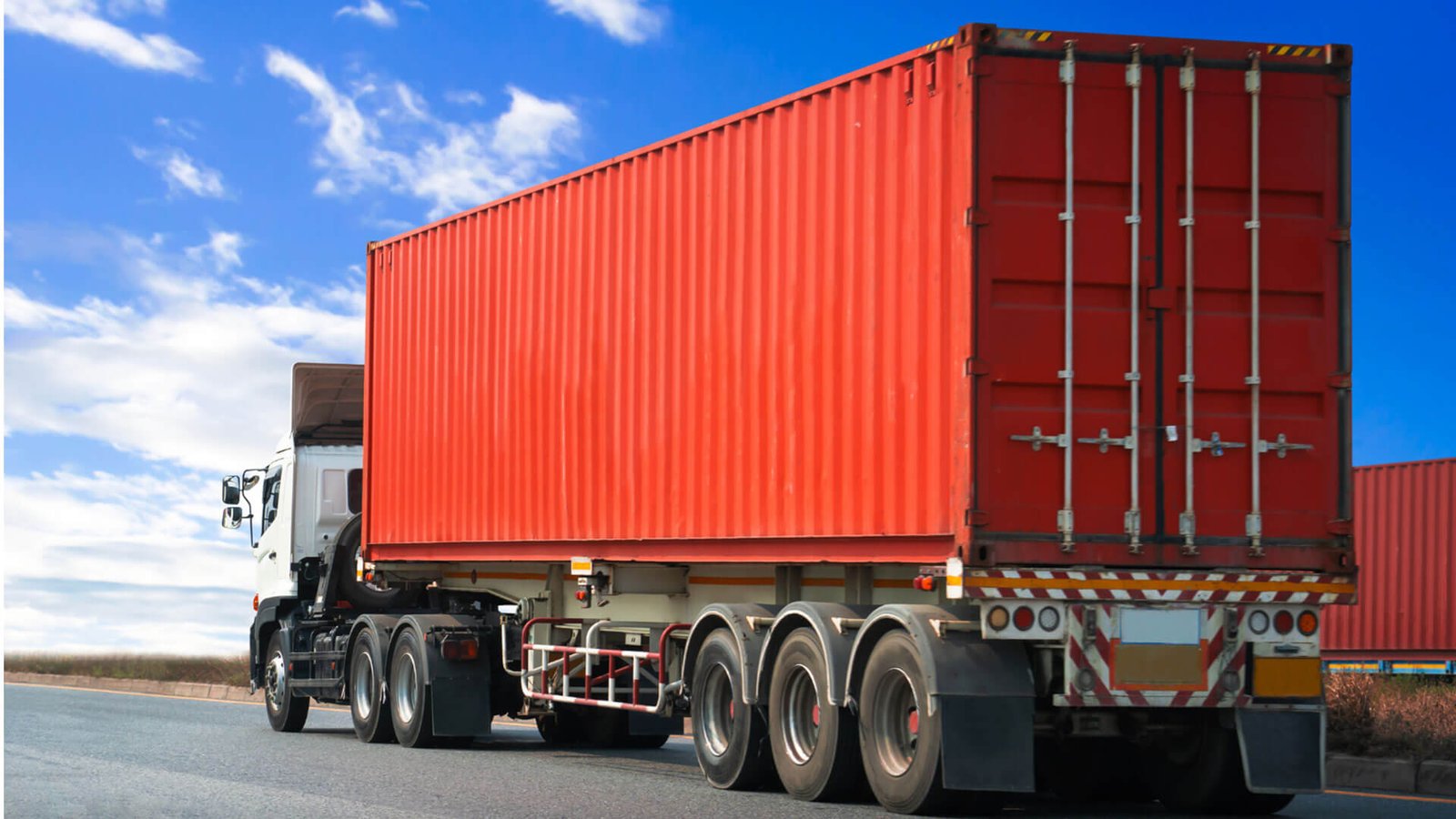
The difference between a forwarder with strong carrier relationships and one that just books on the open "spot" market is huge. Spot market bookings are the first to get cut when a vessel is overbooked. This is called a rollover, and it can add weeks to your transit time. A forwarder with a service contract has an allocation of protected space with the carrier. This means your container is much more likely to get on the ship it was booked for.
Furthermore, a capable partner is proactive. When there's congestion at a port like Los Angeles, they have the network and knowledge to explore alternative routing, perhaps to a less busy port, and coordinate the inland trucking from there. This flexibility is impossible if you're just a number in the carrier's system or working with a simple broker. They manage the exceptions, which is where the real value is.
Case Study 3: The Power of Integrated Control
A consumer goods brand needed to ship a full container via DDP from China to their warehouse in Houston. They chose our company, an integrated forwarder and customs broker. We used our carrier contract to secure space on a direct vessel. Because we control both the freight and the U.S. customs clearance, we filed the entry documents while the ship was still on the water. The container was cleared by customs before it even arrived. It was picked up from the port and delivered to their warehouse on the exact day we projected. Their landed cost was stable and their inventory arrived on time.
How Do Ocean Freight Companies Handle Customs Clearance, Duties, and Import Compliance?
Does your ocean freight provider also handle your U.S. customs clearance? If not, you are creating a dangerous gap in your supply chain where delays, fines, and compliance issues are almost guaranteed.
Ocean freight companies without direct control over customs create clearance delays and financial risk. An integrated freight forwarder with an in-house U.S. customs brokerage coordinates all documentation and communication, ensuring compliance and preventing costly holds that disrupt your final delivery.
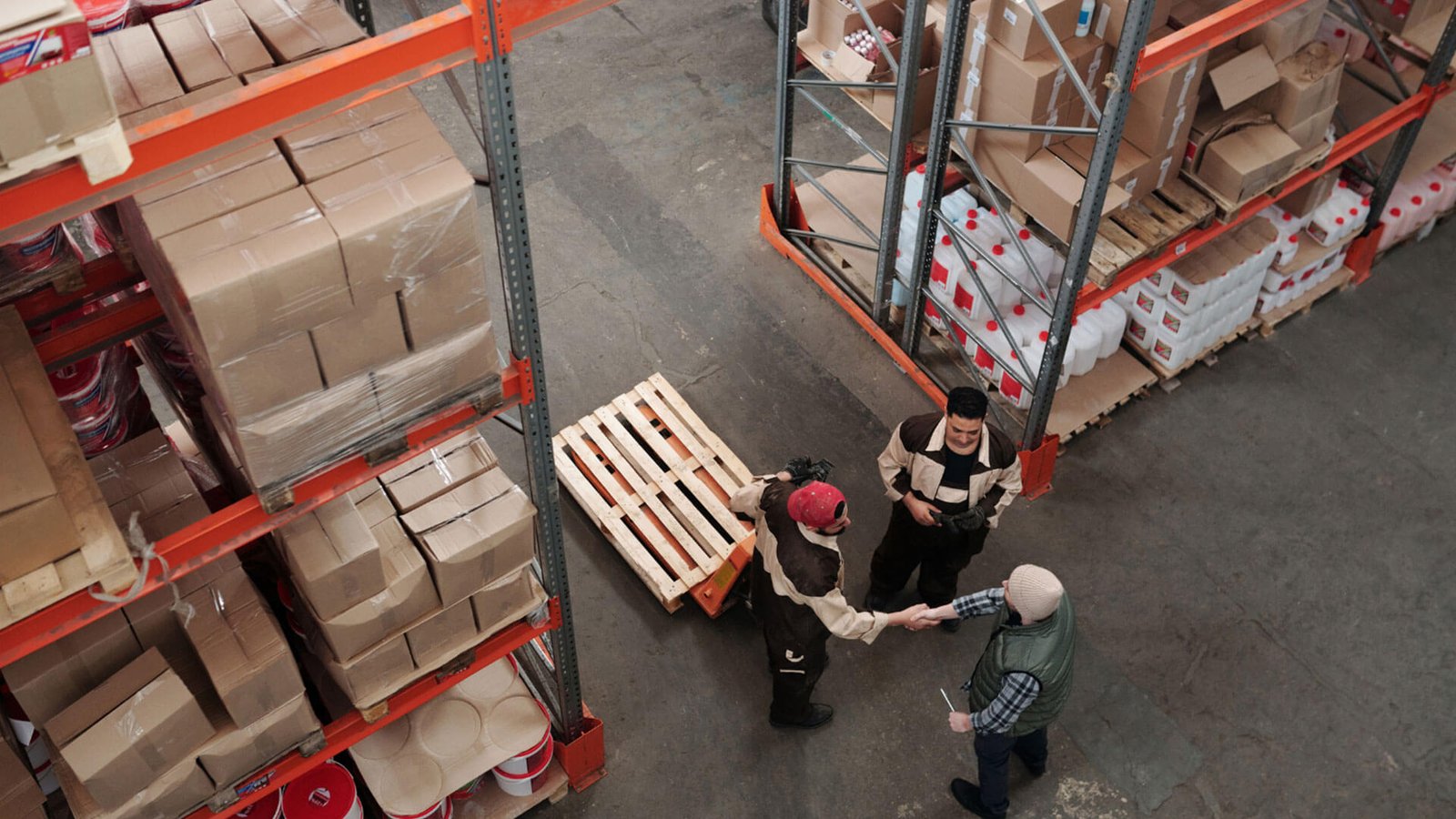
U.S. Customs and Border Protection (CBP) is the gatekeeper to the country. Getting this step wrong is not an option. When your freight forwarder and customs broker are two different companies, finger-pointing begins the moment there is a problem. The forwarder blames the broker for document delays, and the broker blames the forwarder for incorrect information. Meanwhile, your container is sitting at the port racking up storage fees, known as demurrage.
As a licensed U.S. Customs Broker, we manage this process seamlessly. We work with you to ensure your commercial invoice, packing list, and ISF (Importer Security Filing) are perfect. We can classify your products correctly to ensure you pay the right amount of duty. If you ship DDP (Delivered Duty Paid)15, this integration is essential, as the forwarder is responsible for handling the entire process, including paying duties on your behalf. This single point of accountability6 is the safest way to import.
Case Study 2: The Disconnected Shipment
A furniture importer booked a container directly with an ocean carrier to ship from China to New Jersey. They hired a separate, third-party customs broker to handle the import. The carrier's bill of lading had a typo that didn't match the commercial invoice. The separate broker didn't catch it until customs flagged the shipment for inspection. The container sat at the port for two weeks while the paperwork was corrected, resulting in thousands of dollars in storage fees and a canceled delivery appointment, which led to lost sales.
What Common Mistakes Do Importers Make When Selecting an Ocean Freight Company and How Do They Lead to Delays and Cost Overruns?
Do you keep running into the same frustrating shipping problems shipment after shipment? These issues often stem from a few common, easily avoidable mistakes made when selecting your ocean freight partner.
Most importer problems come from choosing a partner based on price alone. This leads to using multiple uncoordinated vendors, having no single accountable party for problems, and misaligned Incoterms16. These mistakes result in poor visibility, unexpected delays, and major cost overruns.

After years in this business, I see the same patterns repeat. The desire to save a few hundred dollars on a quote leads to decisions that end up costing thousands. The biggest mistake is creating a fragmented supply chain. An importer might use one agent in China, book directly with a carrier, and hire another broker in the U.S. When a problem occurs, who is responsible? No one. There is no single point of accountability6.
Another common mistake is not understanding Incoterms16. Many importers buy on FOB (Free On Board) terms, thinking it's easier. But this means your control only starts once the container is on the vessel. You have no say in the local handling in China, which can lead to delays and extra charges before your shipment even leaves. A good forwarder can manage the entire process door-to-door, giving you full control and visibility from the very beginning.
How Can U.S. Importers Evaluate and Vet an Ocean Freight Company for Long-Term Shipping Success?
Are you ready to find a reliable, long-term shipping partner? You need a clear and simple process to vet companies, or you risk repeating the same costly mistakes all over again.
U.S. importers should vet ocean freight companies based on three pillars: control, transparency, and accountability. Ask for direct proof of their China-USA FCL experience, their integrated customs capabilities, and how they calculate and manage your total landed cost7, not just the ocean rate.
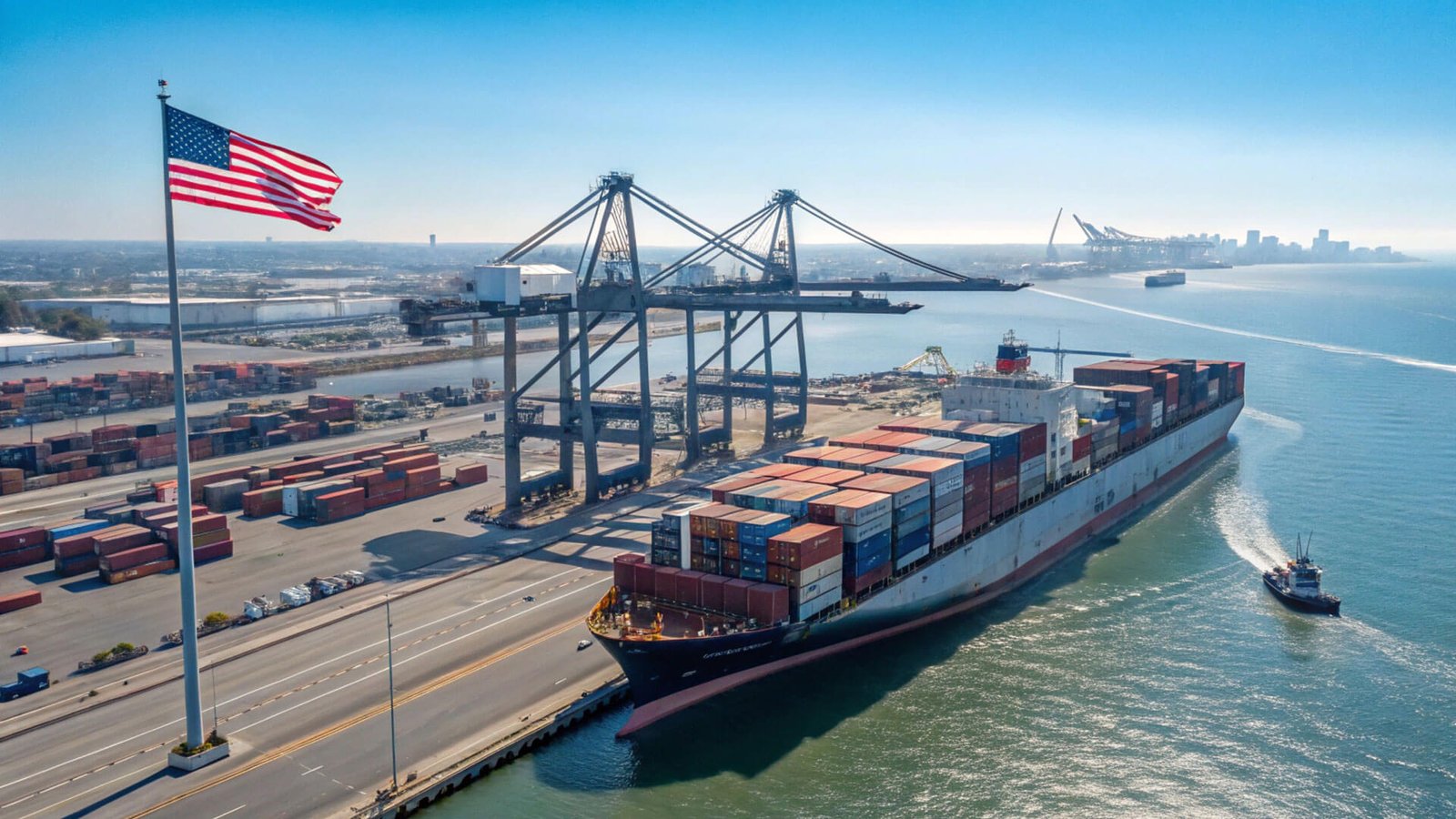
Finding the right partner is about asking the right questions and looking for the right signals. A slick website and a low price are not indicators of a quality partner. You need to dig deeper to find a company that will truly manage your risk. A long-term partnership built on trust will save you far more money and headaches than chasing the lowest price every time.
Use this checklist during your evaluation process. If you get a "No" or a vague answer on any of these, consider it a major red flag.
Importer's Vetting Checklist
| Question | If "No" → This is Your Risk |
|---|---|
| Do they control both ocean freight and U.S. customs clearance? | High Risk: Communication gaps, compliance errors, and delays. |
| Can they explain your total landed cost upfront? | Hidden Fees: Your budget will be blown by surprise charges. |
| Do they have deep China → USA FCL experience? | Execution Risk: They don't know how to handle this specific lane. |
| Do they manage carrier space with contracts, not just book it? | Rollover Risk: Your container will be bumped during peak season. |
| Will you have one accountable point of contact? | Fragmentation: You'll be stuck in the middle when problems arise. |
| Can they legally and operationally support DDP shipping? | Compliance Risk: They may not have the U.S. entity to act as IOR. |
| Can they provide case studies of similar shipments? | Unknown Outcome: They have no proven track record of success. |
Conclusion
The best ocean freight company is rarely the cheapest. It is the partner that gives you the most control over your total cost, your compliance risk, and your final delivery schedule.
Understanding how to prevent unexpected costs and delays can save your business money and ensure timely delivery of goods. ↩
An integrated service can streamline the shipping process, reducing complexity and improving accountability. ↩
Knowing the specific challenges of this route can help you choose the right partner and avoid common pitfalls. ↩
Ensuring a stable landed cost helps businesses budget accurately and avoid unexpected expenses. ↩
Understanding these roles can help you choose the right partner and maintain control over your shipment. ↩
A single point of accountability ensures clear communication and responsibility, preventing issues and delays. ↩
Knowing how to calculate the total landed cost ensures you understand all expenses involved in shipping. ↩
Knowing about demurrage fees helps importers avoid unexpected costs due to delays at the port. ↩
Experience in this specific trade lane ensures reliable service and understanding of unique challenges. ↩
Expertise in specific port pairs can lead to smoother operations and fewer delays in shipping. ↩
Direct carrier access can secure space and better rates, reducing rollover risk and ensuring timely delivery. ↩
Integration prevents communication gaps and delays, ensuring compliance and smooth customs clearance. ↩
Avoiding communication gaps ensures smooth operations and prevents costly delays in the shipping process. ↩
Understanding rollover risk helps importers choose partners that can secure space and avoid delays. ↩
DDP ensures the seller handles all costs and risks, providing a seamless shipping experience for the buyer. ↩
Understanding Incoterms helps importers manage responsibilities and costs effectively in shipping contracts. ↩