Non-tariff barriers can wreak havoc on international trade. Are you prepared to face these challenges?
Non-tariff barriers (NTBs) are non-price trade restrictions—such as regulations, standards, licensing, and inspections—that limit or delay imports without imposing a customs duty. For importers, NTBs often matter more than tariffs because they create uncertainty, delay clearance, and add compliance costs1 that are not visible in tariff schedules.
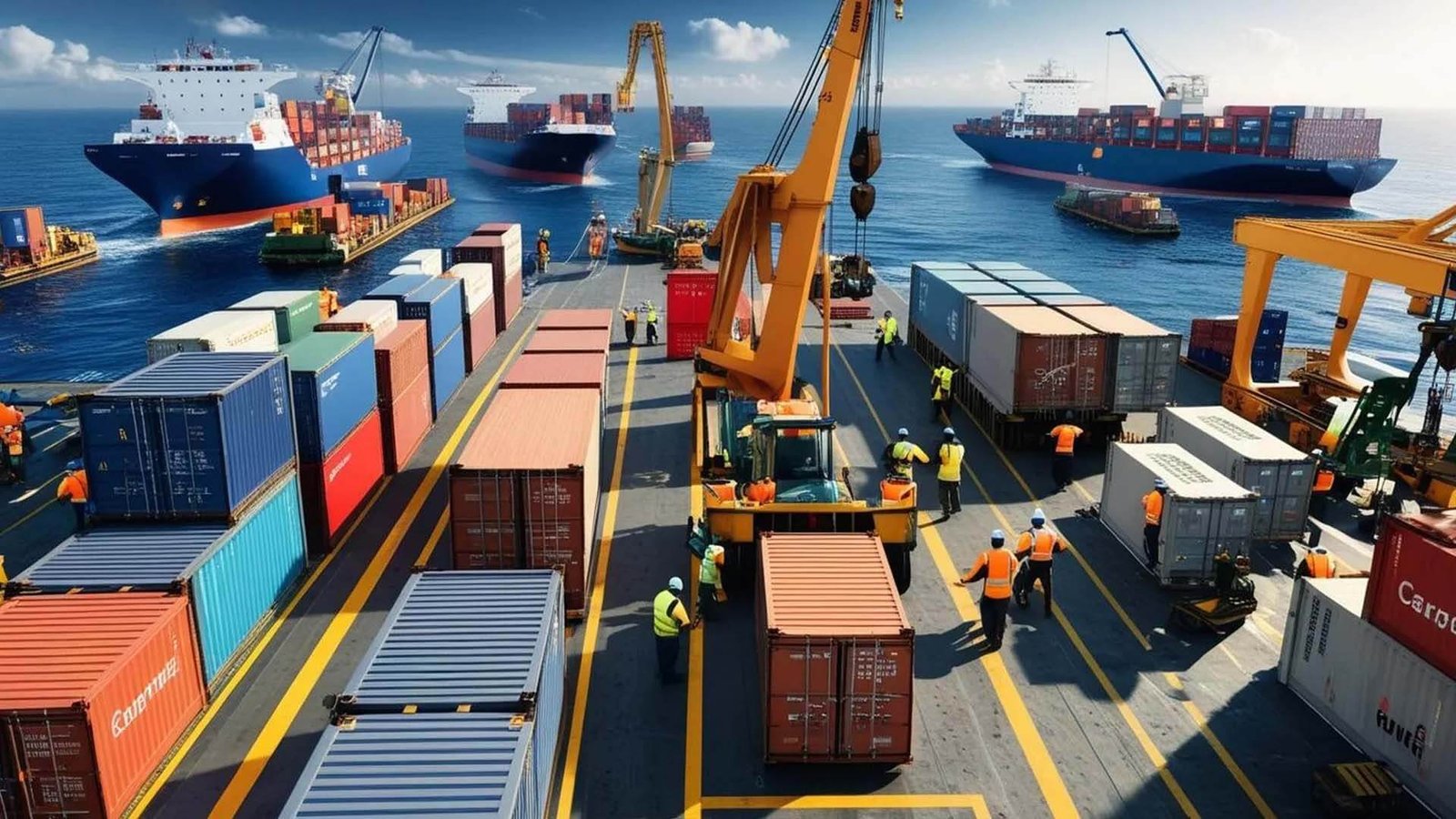
Moving across borders is not just about tariffs. The world of trade is full of hurdles that can cause unexpected delays. As an importer, navigating these hurdles can be daunting. Understanding NTBs can make a significant difference in your import operations and bottom line.
What Non-Tariff Barriers Are and Why They Matter More Than Tariffs for Importers?
Non-tariff barriers (NTBs) play a significant role in the landscape of international trade. While tariffs are straightforward, NTBs introduce complexity that can impact your operations. These regulations are not always visible, but they can create roadblocks that lead to delays and additional costs.
Common NTBs include technical standards2, sanitary and phytosanitary rules3, import licensing4, quotas, labeling requirements, and customs procedures5. These measures are enforced by regulatory agencies and can stop or slow shipments even when tariffs are low or zero, making compliance preparation critical for importers.

Delays stemming from NTBs can hinder your ability to deliver goods to your customers on time. By understanding NTBs, you can navigate these challenges more effectively.
The Main Types of Non-Tariff Barriers That Restrict Goods at the Border?
Different types of non-tariff barriers impact trade. Understanding these can help mitigate risks. NTBs can range from certification requirements to strict labeling rules. Each type can create complications for importers.
NTBs raise costs through testing fees, documentation, inspections, storage, and missed delivery windows. They also increase compliance risk6, as small errors can trigger holds or refusals. Unlike tariffs, these costs are unpredictable, making supply chains harder to plan and manage for importers.
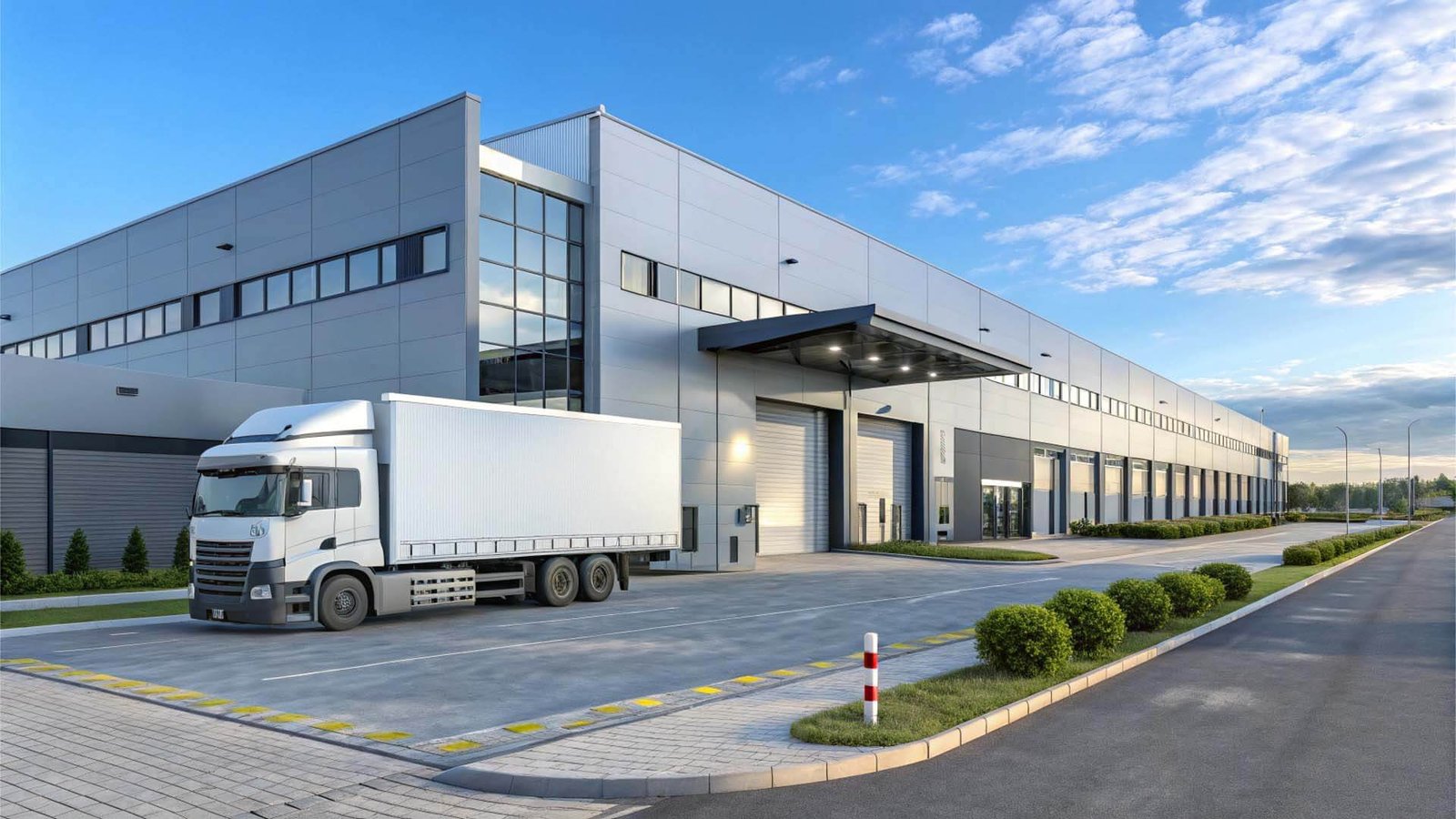
As an importer, staying informed about the types of NTBs that govern your products is essential. This knowledge will help you prepare for potential obstacles and streamline your import process.
How Non-Tariff Barriers Increase Import Costs, Delays, and Compliance Risk?
The impact of NTBs on trade cannot be overstated. When faced with NTBs, importers may find themselves dealing with increased costs and delays. The unpredictable nature of these barriers complicates supply chain management.
Importers commonly face NTBs such as FDA holds on food7, APHIS agricultural inspections, product safety certifications8, and origin verification requests. These measures are often applied at the border by U.S. Trade Representative-referenced regimes and interpreted within global rules set by the World Trade Organization.
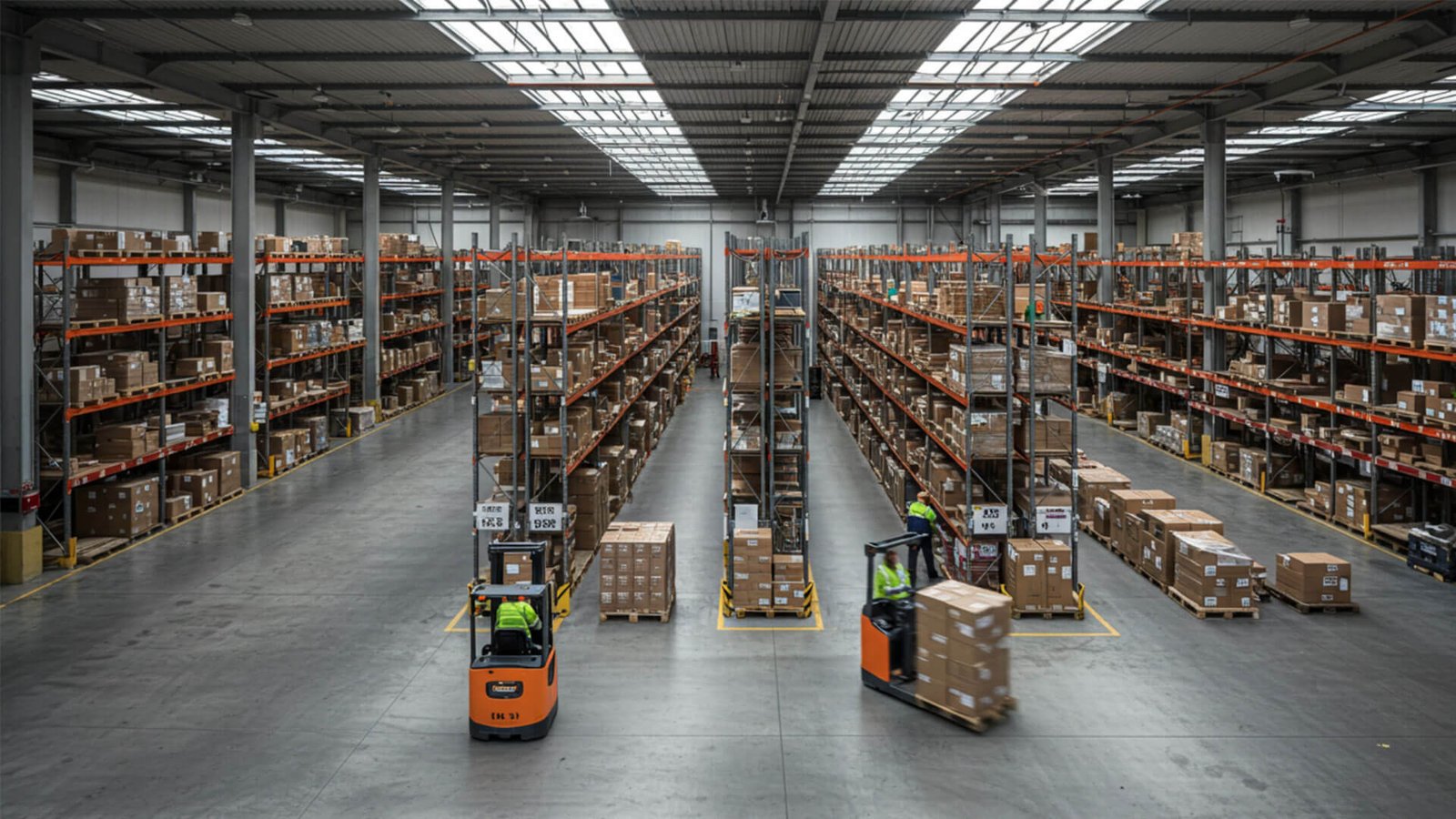
Understanding the costs associated with NTBs can empower you to make informed decisions. By anticipating these expenses, you can better manage your budget and logistics.
Real-World Examples of Non-Tariff Barriers U.S. Importers Encounter in Practice?
Real-world examples provide clarity on how NTBs work in practice. Many U.S. importers face these challenges daily. From food safety inspections to certifications, NTBs manifest in various ways that can disrupt trade.
Importers manage NTBs by identifying applicable regulations early, aligning product classification and documentation, and coordinating with brokers and regulators before shipment. Proactive compliance planning—rather than reacting at the port—reduces delays, inspection risk, and unexpected costs caused by non-tariff barriers.
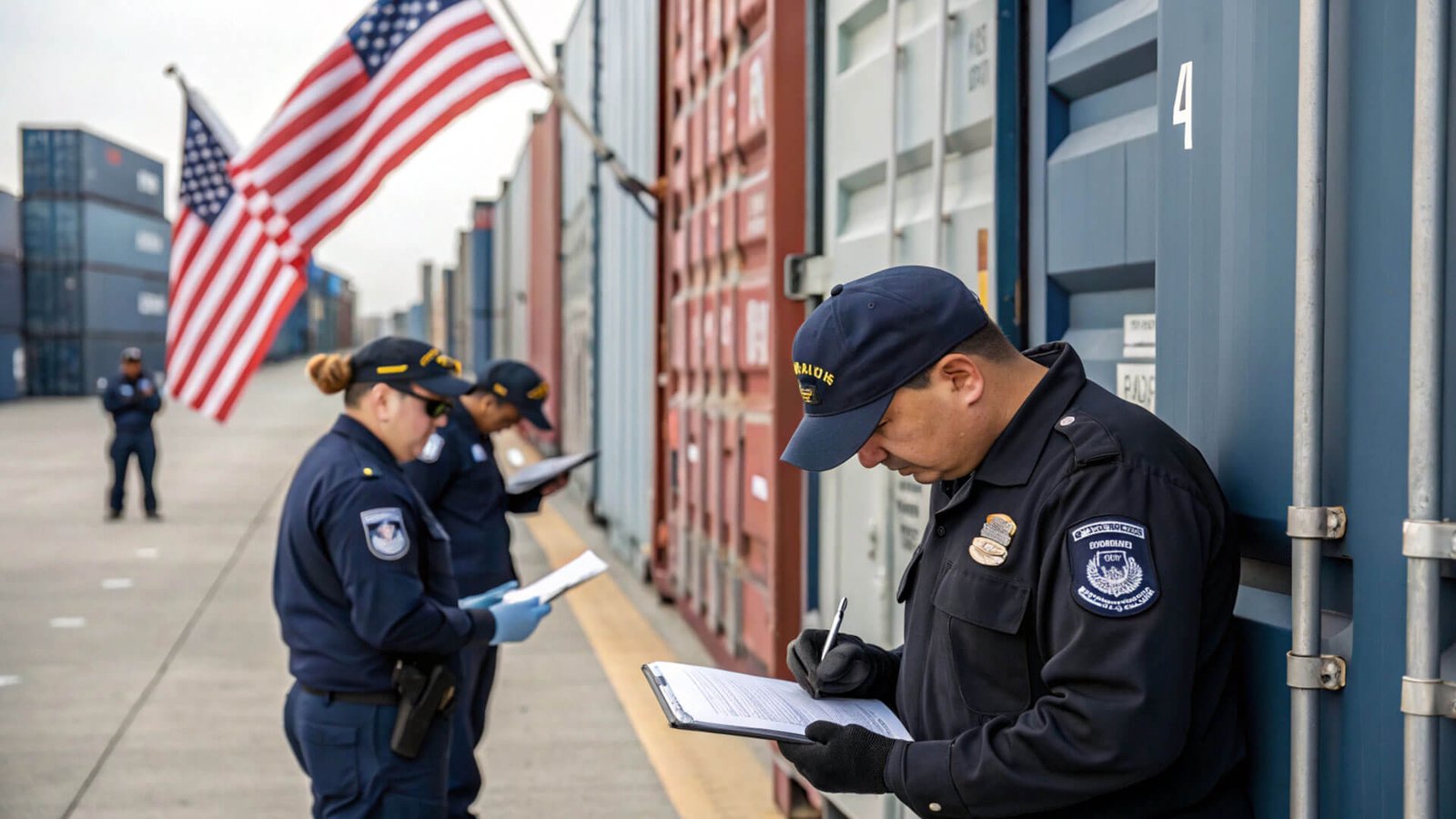
Awareness of specific NTBs can help you navigate the complexities of international trade. Understanding how to mitigate these barriers is critical to your success as an importer.
How Importers Can Anticipate, Mitigate, and Manage Non-Tariff Barriers in Global Trade?
Anticipation is key when dealing with NTBs. Importers can take proactive steps to minimize the impact of these barriers. By preparing in advance, you can avoid the pitfalls of unexpected delays and costs.
Importers manage NTBs by identifying applicable regulations early, aligning product classification and documentation, and coordinating with brokers and regulators before shipment. Proactive compliance planning—rather than reacting at the port—reduces delays, inspection risk, and unexpected costs caused by non-tariff barriers.
The right strategies can make a huge difference in your operation. By being proactive and informed, you can navigate the complexities of non-tariff barriers effectively.
Conclusion
Understanding NTBs is essential for successful import operations. By anticipating and managing these barriers, you can mitigate risks and save costs.
Exploring compliance costs helps importers budget effectively and prepare for the financial impact of NTBs. ↩
Learning about technical standards can help importers ensure their products meet necessary regulations, avoiding delays. ↩
Understanding these rules is vital for importers dealing with agricultural and food products to prevent shipment holds. ↩
Import licensing is a key NTB that can delay shipments; knowing its requirements helps importers streamline processes. ↩
Customs procedures can cause significant delays; understanding them helps importers expedite clearance. ↩
Managing compliance risk is essential for importers to avoid costly delays and ensure smooth operations. ↩
FDA holds can disrupt supply chains; knowing how to handle them is crucial for food importers. ↩
Ensuring product safety certifications are in place helps importers avoid regulatory issues and delays. ↩