The logistics landscape is changing fast. The way companies source freight capacity1 can determine their success or failure.
Logistics procurement is the process of sourcing and securing freight capacity1 across ocean, air, and inland transport. For importers, capacity—not price alone—is the strategic risk2. When markets tighten, lack of capacity leads to delays, premium costs, and missed sales, making procurement a core supply-chain function.
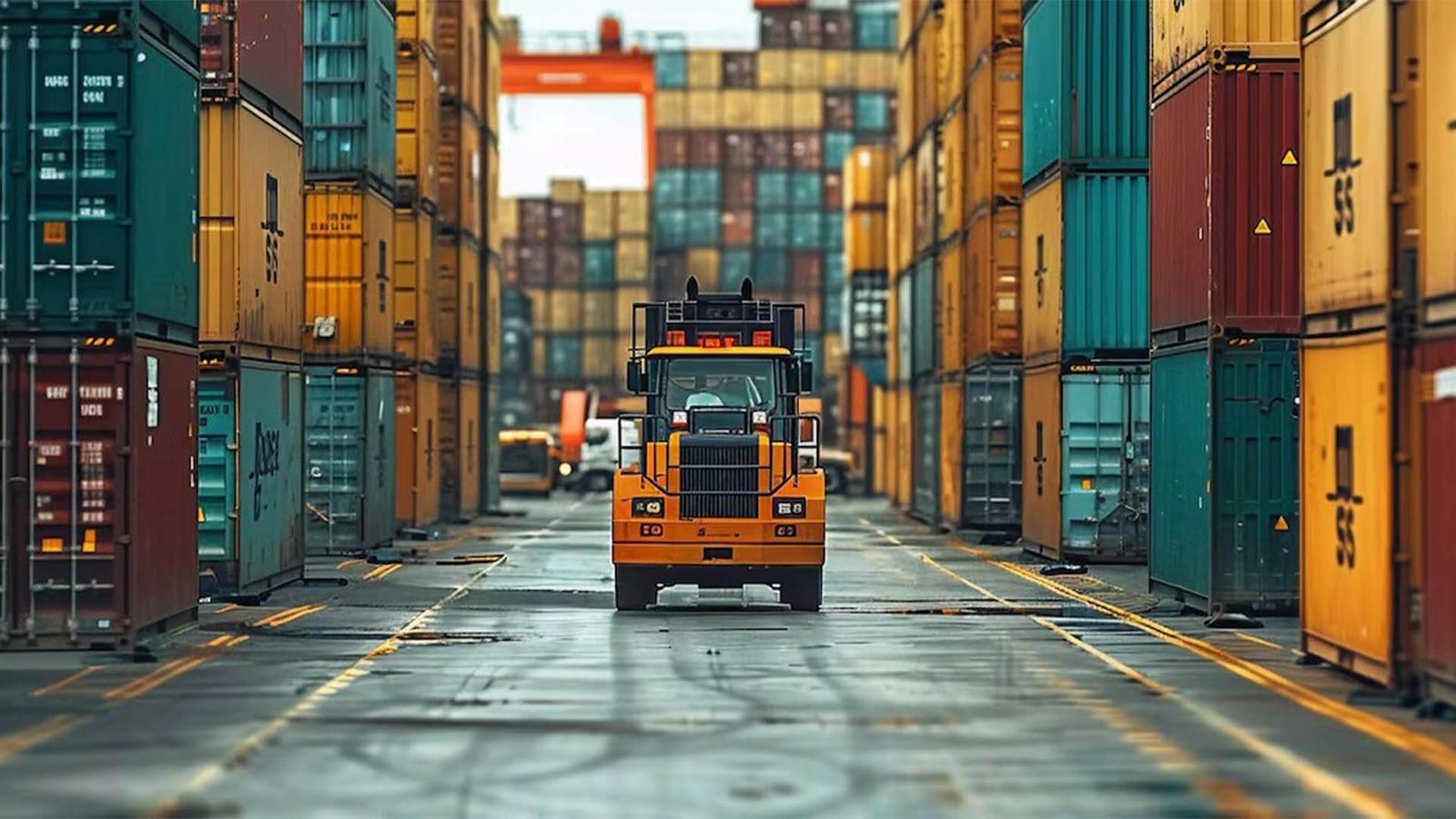
When I began navigating the complexities of logistics procurement3, I quickly realized that it was not just about getting the best price. The risk of inadequate freight capacity1 could jeopardize entire business operations. Understanding the nuances of sourcing freight capacity4y](https://www.freightcenter.com/top-6-factors-impacting-freight-capacity/)%%%FOOTNOTE_REF_1%%% is crucial for any importer.
What Logistics Procurement Means for Importers and Why Freight Capacity Is a Strategic Risk?
Logistics procurement is more than a task; it's a strategic operation.
Logistics procurement is the process of sourcing and securing freight capacity1 across ocean, air, and inland transport. For importers, capacity—not price alone—is the strategic risk2. When markets tighten, lack of capacity leads to delays, premium costs, and missed sales, making procurement a core supply-chain function.

Importers need to be aware that the freight landscape is highly volatile. Factors like changing demand, unexpected events, and capacity constraints can significantly impact operations. For instance, I once faced a situation where a sudden spike in demand overwhelmed our capacity. It was a wake-up call that highlighted the importance of having a robust logistics procurement3 strategy in place.
In our procurement strategy, we prioritize understanding market dynamics5 and the various factors that can affect freight capacity1. This awareness allows us to navigate challenges effectively.
How Companies Source Freight Capacity Through Contracts, Spot Markets, and Hybrid Models?
To optimize sourcing, companies often use three primary methods: contracts, spot markets, and hybrid models6.
Importers source capacity through long-term contracts, short-term spot bookings, or hybrid models combining both. Contracts provide stability, spot markets offer flexibility, and hybrids balance cost with responsiveness. The right mix depends on volume predictability, seasonality, and tolerance for price volatility.
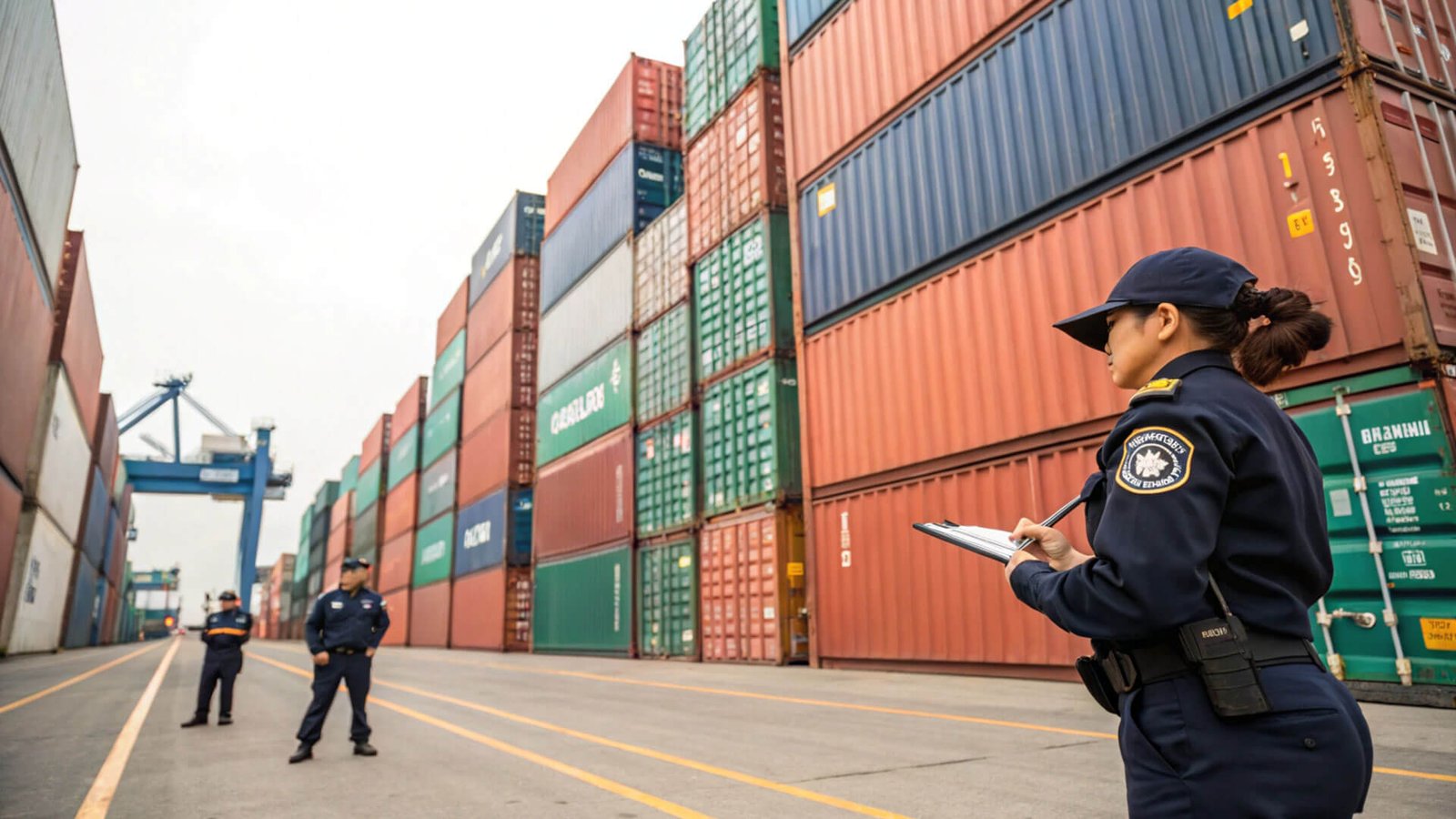
Using a combination of contracts and spot bookings can create a balanced procurement strategy. Long-term contracts help ensure stability, while spot market opportunities can be leveraged for immediate needs. I remember negotiating a long-term contract that ultimately saved us costs during peak seasons, despite the fluctuations in the spot market.
For many importers, understanding the distinction between these options is crucial. Contracts ensure predictable costs, while spot markets can provide flexibility for urgent needs. A hybrid approach often enables companies to navigate the complexities of their unique freight demands effectively.
What Market Signals and Data Importers Use to Secure Capacity at the Right Time?
Data plays a critical role in determining the right time to secure freight capacity1.
Importers rely on market indicators such as rate trends7, carrier utilization, seasonal demand, and port congestion to time procurement decisions. Using data to anticipate tightening or loosening markets helps companies lock in capacity earlier, avoid premium pricing, and reduce exposure to sudden disruptions.

Throughout my experience, I have learned to trust data. By analyzing trends and signals, I can make informed decisions that lead to better procurement outcomes. For instance, observing a trend of rising rates led me to secure capacity earlier than usual, allowing us to avoid unexpected costs later.
Effective data utilization not only helps us choose the right moment to book freight but also allows us to gauge market behaviors. By continuously monitoring these indicators, importers can position themselves ahead of their competition.
How Technology and Freight Platforms Change the Way Capacity Is Procured?
Technology is transforming logistics procurement3.
Digital freight platforms improve visibility into available capacity, rates, and performance. They enable faster sourcing, dynamic pricing comparisons, and automated tendering. For importers, technology reduces manual procurement effort while expanding access to carriers, especially during volatile or capacity-constrained markets.
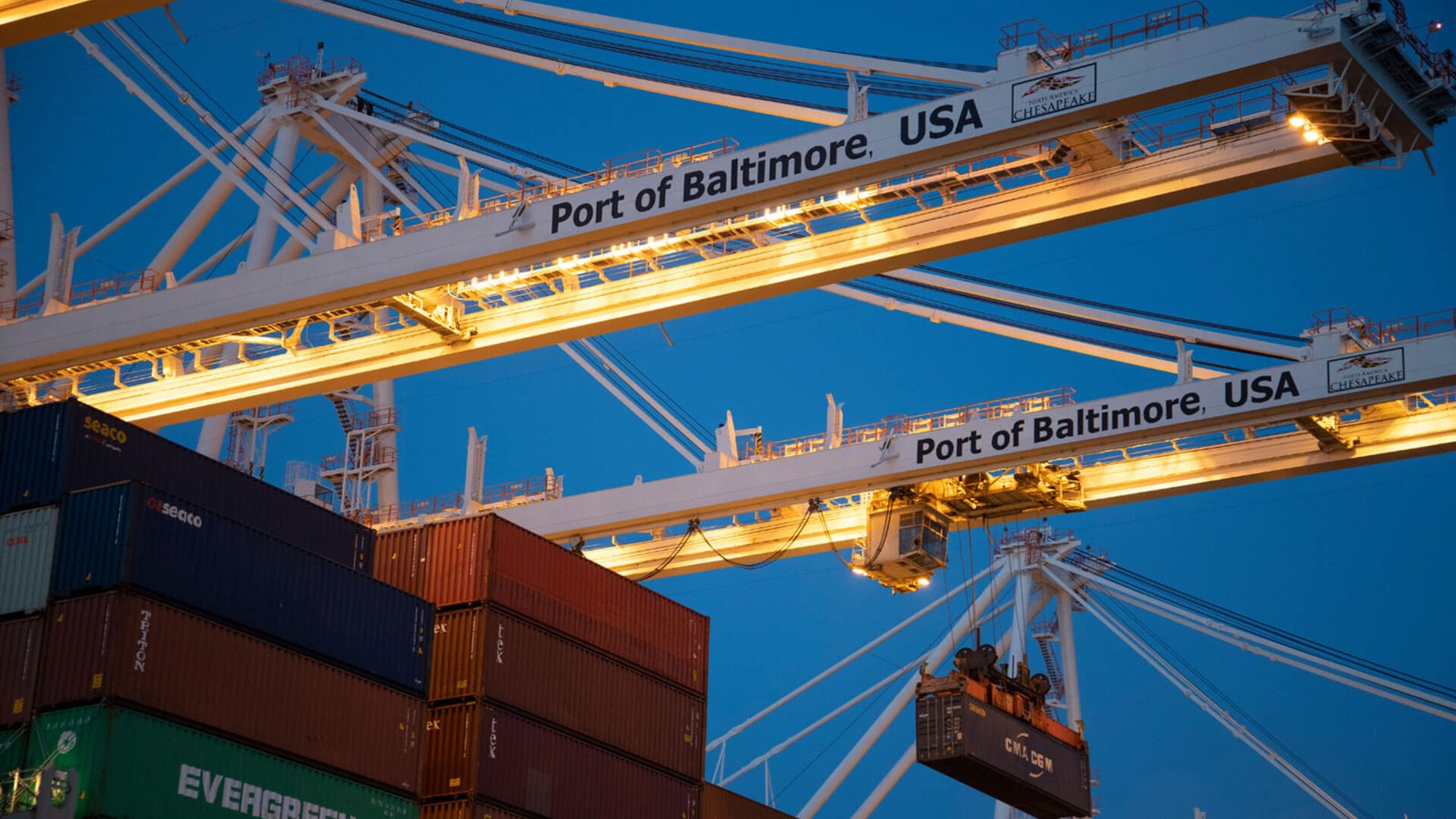
The advent of digital platforms has streamlined our procurement process significantly. These platforms provide a wealth of information at our fingertips, enabling quick comparisons and efficient sourcing. I recall a project where using a digital freight platform allowed us to secure a critical shipment within hours, a feat that would have taken days before.
With technology, importers can harness real-time data, making it easier to adapt to market conditions. This capability is invaluable, especially when navigating challenging logistics environments.
How Importers Build Resilient Capacity Strategies Across Ocean, Air, and Inland Transport?
Building a resilient capacity strategy8 is essential for today’s importers.
Resilient importers diversify carriers, modes, and routes9 while aligning procurement with demand forecasts10. By spreading volume across contracts, spot options, and digital channels, companies reduce dependency on single providers and maintain continuity when disruptions or demand spikes impact capacity availability.
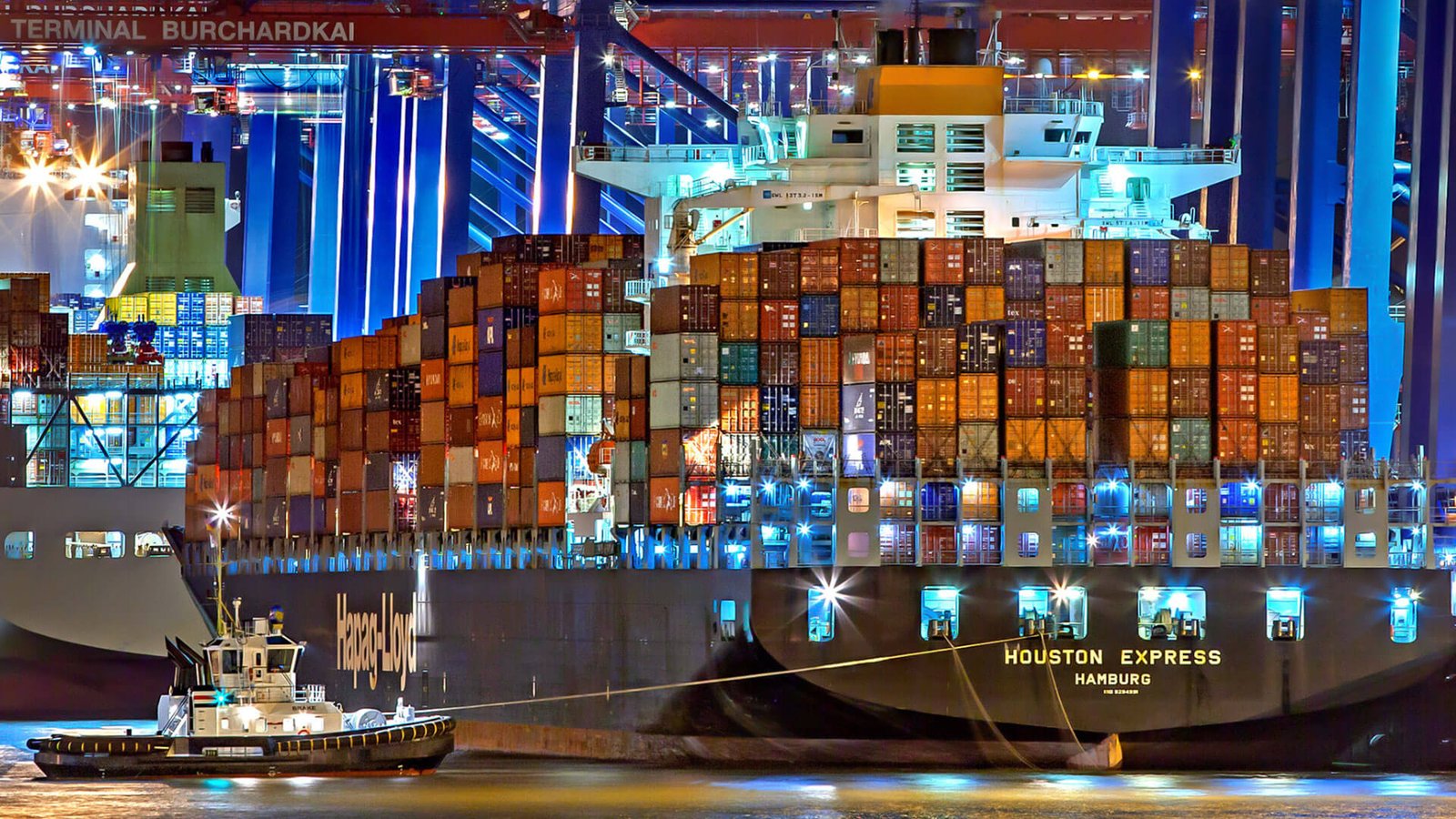
In my journey, I learned the importance of resilience in logistics. By diversifying our options—using a mix of carriers and routes—we've avoided potential disruptions that could impact our supply chain. A strong capacity strategy not only protects against unforeseen events but also allows for better adaptability in fluctuating markets.
A resilient strategy includes spreading procurement across various channels and adjusting based on demand forecasts10. This approach not only reduces risks but also positions importers to respond swiftly to market changes.
📊 Contract vs Spot vs Digital Platform — Capacity Sourcing Comparison
| Type | Cost Stability | Capacity Security | Flexibility | Best for |
|---|---|---|---|---|
| Contract Freight | High | High | Low | Predictable volumes and long-term planning |
| Spot Market Freight | Low | Variable | High | Short-term needs and demand spikes |
| Digital Freight Platforms | Medium | Medium | High | Rapid sourcing and volatile markets |
🔁 Logistics Procurement Workflow (Importer View)
-
Forecast
→ Demand planning and volume projections -
Procurement
→ Contract negotiation, spot sourcing, platform access -
Capacity Allocation
→ Assign volumes across carriers and modes -
Execution
→ Bookings, shipment movement, and monitoring -
Review
→ Performance analysis, cost review, and strategy adjustment
Conclusion
Understanding logistics procurement3 is essential for importers. A solid strategy minimizes risks and maximizes efficiency.
Freight capacity is a strategic risk for importers, affecting costs, delays, and sales, making it vital to understand its impact. ↩
Recognizing freight capacity as a strategic risk helps importers prioritize it over price, ensuring better supply chain management. ↩
Understanding logistics procurement is crucial for importers to minimize risks and ensure efficient supply chain operations. ↩
Effective sourcing of freight capacity is essential for importers to avoid delays and premium costs, ensuring smooth operations. ↩
Understanding market dynamics allows importers to navigate challenges and optimize their logistics procurement strategies. ↩
Exploring these sourcing methods helps importers balance stability, flexibility, and cost in their logistics strategies. ↩
Monitoring rate trends helps importers secure capacity at the right time, avoiding premium pricing and disruptions. ↩
Building a resilient capacity strategy helps importers mitigate risks and adapt to market fluctuations effectively. ↩
Diversification reduces dependency on single providers, ensuring continuity and flexibility in logistics operations. ↩
Aligning procurement with demand forecasts helps importers optimize capacity allocation and reduce risks. ↩