The Last Free Day (LFD)1 could be the difference between a smooth shipping process and a costly delay.
Last Free Day (LFD)1 is the last calendar day an importer can store a container at the port without incurring demurrage charges2. It is calculated based on vessel discharge date3 and varies by carrier, port, and contract.
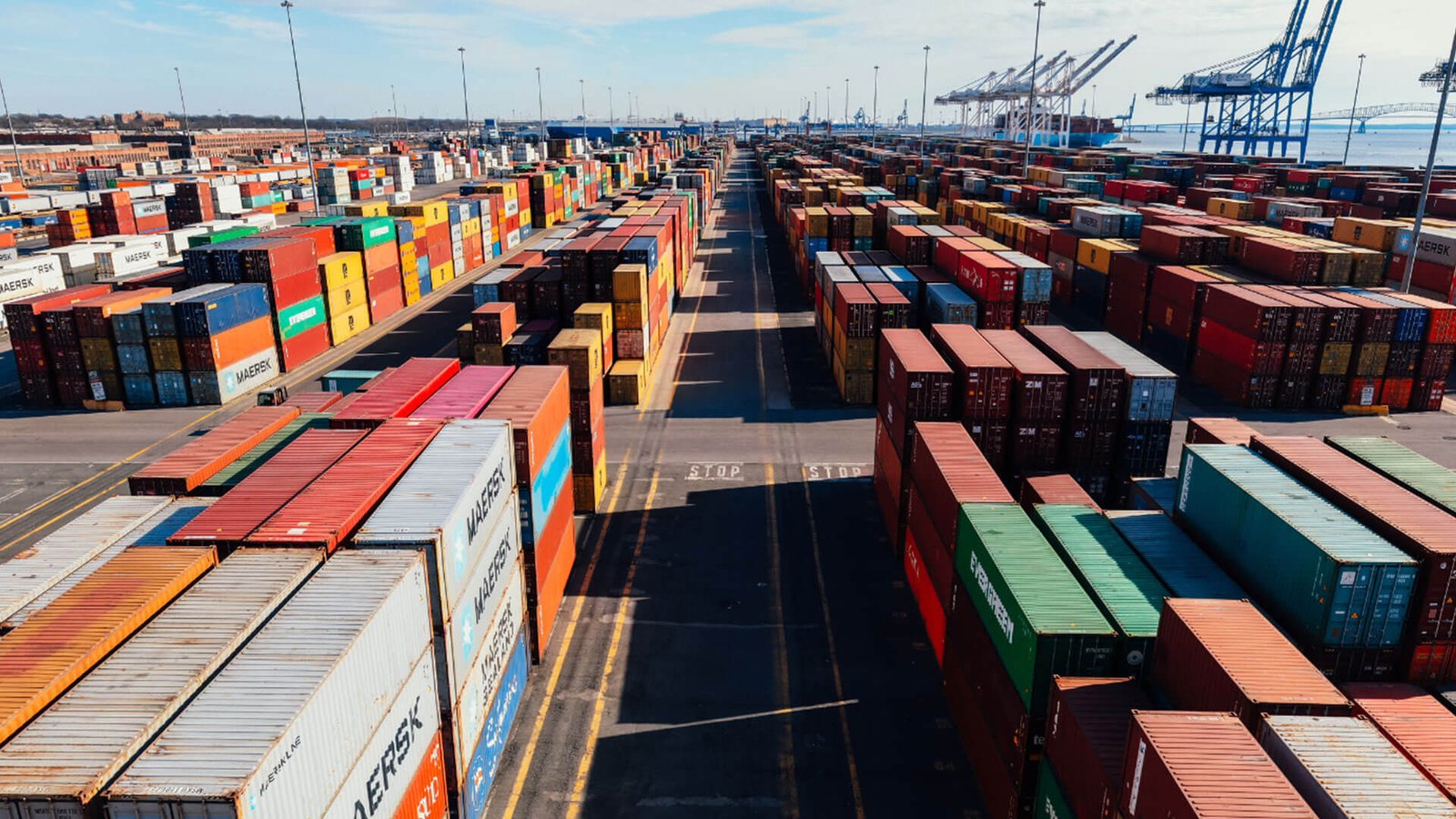
LFD is a crucial concept that every importer needs to understand. It can affect your bottom line significantly. If you're not aware of how it works, you may incur unnecessary expenses that could have been avoided. So, let's dive into this important topic.
What Last Free Day (LFD)1 Means in Ocean Imports and How It Is Calculated?
LFD is a critical factor in ocean imports. It determines how long you can keep your container at the port without facing extra charges.
The Last Free Day refers to the last day you can store your container at the port before demurrage fees kick in. It's calculated based on the vessel discharge date3, terminal free-time rules4, weekends, and holidays. Each carrier or port may have different rules for LFD, so it's essential to be aware of these to avoid unexpected costs.
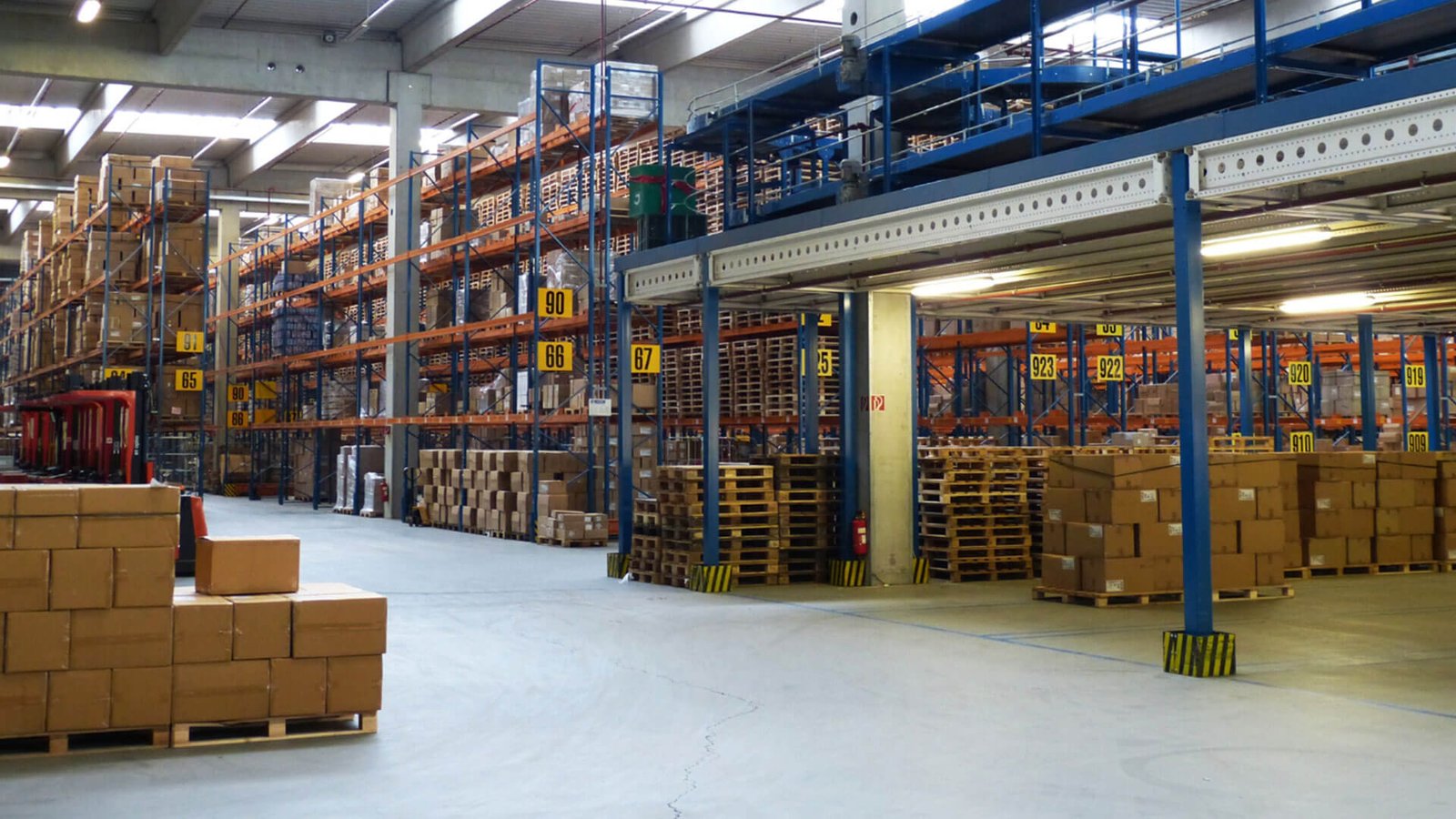
Understanding how to calculate LFD is essential for managing your shipping schedule effectively. When a vessel arrives at the port, the clock starts ticking. The free time can vary based on several factors, including port regulations, the shipping line contract, and the type of cargo being imported.
Key Factors in LFD Calculation
- Vessel Discharge Date: The day your container is unloaded from the ship marks the beginning of the LFD countdown.
- Free-Time Rules: Different terminals may offer various free-time allowances.
- Weekends and Holidays: These can impact how free days are counted, as some terminals may not count these days as free days.
Being proactive about understanding LFD can help you avoid penalties.
Why Missing the Last Free Day Triggers Demurrage, Detention, and Cascading Import Costs?
Missing the LFD can lead to significant costs for importers, and it’s critical to grasp the financial implications.
When you miss the Last Free Day, you will incur demurrage fees immediately from the terminal. This can escalate to detention or per diem fees once the container leaves the port. These costs can quickly add up, disrupting cash flow, delaying deliveries, and eroding your margins.

Understanding the financial exposure is vital. Each day that passes after the LFD can lead to increasing charges that far exceed the initial ocean freight rate. For instance, if your container sits at the terminal for just a couple of extra days, these charges can spiral out of control, creating a cascading effect on your overall shipping costs.
Financial Breakdown
- Demurrage: Charged by the terminal when containers exceed free time.
- Detention Fees: Apply once the container has been picked up but not returned on time.
- Total Impact: Cumulatively, these charges can create a significant financial burden and impact your supply chain efficiency.
Being aware of these costs can encourage better planning and timely decision-making.
How LFD Is Affected by Vessel Arrival, Customs Clearance, Exams, and Terminal Operations?
LFD doesn’t operate in a vacuum. It’s affected by various logistical factors that can be outside of your control.
Several events can influence LFD, such as late vessel arrivals, customs holds5, exams conducted by Customs and Border Protection (CBP), and terminal congestion6. Even if your freight arrives on time, delays in customs clearance can consume precious free time.

Here are the main factors that can lead to LFD challenges:
Key Influences on LFD
- Late Vessel Arrival: If a vessel arrives later than expected, the start of the free time is delayed.
- Customs Holds & Exams: Customs processes can create bottlenecks, affecting your ability to pick up your container on time.
- Terminal Congestion: Busy terminals can lead to delays in processing and release of containers, eating into your free time.
These factors underscore the importance of being proactive and anticipating potential delays.
The Most Common Reasons U.S. Importers Miss LFD—and How to Prevent Them
Most importers miss the LFD due to various operational failures.
Common reasons include poor visibility into shipping schedules, late document submissions, customs clearance delays, trucking capacity issues7, and miscommunication with terminals. To prevent missing LFD, you must track your shipments proactively and ensure all processes are aligned.
Strategies for Prevention
- Improve Visibility: Utilize tracking systems for real-time updates on your shipments.
- Early Document Submission: Ensure all necessary documentation is submitted ahead of time to avoid customs delays.
- Align Trucking Plans: Coordinate with your trucking providers to ensure timely pickups.
Taking these steps can help you regain control over your shipping process and avoid unnecessary penalties.
How Proactive LFD Management Protects Cash Flow and Keeps Imports Moving
Effective management of LFD is essential for protecting your cash flow.
By actively managing LFD, you can avoid unnecessary port penalties and stabilize your landed costs. This means keeping your operations running smoothly and ensuring timely deliveries. Proactive planning can help reduce risk exposure.
Actionable Management Strategies
- Coordinate Customs Clearance and Drayage: Work with your logistics partners to ensure that customs clearance and drayage pickup are scheduled in a way that respects LFD.
- Establish Clear Timelines: Create a timeline for container return to avoid detention charges.
- Regular Communication: Maintain open lines of communication with all parties involved in your logistics chain.
Taking these actions can enhance your ability to manage LFD effectively, ensuring that your imports keep moving and your cash flow remains stable.
Conclusion
Understanding and managing the Last Free Day (LFD)1 is essential for U.S. importers to avoid unnecessary costs and delays.
Understanding LFD is crucial for importers to avoid demurrage charges and manage shipping schedules effectively. ↩
Demurrage charges can significantly impact shipping costs, so it's important to know how they are applied and how to avoid them. ↩
The vessel discharge date is key in calculating LFD, affecting how long containers can stay at the port without extra fees. ↩
Knowing terminal free-time rules helps importers plan their logistics to avoid unexpected storage fees. ↩
Customs holds can delay container pickup, affecting LFD and potentially leading to additional charges. ↩
Terminal congestion can delay container processing, affecting free time and leading to demurrage charges. ↩
Trucking capacity issues can delay container pickups, risking missed LFD and incurring extra fees. ↩