The ISF filing deadline1 can make or break your shipment process. Ignoring it can lead to hefty penalties that add up quickly and complicate your logistics.
To avoid penalties, the Importer Security Filing (ISF) must be submitted to U.S. Customs and Border Protection2 no later than 24 hours before cargo is loaded3 onto a vessel bound for the U.S. Filing after vessel loading is considered late and exposes importers to penalties, even if the shipment has not yet arrived.
It's crucial to understand the importance of timely ISF filing. Missing the deadline can lead to increased scrutiny4, delays, and even financial penalties. Knowing the rules and following them diligently can save you time and money.
What the ISF Filing Deadline Is and Why It Must Be Met Before Cargo Is Loaded on the Vessel?
The ISF filing deadline1 is a critical date in the shipping process. It dictates when your Importer Security Filing must be submitted to ensure compliance. If you're wondering why this deadline is so important, it's simple: timely filing allows U.S. Customs to assess risk5 and make necessary security arrangements before your goods enter the country.
Importers must file the ISF at least 24 hours before the vessel's loading. This allows Customs ample time to review the data and assess potential risks, ensuring security and compliance. Failure to meet this deadline can result in severe penalties.
To help you understand this better, consider a scenario where you miss the ISF deadline. Your cargo may become subject to delays, additional inspections, and, ultimately, financial penalties. The 24-hour window is not just a guideline; it's a legal requirement that can have immediate repercussions.
Who Is Legally Responsible for Filing ISF and What Data Importers Must Provide on Time?
The responsibility for filing the ISF lies with the importer of record6. This individual or entity must ensure that the filing is accurate and timely, regardless of whether they're using a broker for submission. Importers must provide essential data to facilitate the filing process.
The importer of record6 is legally responsible for ISF accuracy and timeliness, even when a broker files on their behalf. Importers must provide critical data7—such as seller, buyer, manufacturer, and stuffing location—early enough for filing before vessel loading. Missing or late data is the importer’s liability.

Missing data or late submissions can lead to compliance issues. It's essential to have a checklist of required data elements. Common data points include the name and address of the seller, buyer, manufacturer, and the stuffing location.
| Data Element | Required Info |
|---|---|
| Seller | Name and address |
| Buyer | Name and address |
| Manufacturer | Name and address |
| Stuffing Location | Address of where goods were packed |
Having this information ready before vessel loading helps ensure smooth processing.
What Happens When ISF Is Filed Late, Incorrectly, or Not Filed at All?
When the ISF is filed late, incorrectly, or not at all, the implications can be serious. U.S. Customs takes these violations seriously. They enforce penalties that can significantly impact your business.
Late, inaccurate, or missing ISF filings can result in penalties of up to $5,0008 per violation, increased inspection rates, cargo holds, or liquidated damages. Even corrected filings may still be penalized if submitted after vessel loading, making prevention far more effective than post-arrival mitigation.
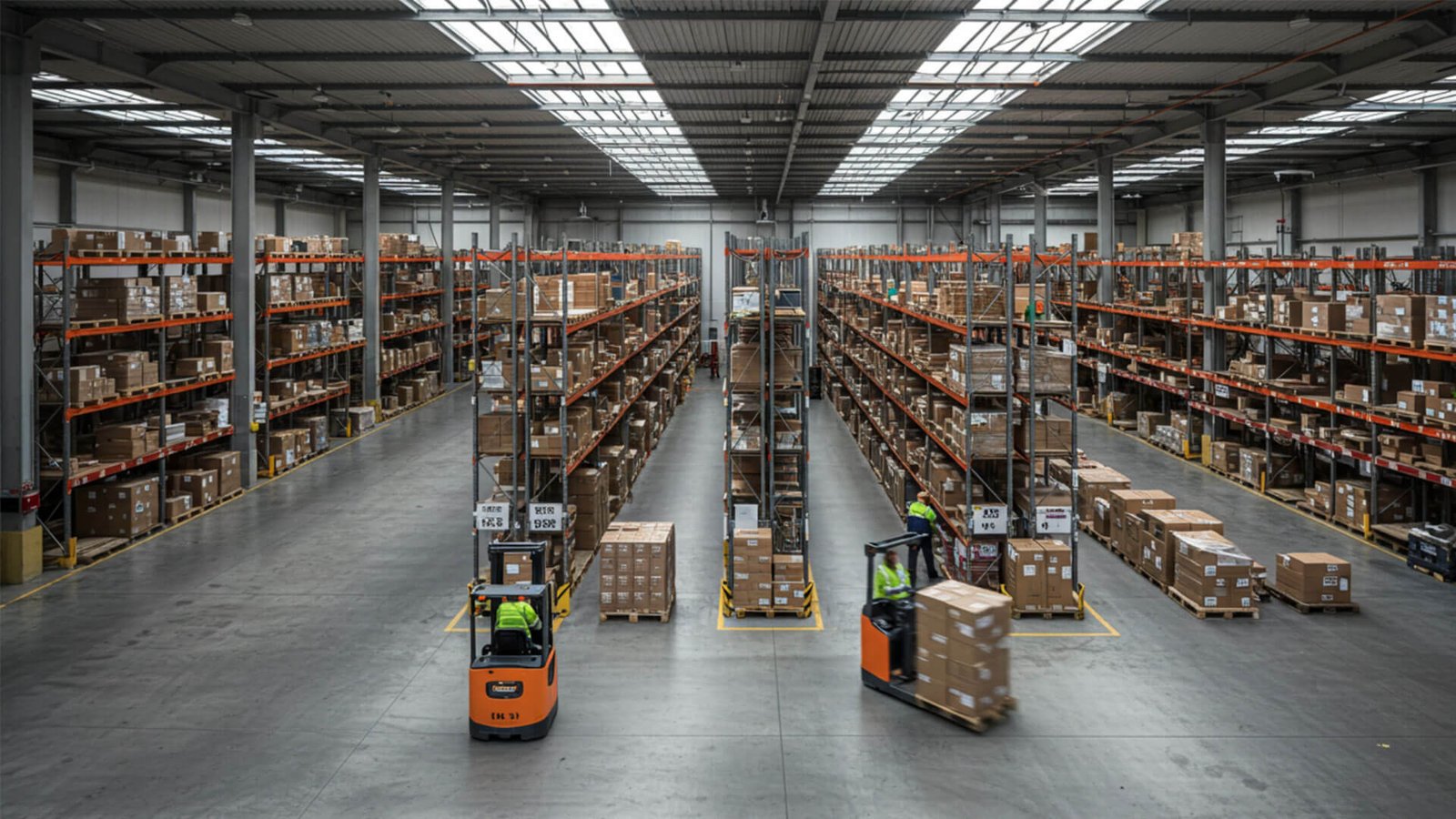
When an ISF is late or incorrect, the financial implications can be substantial. Timely and accurate filing is crucial to mitigate risks associated with compliance violations. Familiarize yourself with the common pitfalls that can lead to these issues.
| Violation Type | Penalty Potential |
|---|---|
| Late Filing | Up to $5,000 per violation |
| Incorrect Filing | Potential liquidated damages |
| No Filing | Significant fines and inspections |
Understanding these risks can help motivate your team to stay compliant.
What Common ISF Filing Mistakes Trigger Penalties and Customs Enforcement?
ISF filing errors can lead to severe penalties. Many importers face challenges in meeting compliance requirements, often due to common mistakes. Recognizing these pitfalls is essential for avoiding penalties.
Common ISF errors include late transmission9, incorrect manufacturer or stuffing location details, mismatched bill of lading numbers, and relying on incomplete supplier data. Most penalties stem from timing failures, not intent. Importers who wait for final documents often miss the filing window entirely.
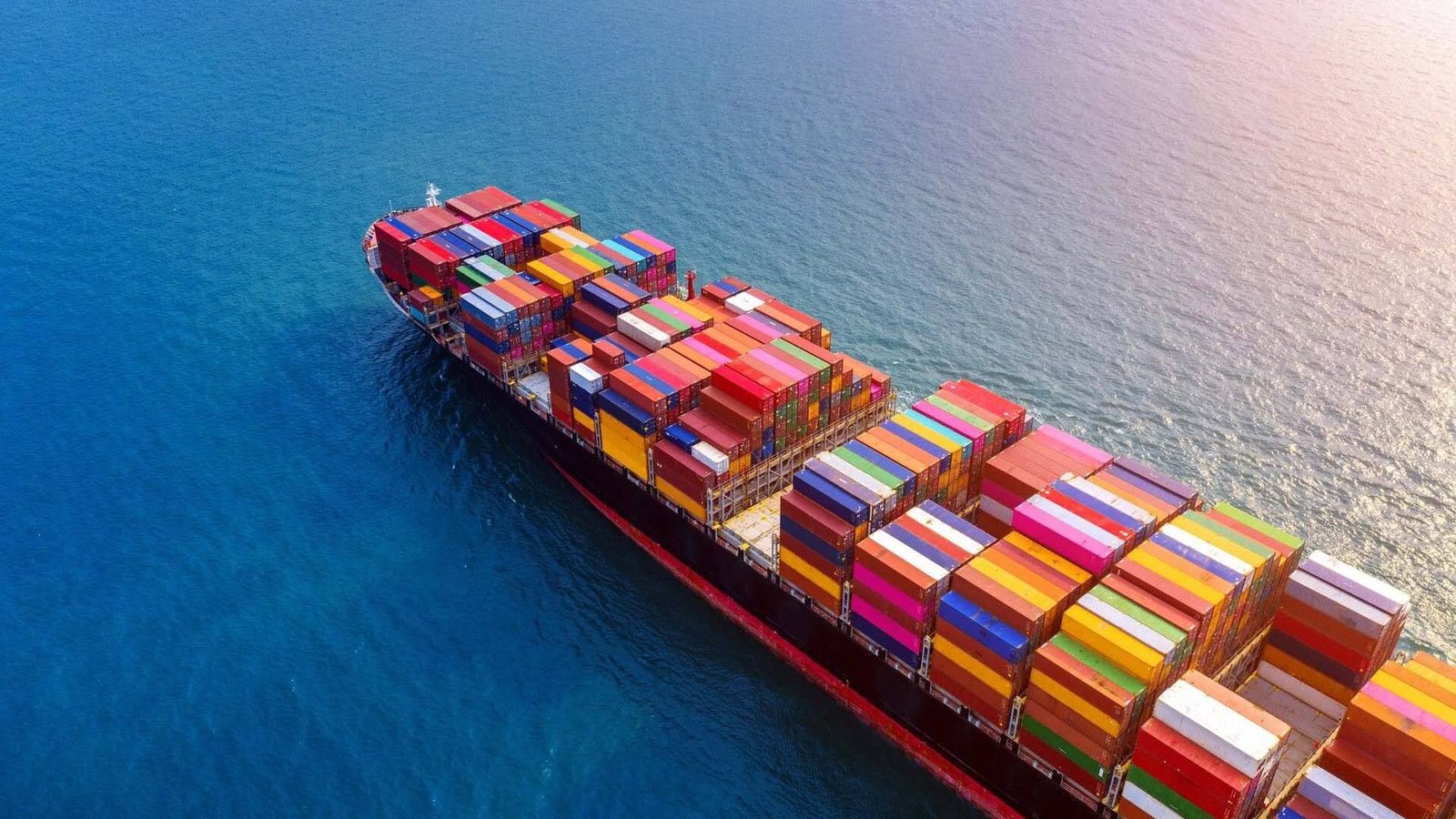
Importers should take proactive measures to avoid these mistakes. For instance, ensure that your data is accurate by verifying supplier information. By treating ISF filing as a priority task, you can avoid unnecessary penalties.
| Common Mistake | Prevention Strategy |
|---|---|
| Late Transmission | File as soon as data is available |
| Incorrect Data | Double-check all information |
| Incomplete Data | Gather all necessary documents early |
By implementing these strategies, you can minimize the risk of errors.
How Importers Can Consistently Avoid ISF Penalties Through Proper Planning and Broker Coordination?
To consistently avoid ISF penalties, importers must adopt a proactive approach. This involves careful planning and effective communication with customs brokers.
Importers avoid ISF penalties by collecting data at booking, validating supplier information early, and coordinating closely with their customs broker. Treating ISF as a pre-departure compliance milestone—rather than a paperwork task—ensures filings occur before vessel loading and minimizes enforcement risk.

Effective coordination with your broker can significantly enhance your compliance efforts. Begin gathering data as soon as you book your shipment. Validate supplier details well in advance, ensuring you have everything needed for a timely ISF filing.
📊 ISF Deadline vs Data Availability vs Risk
| Data Availability | Filing Timing | Penalty Risk | Operational Impact |
|---|---|---|---|
| Early Data Available | On time | Low | Predictable clearance |
| Partial Data Available | At risk | Moderate | Increased monitoring |
| Late or Missing Data | Late | High | Penalties, inspections, delays |
🔁 ISF Process Flow10 (How Importers Should Execute)
-
Booking
→ Shipment booked with carrier -
Data Collection
→ Importer gathers ISF data from suppliers -
ISF Filing
→ ISF transmitted to CBP via broker -
Vessel Loading
→ Cargo loaded only after ISF deadline met -
Arrival
→ Cargo arrives with reduced inspection risk
By following these steps and being diligent about the ISF process, you can position your business for success.
Conclusion
The ISF filing deadline1 is non-negotiable. Meeting it can save you from significant penalties and operational headaches.
Understanding the ISF filing deadline is crucial for avoiding penalties and ensuring smooth shipment processes. ↩
Learn how U.S. Customs and Border Protection enforces ISF filing to ensure compliance and security. ↩
Filing ISF 24 hours before loading is a legal requirement to avoid penalties and ensure compliance. ↩
Missing the ISF deadline can lead to increased scrutiny, affecting shipment timelines and costs. ↩
ISF filing allows U.S. Customs to assess risk, ensuring security and compliance before goods enter the U.S. ↩
The importer of record is crucial for ISF accuracy and timeliness, impacting compliance and penalties. ↩
Providing critical data accurately and timely is essential for ISF compliance and avoiding penalties. ↩
Understanding the penalties for ISF filing violations can motivate compliance and prevent financial losses. ↩
Preventing late transmission of ISF is crucial for compliance and avoiding penalties. ↩
Understanding the ISF Process Flow helps importers execute timely filings and avoid penalties. ↩