The world of international trade can be complex and filled with regulations. Understanding when you need an inspection certificate1 is crucial for smooth customs clearance2 and compliance.
An inspection certificate1 is a third-party document3 confirming that goods meet agreed specifications, standards, or regulatory requirements4 before shipment or import. Importers are asked for it to reduce quality risk5, support customs clearance2, satisfy banks or buyers, and prove compliance when authorities or contracts require independent verification6.
In this article, I will guide you through the importance of inspection certificate1s in international trade, detailing their requirements, common practices, and the consequences of not having one. This information will help you navigate the complexities of logistics and compliance so you can avoid costly delays.
What an Inspection Certificate Is in International Trade and Why Importers Are Asked for It?
Every importer should understand what an inspection certificate1 is and why it’s vital. An inspection certificate1 serves as proof that goods meet the necessary quality and compliance standards before they are shipped.
Importers need an inspection certificate1 to ensure that the products they receive match the specifications agreed upon with suppliers. It helps to mitigate risks related to product quality and compliance, which can lead to costly issues if not addressed.
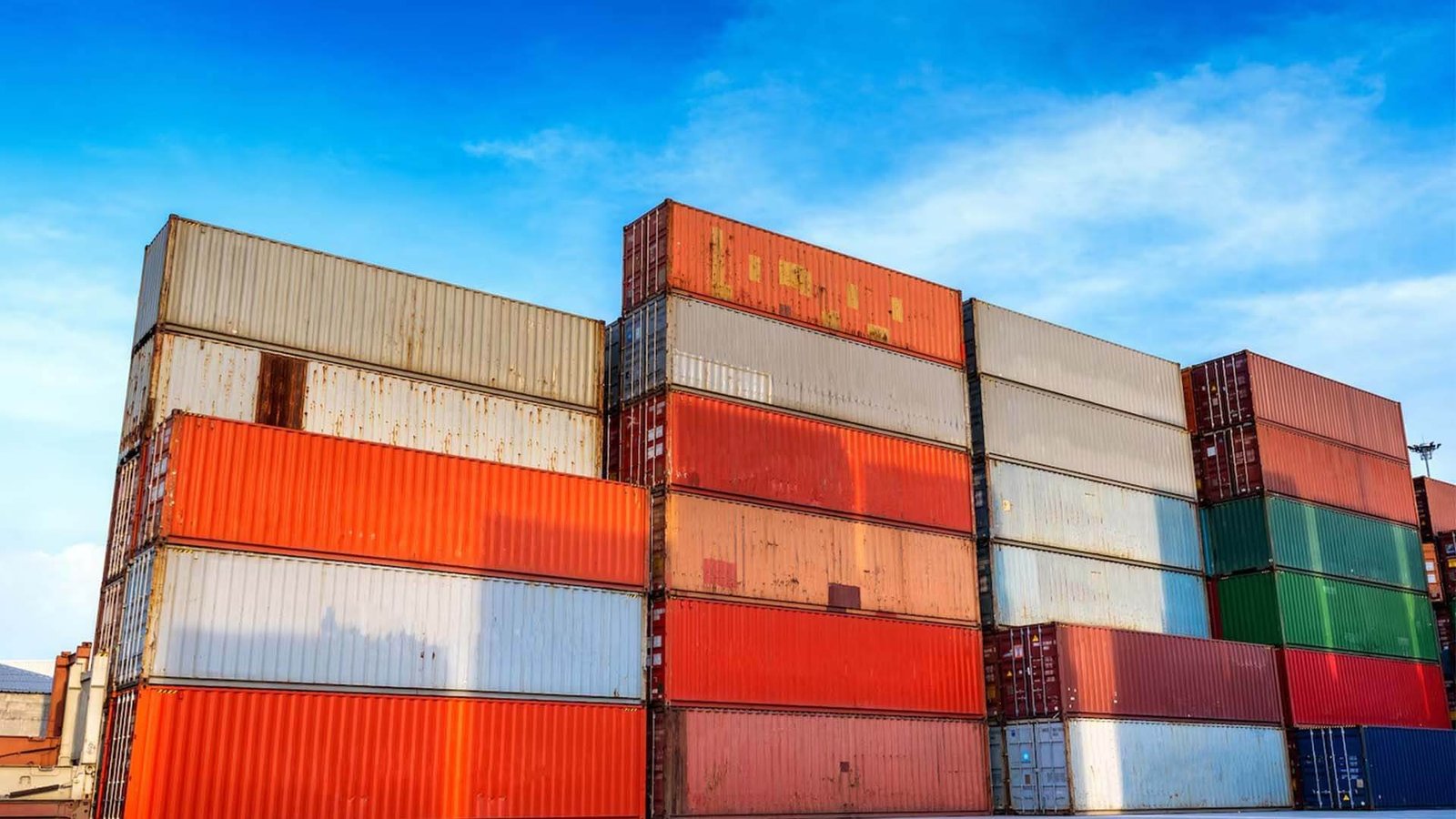
The inspection certificate1 is not just a formality; it is a safeguard against potential disputes. When companies import goods, they want to be sure they are receiving what they paid for. The certificate provides them with confidence that the products have been checked and verified by an independent third party.
Diving deeper into this, the significance of the inspection certificate1 is underscored by various regulatory frameworks. Different countries and industries have specific requirements for inspections based on the products being imported. This means that understanding these requirements is crucial for maintaining compliance and avoiding issues at customs.
| Regulatory Framework | Requirement |
|---|---|
| Food Safety Regulations | Mandatory inspections for food products |
| Electronics Compliance | Certification needed for electronic goods |
| Machinery Safety Standards | Inspections required for heavy machinery |
When an Inspection Certificate Is Mandatory for Customs Clearance, Banking, or Compliance?
Knowing when an inspection certificate1 is mandatory is crucial for importers. The requirement for an inspection certificate1 often depends on specific regulations related to the goods being imported, as well as the terms set forth in contracts or letters of credit7 from banks.
Inspection certificates become mandatory when required by import regulations, product-specific controls8, letters of credit7, or buyer contracts9. Certain countries, commodities, and compliance programs require inspection before shipment or arrival. Without it, importers risk delayed clearance, rejected documents, or refusal of payment by banks.
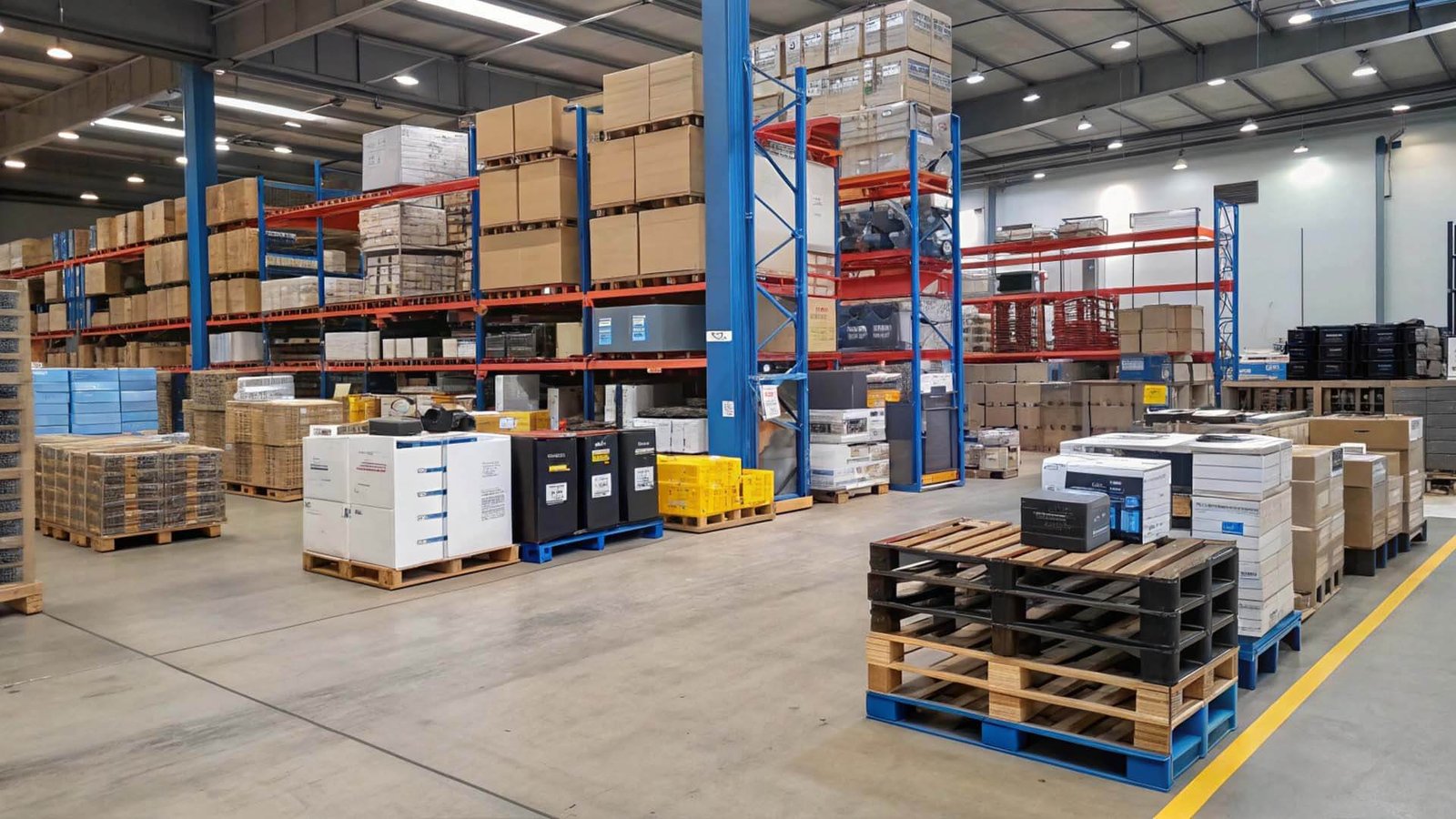
Failure to obtain the necessary inspection certificate1 can result in significant delays in customs clearance2. This means shipments may sit at port longer than expected, leading to costly storage fees and potential penalties from authorities.
To elaborate, various factors can trigger the need for an inspection certificate1. For instance, specific product categories like food or chemical goods often have stringent requirements. These regulations are set to ensure safety and compliance, and failing to adhere to them can lead to severe consequences for importers.
| Trigger | Description |
|---|---|
| Regulatory Requirements | Government mandates inspections for specific products |
| Banking Guidelines | Letters of credit may require certificates for payment |
| Contractual Obligations | Buyer contracts might stipulate inspection requirements |
Which Products Commonly Require Inspection Certificates Before Shipment or Import?
Not all products require an inspection certificate1, but many do, especially those that fall under regulatory scrutiny. Understanding which products typically need this document is vital for importers to avoid delays and additional costs.
Inspection certificates are most common for regulated or high-risk goods10 such as machinery, electronics, food products, chemicals, construction materials, and government-controlled imports. Requirements vary by destination, product classification, and buyer agreement, making early verification critical to avoid last-minute shipment holds.
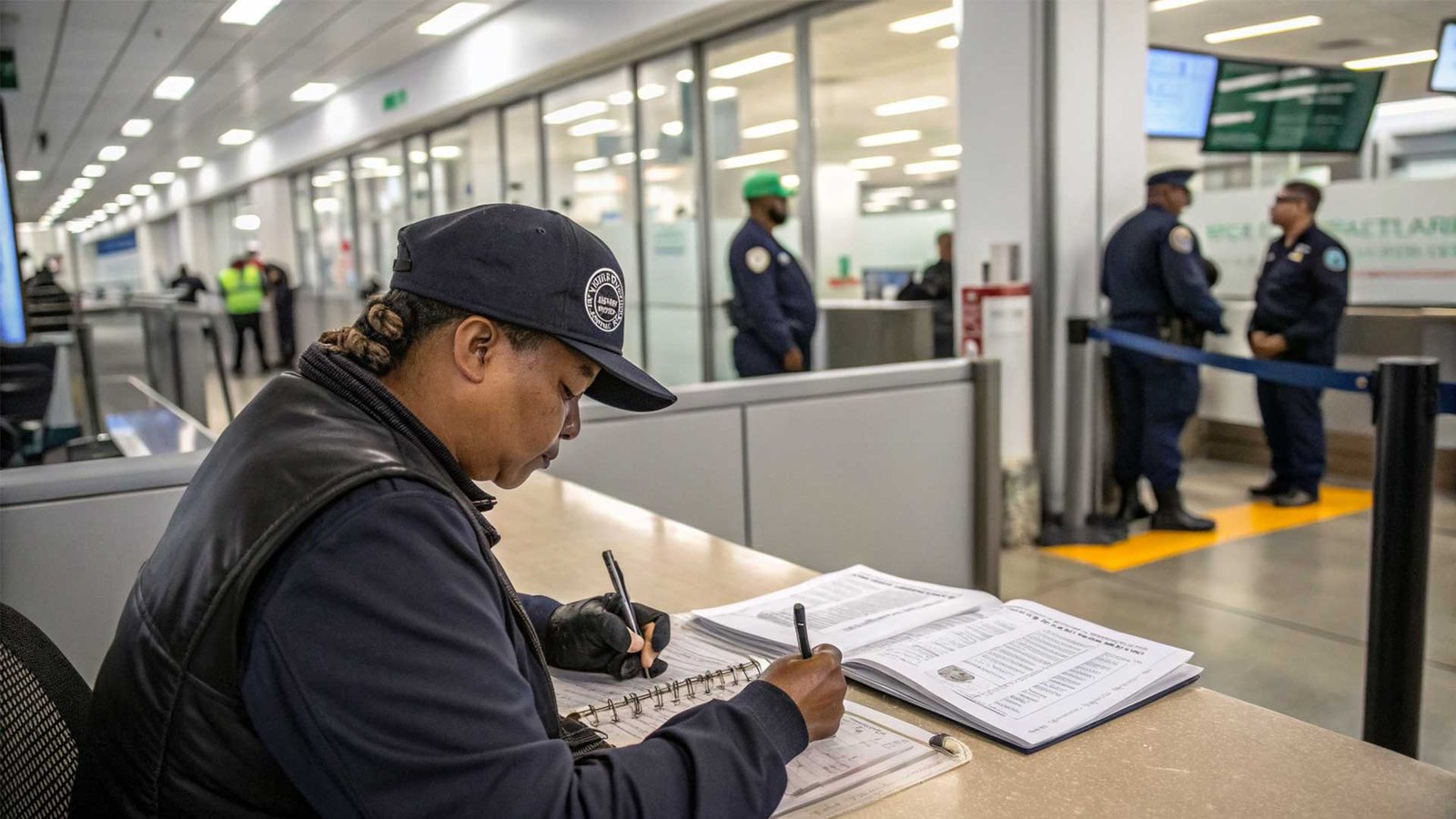
Analyzing specific products, it becomes clear that the risk associated with non-compliance is substantial. For instance, food products often undergo rigorous inspections to ensure safety for consumers. Similarly, chemicals and machinery might be subjected to strict regulations due to potential hazards involved.
Here’s a breakdown of some commonly inspected product categories:
| Product Category | Common Inspection Requirements |
|---|---|
| Food Products | Safety and quality checks required |
| Electronics | Compliance with safety standards and regulations |
| Machinery | Inspection for functionality and safety compliance |
Who Issues Inspection Certificates and How Importers Should Verify Their Validity?
Understanding who issues inspection certificate1s and how to verify them is essential for importers. Not all certificates are created equal, and knowing the source can help prevent future problems.
Inspection certificates are issued by accredited third-party inspection agencies11 or authorized bodies. Importers should verify the issuer’s accreditation, scope, inspection method12, and alignment with regulatory or contractual requirements. Invalid or unrecognized certificates are a common cause of customs challenges and document rejection13.
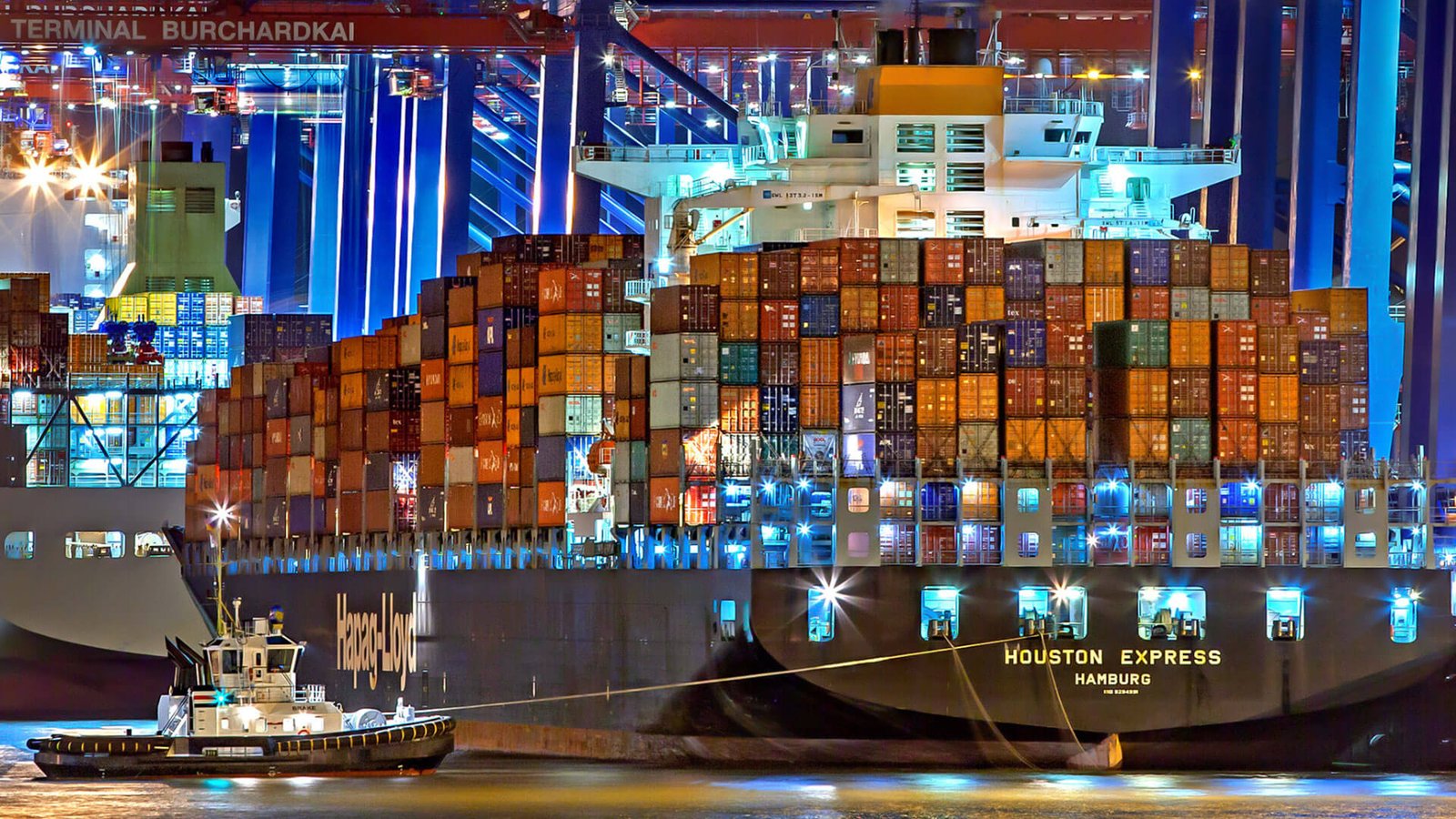
To ensure the validity of an inspection certificate1, importers should take proactive steps. This includes checking the accreditation of the inspection agency and understanding the scope of their services. Many countries have specific agencies recognized for certifying products.
Here’s a simple checklist for importers to verify inspection certificate1s:
| Verification Step | Description |
|---|---|
| Check Accreditation | Ensure the issuing agency is accredited |
| Review Inspection Scope | Confirm the inspection covers all relevant aspects |
| Validate with Authorities | Check if the certificate is recognized by customs |
What Happens If an Inspection Certificate Is Missing, Incorrect, or Rejected by Authorities?
The consequences of lacking an inspection certificate1 can be dire for importers. Missing or incorrect documents can lead to significant financial and logistical ramifications.
If an inspection certificate1 is missing or incorrect, shipments may be delayed, examined, re-inspected, or denied entry. Banks may refuse payment under letters of credit7, and buyers may reject goods. For importers, errors often lead to added costs, storage fees, and compliance scrutiny14.
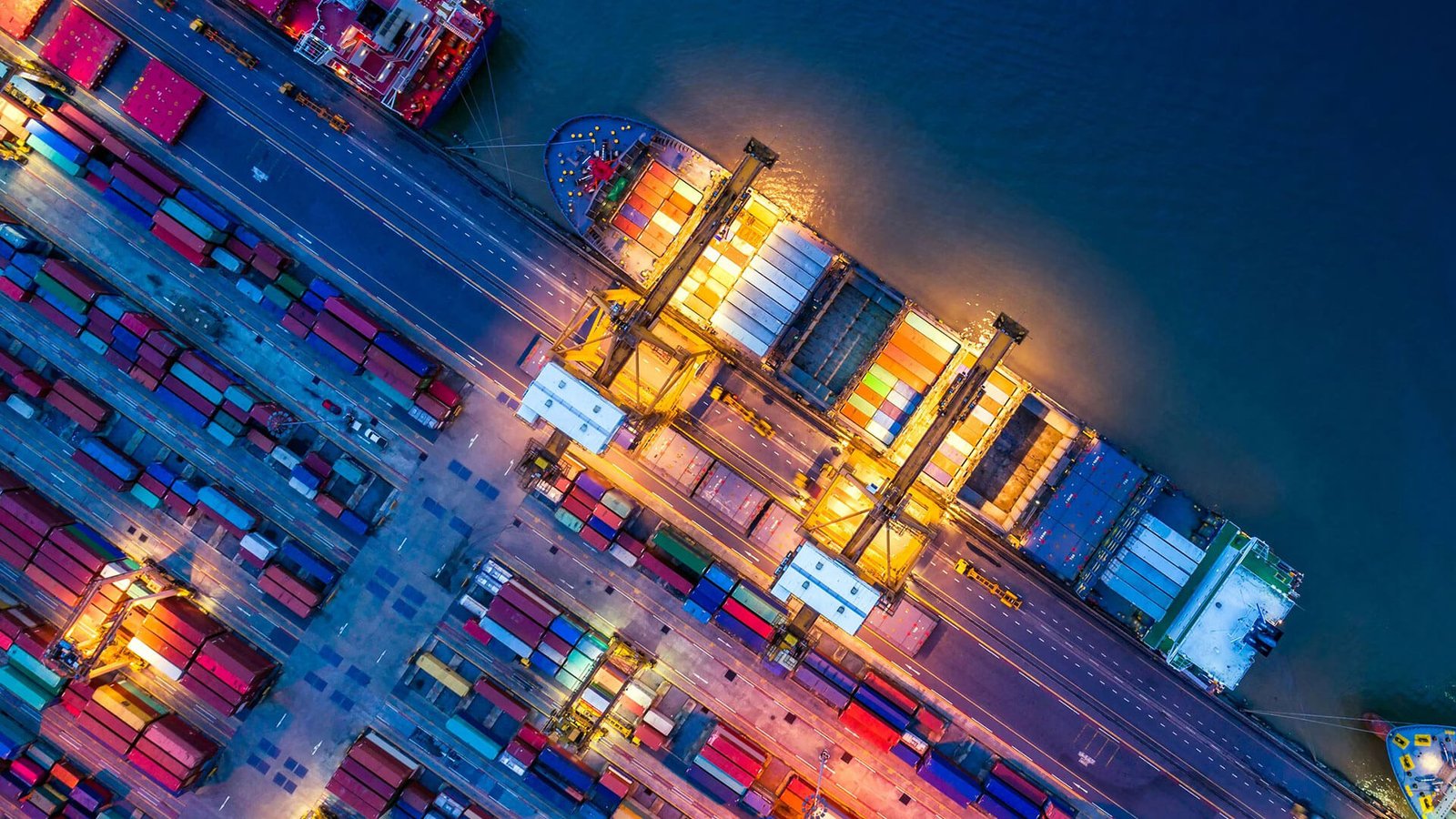
When a shipment lacks the necessary documentation, customs authorities may choose to hold the goods for further inspection. This can lead to unexpected delays and costs, as storage fees begin to accrue. Furthermore, if banks refuse payment due to missing certificates, the financial implications can be severe.
Here’s a look at potential outcomes when inspection certificate1s are not handled correctly:
| Outcome | Consequences |
|---|---|
| Shipment Delays | Increased storage costs and potential penalties |
| Document Rejection | Loss of goods, financial penalties |
| Buyer Rejections | Additional costs related to returns or re-shipments |
Conclusion
Understanding inspection certificate1s is vital for successful import operations. They protect importers from risks and ensure compliance.
Learn about the role of inspection certificates in ensuring product quality and compliance in international trade. ↩
Discover how inspection certificates facilitate smooth customs clearance and prevent costly delays. ↩
Understand the importance of third-party verification in maintaining product standards and compliance. ↩
Find out the regulatory frameworks that necessitate inspection certificates for various products. ↩
Explore how inspection certificates help mitigate risks related to product quality and compliance. ↩
Learn why independent verification is crucial for ensuring product compliance and avoiding disputes. ↩
Discover the connection between letters of credit and the necessity of inspection certificates for payment. ↩
Understand the specific controls and regulations that apply to different product categories. ↩
Learn how buyer contracts stipulate inspection requirements to ensure product compliance. ↩
Identify the high-risk goods that typically need inspection certificates to avoid compliance issues. ↩
Find out which agencies are authorized to issue valid inspection certificates for importers. ↩
Explore the various inspection methods employed to ensure product compliance and quality. ↩
Understand the consequences of document rejection and how it affects import operations. ↩
Discover how incorrect inspection certificates can result in increased scrutiny and penalties. ↩