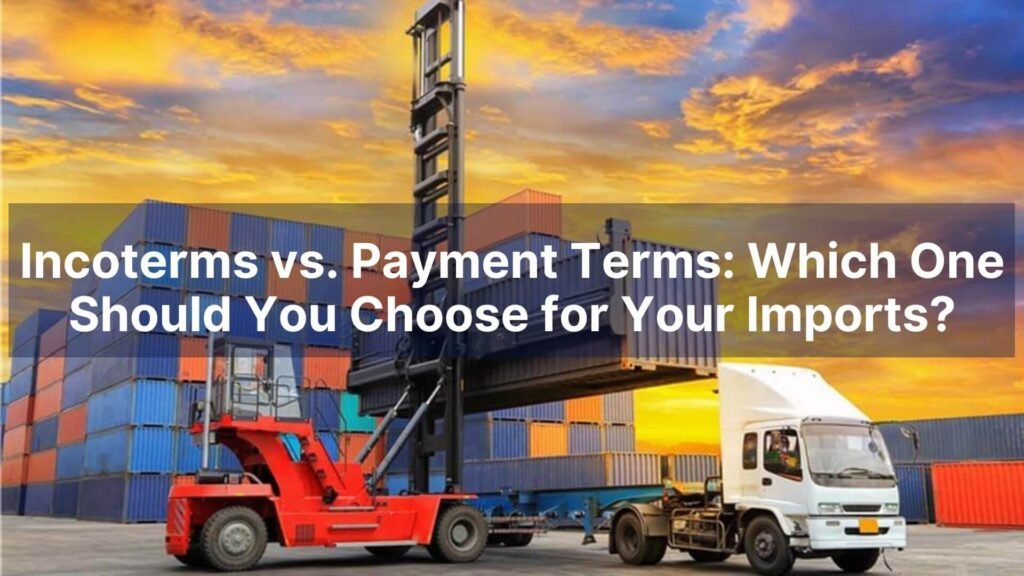
The world of imports can be complex, especially when it comes to understanding the relationship between Incoterms and payment terms1. Both play a crucial role in import transactions and can significantly influence risk and cost.
Incoterms define delivery responsibilities2, risk transfer points3, and freight control4, while payment terms govern when and how funds are paid. Understanding this distinction helps importers manage both physical and financial exposure in a transaction.

The dynamics between Incoterms and payment terms1 can seem overwhelming. But mastering these concepts is essential for a smooth import process.
What Incoterms Control vs What Payment Terms Control in an Import Transaction?
Incoterms play a pivotal role in defining how goods are transported, where the risk of loss transfers, and who is responsible for customs duties5. On the other hand, payment terms dictate the timing and method of payments6, affecting cash flow and financial planning7. Understanding these differences is crucial for any importer.
Incoterms establish who bears responsibility for shipping logistics8, while payment terms specify when payments should be made. This clarity helps importers navigate both logistical and financial aspects of their transactions.
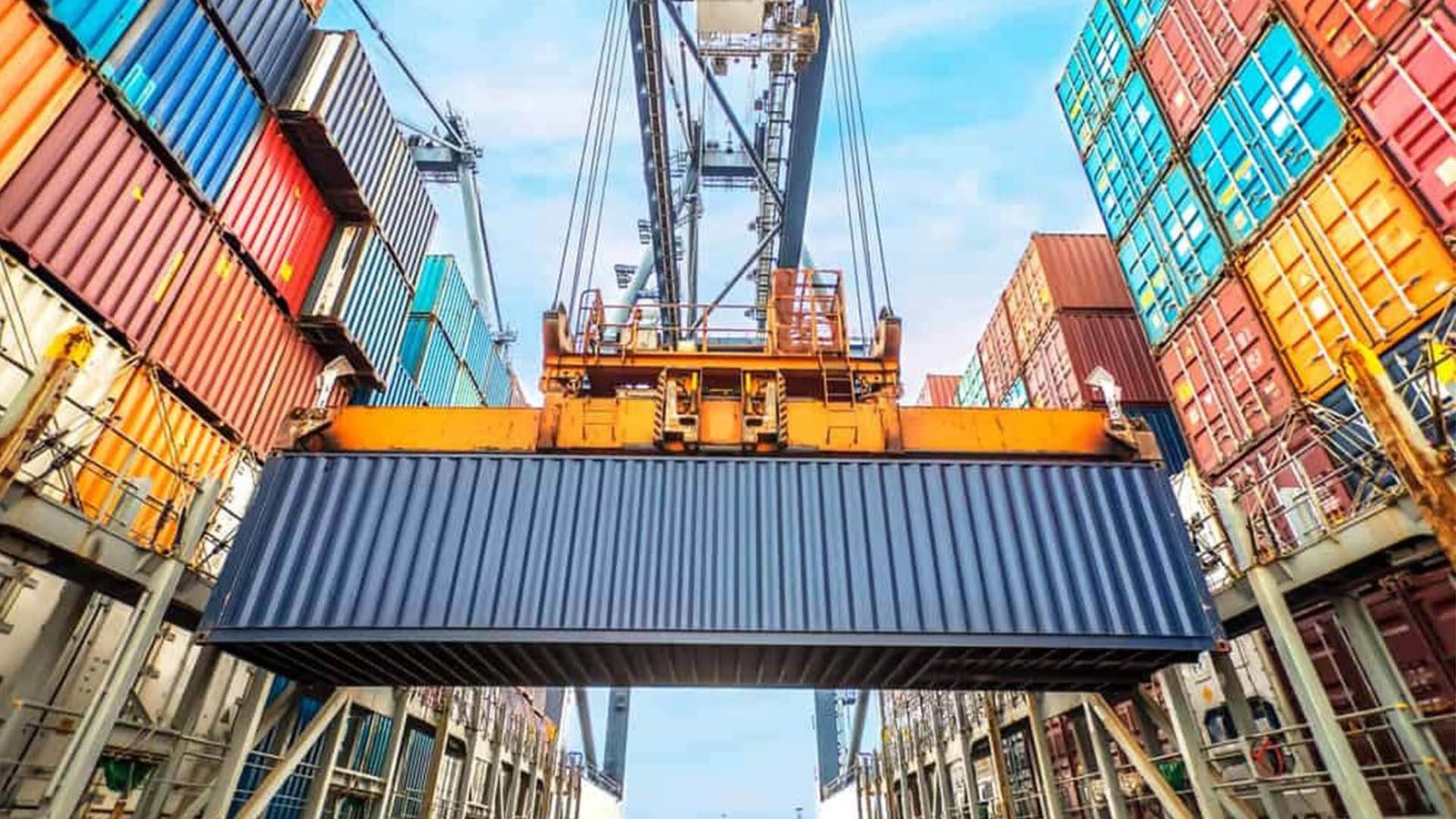
The effective management of both terms can have a profound impact on your import operations. It can prevent misunderstandings and disputes, thereby ensuring a smoother transaction overall.
How Incoterms Affect Freight Responsibility, Risk Transfer, and Customs Control?
The chosen Incoterm influences not only who arranges the transport but also where the risk transfers and who manages the customs process. This is a crucial element that affects visibility throughout the shipping process, insurance procurement, and compliance oversight.
The chosen Incoterm determines who arranges transport, where risk transfers, and who coordinates customs. These factors influence visibility, insurance planning9, and compliance oversight.
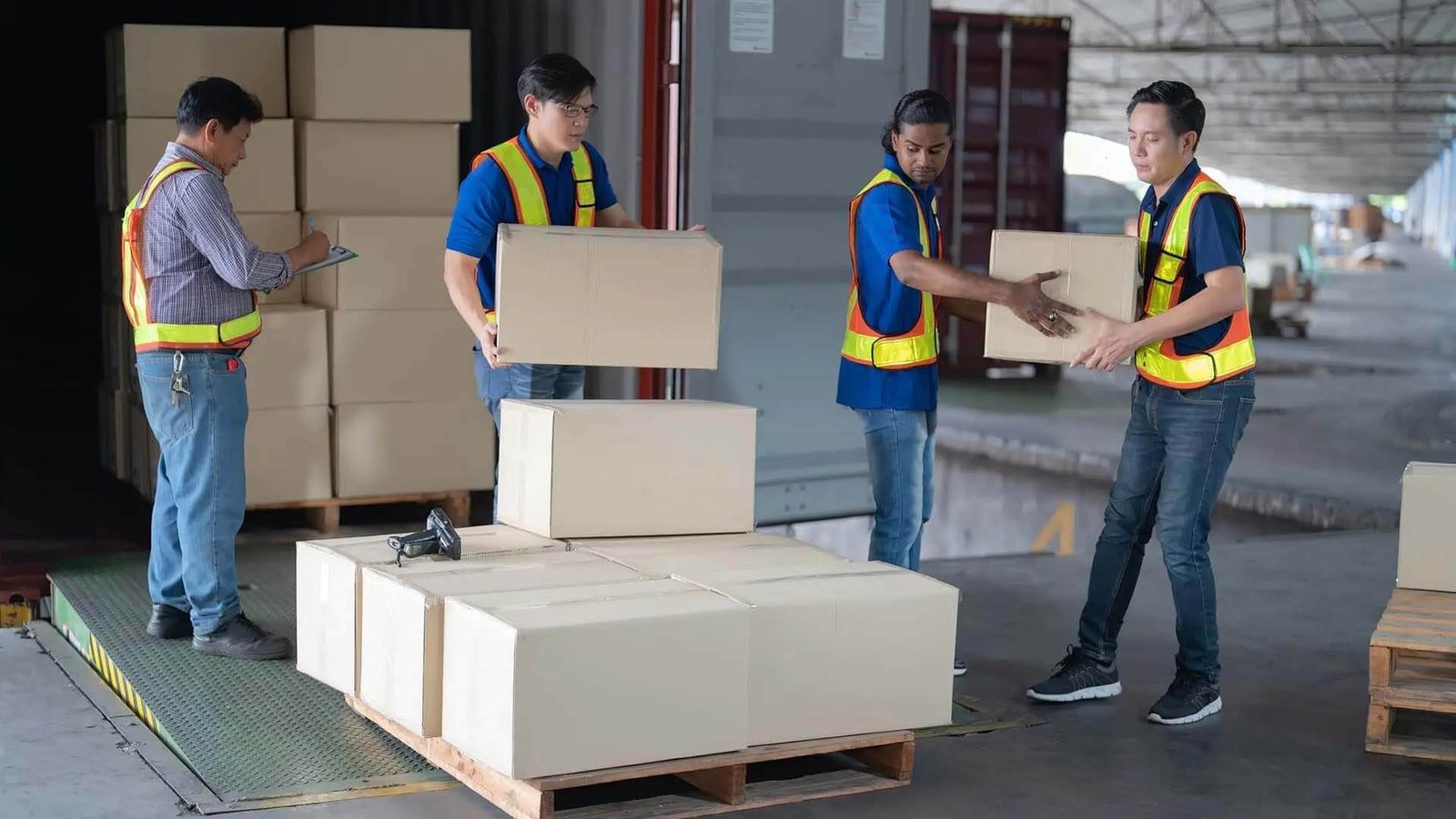
If you select an Incoterm that places too much responsibility on you as the importer, it could lead to complications down the line. Conversely, choosing an Incoterm that shifts too much responsibility to the supplier can leave you vulnerable to unforeseen risks.
| Element | Incoterms | Payment Terms |
|---|---|---|
| Controls logistics | Yes | No |
| Controls payment timing | No | Yes |
| Defines risk transfer | Yes | No |
| Affects cash flow | Indirectly | Directly |
How Payment Terms Affect Cash Flow, Financial Risk, and Supplier Trust?
Payment terms are a powerful tool in managing cash flow. They can significantly impact financial risk and the level of trust between you and your suppliers. For example, requiring advance payments might increase your exposure, while structured payment methods can help balance financial security and supplier relationships10.
Payment terms impact working capital, transaction risk, and supplier relationships10. Advance payments increase buyer exposure, while structured methods can balance trust and financial protection.
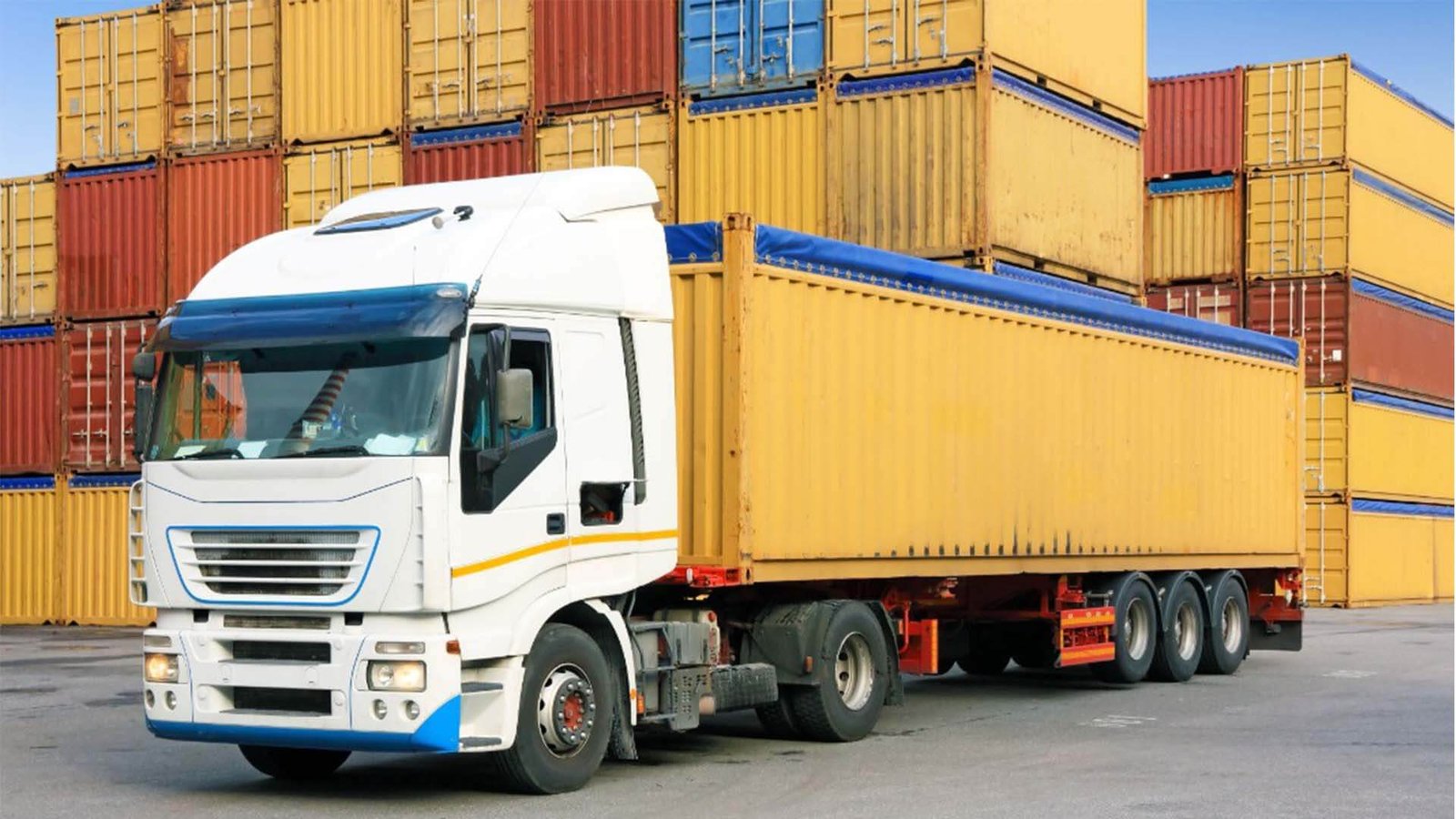
Understanding your payment terms is essential for maintaining healthy cash flow and building trust with your suppliers. Payment terms should reflect the level of risk you are willing to take and the relationship you have with your suppliers.
Why Incoterms and Payment Terms Must Be Aligned to Avoid Operational and Financial Gaps?
Misalignment between Incoterms and payment terms1 can create gaps in your transaction, where goods are at risk while payment obligations are already in place. Aligning both elements can significantly reduce disputes and operational friction.
Misalignment between delivery terms and payment schedules can create gaps where goods are at risk but payment obligations have already been triggered. Aligning both reduces disputes and operational friction.
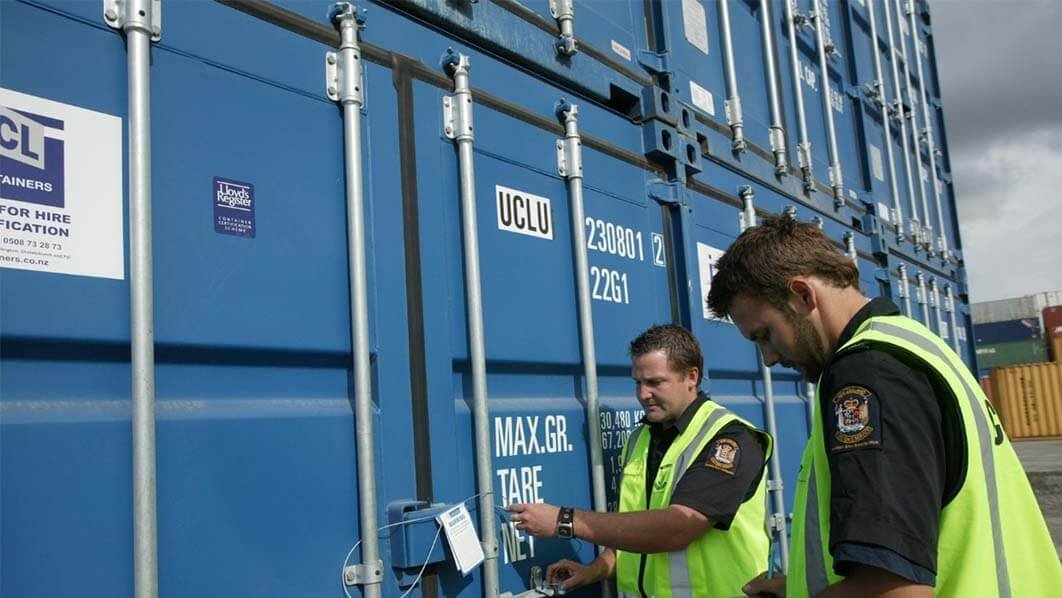
By ensuring that your Incoterms and payment terms1 are in harmony, you can streamline your operations and mitigate risks. This alignment can lead to a more efficient supply chain and a stronger relationship with your suppliers.
Common Mistakes Importers Make When Incoterms and Payment Terms Conflict
Importers often encounter issues when payment is due before the risk transfers appropriately or when freight control4 does not match financial responsibility. These conflicts can lead to financial loss and complications in logistics.
Issues arise when payment is due before risk transfers appropriately, or when freight control4 does not match financial responsibility.
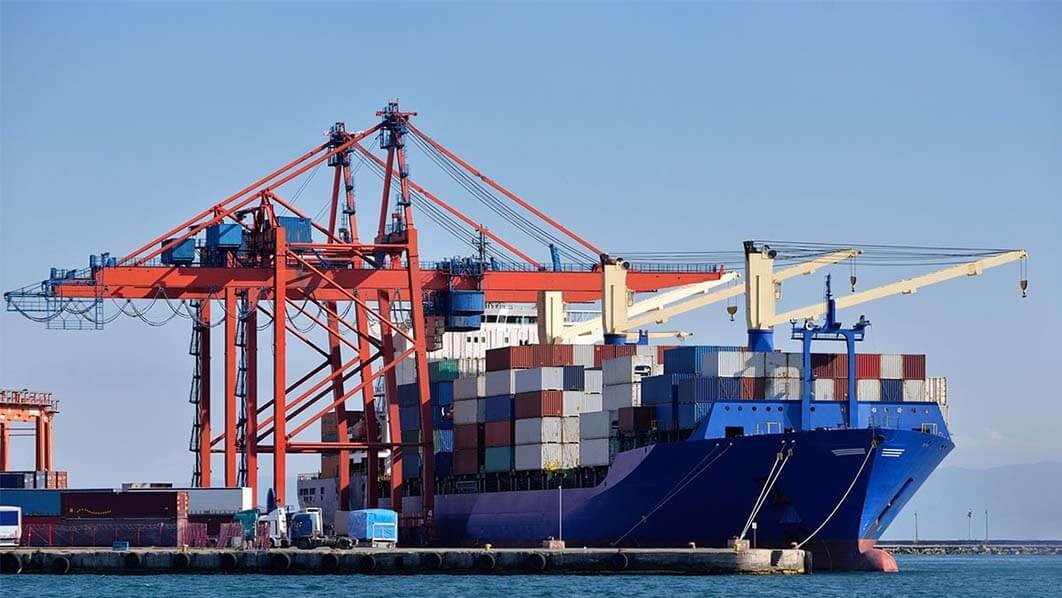
To avoid these pitfalls, always ensure that your payment terms correspond with your chosen Incoterms. This proactive approach can save time, money, and stress in the long run.
Contract-to-Import Workflow: Purchase Agreement → Incoterm Selection → Payment Structure → Shipment → Customs Clearance → Final Settlement
A structured contract workflow links your commercial terms to operational steps. This ensures that all responsibilities—payment, delivery, and customs—are clearly defined and coordinated.
A structured contract workflow links commercial terms to operational steps, ensuring payment, delivery, and customs responsibilities are coordinated.
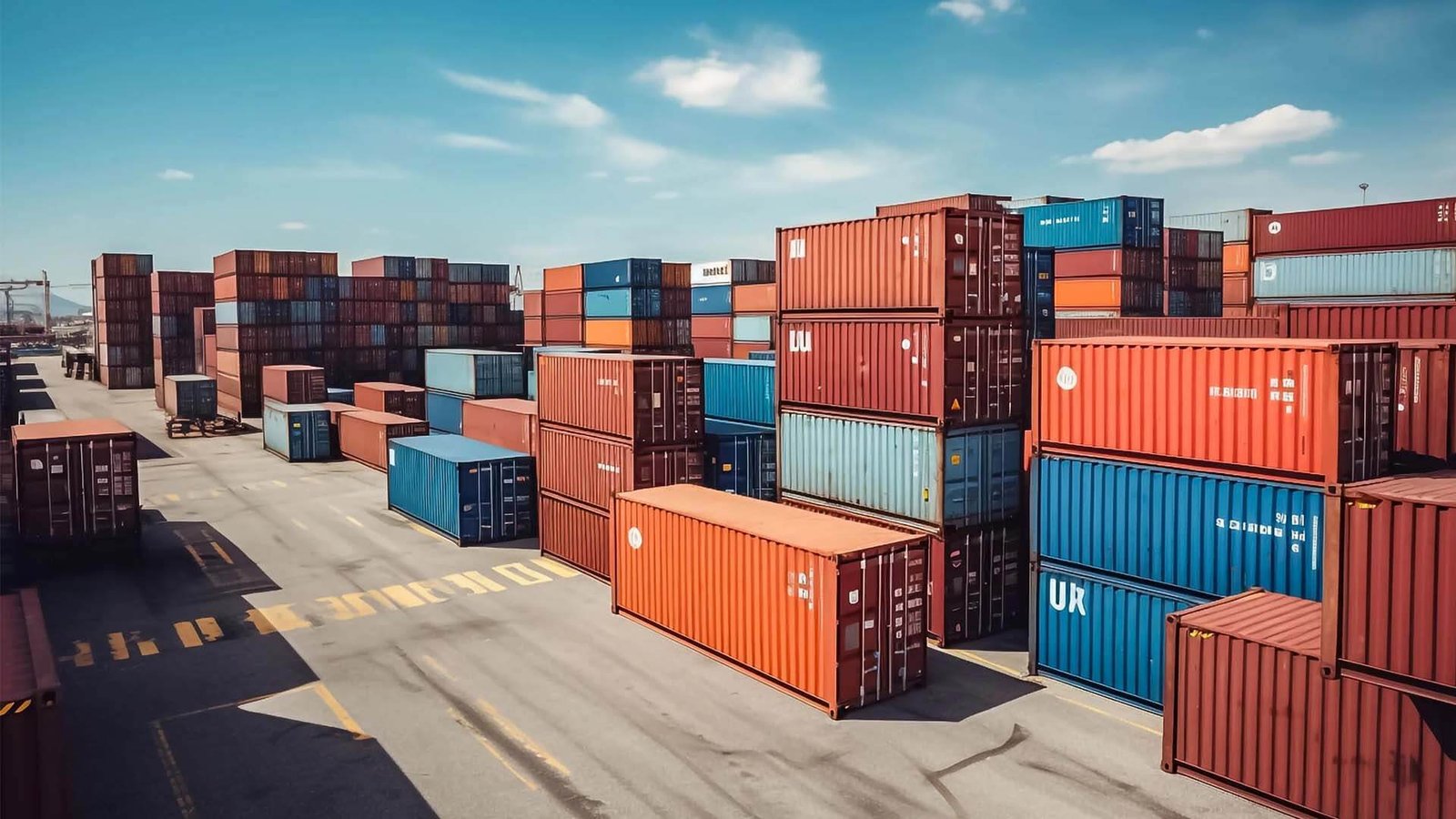
Following a proper workflow will help you manage your imports more effectively. It can also serve as a roadmap to ensure that nothing falls through the cracks.
Contract Workflow Diagram
Contract Negotiation → Incoterm Selection → Payment Term Agreement → Production → Shipment → Customs Entry → Delivery → Final Payment
Risk Alignment Matrix
| Scenario | Logistics Risk | Financial Risk | Alignment Strategy |
|---|---|---|---|
| Early payment + late risk transfer | Low logistics control | High financial exposure | Adjust payment schedule |
| Supplier controls freight + buyer pays early | Low visibility | Cash risk | Increase documentation checks |
| Balanced control | Shared risk | Managed exposure | Clear contract terms |
Conclusion
Understanding the differences between Incoterms and payment terms1 is vital for successful imports, helping you manage risk and streamline operations.
Exploring this link will help you understand how these terms influence risk and cost in import transactions. ↩
Understanding delivery responsibilities is crucial for managing logistics and ensuring smooth import operations. ↩
Knowing risk transfer points helps importers manage physical exposure during transactions. ↩
Freight control is essential for logistics management, and this link will provide insights into its impact. ↩
Customs duties can significantly impact import costs, and understanding responsibilities is essential. ↩
Understanding payment timing and methods is vital for financial planning and cash flow management. ↩
Effective cash flow management is crucial for importers, and this link will provide valuable insights. ↩
Shipping logistics are a key aspect of import transactions, and this link will clarify responsibilities. ↩
Insurance planning is vital for risk management, and this link will explain its connection to Incoterms. ↩
Strong supplier relationships are crucial for successful imports, and this link will explore their dynamics. ↩