The process of importing wine into the U.S. can feel overwhelming. Understanding the legal requirements and logistics is essential for success.
To import wine into the U.S. as a business, you must obtain a TTB Basic Importer Permit1, register with U.S. Customs, and often secure state-level alcohol licenses2. These registrations establish legal authority to import, store, and sell alcohol, and are mandatory before any wine shipment can legally enter U.S. commerce.

Importing wine is not just about the product. It’s about navigating complex regulations, ensuring compliance, and understanding the costs involved. It’s a structured journey, and missing a step can lead to delays or increased expenses. I remember my first import. The paperwork alone was daunting, but I learned quickly how crucial each document was.
What Licenses and Registrations Are Required to Import Wine Into the United States as a Business?
Starting your journey as a wine importer requires a few key licenses. First, you need the TTB Basic Importer Permit1, which is crucial for any business entering the alcohol market. This permit is issued by the Alcohol and Tobacco Tax and Trade Bureau3 (TTB) and verifies your legal authority to import wine.
In addition to the federal permit, you may also need to secure state-level alcohol licenses2. Each state has its own rules regarding alcohol imports, and navigating these can be tricky. The licenses ensure you comply with local regulations, which can vary widely.
What do I need to import wine into the US? You need the TTB permit, state licenses, and, in some cases, a local business license. Each of these documents serves to protect not just your business but the consumer as well.
How do you become a wine importer? It starts with understanding the requirements and applying for these licenses.
How much does an import license cost in the USA? The cost can vary depending on state and local requirements, but expect to budget for fees that can range from a few hundred to several thousand dollars.
Navigating the licensing maze can be tedious. However, it’s essential to ensure you have everything in order before embarking on the import journey. The last thing you want is to face delays because of paperwork.
Which U.S. Agencies Regulate Wine Imports and What Each One Actually Controls in the Process?
Understanding the regulatory landscape is crucial for any wine importer. The TTB oversees permits and labeling, ensuring your product meets federal standards. They also check that all labels conform to regulations, which is critical for consumer safety and compliance.
U.S. Customs and Border Protection4 (CBP) plays a significant role in the import process. They are responsible for reviewing shipments, collecting duties, and ensuring that all goods entering the U.S. comply with laws.
State alcohol authorities are also involved. They regulate the distribution of alcohol within their jurisdiction. This means that even after you clear federal regulations, you must comply with state laws before selling your wine.
Who regulates wine imports in the US? It's a combination of the TTB, CBP, and state regulators.
Do you declare wine at US customs? Yes, you must declare all wine shipments at customs.
Which agencies control alcohol imports? The TTB, CBP, and state authorities each have distinct roles that ensure compliance and safety.

Keeping track of all these agencies and their responsibilities can be overwhelming. Yet, knowing who to turn to for help can save you time and money.
How Duties, Federal Excise Tax, State Taxes, and Fees Are Calculated When Importing Wine
When importing wine, several costs come into play. Customs duties5 are one of the first things you’ll encounter. They depend on the type of wine and its alcohol content. This can result in a low to moderate cost impact.
The federal excise tax6 is another significant charge. It's applied at the time of import or when you withdraw wine from a bonded warehouse. This tax is based on the alcohol by volume and quantity, leading to a moderate to high financial impact.
State alcohol taxes vary widely and can be highly variable depending on where the wine is being sold. These taxes often create confusion, so understanding them upfront is essential.
How much is the import duty for wine in the USA? It varies by wine type and alcohol level.
How much does it cost to import wine? The total cost includes duties, federal excise tax6es, state taxes, and other fees.
How do you pay customs fees? Fees are typically paid through the broker handling your shipment or directly to CBP.
The financial aspects of wine importing can seem daunting. However, with proper planning and research, you can minimize surprises and ensure a smoother import experience.
How to Prepare Labels, Documentation, and TTB Approvals Before Shipping Wine to the U.S.
Before shipping wine, securing TTB label approval (also known as a COLA) is essential. This approval ensures your labels meet federal guidelines. Without it, your wine could be held up at customs or even rejected.
In addition to label approval, you need to prepare compliant commercial documents. This includes a commercial invoice7, packing list8, and any certificates of origin. These documents help verify that your shipment complies with all necessary regulations.
Do wine labels need approval? Yes, all wine labels must be approved by the TTB before shipping.
What documents are required to import wine? You’ll need a commercial invoice7, packing list8, and the COLA.
What is a COLA for wine? A COLA is Certificate of Label Approval9, indicating that your labels meet TTB standards.

The preparation of labels and documentation can feel tedious. However, every detail matters. Missing or incorrect information could lead to delays, which no importer wants.
How to Ship Wine Internationally to the U.S. Without Causing Delays, Damage, or Compliance Issues
Shipping wine internationally requires careful planning. Using compliant packaging10 is a must. This ensures that your wine arrives safely and in good condition. Temperature-controlled transport is also necessary for certain types of wine, as temperature changes can significantly affect quality.
Working with experienced carriers who understand alcohol regulations is also crucial. They can help coordinate freight and documentation to ensure everything aligns with regulatory requirements.
Can you ship wine from France to the US? Yes, but it requires adherence to specific regulations.
How is wine shipped internationally? It involves careful packaging, documentation, and compliance with customs regulations.
What are the risks of shipping wine? Risks include spoilage, customs holds, and potential rejection at delivery.
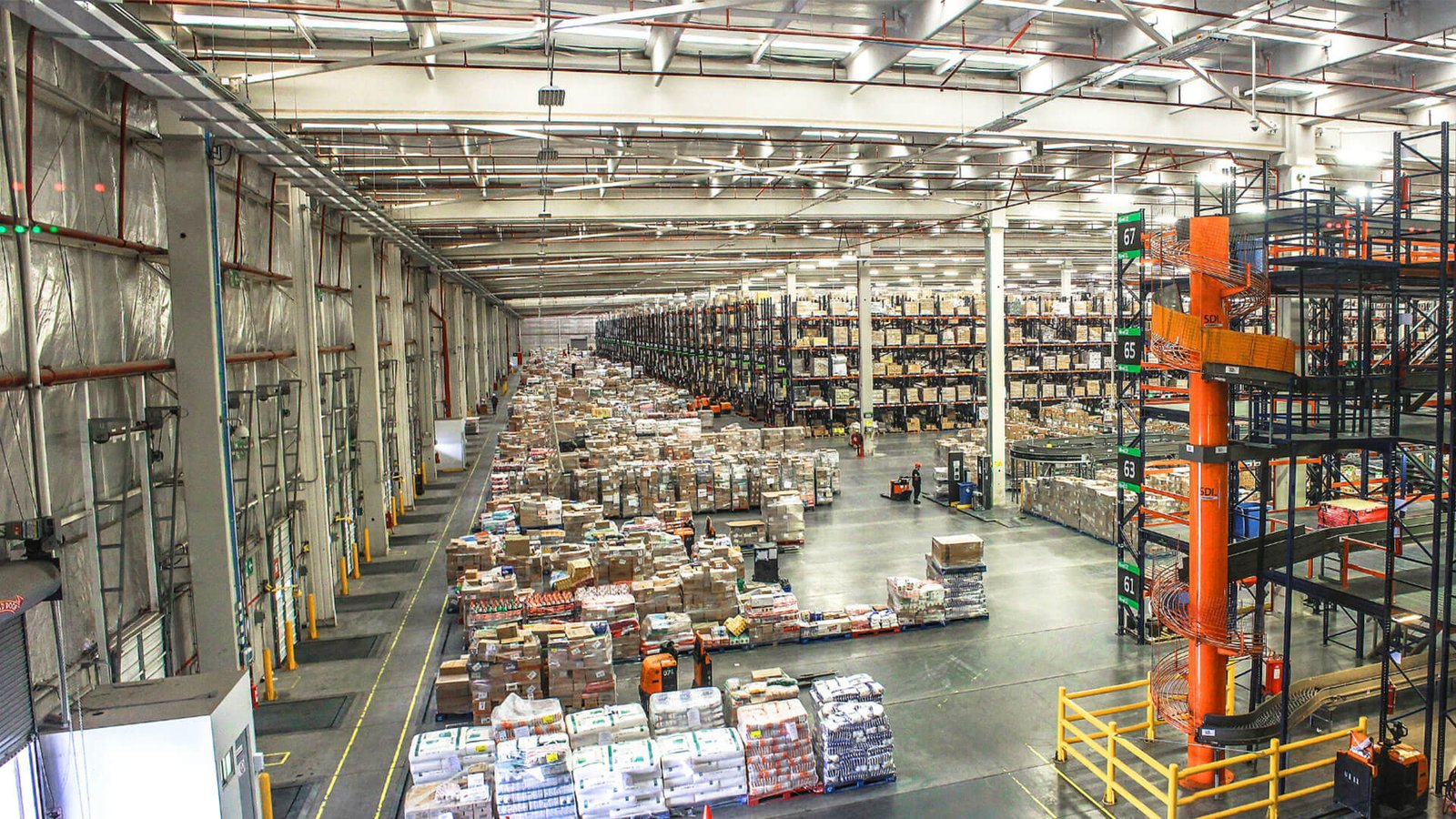
Shipping wine is a blend of art and science. By taking the necessary precautions, you can avoid many common pitfalls that first-time importers face.
Step-by-Step: From Arrival at the Port to Customs Clearance, Delivery, and Legal Sale in the U.S.
Once your wine arrives at a U.S. port, it's time for customs clearance. This process involves declaring your shipment, paying necessary duties and taxes, and ensuring all paperwork is in order. After clearance, your wine must be moved to a licensed warehouse11 or distributor.
Only after all regulatory approvals can your wine enter legal distribution. The post-arrival process is just as crucial as pre-shipment planning.
How do you clear wine through customs? You’ll need to present your documents to a customs broker12 or at the port.
What happens after wine arrives at port? It must clear customs, pay applicable fees, and be stored at a licensed facility.
How is imported wine legally sold in the US? It requires state approval and proper distribution channels.
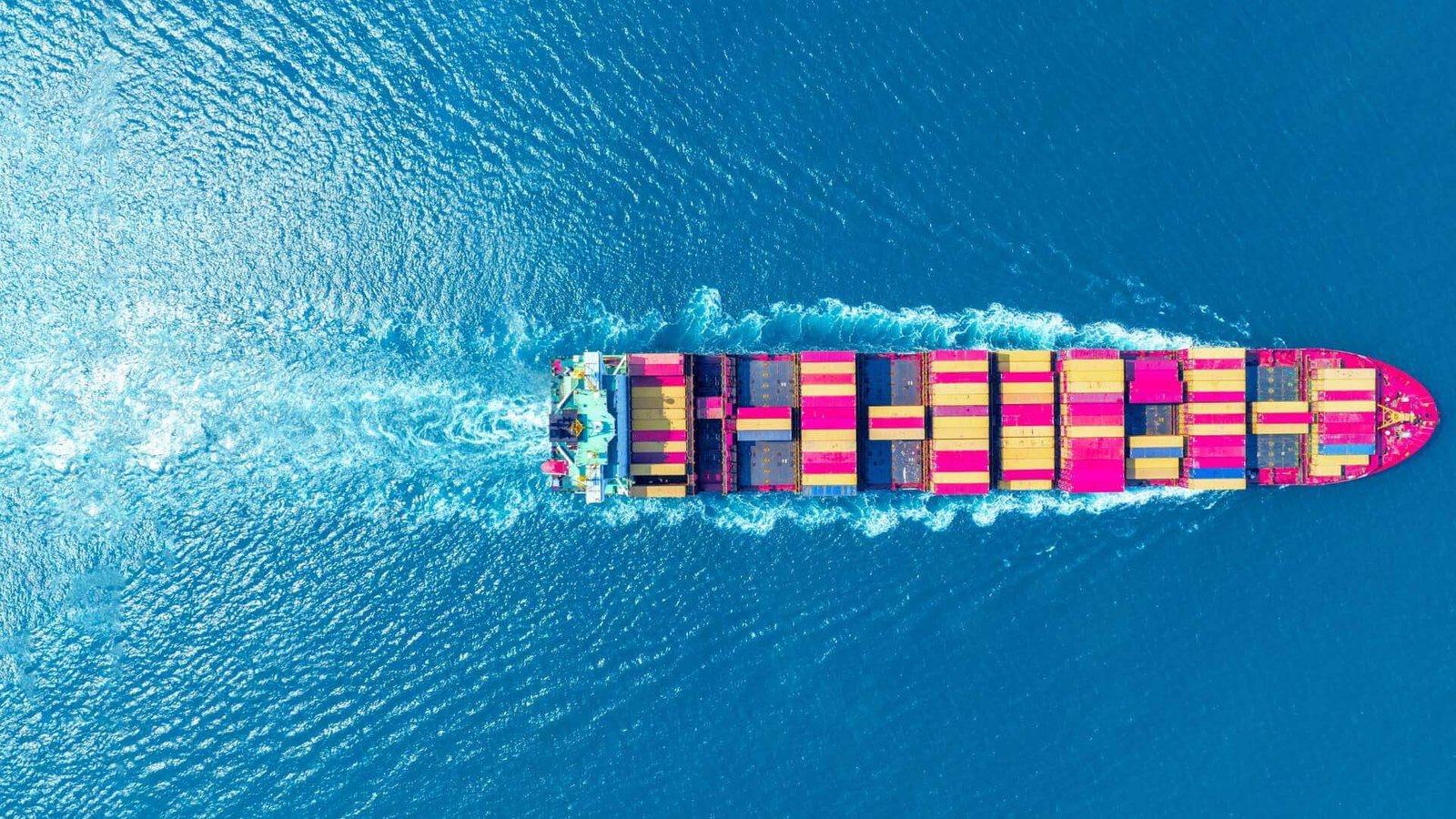
The final steps in the wine import process are rewarding but require attention to detail. By coordinating effectively, you can ensure a seamless transition from port to market.
Conclusion
Understanding the complexities of wine importing can make the difference between success and failure. Staying informed and organized is key to navigating this intricate journey.
Understanding the TTB Basic Importer Permit is crucial for legal wine importation into the U.S., ensuring compliance with federal regulations. ↩
State-level alcohol licenses ensure compliance with local laws, which vary widely and are essential for legal wine distribution. ↩
The Alcohol and Tobacco Tax and Trade Bureau regulates permits and labeling, ensuring compliance with federal standards. ↩
U.S. Customs and Border Protection ensures all wine imports comply with U.S. laws, handling duties and shipment reviews. ↩
Customs duties impact the overall cost of importing wine, making it essential to understand these fees for financial planning. ↩
Understanding federal excise tax calculations helps wine importers budget for significant costs associated with importing wine. ↩
A commercial invoice is crucial for verifying shipment details and ensuring compliance with import regulations. ↩
A packing list provides detailed shipment information, aiding in customs clearance and compliance verification. ↩
Obtaining a Certificate of Label Approval is vital for legal wine importation, ensuring labels meet TTB standards. ↩
Compliant packaging ensures wine is protected during transit, reducing the risk of damage and ensuring regulatory compliance. ↩
A licensed warehouse is necessary for storing imported wine legally before it enters the distribution chain. ↩
A customs broker facilitates the customs clearance process, ensuring all paperwork and fees are handled correctly. ↩