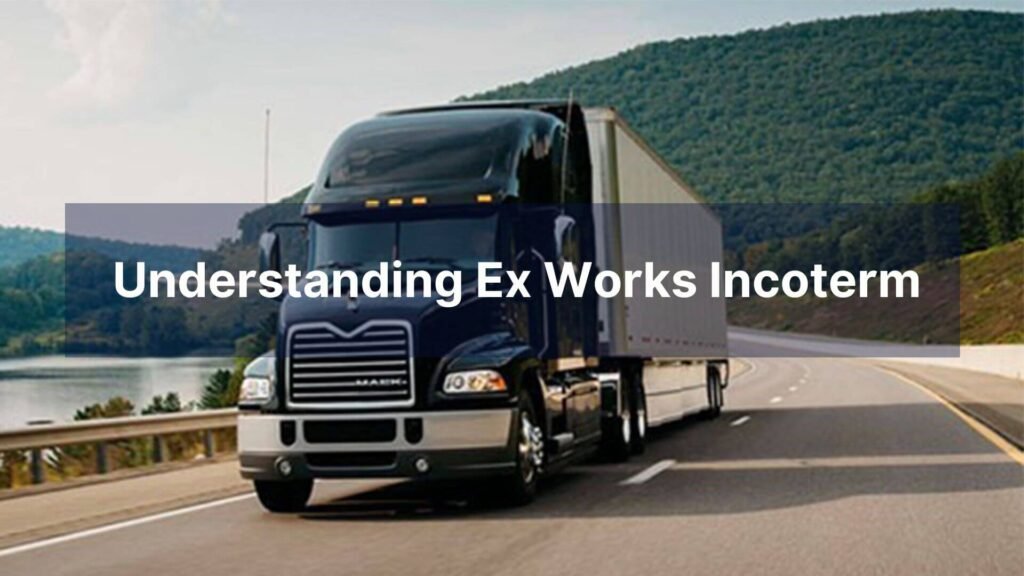
The world of international shipping1 can be complex. For U.S. importers, understanding the Ex Works (EXW) Incoterm2 is crucial. This term can significantly impact logistics and costs3 when importing goods from abroad.
Ex Works (EXW) is an Incoterm where the seller delivers goods4 at their premises or another agreed location. For U.S. importers, this means they are responsible for all costs and risks associated with transportation, including shipping5, duties, and customs clearance6 once the goods leave the seller's premises. It is vital to understand EXW to manage logistics efficiently.

Handling logistics under EXW can be tricky. Understanding its implications and requirements is essential for smooth operations. If you're not careful, you might find yourself facing unexpected challenges while importing7.
What Ex Works (EXW) Means in Incoterms and How It Affects U.S. Importers?
The shipping process can be daunting, especially with terms like Ex Works (EXW). It’s important to familiarize yourself to avoid pitfalls.
Ex Works (EXW) is an Incoterm where the seller delivers goods4 at their premises or another agreed location. For U.S. importers, this means they are responsible for all costs and risks associated with transportation, including shipping5, duties, and customs clearance6 once the goods leave the seller's premises. It is vital to understand EXW to manage logistics efficiently.
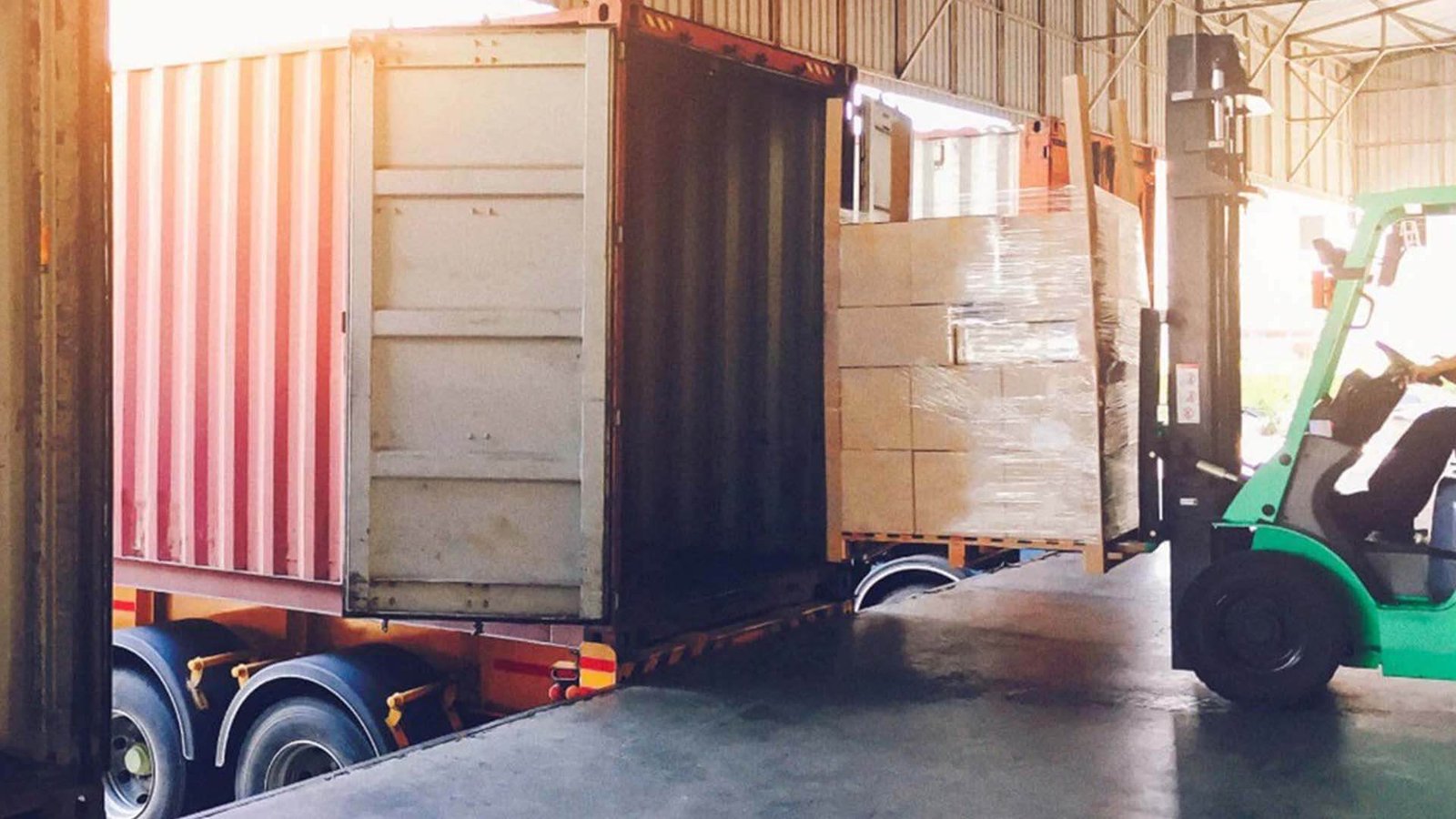
Understanding EXW is crucial for U.S. importers. You gain control over shipping8, but at the cost of assuming all responsibilities. This means you must navigate customs and logistics9 on your own. It can be overwhelming, particularly if you are new to importing.
Dive deeper Paragraph:
EXW places a considerable burden on the importer. Unlike other terms, the seller has minimal responsibility once the goods are ready for pickup. This can be advantageous for those who prefer control, but it also means you must manage everything from transport to customs clearance. If you lack experience, this can lead to costly errors. That’s why it's vital to have a robust logistics plan10 in place. Consider working with a reliable customs broker or freight forwarder who can guide you through the process. They can help you understand the documentation needed and ensure compliance with U.S. Customs regulations. This support can minimize risks and streamline your operations, making the EXW method more manageable.
The Pros and Cons of Using Ex Works (EXW)11 for U.S. Importers
Navigating shipping terms can be confusing. Understanding the benefits and drawbacks of using EXW is essential for making informed decisions.
The main advantage of using EXW for U.S. importers is control over the entire shipping process. However, EXW places most of the risk and responsibility12 on the importer, who must handle export customs, transportation, and import duties. This can result in higher costs and complexity13 compared to other Incoterms, such as FOB or CIF.
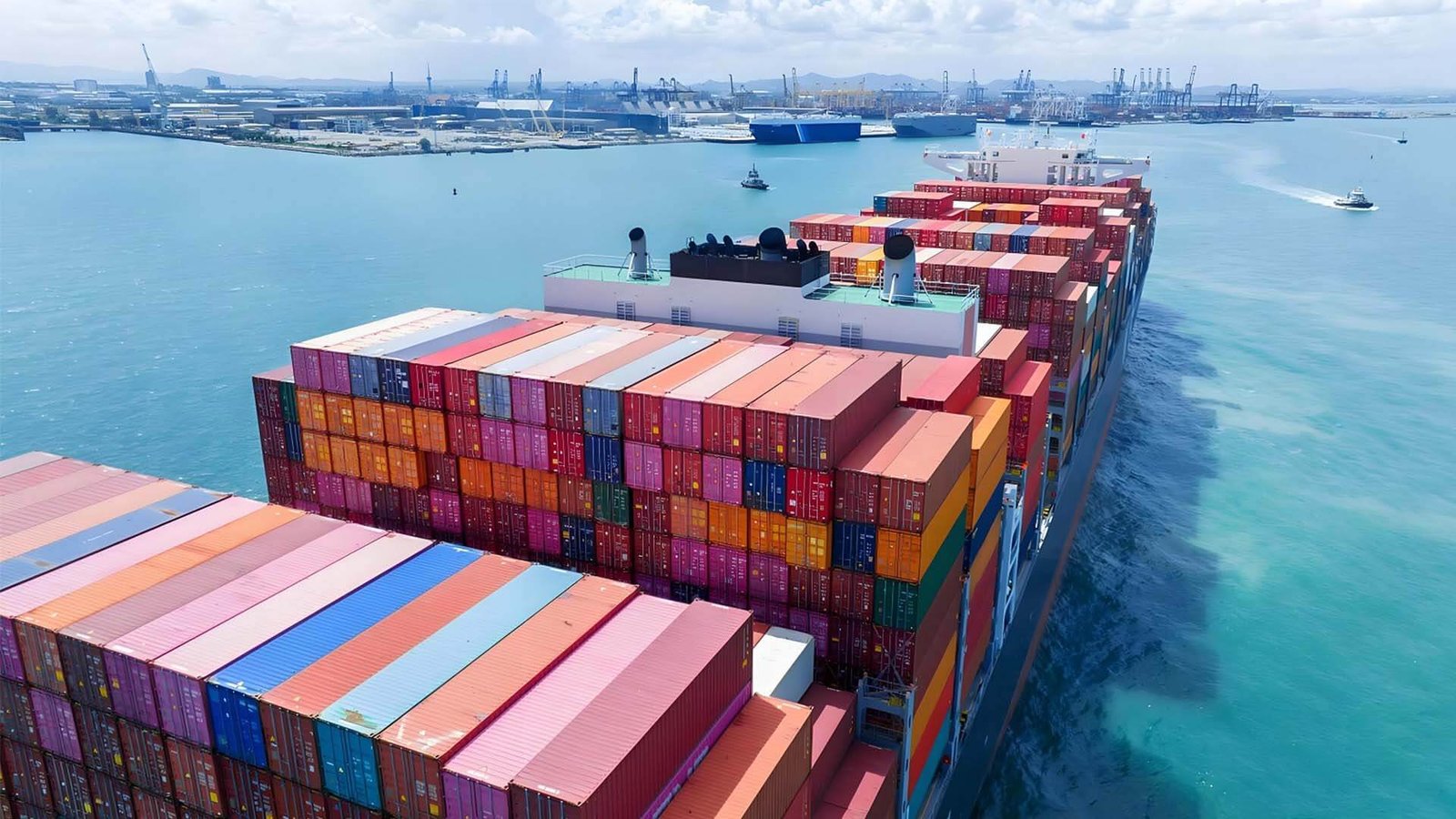
Many importers feel drawn to the independence that EXW offers. However, this independence comes with significant responsibilities. It can lead to unexpected costs14, especially if you’re ill-prepared for the complexities involved in the shipping process.
Dive deeper Paragraph:
Using EXW can present unique advantages for experienced importers15. The ability to control the logistics process allows you to choose your carriers and negotiate better shipping rates. You can customize the shipping process to meet specific needs. However, for those less familiar with international shipping1, it can be a minefield. The complexity of coordinating logistics, handling customs, and managing costs might outweigh the benefits. Consider if your business has the expertise and resources to handle these responsibilities. If not, it may be wise to explore other Incoterms such as FOB, which can reduce your risk by shifting some responsibilities to the seller. This balance of control and support is crucial in making an informed decision.
When to Use EXW Shipping vs Other Incoterms Like FOB
Knowing when to use EXW is crucial. It’s essential to weigh your options against other Incoterms to make the best choice for your shipment.
EXW is best suited for experienced importers15 with reliable logistics networks and when they prefer maximum control over their shipment. In contrast, terms like FOB (Free on Board)16 are more beneficial when the seller is responsible for transport to the destination port, reducing risk and responsibility12 for the U.S. importer during transit.

Choosing the right Incoterm can save you time and money. EXW is ideal for those who are well-versed in shipping. But for those new to the process, a term like FOB might be a better fit.
Dive deeper Paragraph:
The choice between EXW and other Incoterms like FOB can significantly impact your shipping experience. If you're an experienced importer with a strong logistics network, you might find comfort in the control EXW provides. You can manage everything from the point of origin to your destination. However, if you are less experienced or lack reliable logistics support, using FOB can alleviate much of the risk. With FOB, the seller assumes responsibility for the goods until they are loaded onto the vessel. This can make the process easier and less stressful. It’s essential to assess your comfort level with logistics and the resources available to you. Always consider your experience and the reliability of your transportation network when choosing an Incoterm.
Who Is Responsible for Risk and Costs Under EXW Incoterms
Understanding responsibilities is vital when using EXW. Knowing who bears risk and costs will help you plan effectively.
Under EXW, the U.S. importer assumes responsibility for all risk and costs once the goods are made available for pickup at the seller’s location. This includes transportation, export customs clearance17, duties, and delivery to the final destination. U.S. importers should be prepared for these additional responsibilities and costs.
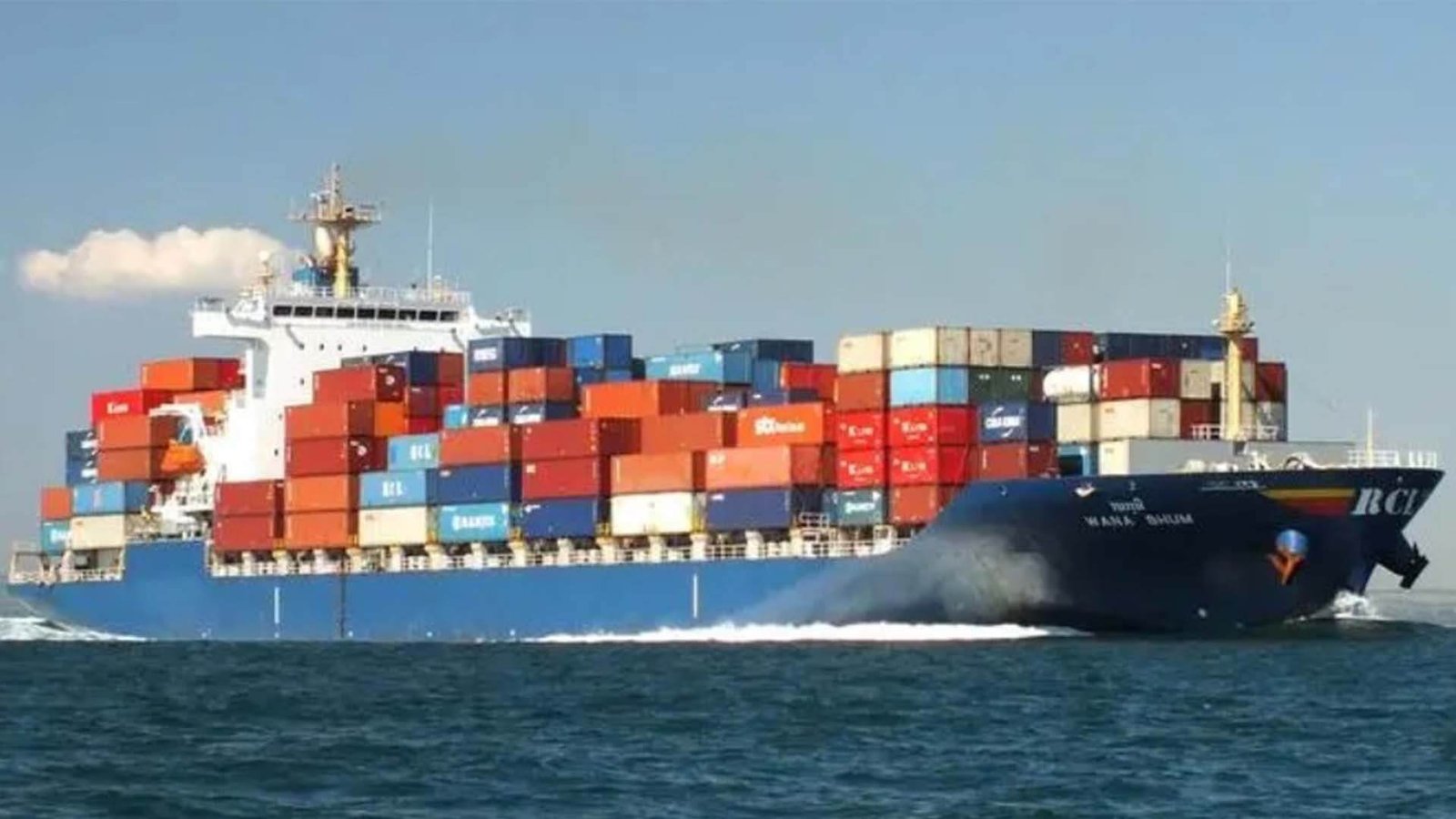
When using EXW, you need to be prepared to manage various costs and risks. It’s easy to overlook these responsibilities in the excitement of importing goods.
Dive deeper Paragraph:
The responsibilities under EXW can be overwhelming for many U.S. importers. Once the goods are available for pickup, you are on the hook for all costs involved. This includes arranging transportation, handling export customs clearance17, and paying import duties. Many importers underestimate the complexity involved. It’s crucial to have a clear understanding of your obligations from the outset. Failing to manage these responsibilities can lead to delays and unexpected financial burdens. Collaborating with a customs broker can significantly ease this process. They can provide guidance on documentation, help navigate customs regulations, and ensure that all necessary duties are paid. This support can help mitigate risks and streamline your logistics operations, ensuring compliance and efficiency.
Common Mistakes U.S. Importers Make with EXW and How to Avoid Them
Mistakes can be costly in logistics. Being aware of common pitfalls when using EXW can help you avoid them.
U.S. importers often misunderstand the level of responsibility under EXW, leading to unexpected costs14, such as export duties or incorrect documentation. To avoid these mistakes, importers should clearly communicate with the seller, ensure they understand the full scope of their obligations, and work with a trusted customs broker to navigate the complexities of export and import compliance.
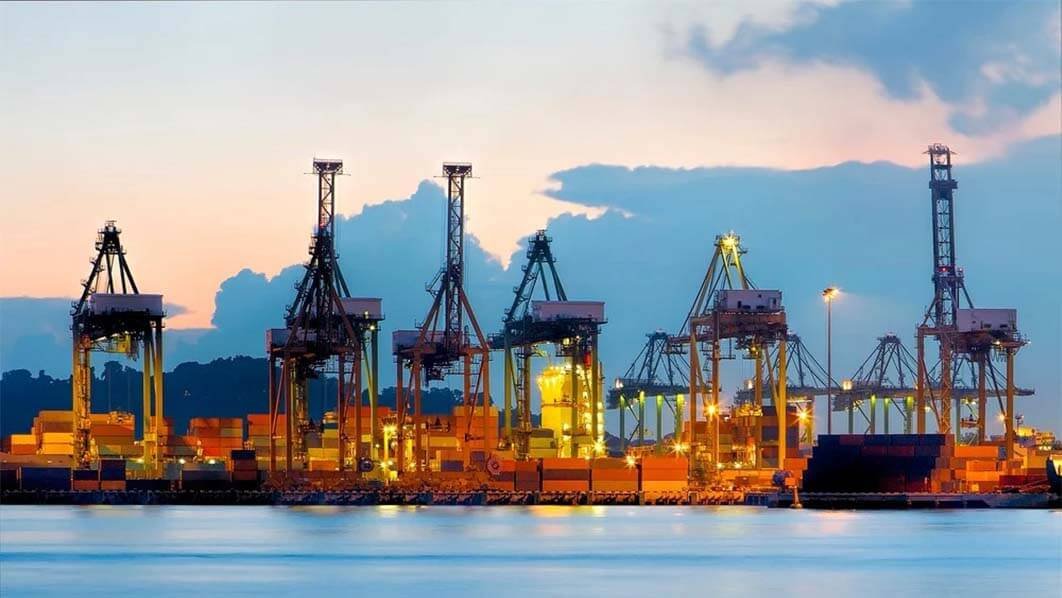
A lack of understanding can lead to costly errors. Many importers fail to communicate effectively with their sellers and end up facing unexpected costs14.
Dive deeper Paragraph:
Common mistakes made by U.S. importers using EXW often stem from a misunderstanding of their responsibilities. Many fail to fully grasp the extent of the costs involved and the documentation needed. This can lead to unexpected expenses or delays in shipping. For example, not being aware of export duties can result in unforeseen charges. Clear communication with your seller is essential to avoid these pitfalls. Ensure that you understand what is expected of you under EXW. Working with a trusted customs broker can also prevent many common mistakes. They can provide you with the necessary documentation, help you understand the full scope of your obligations, and navigate the complexities of import compliance. This partnership can save you time and money, making your import experience much smoother.
How to Manage Customs and Duties When Using Ex Works (EXW) Incoterm2s
Managing customs and duties is critical when using EXW. Proper planning ensures a smoother import process.
When using EXW, the U.S. importer is responsible for both export customs clearance17 and import duties. Proper documentation, including commercial invoices and certificates of origin18, is essential to avoid delays and penalties. Working with a customs broker ensures the proper handling of customs processes and duty payments, minimizing risks.
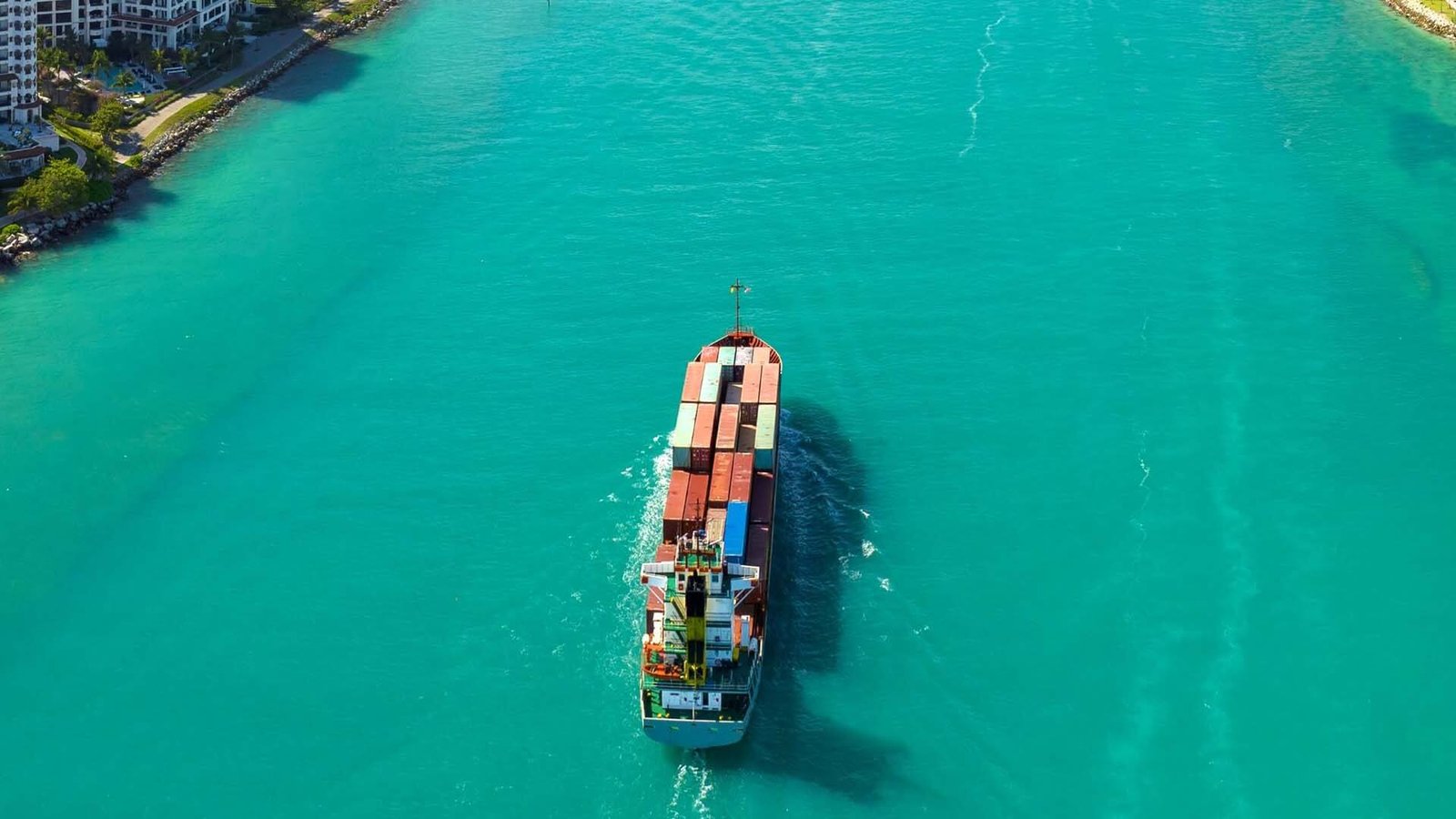
Navigating customs can be a challenge. Without the right documentation and understanding, your shipment could face delays.
Dive deeper Paragraph:
Managing customs and duties under EXW requires careful planning and organization. As the U.S. importer, you are responsible for export customs clearance17 and import duties. Proper documentation is essential to avoid delays and penalties. This includes commercial invoices, packing lists, and certificates of origin. Ensuring that these documents are accurate and complete can save you significant time and potential headaches. Working with a knowledgeable customs broker can significantly ease this burden. They can help you understand the specific requirements pertaining to your shipment and provide guidance on the necessary documentation. Additionally, they can assist in navigating the customs process, ensuring that duties are paid on time and minimizing the risk of delays. Being proactive about customs and duties can help you maintain compliance and facilitate a smoother import experience.
Conclusion
Understanding EXW is essential for U.S. importers. Awareness of responsibilities and risks ensures a smooth importing process.
Understanding the complexities of international shipping can help you navigate the process more efficiently and avoid common pitfalls. ↩
Learning about the Ex Works (EXW) Incoterm is crucial for managing logistics and costs effectively when importing goods. ↩
Exploring how logistics and costs affect importing can help you plan better and avoid unexpected expenses. ↩
Understanding the seller's role in delivering goods under EXW can clarify your responsibilities as an importer. ↩
Knowing your transportation responsibilities under EXW can help you manage logistics more effectively. ↩
Understanding duties and customs clearance under EXW is essential to avoid delays and additional costs. ↩
Being aware of potential challenges can help you prepare and mitigate risks when importing under EXW. ↩
Learning how EXW offers control over shipping can help you decide if it's the right choice for your business. ↩
Understanding how to navigate customs and logistics can streamline your importing process and reduce stress. ↩
A strong logistics plan is crucial for managing responsibilities and avoiding costly errors under EXW. ↩
Understanding the pros and cons of EXW can help you make informed decisions about your shipping terms. ↩
Knowing who bears risk and responsibility under EXW is vital for planning and managing your import process. ↩
Exploring why EXW can lead to higher costs and complexity can help you prepare and budget accordingly. ↩
Being aware of potential unexpected costs can help you budget and avoid financial surprises when using EXW. ↩
Knowing why EXW suits experienced importers can guide you in choosing the right Incoterm for your business. ↩
Understanding the difference between EXW and FOB can help you choose the best Incoterm for your needs. ↩
Understanding export customs clearance is crucial for ensuring compliance and avoiding delays under EXW. ↩
Proper documentation like commercial invoices and certificates of origin is essential for smooth customs processing. ↩