Importing eyewear can be complex. Sunglasses and eyeglasses are regulated as medical devices by the FDA, creating unique clearance requirements that every importer must navigate.
Sunglasses and eyeglasses are regulated by the FDA as medical devices. This classification means that imported eyewear must comply with FDA rules1, in addition to customs regulations2. Importers must ensure compliance with both agencies to avoid delays.

Many importers face challenges in understanding the interplay between FDA and customs regulations2. Without proper knowledge, it can lead to shipment delays3 and added costs.
Sunglasses and eyeglasses are regulated by the FDA as medical devices, which directly impacts import clearance requirements?
Importers often wonder about the classification of sunglasses and eyeglasses and the implications for their shipments. Navigating this regulatory landscape is crucial for a smooth import process.
In the United States, sunglasses, spectacle frames, and most lenses are regulated by the FDA as medical devices. This classification means imported eyewear is subject to FDA oversight4. Importers must meet FDA device rules alongside standard CBP entry requirements.

Understanding FDA regulation is the first step in ensuring compliance. Sunglasses, while often perceived as fashion items, fall under stringent medical device regulations. This classification impacts how you prepare for importation.
FDA Requirements for Sunglasses
Before importing sunglasses, it's essential to register with the FDA. This includes FDA establishment registration5 and device listing to ensure compliance with the necessary guidelines.
| Requirement | Description |
|---|---|
| FDA Establishment Registration | Required for any company importing eyewear to the U.S. |
| Device Listing6 | Sunglasses must be listed with the FDA prior to importation |
| Prior Notice7 | Must provide the FDA with advance information about shipments |
Failure to submit accurate FDA information can lead to delays or holds at customs. Knowing these requirements will help you prepare better.
FDA registration, device listing, and prior notice requirements apply to most imported sunglasses and optical frames?
It’s crucial to focus on the necessary paperwork that accompanies your imports. Without adherence to these requirements, you may face significant challenges.
Most imported sunglasses and eyewear require FDA establishment registration5 and device listing before importation. While premarket approval is not needed, FDA information must be transmitted at entry. Missing or incorrect FDA data is a common cause of import holds8.
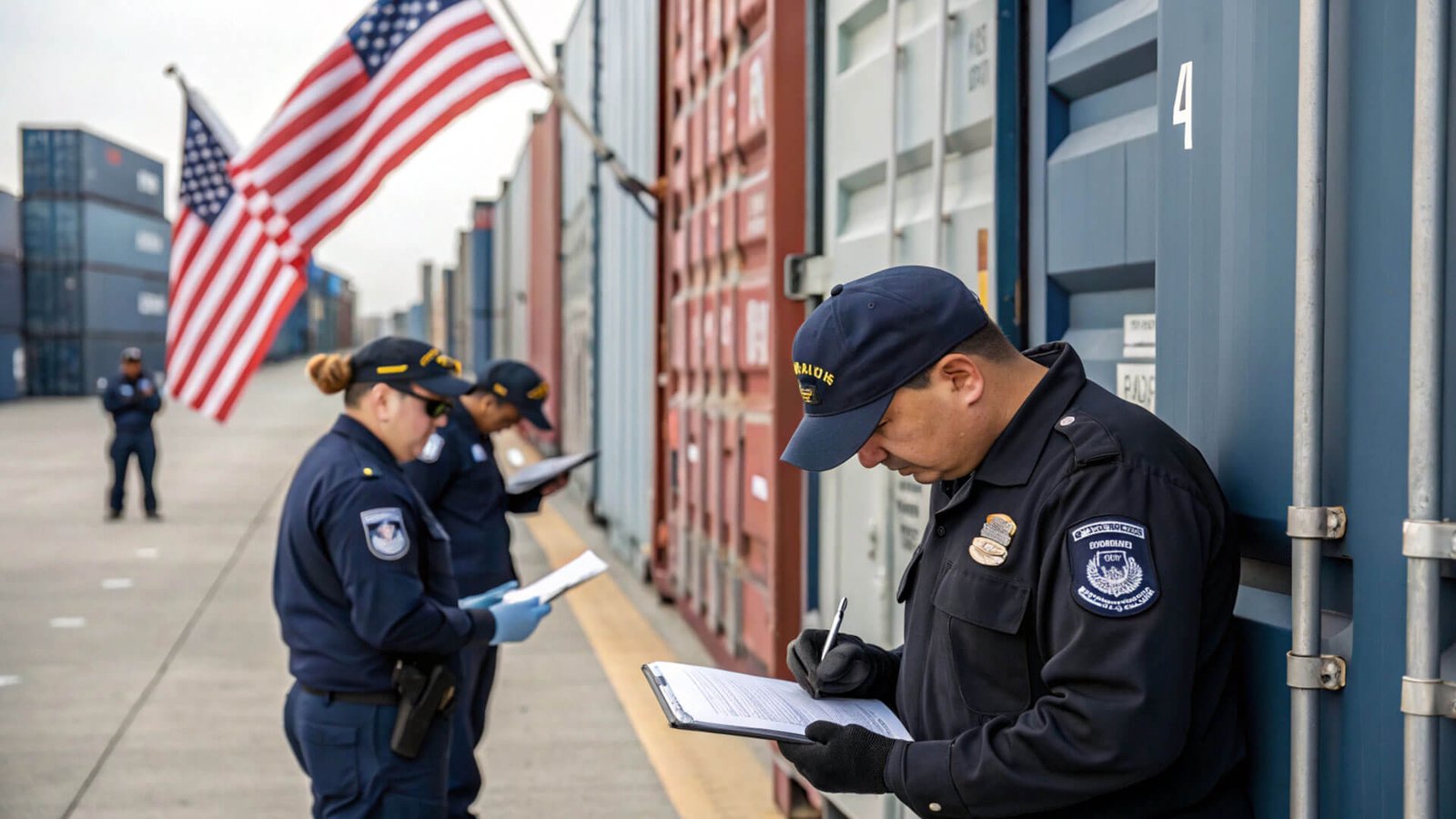
Proper documentation and timely submission of information are essential in the importing process. Alarmingly, many importers overlook these details, resulting in shipment delays3 and potential financial losses.
Key Filings for Sunglasses
The following outlines key FDA filings that must be in place for successful importation:
- FDA Registration: Ensure that your company is registered with the FDA.
- Device Listing6: List your sunglasses with the FDA to comply with device regulations.
- Prior Notice7: Submit information to the FDA before your shipment arrives in the U.S.
These steps are necessary for compliance and to facilitate a smooth import process.
Customs classification and HTS codes9 for sunglasses determine duty rates, trade remedies, and compliance exposure?
Navigating customs classification can be a daunting task, but it’s a necessary component of the import process. Properly classifying your sunglasses is crucial for determining duty rates and potential penalties.
Sunglasses are typically classified under HTS Chapter 90, but frame material, lens type, and corrective features affect the final code. Correct classification determines base duty rates and eligibility for Section 301 tariffs10. Misclassification can trigger penalties.

Understanding HTS codes9 and their implications is critical to effectively managing your costs. Misclassification can lead to unexpected financial burdens when importing sunglasses.
Importance of HTS Classification
When importing sunglasses, here are important factors to consider regarding HTS codes9:
| Factor | Impact on Importing |
|---|---|
| Frame Material | Affects classification and duty rates |
| Lens Type | Determines applicable tariffs |
| Corrective Features | Changes the classification entirely |
Getting the HTS code right is essential for a smooth customs process.
Mandatory testing, labeling, and product standards must be met to avoid FDA detention and CBP shipment holds?
To ensure compliance, it’s essential to be aware of the mandatory testing and labeling requirements11 that pertain to sunglasses. Meeting these standards helps avoid complications during the import process.
Imported sunglasses must meet FDA performance standards, including impact resistance12 and labeling requirements11. Products lacking compliant labeling or test documentation are frequently detained. Gaps discovered after arrival can lead to costly rework.

Without meeting FDA standards, you risk shipment holds and increased costs. Many importers are caught off guard when their products fail to meet these requirements, leading to significant delays.
Compliance Standards for Sunglasses
Here are some key points regarding mandatory testing and labeling:
- Impact Resistance: Sunglasses must undergo performance testing to ensure they can withstand certain impacts.
- Labeling Requirements: Proper labeling is necessary, including material disclosures and compliance statements.
- Traceability: Maintain documentation for all components to prove compliance with FDA standards.
Failure to adhere to these will lead to complications, including possible detention by the FDA.
Import duties, Section 301 tariffs10, and additional fees significantly affect the landed cost13 of eyewear imports?
Cost factors are a crucial consideration when importing sunglasses. Understanding the duty rates and how they affect your bottom line can help you make better decisions.
Eyewear imports may be subject to base customs duties, Section 301 tariffs10, and additional fees. Duties are value-based, which means accurate valuation affects landed cost13s and profitability for sunglasses.

Awareness of potential tariffs and duties is critical for maintaining profitability. Many importers find themselves surprised by the costs associated with importing eyewear.
Understanding Import Duties
When calculating import duties, consider the following:
| Element | Impact on Costs |
|---|---|
| Base Customs Duties | Varies based on HTS classification |
| Section 301 Tariffs | May apply depending on country of origin |
| Additional Customs Fees | Can vary based on shipment specifics |
Accurate calculation helps prevent unexpected costs after the fact.
Coordinating suppliers, FDA compliance14, and customs brokerage15 is essential to prevent delays, penalties, and rejected shipments?
The final piece of the puzzle is ensuring that all parties involved in the import process are aligned. Coordination is key to a smooth import experience.
Successful eyewear importing requires coordination16 between suppliers, FDA compliance14 teams, and customs brokers. Aligning documentation, testing, and entry data minimizes delays and extra costs.

The importance of teamwork cannot be overstated. Many problems arise from poor communication and lack of coordination16 among stakeholders.
Workflow for Successful Importing
Here’s a brief overview of the workflow when importing sunglasses:
- Supplier Manufacturing & Testing: Ensure products meet standards before shipment.
- FDA Compliance Setup: Register and list devices with the FDA.
- Pre-Shipment Review: Confirm classification and valuation.
- Customs Entry Filing: Accurate data submission is crucial.
- CBP & FDA Review: Prepare for possible inspections.
- Cargo Release: Ensure smooth delivery of your goods.
Efficient coordination16 across these stages is vital for successful importing.
Conclusion
Navigating FDA and customs regulations2 is essential for importing sunglasses and eyewear. Thorough understanding and preparation can save time and avoid costly delays.
Understanding FDA rules is crucial for compliance and avoiding shipment delays when importing eyewear. ↩
Customs regulations impact the import process, and knowing them helps prevent delays and additional costs. ↩
Avoiding shipment delays is key to maintaining a smooth import process and reducing costs. ↩
FDA oversight ensures that imported eyewear meets safety and quality standards, preventing potential holds. ↩
Proper registration is necessary to comply with FDA requirements and avoid importation issues. ↩
Listing devices with the FDA is a mandatory step to ensure compliance and smooth importation. ↩
Submitting Prior Notice helps prevent delays by informing the FDA about incoming shipments. ↩
Understanding import holds can help importers avoid costly delays and ensure timely delivery. ↩
Correct HTS classification is crucial for determining duty rates and avoiding penalties. ↩
Section 301 tariffs can significantly impact the cost of importing eyewear, affecting profitability. ↩
Proper labeling ensures compliance with FDA standards and prevents potential detentions. ↩
Meeting impact resistance standards is essential to comply with FDA regulations and avoid shipment holds. ↩
Understanding landed costs helps importers manage expenses and maintain profitability. ↩
Ensuring FDA compliance is vital to avoid penalties and ensure a smooth import process. ↩
Customs brokers facilitate the import process, ensuring compliance and preventing delays. ↩
Effective coordination among stakeholders prevents delays and ensures successful importing. ↩