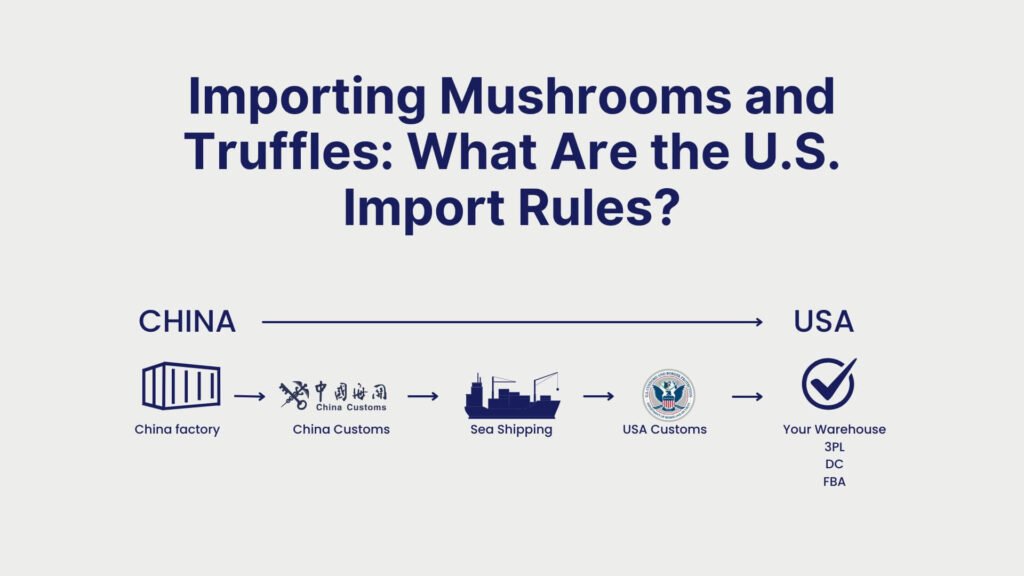
Mushrooms and truffles are an exquisite addition to many culinary dishes. However, importing them into the U.S. can be complicated due to strict regulations. Understanding these rules is essential for successful imports.
Several U.S. agencies regulate the import of mushrooms and truffles. The FDA oversees food safety1 and prior notice, USDA APHIS controls plant health risks2, while U.S. Customs and Border Protection enforces entry3, inspection, and release at the border.
Navigating the landscape of U.S. import regulations is crucial. Each agency has specific responsibilities, and any oversight can lead to costly delays or refusals. Let's break down these regulations to ensure your imports go smoothly.
Which U.S. Agencies Regulate the Import of Mushrooms and Truffles and What Each One Controls?
Mushrooms and truffles are subject to various regulations upon entering the U.S. Each agency has unique roles in the import process, creating a complex landscape for importers4 to navigate.
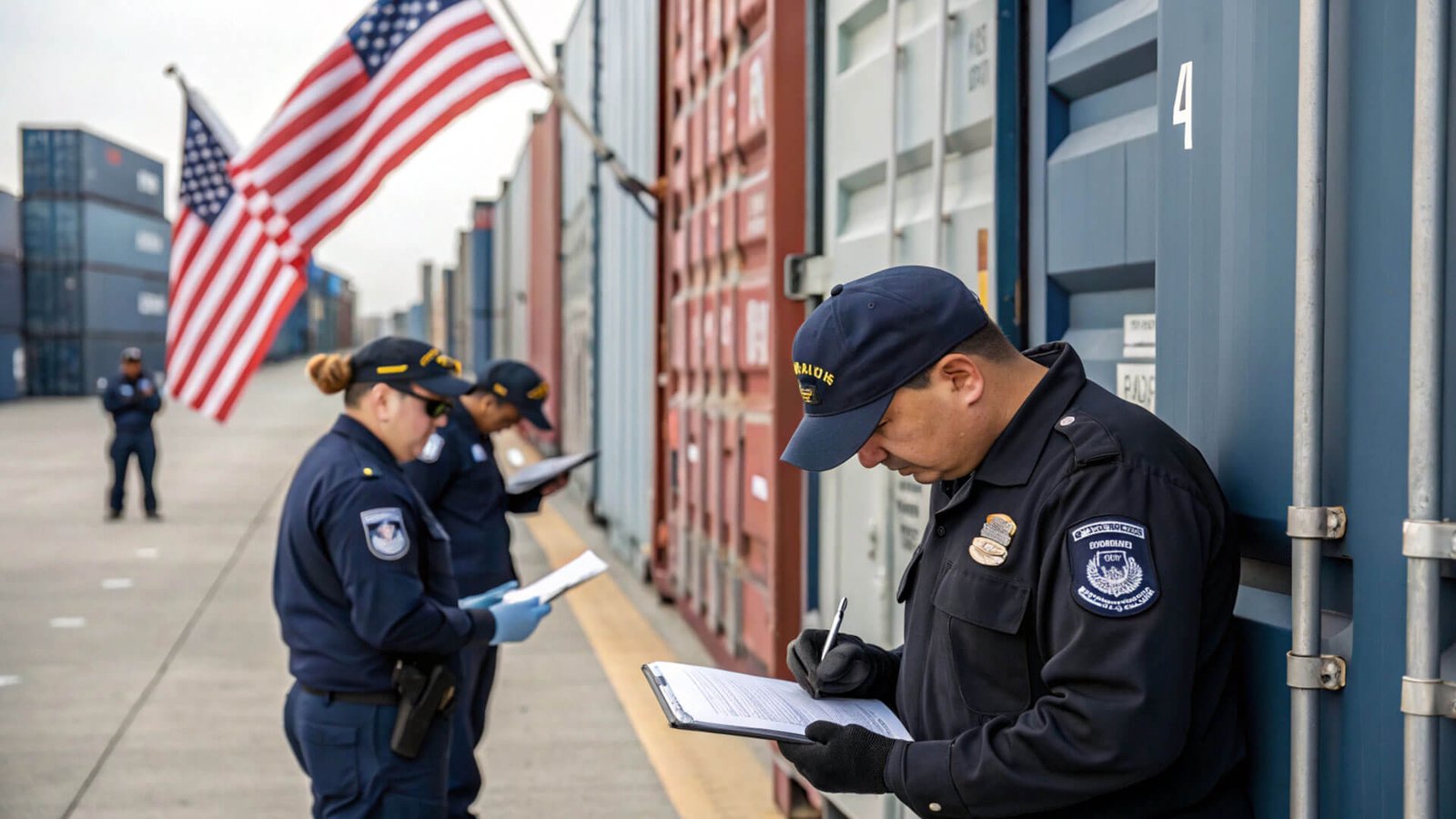
The FDA is responsible for food safety and requires prior notice for all food shipments, including mushrooms and truffles. They ensure products meet safety standards and are safe for consumption. USDA APHIS focuses on safeguarding U.S. agriculture from pests and diseases. They evaluate the plant health risks associated with imported products. Lastly, U.S. Customs and Border Protection (CBP) enforces regulations at the border, including inspection, clearance, and the collection of duties.

Understanding the roles of these agencies is vital. Each has different requirements for documentation, inspection, and compliance. Ignoring any of these regulations can lead to problems at the port of entry, including seizure or destruction of your valuable shipment.
How Import Rules Differ for Fresh, Frozen, Dried, and Preserved Mushrooms and Truffles?
The form of mushrooms or truffles you import significantly impacts the rules governing their entry into the U.S.
Fresh mushrooms and truffles5 are subject to the strictest regulations due to their higher risks for pests and soil contamination. In contrast, frozen, dried, or preserved varieties6 generally face fewer restrictions. Each product type has its own set of documentation and permits that must align with its specific conditions.
Product condition dictates how an importer should prepare for shipment. For example, fresh products often require more detailed documentation and are more likely to be held for inspection. It is essential for importers to match their permits and handling requirements to the specific product type. Failing to do so can complicate the import process.
What Permits, Prior Notices, and Registrations Are Required Before Shipping to the U.S.?
Before shipping mushrooms or truffles, importers need to fulfill specific requirements.
Importers must confirm that their foreign facilities are FDA-registered and submit an FDA Prior Notice7 for every shipment. Certain types of fresh mushrooms or truffles may also require APHIS permits8 to ensure compliance with plant health regulations. Missing any permits or notices can lead to holds or refusal upon arrival at U.S. ports.

Having the correct permits and prior notices in place is critical. These documents serve as proof that you are compliant with U.S. regulations. Without them, your shipment could face significant delays or even destruction, resulting in financial losses.
How Mushrooms and Truffles Are Inspected, Cleared, or Refused at U.S. Ports of Entry?
Upon arrival in the U.S., mushrooms and truffles undergo rigorous inspections by customs authorities.
The inspection process9 focuses on identifying pests, contamination, and verifying labeling accuracy. Fresh products typically face higher inspection rates, while frozen or dried varieties may be inspected less frequently. Any discrepancies found during inspection can result in cargo being held, re-exported, or destroyed. Successful clearance depends on the alignment between declared product types, permits, and the physical condition of the shipment.

Understanding how inspections work can prepare importers for the realities of shipping. Proper documentation and compliance with regulations significantly reduce the likelihood of issues during the inspection process9.
What Common Compliance Mistakes Cause Delays, Seizures, or Destruction of Shipments?
Many importers make common mistakes that can lead to delays or refusals.
Common compliance errors10 include misdeclaring fresh versus processed products, missing the FDA Prior Notice7, improper labeling, and lacking required APHIS approvals. Such mistakes often lead to holds or destruction of shipments, particularly for perishable goods. Conducting pre-shipment compliance checks11 is essential in avoiding these pitfalls.
Being aware of these potential mistakes helps importers take proactive steps to ensure smooth shipments. A thorough review of documentation and compliance processes can save time and money in the long run.
How Importers Can Successfully Manage End-to-End Logistics for Mushrooms and Truffles?
Successful importers utilize efficient logistics strategies to ensure compliance and reduce risks associated with perishables.
To manage the logistics of importing mushrooms and truffles, it's essential to combine regulatory planning with cold-chain logistics12 and broker coordination. By aligning permits, prior notices, transport timing, and inspections, importers can minimize spoilage risk and clearance delays. This end-to-end management approach is crucial for high-value, perishable products.

An effective logistics strategy does not just involve transport; it encompasses the entire import process. Engaging with customs brokers can streamline the coordination of regulatory requirements and logistics, ensuring a smoother import experience.
Conclusion
Understanding U.S. import rules for mushrooms and truffles is key to avoiding delays and ensuring compliance.
Explore how the FDA ensures imported food products, like mushrooms and truffles, meet safety standards, crucial for importers to understand. ↩
Learn about USDA APHIS's role in protecting U.S. agriculture from pests and diseases, vital for importing mushrooms and truffles. ↩
Discover how U.S. Customs and Border Protection ensures compliance with import regulations at the border, essential for importers. ↩
Understand the challenges importers face with multiple agencies and regulations, helping you navigate the import process effectively. ↩
Find out why fresh mushrooms and truffles face stricter import regulations, important for compliance and successful importation. ↩
Learn about the different import rules for non-fresh varieties, which generally face fewer restrictions, aiding in planning imports. ↩
Explore the necessity of FDA Prior Notice for shipments, a critical step to avoid delays or refusals at U.S. ports. ↩
Understand the importance of APHIS permits in ensuring plant health compliance, crucial for importing certain fresh products. ↩
Gain insights into the inspection process at U.S. ports, helping you prepare for potential challenges during importation. ↩
Identify frequent mistakes that lead to shipment delays or destruction, helping you avoid costly errors in the import process. ↩
Learn the benefits of conducting compliance checks before shipping, crucial for preventing delays and ensuring smooth importation. ↩
Discover the role of cold-chain logistics in maintaining product quality and reducing spoilage risk during importation. ↩