Many companies look for ways to cut costs and improve efficiency. As a logistics service provider, I often hear from U.S. importers about their challenges and reasons for importing goods. Understanding these reasons can help businesses make informed decisions.
Many companies import goods to lower unit costs1 compared to domestic production. Global sourcing can provide access to lower labor costs, specialized manufacturing, or economies of scale2, allowing importers to improve margins while maintaining competitive pricing3 in the U.S. market.
When companies decide to import products, they often have multiple motivations. While the benefits are clear, many businesses still struggle with the process.
Companies import goods to reduce production costs, access competitive pricing3, and improve overall profit margins?
Many companies face pressure to reduce expenses and maximize profits. As a logistics expert, I have seen firsthand how importing can directly address these challenges.
Importing allows businesses to take advantage of lower production costs4 abroad. This strategy not only reduces the overall expenses but also enhances profit margins. By leveraging global resources, companies can maintain competitiveness in their pricing.

Importing products can tap into labor markets5 where costs are significantly lower. This means businesses can achieve more efficient production without sacrificing quality. For U.S. importers, maintaining a balance between cost and quality is essential. By evaluating overseas suppliers6, importers can source goods that align with their financial goals.
Cost Reduction Strategies Through Importing
| Strategy | Benefits |
|---|---|
| Lower Labor Costs | Access to cheaper labor can reduce unit costs. |
| Economies of Scale | Larger production runs can lead to cost savings. |
| Specialized Manufacturing | Access to unique processes and products not available domestically. |
By understanding these factors, importers can make strategic decisions that align with their business objectives.
As markets evolve, some products become scarce or unavailable in the U.S. This limitation can impact production and sales.
Businesses often import to fill gaps in product offerings7. By sourcing unavailable goods or materials from abroad, they can maintain operational efficiency and meet consumer demands. This is essential for maintaining a competitive edge.
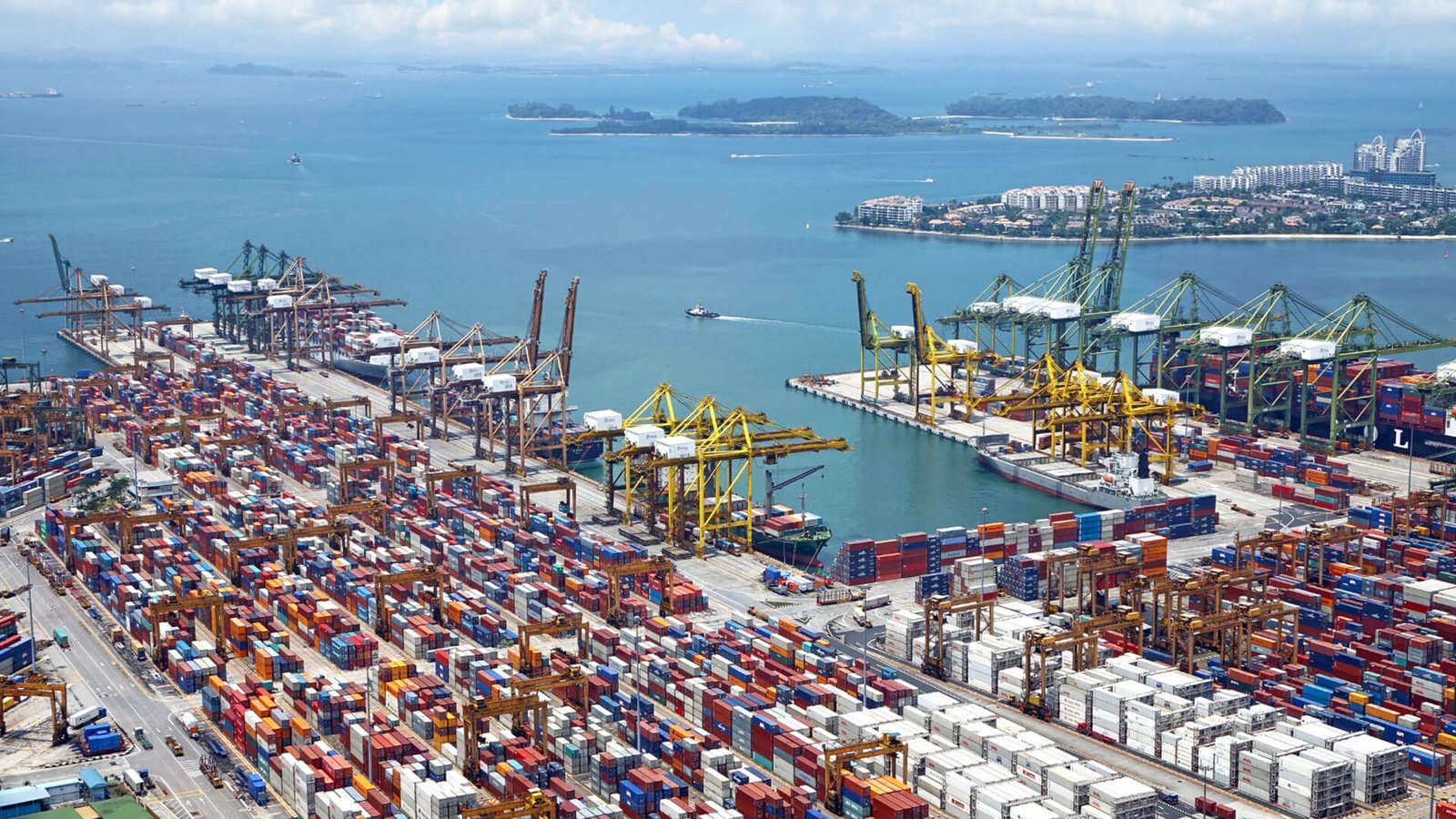
Throughout my career, I've seen the importance of accessing niche products8. For instance, companies in the tech sector often import specialized components not available in the U.S. This not only supports their production but also enhances their ability to innovate.
Importance of Accessing Unavailable Goods
| Type of Product | Reason for Import |
|---|---|
| Raw Materials | Critical inputs for manufacturing processes. |
| Unique Designs | Original products that differentiate offerings. |
| Specialized Components | Essential parts that enhance product functionality. |
By sourcing these goods from international suppliers, businesses can ensure they remain competitive and responsive to market changes.
Many companies import goods to maintain supply chain continuity9 and reduce the risk of domestic shortages or disruptions?
Supply chain disruptions can lead to significant losses for businesses. Companies must navigate these challenges to maintain operational flow.
Importing from multiple countries helps companies reduce reliance on a single domestic source. By diversifying suppliers internationally, businesses can better manage disruptions, seasonal shortages, or capacity constraints while keeping inventory flowing to customers.
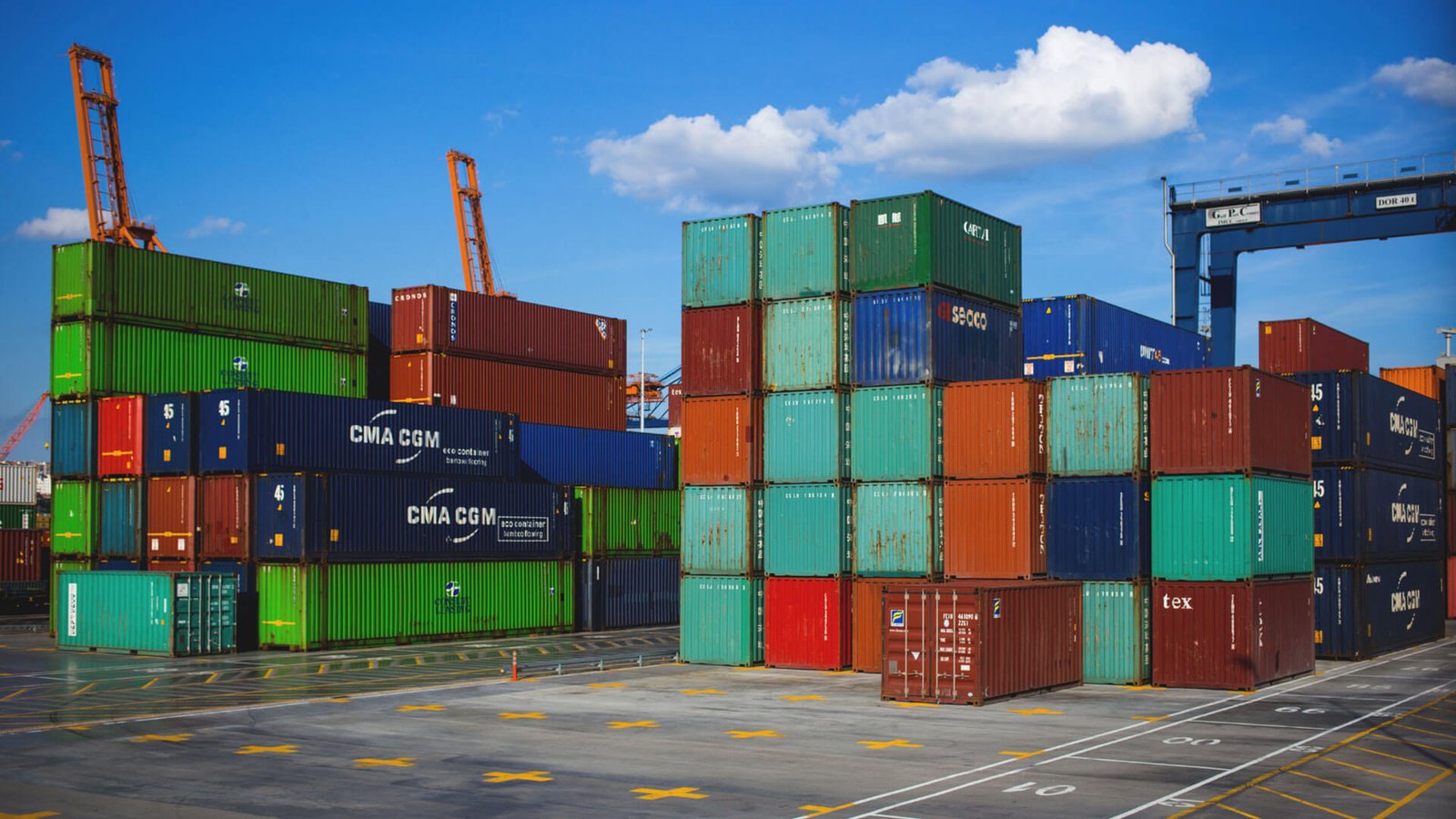
I’ve worked with companies that faced unexpected supply shortages due to natural disasters or political unrest. They learned the hard way that having multiple sources is crucial for resilience. By establishing relationships with suppliers across various regions, they could mitigate risks and maintain their supply chain.
Strategies for Supply Chain Continuity
| Strategy | Benefits |
|---|---|
| Supplier Diversification | Reduces dependence on a single source. |
| Geographic Spread | Limits impact from regional disruptions. |
| Inventory Management | Ensures stock levels are maintained. |
Ensuring a steady supply chain is vital for any business, and importing plays a critical role in achieving this.
Importing products enables businesses to expand product offerings7, improve quality, and stay competitive in global markets?
Being competitive means continuously meeting customer needs and expectations. Importing can play a pivotal role in this process.
Importing allows companies to offer a wider range of products, access advanced manufacturing capabilities10, or improve quality standards. This flexibility helps businesses differentiate themselves, meet customer expectations, and remain competitive in price-sensitive or fast-moving markets.

In my experience, businesses that import are often able to innovate and expand their product lines. For example, a retailer importing unique goods can attract more customers and increase sales. This competitive advantage can be crucial in saturated markets.
The Impact of Importing on Product Offerings
| Benefit | Description |
|---|---|
| Wider Selection | Access to diverse products enhances appeal. |
| Quality Improvements | Utilize advanced manufacturing techniques. |
| Competitive Pricing | Ability to offer attractive prices to consumers. |
By strategically importing, businesses can remain relevant and thrive in a global marketplace.
Strategic importing supports business growth by optimizing sourcing, scaling operations, and controlling landed costs11?
For many businesses, importing isn’t just about acquiring products; it's about integrating this practice into their overall strategy for growth.
When managed strategically, importing supports long-term growth by aligning sourcing decisions with logistics, compliance, and cost planning. Companies that understand landed cost, duties, and delivery timelines can scale operations efficiently while protecting margins and service levels.

During my work with various importers, I’ve noticed that those who incorporate importing into their growth strategies see better results. They optimize their supply chains, reduce operational risks, and maintain high service levels—all while keeping costs in check.
Keys to Strategic Importing
| Element | Importance |
|---|---|
| Landed Cost Control | Understanding total costs beyond product price. |
| Logistics Planning | Ensures timely delivery and compliance. |
| Supplier Relationships | Building strong ties for better pricing. |
By focusing on these elements, importers can create a robust framework for growth and success.
Conclusion
Understanding the reasons for importing is crucial for U.S. businesses looking to maximize their operational efficiency and remain competitive.
Explore how importing can reduce production expenses, helping businesses maintain competitive pricing and improve profit margins. ↩
Understand how larger production runs through importing can lead to significant cost savings for businesses. ↩
Discover how maintaining competitive pricing through importing can help businesses stay ahead in the U.S. market. ↩
Find out how importing can cut production expenses, allowing businesses to enhance their profit margins. ↩
Explore how tapping into international labor markets can lead to more efficient production without sacrificing quality. ↩
Learn about the importance of evaluating overseas suppliers to source goods that align with financial goals. ↩
Find out how importing enables companies to offer a wider range of products, enhancing their market appeal. ↩
Understand the significance of accessing niche products through importing to support innovation and production. ↩
Discover how importing from multiple countries can reduce reliance on a single source, ensuring a steady supply chain. ↩
Learn how accessing advanced manufacturing through importing can improve product quality and competitiveness. ↩
Discover the importance of understanding total costs, including duties and delivery, to scale operations efficiently. ↩