
Importing fragile ceramics is risky. Damaged goods and port delays can destroy your profits. I'll show you how to protect your shipment and your bottom line.
To import ceramics safely, you need expert packaging1, correct customs documentation, and a shipping plan that minimizes handling. A DDP service with a U.S. customs broker2 ensures your fragile cargo is managed correctly from the factory in China to your U.S. warehouse, preventing breakage and delays.
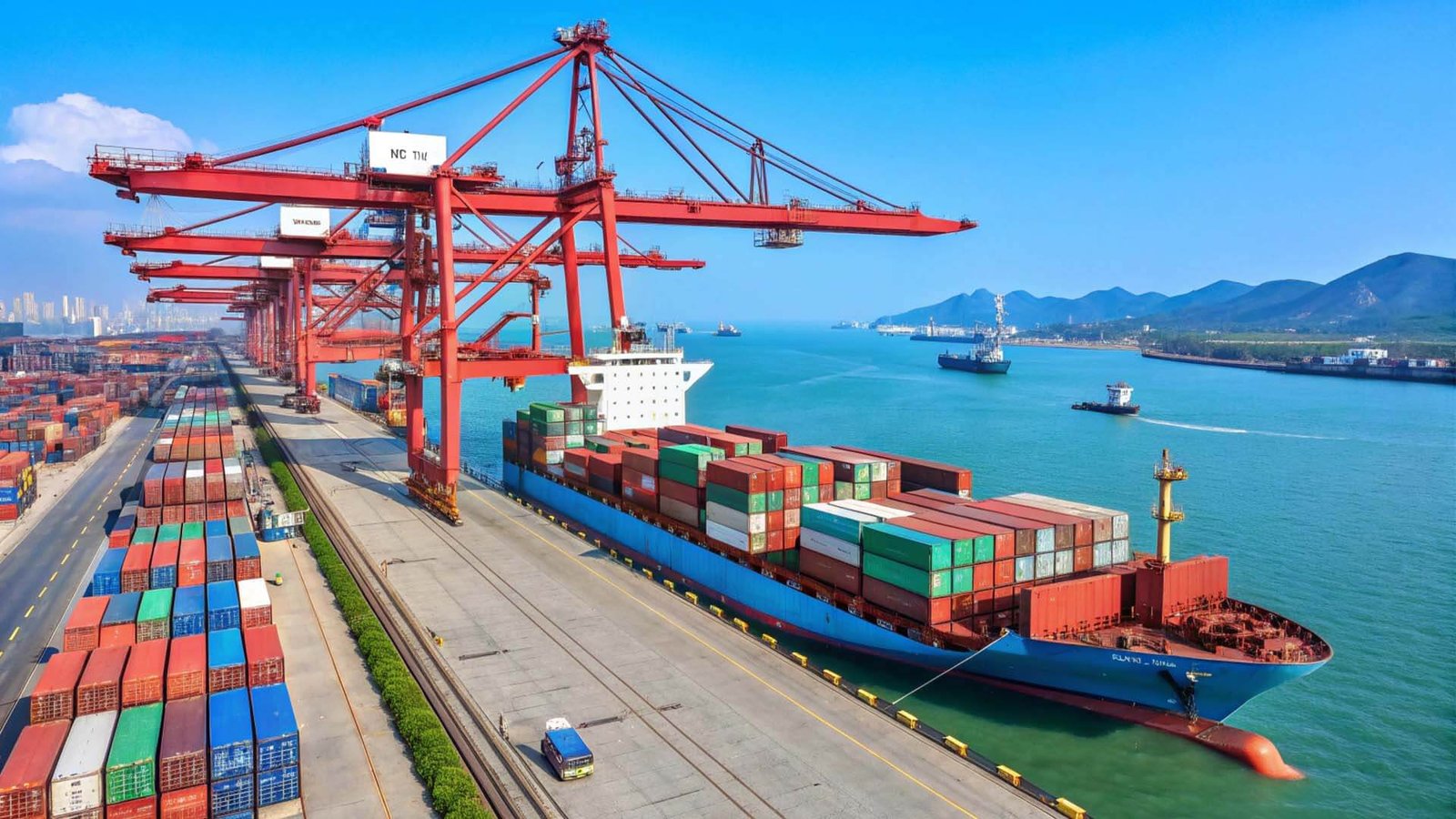
I've seen many importers struggle with ceramic shipments. They focus on the shipping price but forget about the hidden costs of damage and delays3. The truth is, a successful import depends on getting the details right before the container leaves China. Let's break down exactly what those details are so you can avoid common mistakes and protect your investment.
Which Types of Ceramics Face the Highest Risk of Damage and Inspection When Imported Into the U.S.?
Think all ceramics carry the same risk? Wrong. Certain types attract more inspections and handling, which increases the chance of breakage. Let's identify the riskiest items in your container.
Fragile ceramic tableware4 and heavy, dense items like large planters and sanitaryware face the highest risk. Their brittleness makes them prone to damage during handling, while their weight and density can trigger more intensive customs exams5, making the risk of breakage and costly delays even higher.
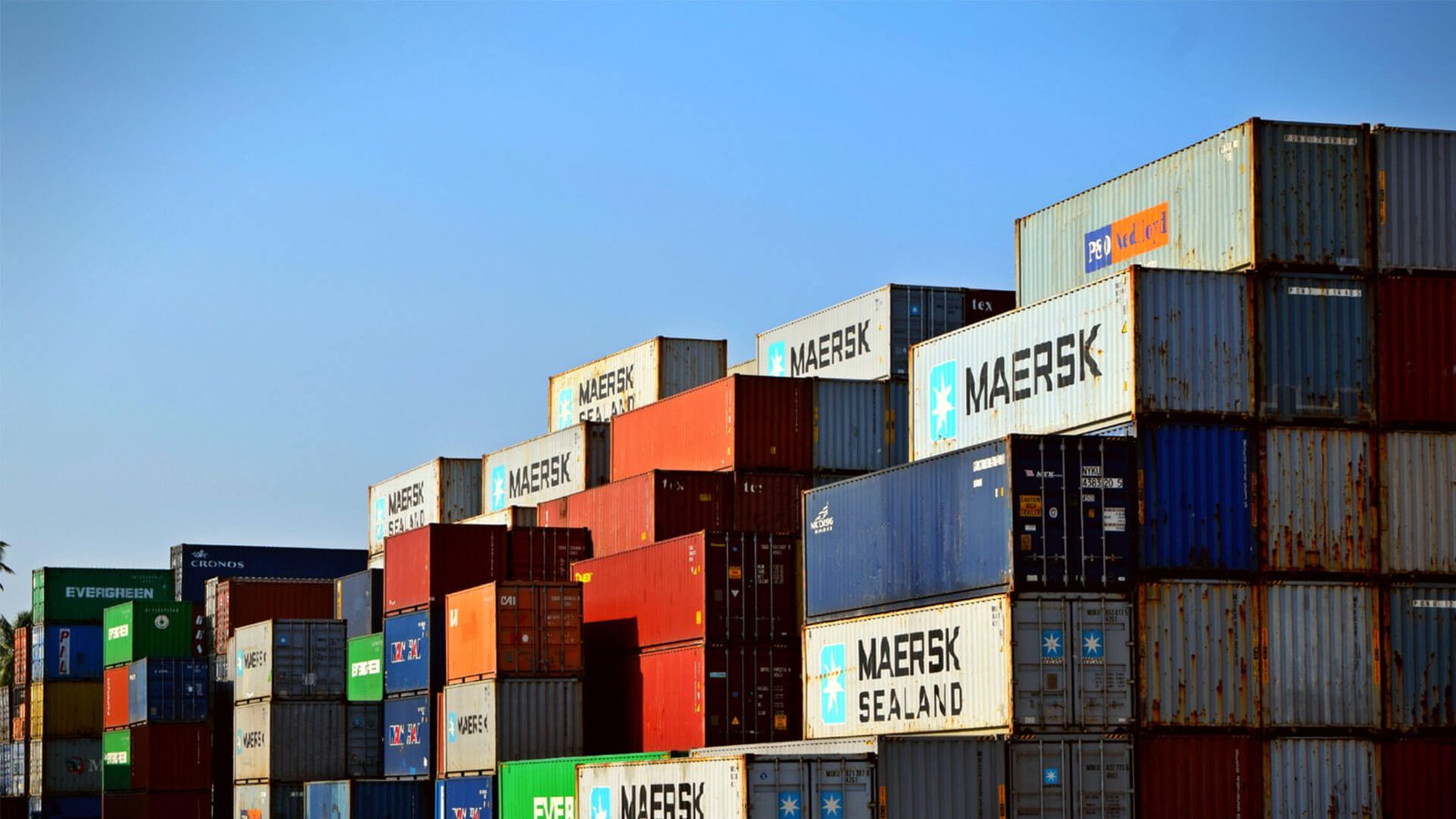
It's easy to group all ceramics together, but that's a mistake. U.S. Customs and shipping handlers see them very differently. Your risk level changes based on what you're shipping, and you need to plan for it. The key is to understand how the physical properties of your product are viewed by the people who will handle it, from the port workers to the customs officers. A smart importer anticipates these risks and prepares for them long before the container is even loaded.
Why Different Ceramics Carry Different Risks
Your risk profile changes based on what you're shipping. Ceramic tableware is extremely fragile. Think of plates and mugs. They are lightweight but break easily, especially with rough handling during a customs exam. On the other hand, ceramic tiles6 are dense and heavy. They are less likely to shatter from a small bump but can crack under pressure if not palletized correctly. Large planters and sanitaryware, like toilets, are both heavy and brittle. This combination makes them a prime target for customs exams5. Agents often want to check for hidden compartments or undeclared goods in large, dense items. You might think a shipment of low-value decorative items is safe, but that's not true. Customs focuses on physical characteristics, not just the declared value. A container packed with dense, oddly shaped ceramics will always look more suspicious than one with uniform boxes. This is why understanding the specific risks for your product is the first step.
What U.S. Importers Must Know About Customs Rules, FDA Requirements, and HTS Classification for Ceramics?
Navigating customs rules for ceramics can feel overwhelming. A wrong HTS code7 or an FDA flag can hold your shipment indefinitely. I'll clarify what you absolutely need to know.
All ceramic imports require an accurate HTS code7 for duty calculation. Ceramics intended for food contact, like tableware, must also meet FDA standards for lead and cadmium8. Misclassification or failing to meet FDA rules are common reasons for holds, exams, and penalties at the U.S. border.
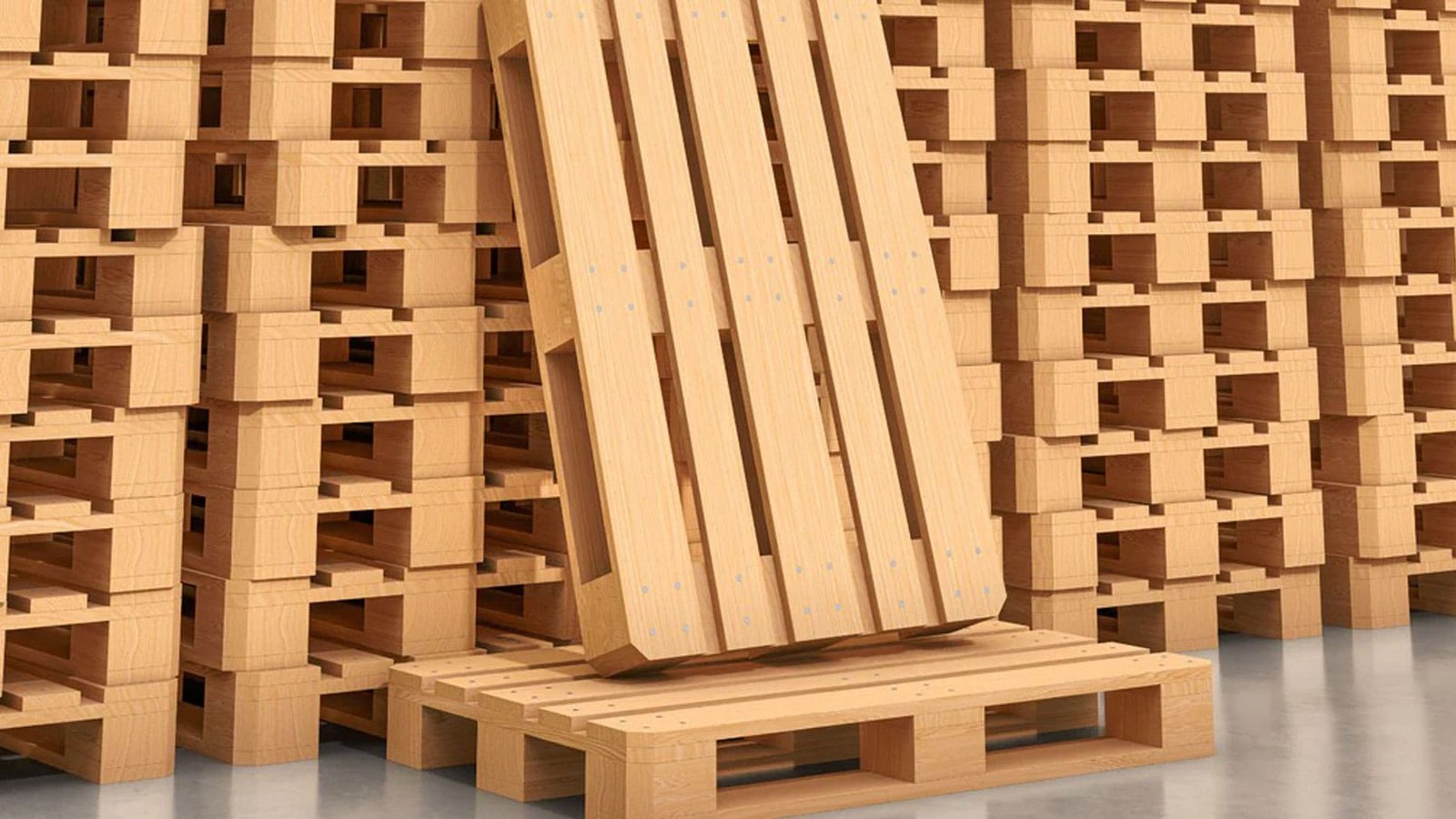
Two government agencies are watching your ceramic shipment: U.S. Customs and Border Protection (CBP) and the Food and Drug Administration (FDA). You have to satisfy both. Ignoring one can cause major problems for your entire business. These agencies don't care about your deadlines or your customers. They care about compliance. Getting your documentation perfect is not just about avoiding delays; it’s about building a reputation as a trusted importer, which can lead to fewer inspections in the future.
CBP vs. FDA: What Importers Must Declare
CBP is the gatekeeper. Their main job is to ensure you've classified your products correctly and paid the right amount of duty. This is done using the Harmonized Tariff Schedule (HTS) code. Getting this code wrong is a huge red flag. It can lead to penalties and a much deeper look at your shipment. The FDA gets involved if your ceramics will touch food or drink. This includes dinnerware, mugs, and even some decorative bowls. They test for harmful substances like lead and cadmium. If your supplier can't provide safety certifications, the FDA can refuse entry. I once worked with a client, Mark, who was importing ceramic planters.
Scenario: Misclassified Ceramic Planters Mark was shipping a full container of heavy outdoor ceramic planters from China to Houston. His supplier classified them under a general ceramics HTS code7 to save on duties. This was a mistake. The code didn't match the product description. U.S. Customs flagged the entry for review, putting the container on hold. The shipment was stuck for two weeks while we worked to correct the classification and refile the entry. We got it cleared, but the delay cost Mark storage fees and a missed delivery deadline. The lesson is clear: correct classification isn't optional. It prevents costly holds.
How Packaging, Palletization, and Container Loading Determine Whether Ceramic Shipments Arrive Intact?
You trust your supplier to pack your ceramics correctly. But when a container of broken goods arrives, it's your loss. Here’s how to ensure your products are packed for survival.
Proper packaging is the single most important factor in preventing damage. This includes strong inner cartons, protective cushioning, sturdy export-grade pallets, and strategic container loading that braces the cargo against movement. Insurance can't replace goods broken due to insufficient packaging9, making it your responsibility.
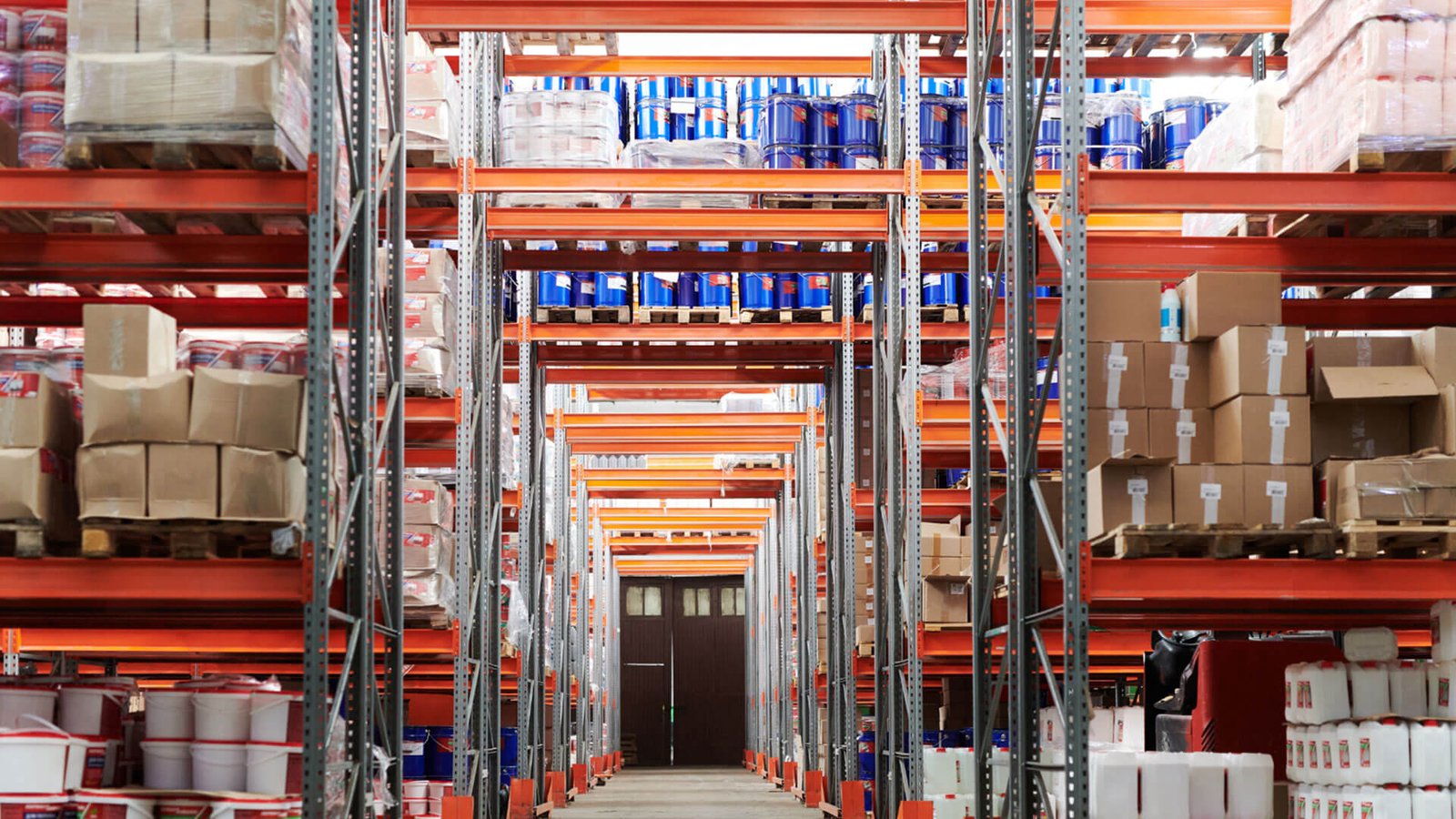
I can't stress this enough: your shipment's survival depends on how it's packed and loaded in China. Insurance companies often deny claims for damage caused by "insufficient packaging9." This means the responsibility falls on you, the importer. You cannot simply trust the factory to handle this critical step. You must provide clear instructions and, if possible, have someone verify the loading process. A few dollars spent on better packaging can save you thousands in lost product and claims headaches.
From the Box to the Container
Think of it in layers. First is the inner packaging10. Each ceramic piece needs its own protection, like molded foam or bubble wrap, inside a sturdy box. Next is the outer packaging. These master cartons must be strong enough to be stacked without crushing. Then comes palletization11. Goods should be stacked squarely on strong, heat-treated pallets, with no overhang. The entire pallet should be shrink-wrapped to create a single, stable block. Finally, there's container loading. A full container load (FCL) should be loaded tightly, using dunnage like airbags or simple bracing to fill any gaps. This prevents cargo from shifting and crashing into other pallets during the rough ocean journey. A weak link in this chain will lead to broken products. It’s a system where every part matters, and failure in one area compromises the entire shipment.
How Import Duties, Section 301 Tariffs, and the $800 Rule Actually Apply to Ceramic Imports?
Worried about surprise tariffs on your ceramic imports? These extra costs can ruin your budget and erase your profits. Let’s break down exactly what duties you should expect to pay.
Most ceramic imports from China are subject to standard MFN duties and additional Section 301 tariffs12, which can be substantial. The $800 de minimis rule13, which allows some small shipments to enter duty-free, does not apply to commercial freight containers, a common point of confusion.
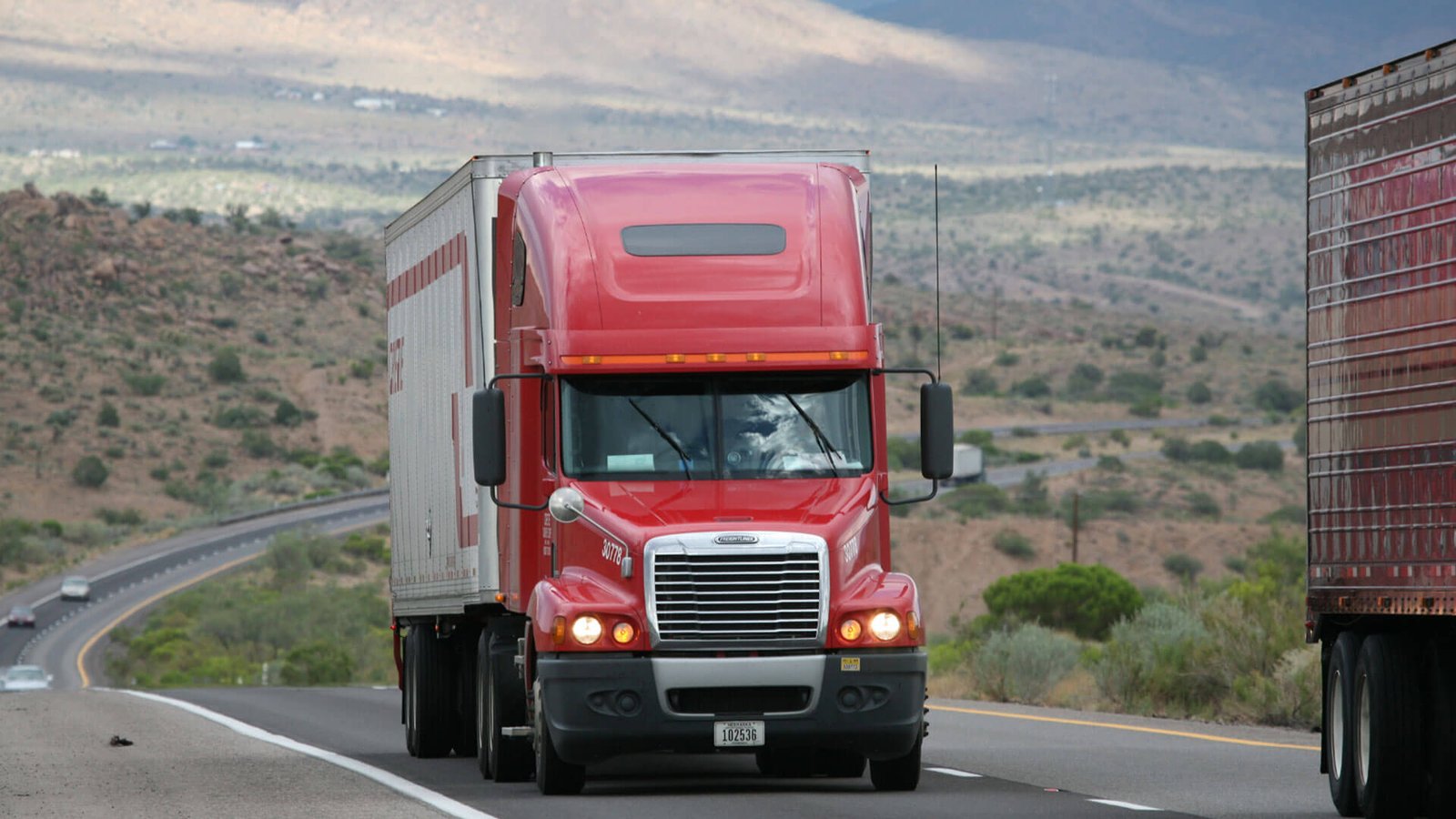
Let's talk about the money. The final landed cost14 of your ceramics depends heavily on duties and tariffs. Many importers are surprised by the final bill because they didn't account for all the applicable taxes. You must know these numbers before you even place your order with the factory. This isn't just about budgeting; it's about confirming if the product is even profitable to import in the first place. A clear understanding of your total costs protects your margin.
Understanding Your Tax Bill
There are two main taxes to consider for Chinese ceramics. First is the standard Most-Favored-Nation (MFN) duty. For most ceramics, this ranges from 3% to 28%, depending on the specific HTS code7. Second, and more significant, are the Section 301 tariffs12. These are extra tariffs specifically targeting goods from China. Many ceramic products fall under this list, adding up to 25% on top of the MFN duty. It's also important to understand the $800 de minimis rule13. This rule lets individuals receive packages valued under $800 duty-free. However, it does not apply to a commercial freight shipment, even if it contains many small items. CBP views the entire container as one commercial entry. I had a client learn this the hard way.
Scenario: The Broken Tableware Shipment A new importer was shipping a full container of ceramic dinnerware from China to Los Angeles under DDP terms. They assumed the supplier's packaging was good enough. However, the inner boxes were flimsy, with minimal cushioning. When U.S. Customs selected the container for an X-ray exam, it required moving some pallets. The extra handling, combined with the poor packaging, resulted in a 20% breakage rate. The DDP provider didn't take responsibility because the root cause was "insufficient packaging9" from the factory. The importer lost thousands and learned that DDP doesn't fix bad preparation.
Common Reasons Ceramic Shipments Are Delayed at U.S. Ports and How Importers Can Prevent Holds and Exams?
Is your ceramic shipment stuck in customs? Port delays mean storage fees and angry customers. I'll show you the common triggers for holds and how to avoid them completely.
The most common reasons for delays are vague or incorrect commercial invoices15, FDA compliance issues for food-contact items, and random customs exams16s](https://scarbroughglobal.com/u-s-customs-exams-explained/)%%%FOOTNOTE_REF_5%%%. You can prevent most holds by ensuring your documents are detailed, filing entries early with a broker, and having all compliance paperwork ready.

Nothing is more frustrating than seeing your container just sitting at the port. Most of the time, these delays are not random. They are caused by specific red flags in your paperwork that you can control. A delay isn't just a matter of waiting a few extra days. It means demurrage and detention fees17, which can add up to hundreds of dollars per day. It also means breaking delivery promises to your customers. Preventing these holds is one of the most effective ways to protect your profit.
How to Avoid Common Customs Holds
The number one reason for a hold is a lazy product description. An invoice that just says "Ceramics" is not enough. It needs to say "8-inch white ceramic dinner plates" or "12-inch blue glazed ceramic planters." Vague descriptions force CBP to inspect the container. Another major trigger is FDA review. If you import tableware, you must declare it to the FDA. If you don't, or if your supplier information is missing, it will be held. Finally, there are random exams. While you can't prevent all of them, a clean record helps. By working with a U.S. customs broker, we can pre-review all your documents before the ship even arrives. This "pre-clearance" process catches errors early and shows CBP you are a compliant importer, reducing your chances of an exam.
Ceramics Import Risk Matrix
| Ceramic Type | Damage Risk | Customs Risk | Tariff Exposure |
|---|---|---|---|
| Tableware | High | Medium–High | Medium |
| Decorative items | Medium | Medium | Medium |
| Tiles | Low–Medium | Low | Medium |
| Planters | Medium–High | Medium | Medium |
| Sanitaryware | Medium | Low–Medium | Medium |
How U.S. Importers Can Use DDP Shipping and Broker-Controlled Clearance to Reduce Breakage, Delays, and Landed Cost?
DDP shipping promises one simple price. But you often lose control, leading to damaged goods and hidden fees. There is a better way to use DDP for fragile cargo.
The safest way to import ceramics is with a DDP service where a U.S. customs broker you choose controls the U.S. clearance and final delivery. This model combines the convenience of DDP with the accountability and expertise of a U.S.-based partner, preventing common handling and customs issues.
Delivered Duty Paid (DDP) can be a great tool, but only if it's structured correctly. When your supplier in China arranges DDP, they choose the cheapest agents for every step. This often means the U.S. customs clearance and delivery are handled by someone with no accountability to you. You get a single price, but you sacrifice all control over the most sensitive parts of the journey, which is a dangerous trade-off when shipping fragile goods.
The Smart DDP Model
A better approach is what I call "broker-controlled DDP18." In this model, we handle the entire process from the factory in China to your door. But crucially, our own U.S.-based customs brokerage team manages the import entry. This means an expert who works for you is overseeing the most critical part of the process. We coordinate the drayage19 (port trucking) and final delivery, ensuring careful handling. This end-to-end control means we are fully accountable for the entire journey. This approach turns DDP from a gamble into a reliable strategy for fragile imports like ceramics. It gives you the simplicity of one partner and one price, but with the visibility and control you need to protect your products.
Scenario: Flawless Ceramic Tile Delivery A construction supplier needed to import several containers of ceramic tiles from China to a job site in New Jersey. They knew breakage could delay their entire project. We worked with their factory to ensure every pallet was perfectly stacked and braced inside the container. We prepared all customs paperwork weeks in advance. Because the documentation was flawless and filed early by our U.S. team, the containers were cleared electronically before they even arrived at the port. There were no exams. The delivery was scheduled seamlessly, and every tile arrived intact, right on time. This is what happens when logistics and compliance work together.
Conclusion
Importing ceramics isn't hard, but it is unforgiving. Success comes from controlling packaging and customs clearance. The safest path is a DDP service managed by your U.S. customs broker.
Understanding expert packaging techniques can significantly reduce the risk of damage during shipping, ensuring your ceramics arrive intact. ↩
A DDP service with a U.S. customs broker ensures smooth handling and compliance, minimizing delays and breakage during import. ↩
Exploring hidden costs helps you budget accurately and avoid unexpected expenses that can affect your profit margins. ↩
Ceramic tableware is fragile and prone to breakage, understanding its risks can help in planning better packaging and handling. ↩
Customs exams can lead to additional handling, increasing the risk of damage to fragile ceramic items. ↩
Understanding the risks of ceramic tiles helps in planning better packaging and handling to prevent damage. ↩
Correct HTS codes are crucial for duty calculation and compliance, preventing costly holds and penalties. ↩
Meeting FDA standards is essential for food-contact ceramics to avoid holds and ensure safe products for consumers. ↩
Proper packaging is vital to prevent damage; insufficient packaging can result in denied claims and financial loss. ↩
Inner packaging protects individual ceramic pieces, reducing the risk of breakage during transit. ↩
Proper palletization ensures stability and reduces movement, preventing damage during shipping. ↩
Understanding Section 301 tariffs helps in budgeting and assessing the profitability of importing ceramics. ↩
Knowing the limitations of the $800 rule prevents confusion and ensures accurate duty calculations for imports. ↩
Knowing the impact of duties and tariffs helps in budgeting and assessing the profitability of ceramic imports. ↩
Detailed invoices prevent customs holds and ensure smooth clearance, avoiding costly delays. ↩
Reducing the risk of random exams helps in avoiding delays and additional handling that can damage fragile goods. ↩
Avoiding these fees prevents unnecessary costs and ensures timely delivery, protecting your profit margins. ↩
Broker-controlled DDP offers accountability and expertise, ensuring safe and efficient handling of fragile ceramics. ↩
Drayage involves careful handling during port trucking, crucial for preventing damage to fragile ceramic shipments. ↩