Importing goods can seem overwhelming at first. But understanding the process is essential for success. This guide breaks down importing into simple steps for beginners.
An importer is the party legally responsible for ensuring goods entering the United States meet customs laws and regulatory requirements1. The importer of record2 must provide accurate documentation, classification, valuation, and regulatory information to U.S. Customs and Border Protection.

To start as an importer, you need to know the rules. There are many steps involved. Missing any of these can lead to delays. This guide shows you what to do to prevent issues.
What Does It Mean to Be an Importer and Who Is Legally Responsible for Import Compliance?
An importer is someone who brings goods into the United States. This person or company is responsible for complying with customs laws. They need to ensure that shipments meet all regulations and standards. The importer of record2 must provide correct documents and information to U.S. Customs and Border Protection (CBP).
The importer of record2 is the individual or business that has the responsibility for ensuring that imported goods comply with US laws. This responsibility cannot be outsourced entirely, as importers must understand what is being imported and ensure compliance. Customs brokers help with this process, but the final responsibility lies with the importer.
Understanding the role of the importer is vital. If any laws are broken, it can lead to fines or product seizures. This is why working with a knowledgeable customs broker3 can be beneficial. They can assist with documentation and compliance, but ultimately, the importer must ensure everything is correct.
What Steps Happen Before Goods Leave the Supplier in an International Import Transaction?
Before any goods are shipped, importers must confirm certain details. This includes the eligibility of the product, its classification, and the accuracy of all required documents. Early planning can help avoid issues once the goods reach the U.S.
To ensure a smooth import process, follow this pre-shipment checklist:
- Product Classification: Determine the Harmonized System (HS) code4 for your product.
- Supplier Documents: Confirm that all necessary supplier documents are in order.
- Shipping Terms: Decide on the Incoterms5 that will govern the transaction.
- Compliance Review: Ensure all items comply with U.S. regulations.
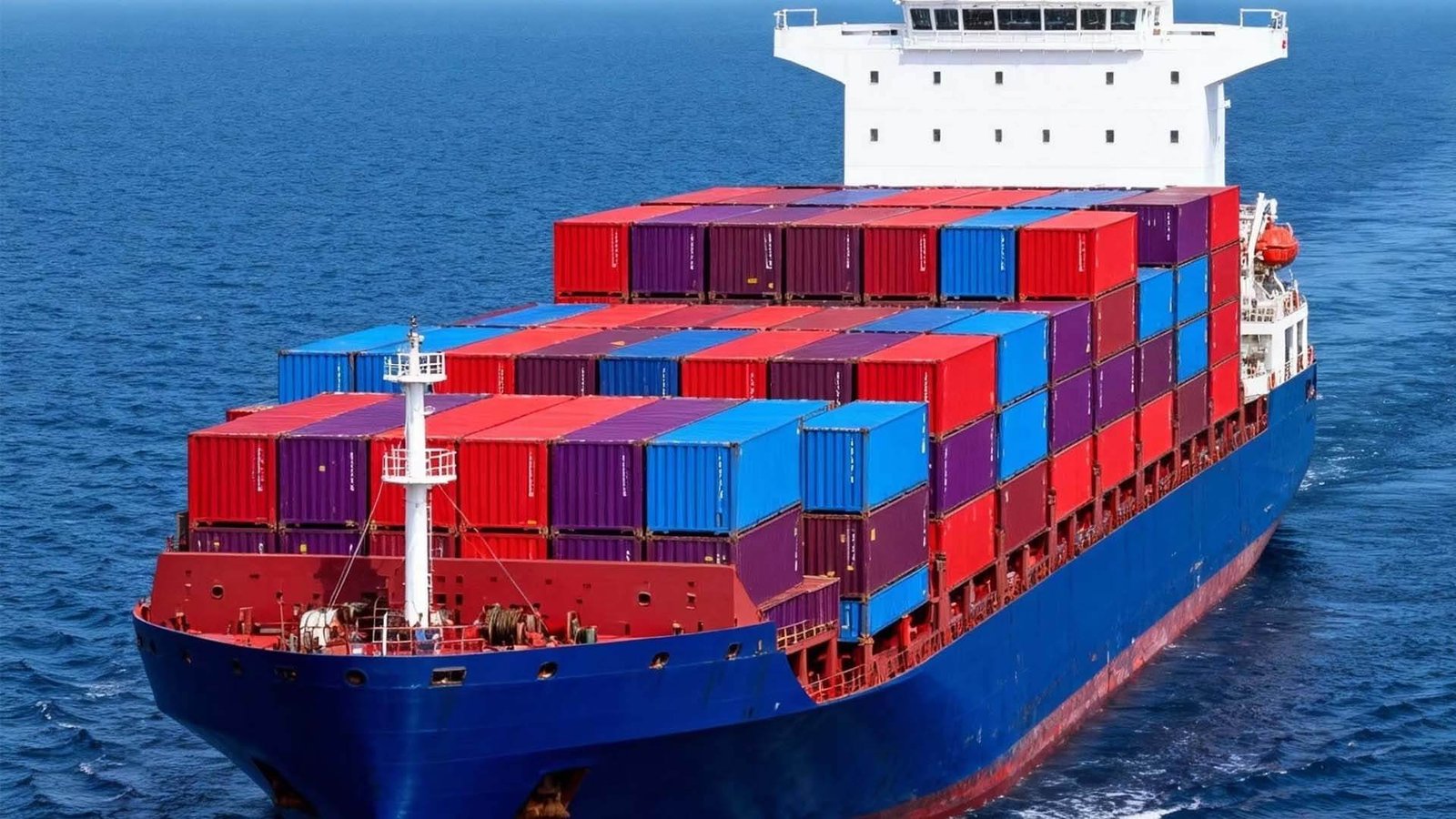
Taking these steps can save time and money. If any detail is incorrect, it can result in delays and increased costs. Therefore, it is crucial to communicate with your supplier and ensure all requirements are met before the shipment leaves.
What Shipping Methods and Incoterms5 Do Beginners Need to Understand?
Shipping methods play a key role in how goods are transported. Understanding these methods and the associated Incoterms5 can help importers manage risks and costs.
Here’s an overview of shipping methods:
| Method | Best For |
|---|---|
| Ocean Freight6 | Large shipments, cost-effective |
| Air Freight | Urgent deliveries, smaller shipments |
Incoterms5 define the responsibilities of buyers and sellers in international transactions. These terms clarify who pays for shipping, insurance, and when ownership of the goods transfers. Familiarity with Incoterms5 helps avoid misunderstandings and unexpected costs.
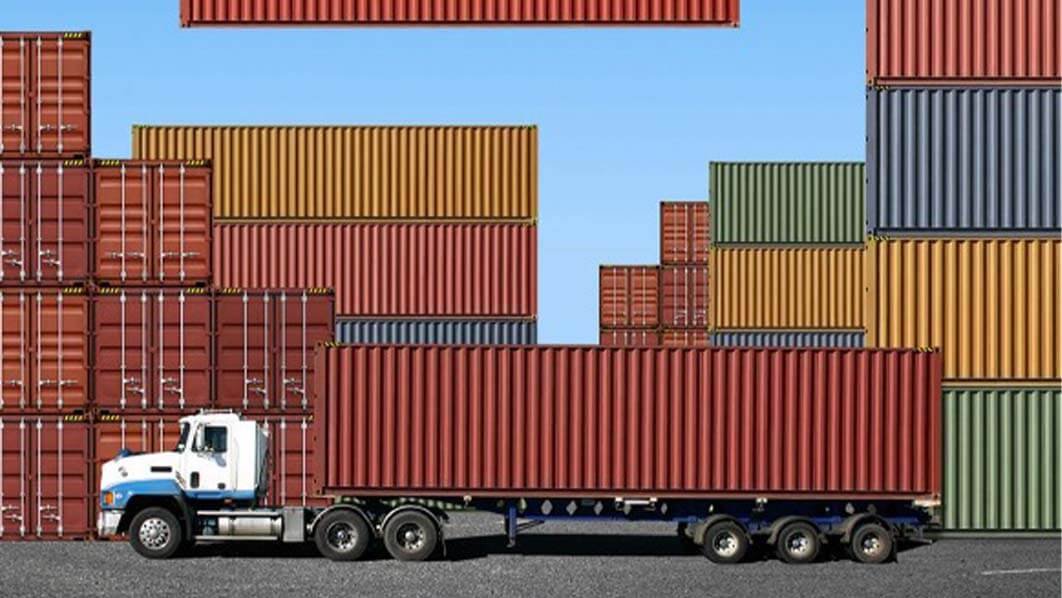
Selecting the right shipping method and understanding Incoterms5 is essential. This helps to establish a clear agreement between the importer and the supplier. By doing this, you can prevent issues that could arise during transportation.
What Documents Are Required for U.S. Customs Clearance?
Customs clearance requires specific documents. Missing any of these can lead to significant delays. Therefore, it's essential to prepare them in advance.
The following documents are typically required:
| Document | Purpose |
|---|---|
| Commercial Invoice7 | Lists goods, prices, and terms of sale. |
| Packing List | Details the contents of each package. |
| Bill of Lading / Air Waybill | Evidence of the contract between the shipper and the carrier. |
| Customs Entry Filing8 | Required for the customs clearance process. |
| Importer Bond9 | A guarantee that duties and fees will be paid. |
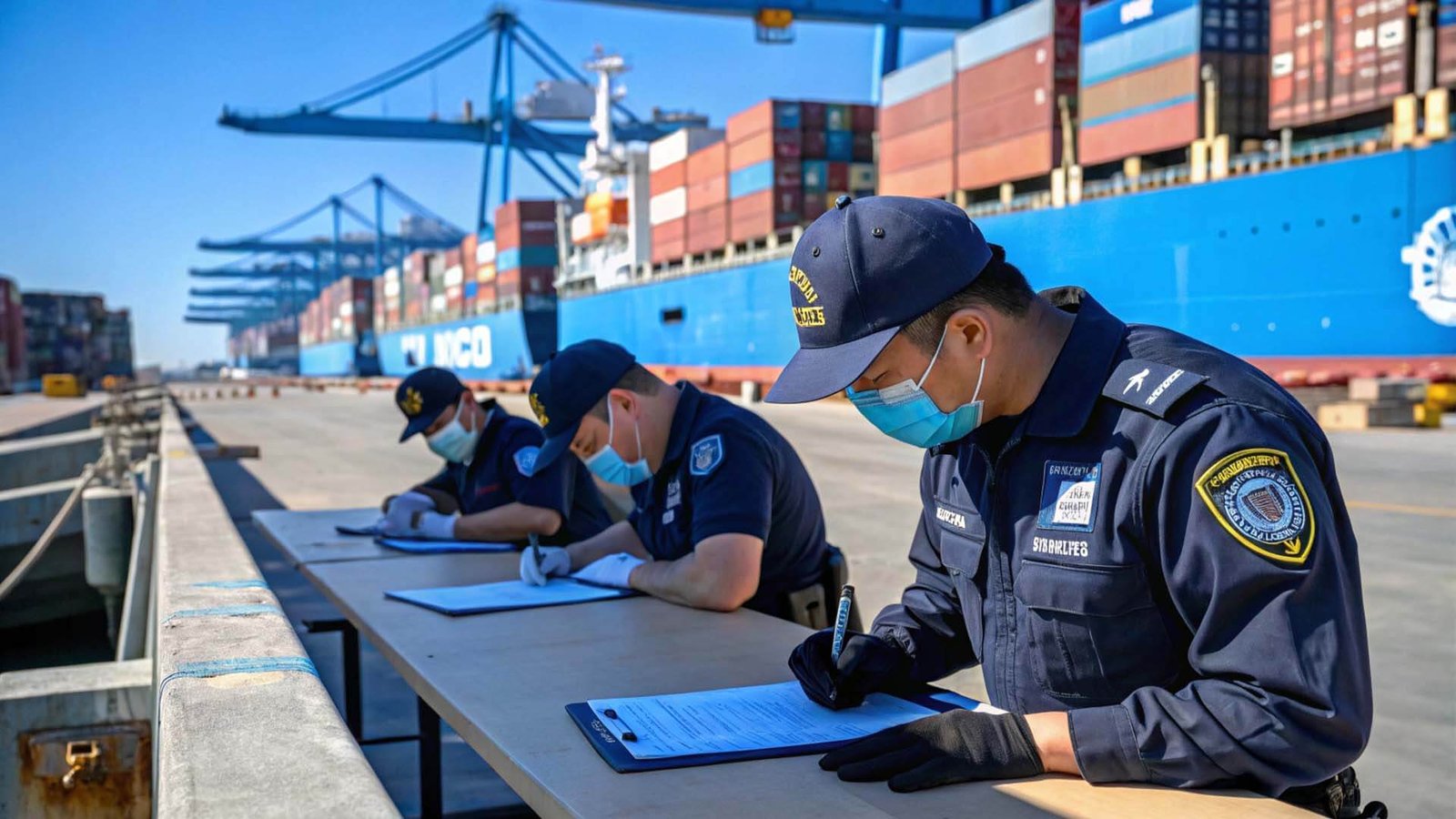
Ensuring that all documents are complete and accurate is vital. Incorrect documentation is one of the most common causes of import delays. Therefore, double-checking each document before submission can save time and resources.
How Duties, Taxes, and Fees Are Calculated When Goods Enter the United States
When goods enter the U.S., several costs may apply. These include customs duties, processing fees, and potentially more depending on the type of goods and shipping method.
Here’s a breakdown of the landed costs:
| Cost Type | Description |
|---|---|
| Customs Duty | A tax imposed on imported goods. |
| MPF | Merchandise Processing Fee. |
| HMF | Harbor Maintenance Fee. |
| Freight Cost | The cost of transporting the goods. |
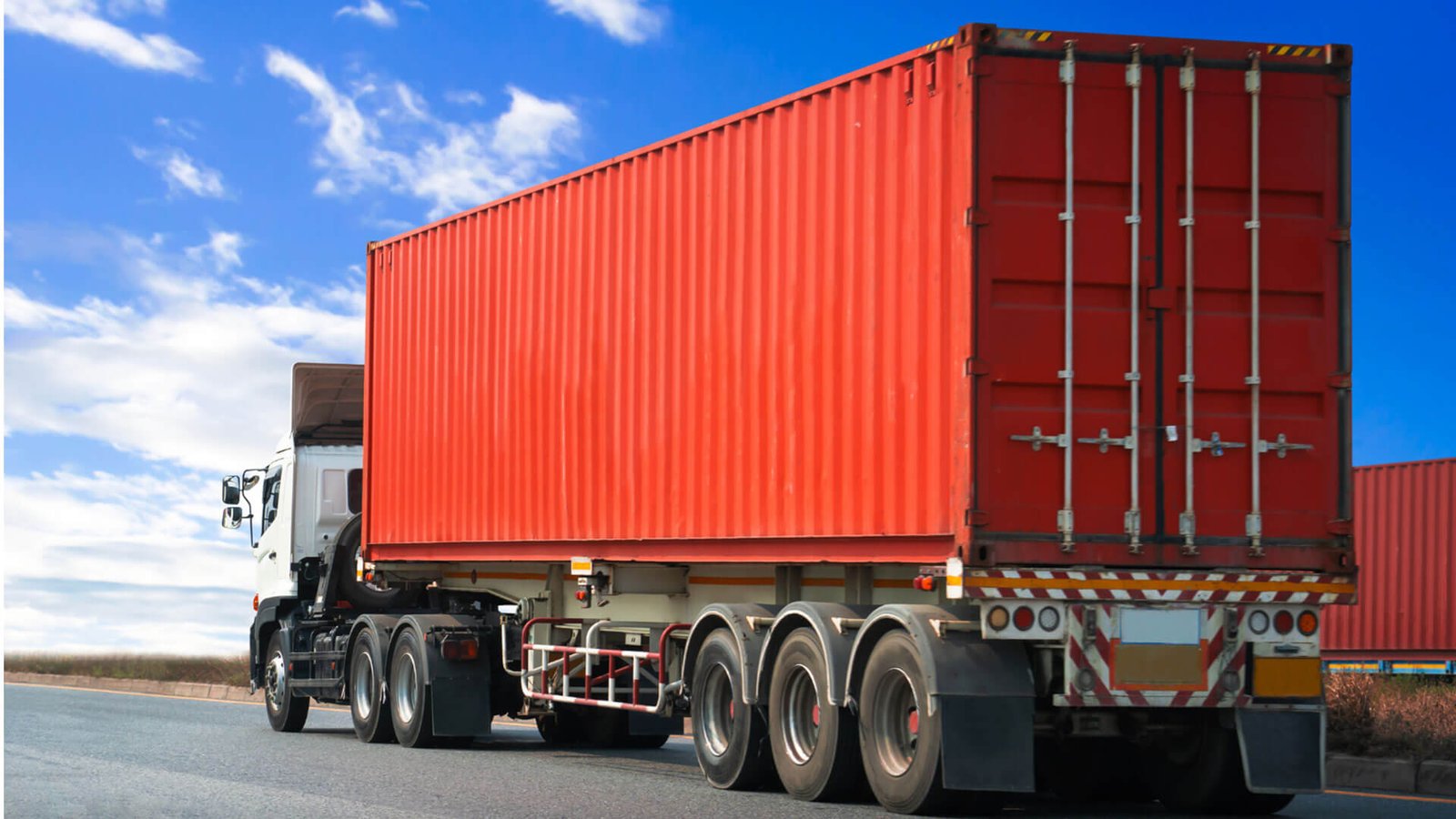
Understanding how these costs are calculated is important for budgeting. Accurate classification and valuation are critical. They will determine how much you owe when your goods arrive in the U.S.
What Common Beginner Mistakes Cause Customs Delays, Extra Costs, or Shipment Holds?
Many new importers make mistakes that can lead to delays or extra costs. Understanding these common pitfalls can help avoid unnecessary complications.
Here’s a beginner import risk checklist10:
- Wrong Classification11: Incorrectly classifying goods can lead to wrong customs duties.
- Missing Documents: Ensure all required documentation is prepared and complete.
- Incorrect Shipping Terms: Misunderstanding shipping terms can create unexpected costs.
- Late Filing12: Submit all documents on time to avoid delays.
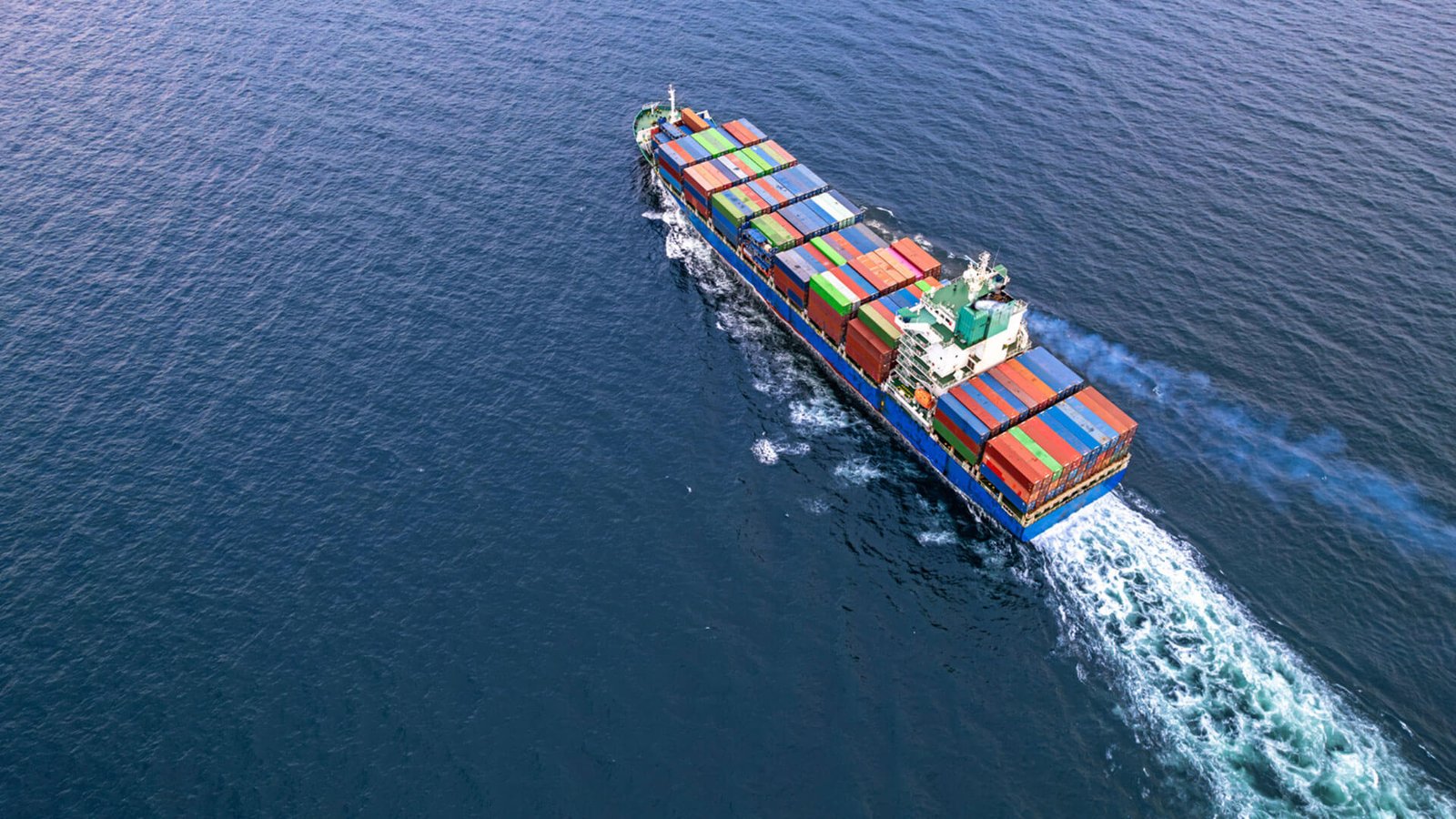
Being aware of these common mistakes can help new importers navigate the process smoothly. Planning ahead and seeking professional support when needed can significantly reduce the risks associated with importing.
Conclusion
Importing goods is a complex but manageable process. Understanding the steps and requirements will help you navigate customs successfully.
Knowing these laws ensures that your goods meet all necessary standards and avoid legal issues. ↩
Understanding the responsibilities of the importer of record is crucial for legal compliance and avoiding fines. ↩
A customs broker can help navigate complex regulations, ensuring compliance and smooth import processes. ↩
Correct HS classification is essential for determining duties and ensuring compliance with international trade laws. ↩
Understanding Incoterms helps clarify responsibilities and costs between buyers and sellers, preventing disputes. ↩
Ocean freight is cost-effective for large shipments, making it a popular choice for importers. ↩
A complete commercial invoice is vital for customs clearance, listing goods, prices, and terms of sale. ↩
Customs entry filing is required for the clearance process, ensuring all goods are legally imported. ↩
An importer bond guarantees payment of duties and fees, a critical component of the import process. ↩
A risk checklist helps new importers avoid common pitfalls, ensuring a smoother import experience. ↩
Incorrect classification can lead to wrong duties and potential legal issues, impacting costs and compliance. ↩
Timely filing prevents delays and additional costs, ensuring a smooth import process. ↩