The customs bond renewal process1 can feel overwhelming for many importers. But understanding it is essential for avoiding compliance issues and delays.
A continuous customs bond2 guarantees an importer’s compliance with CBP regulations3 and payment of duties, taxes, and fees. It typically renews annually and is required for ongoing import activity. Without an active bond, shipments cannot be cleared, creating immediate supply chain disruption4.

The customs bond renewal process1 is a vital step for importers. It ensures that you remain compliant with regulations and that your shipments can move without issues. Let's dive into what you need to know.
What a Continuous Customs Bond Is and Why Annual Renewal Is Critical for Importers?
The continuous customs bond2 is the most common bond type used by importers. It provides a safety net for the U.S. Customs and Border Protection (CBP) regarding any duties, taxes, and compliance requirements.
A continuous customs bond2 guarantees an importer’s compliance with CBP regulations3 and payment of duties, taxes, and fees. It typically renews annually and is required for ongoing import activity. Without an active bond, shipments cannot be cleared, creating immediate supply chain disruption4.
Continuous bonds are crucial for importers who regularly bring in goods. Without timely renewal, you risk shipment delays5 and compliance issues. This could lead to financial losses and strain your relationships with suppliers and customers.
Bond Type Comparison Table
| Bond Type | Use Case | Renewal | Risk Level |
|---|---|---|---|
| Continuous Bond | Ongoing imports | Annual | Essential for regular importers |
| Single Entry Bond | One-time shipment | Per shipment | Limited scope |
How the Customs Bond Renewal Process Works Between the Importer, Surety, and CBP?
The renewal process involves several key players: the importer, the surety company6, and CBP. Each party plays a role in ensuring compliance and maintaining the bond’s validity.
Bond renewal involves coordination between the importer, the surety company6, and CBP. The surety reviews the importer’s activity and risk exposure, renews the bond coverage, and files continuation with CBP to keep the bond active for the next period.
The surety company6 assesses your import activities during renewal. They take into account any changes in risk that might have occurred since the last renewal. This process ensures that the bond remains sufficient for your needs.
Bond Management Workflow: Annual Review → Surety Renewal → CBP Continuation → Ongoing Compliance Monitoring
- Annual Import Review: Assess your import activities and any changes that may affect your bond.
- Bond Sufficiency Check: Ensure your bond amount is adequate for your current import volume.
- Surety Renewal: Work with your surety to renew the bond.
- CBP Continuation Filing: Submit the renewal to CBP.
- Active Bond Coverage: Ensure your bond stays active to prevent shipment delays5.
- Ongoing Monitoring: Regularly review compliance and bond sufficiency7.
When Bond Amounts Must Be Increased Due to Higher Duties, Tariffs, or Import Volume?
As an importer, your bond amount should reflect your duty liability8 accurately. Changes in trade conditions can trigger the need for bond increases.
Bond sufficiency is based on duty liability8. Rising import volume, higher tariff rates, or new trade measures can trigger bond increases. Insufficient bond coverage may cause entry rejection or CBP requests for additional security.
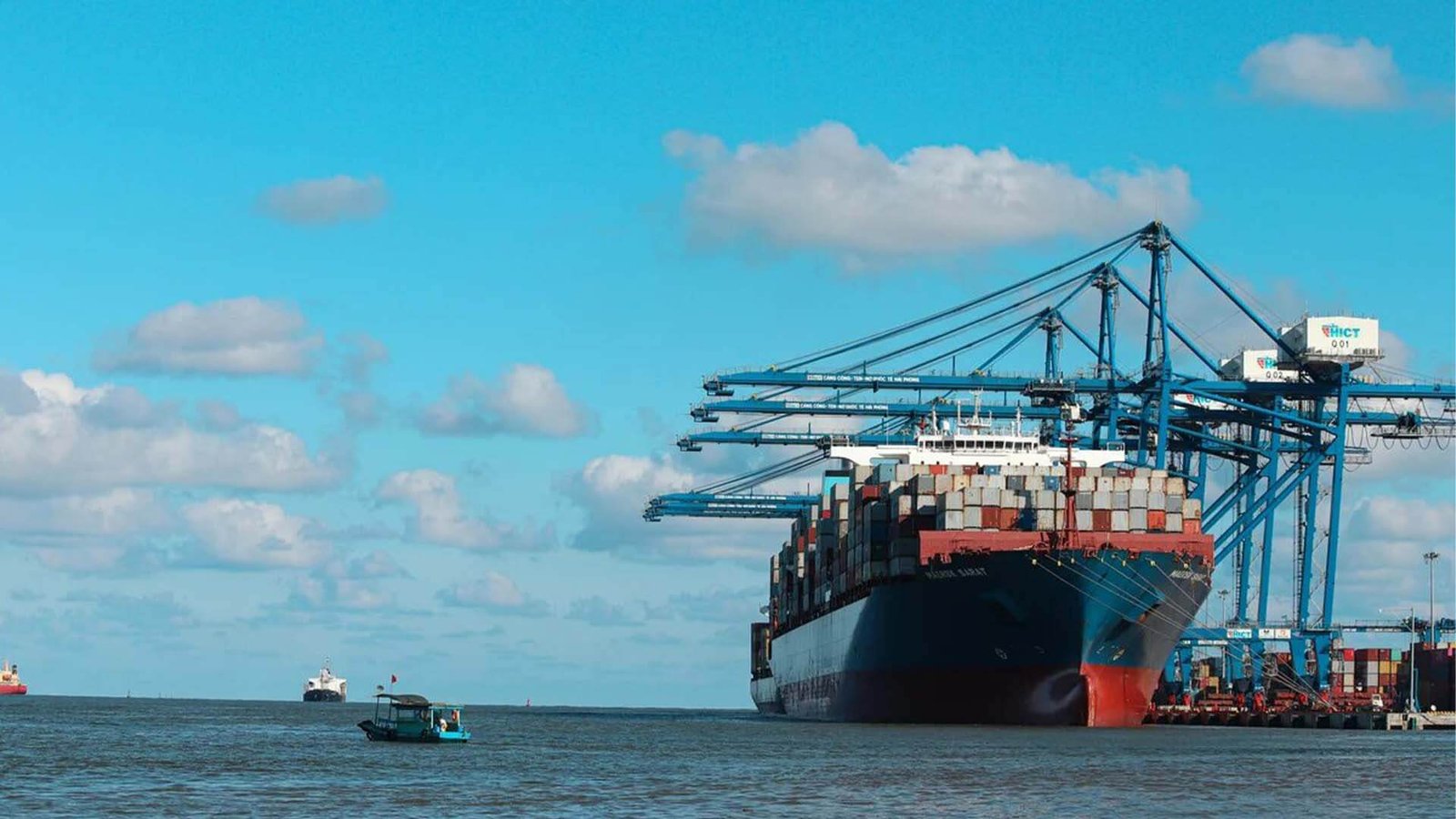
Importers must monitor their duty liabilities closely. If you experience a spike in duties or tariffs, you may need to adjust your bond amount. Ignoring this can lead to costly disruptions.
Documents and Information Importers Need to Provide for a Smooth Bond Renewal
To streamline the renewal process, importers need to prepare specific documents and information. This ensures that the surety company6 has what it needs for a timely renewal.
Importers may need to provide business details, import history, and financial information9 during renewal. Accurate records help the surety assess risk and maintain adequate bond coverage.
Renewal Checklist
| Requirement | Purpose |
|---|---|
| Import activity data | Determine bond size |
| Company information | Risk evaluation |
| Duty payment history | Compliance review |
Providing all necessary documents ensures a smooth renewal process. Having everything ready helps avoid delays and compliance issues.
What Happens If a Customs Bond Expires, Is Insufficient, or Is Terminated?
An expired or insufficient customs bond can have severe consequences for importers. Understanding what can happen is critical for proactive management.
An expired or insufficient bond can result in shipment delays5, entry rejection, or additional financial guarantees. Importers may face operational disruption10 until bond issues are resolved.

If your bond expires, your shipments cannot clear customs. This can lead to significant delays and additional costs. Always monitor your bond status to avoid these issues.
Conclusion
Renewing your customs bond is essential for compliance and smooth operations. Regular reviews can prevent disruptions and keep your imports flowing efficiently.
Understanding the customs bond renewal process is crucial for importers to avoid compliance issues and ensure smooth shipment clearance. ↩
A continuous customs bond is essential for ongoing import activities, ensuring compliance with CBP regulations and preventing supply chain disruptions. ↩
Knowing CBP regulations helps importers stay compliant and avoid penalties, ensuring their shipments are processed without delays. ↩
Preventing supply chain disruption is vital for importers to maintain smooth operations and avoid costly delays in shipment clearance. ↩
Understanding how customs bonds impact shipment delays can help importers manage their logistics more effectively and avoid unnecessary hold-ups. ↩
A surety company is crucial in the bond renewal process, assessing risk and ensuring the bond remains valid for import activities. ↩
Ensuring bond sufficiency is critical to avoid entry rejection and additional security requests from CBP, keeping imports flowing smoothly. ↩
Understanding duty liability helps importers adjust their bond amounts appropriately, preventing entry rejection and compliance issues. ↩
Providing financial information during bond renewal helps the surety assess risk and maintain adequate bond coverage for import activities. ↩
Understanding how bond issues lead to operational disruption helps importers take preventive actions to maintain smooth business operations. ↩