Importing silk to the U.S. can be complex. Understanding tariff classifications1, duty rates, and compliance requirements is crucial for success.
Silk products are classified under textile tariff chapters based on fiber composition2, product form, and construction. Accurate fiber breakdown is critical, as misclassification can change duty rates and compliance requirements.
The intricacies of importing silk can be daunting. The right guidance makes this process smoother and less risky.
How Silk Is Classified Under U.S. Tariff Codes and Why Fiber Content Matters?
Silk classification in the U.S. is essential for determining the correct duties and compliance measures. Many importers overlook this, which can lead to costly mistakes.
Silk products are classified under textile tariff chapters based on fiber composition2, product form, and construction. Accurate fiber breakdown is critical, as misclassification can change duty rates and compliance requirements.

The Harmonized Tariff Schedule (HTS)3 provides the framework for classifying silk products. Misclassification4 can result in higher duties or delays. Here’s a simple breakdown of how silk is classified:
| Product Type | Key Classification Factor | Duty Consideration |
|---|---|---|
| Silk fabric | Fiber % + weave | Textile duty rate |
| Silk garments | Fabric type + construction | Apparel duty category |
| Silk blends | Dominant fiber | Rate varies by composition |
Proper classification requires understanding the material's fiber content and the end product's construction. This knowledge helps avoid penalties and ensures compliance.
Duty Rates, Trade Programs, and Landed Cost Factors When Importing Silk?
Understanding duty rates is vital for cost management. There are several factors that can affect your landed cost5.
Landed cost depends on tariff rates, origin, and additional duties. Freight, insurance, and port fees also affect total cost.
When importing silk, the landed cost5 includes not just the purchase price but also various other costs. Here’s a breakdown of what to consider:
| Cost Factor | Description |
|---|---|
| Tariff Rate | Based on product classification |
| Origin | Country of manufacture |
| Additional Duties | Anti-dumping or countervailing |
| Freight Costs | Shipping fees |
| Insurance | Coverage for goods in transit |
| Port Fees | Charges at port of entry |
Trade programs can also influence duty rates, so it’s wise to explore options that might apply to your shipments. Knowing all these factors will help you better prepare and budget for your imports.
Textile Labeling, Fiber Disclosure, and Country-of-Origin6 Requirements for Silk Products?
Labeling compliance is not just a formality. It’s a legal requirement that can make or break your import process.
Textile labeling rules7 require accurate fiber content disclosure, origin marking, and care labeling. Non-compliant labels can trigger detention or relabeling requirements.

When labeling silk products, consider these key components:
- Fiber Percentage: Must clearly state the percentage of silk.
- Country of Origin: Indicates where the product was made.
- Manufacturer/Importer ID: Includes the name and address.
- Care Instructions: Provides proper maintenance guidelines for consumers.
Creating a checklist for labeling can help ensure compliance and reduce the chance of errors. A simple checklist can prevent costly mistakes and delays.
Documentation and Customs Entry Process for Silk Shipments?
The documentation you provide can significantly affect the smoothness of your customs entry.
Importing silk requires standard commercial documents plus textile-specific data. Accurate invoices, packing list8s, and fiber composition2 details support correct entry filing.

Your documentation needs to include several essential elements, such as:
- Commercial Invoice9: Should detail the transaction and pricing.
- Packing List: Must outline contents of the shipment.
- Fiber Composition Documents: Verify the material breakdown.
Failing to provide accurate documentation can lead to delays or even rejection at customs. Thus, ensure that all paperwork is correct and complete before shipping.
Common Compliance Risks in Silk Imports: Misclassification4, Labeling Errors10, and Origin Issues?
Importing silk comes with specific risks that can jeopardize your shipment.
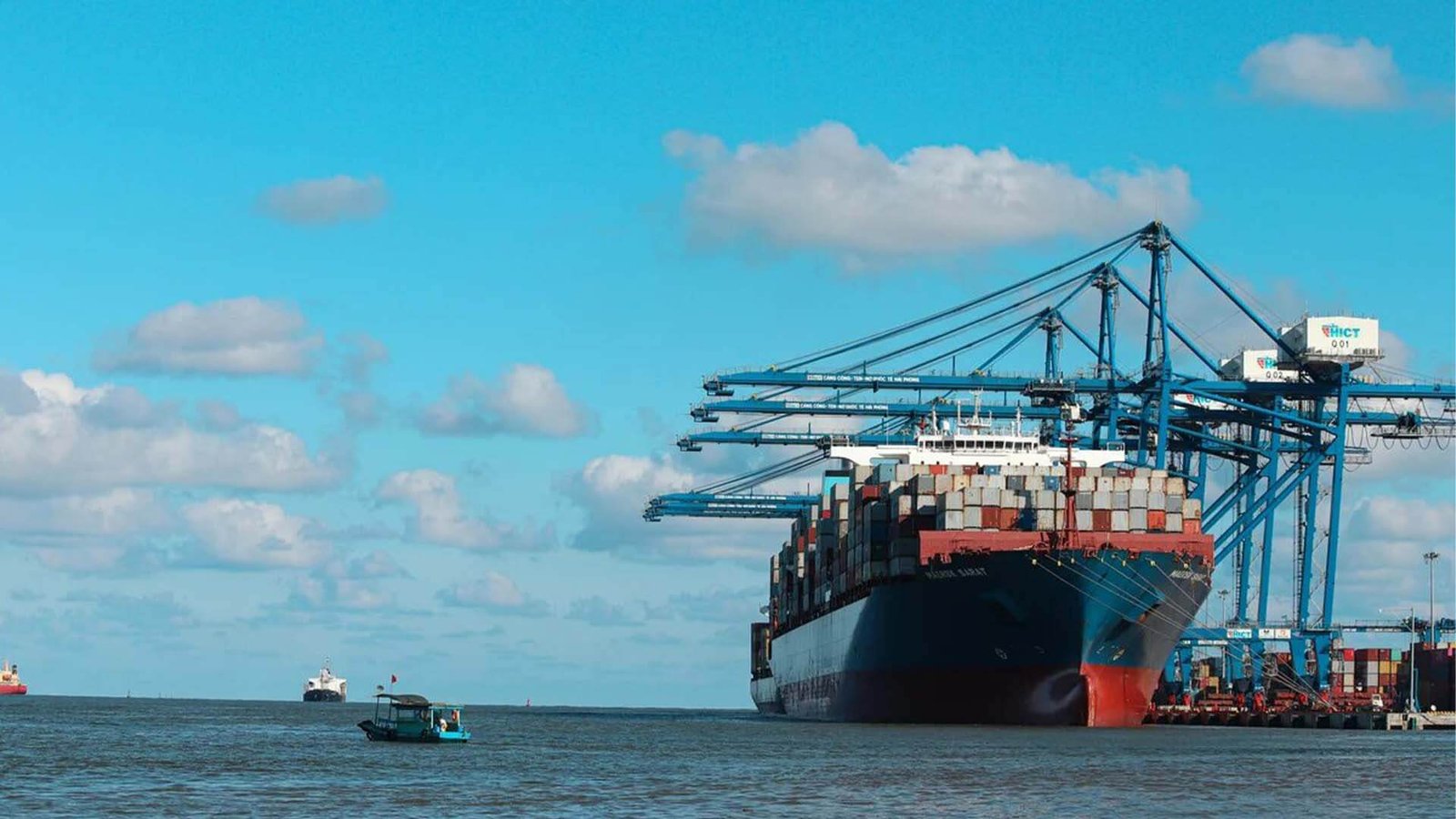
Silk imports often face scrutiny due to fiber blends, origin claims, and labeling gaps. Errors can lead to delays, examinations, or duty reassessment.
Here’s a risk matrix to help identify common issues:
| Risk Area | Likely Cause | Impact | Mitigation |
|---|---|---|---|
| Classification | Wrong fiber % | Duty error | Pre-entry review |
| Labeling | Missing fiber info | Detention | Label audit |
| Origin | Incorrect marking | Compliance issue | Supplier validation11 |
| Documentation | Incomplete invoice | Clearance delay | Broker review |
Mitigating these risks involves thorough preparation and validation, ensuring that every aspect is in compliance with U.S. regulations.
End-to-End Silk Import Workflow12: Supplier → Export Documentation → Freight → U.S. Customs → Release → Distribution?
An organized workflow is essential for smooth operations when importing silk.
A structured workflow connects supplier data, freight planning, customs entry, and post-entry compliance to ensure smooth textile imports.
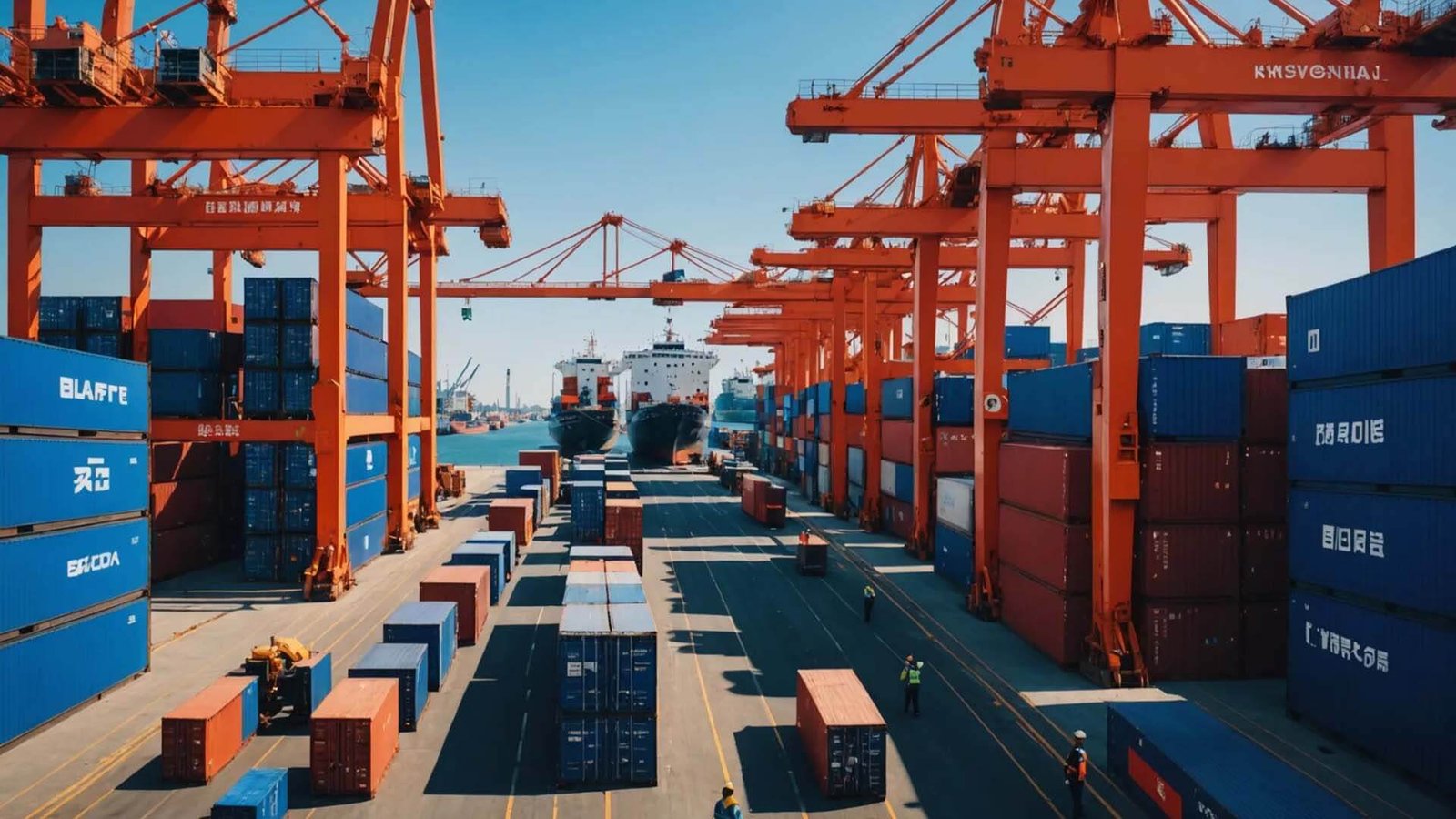
Here’s the flow of the import process:
- Supplier Specs: Gather all necessary information from your supplier.
- Fiber Verification: Confirm the fiber content aligns with classifications.
- Label Prep: Ensure labels meet all U.S. regulations.
- Freight Booking: Arrange for transportation to the U.S.
- Customs Entry: Submit all required documentation for clearance.
- Clearance: Prepare for customs inspections and obtain release.
- Distribution: Organize logistics for getting products to market.
This workflow ensures that every step is accounted for, minimizing the chances of errors and delays.
Conclusion
Successfully importing silk requires attention to detail and compliance with U.S. regulations. Understanding tariff classifications1, labeling, and documentation is essential for smooth operations.
Understanding tariff classifications is crucial for determining the correct duties and compliance measures when importing silk. ↩
Fiber composition affects the classification and duty rates of silk products, making it essential for accurate import processing. ↩
The HTS provides the framework for classifying silk products, ensuring correct duty rates and compliance. ↩
Misclassification can lead to duty errors and compliance issues, affecting import success. ↩
Landed cost includes various expenses beyond the purchase price, affecting overall import costs. ↩
Accurate origin marking is a legal requirement that affects compliance and import processing. ↩
Compliance with textile labeling rules is mandatory to avoid detention or relabeling requirements. ↩
A packing list outlines shipment contents, supporting correct entry filing and customs clearance. ↩
A detailed commercial invoice is essential for smooth customs entry and accurate duty assessment. ↩
Labeling errors can result in detention and compliance problems, jeopardizing shipments. ↩
Validating suppliers ensures accurate origin claims and compliance with U.S. regulations. ↩
An organized workflow ensures smooth operations, minimizing errors and delays in silk imports. ↩