Importing generators from China can be a complex process. Understanding the steps involved is crucial for U.S. importers to ensure compliance and efficiency.
Generators are classified based on power output, fuel type, and design1. Proper classification determines duty rates and regulatory requirements, making accurate product specifications essential.
Navigating the world of generator imports can be daunting. However, with the right knowledge and resources, you can avoid common pitfalls and streamline the import process.
How Generators Are Classified Under U.S. Tariff Codes and Why Power Type Matters?
Generators are classified under specific U.S. tariff codes2 based on their features. This classification affects the duty rates applied and the regulatory requirements that must be met. Different factors influence the classification, including power output, fuel type, and design1. The right classification is not just about compliance; it can also lead to significant cost savings.
Generators are classified based on power output, fuel type, and design1. Proper classification determines duty rates and regulatory requirements, making accurate product specifications essential.
When importing generators, knowing the correct tariff code is paramount. The Harmonized Tariff Schedule (HTS)3 provides a framework that aligns with international classifications. Here’s a simplified view of how different types of generators may be classified:
| Generator Type | Key Factor | Duty Consideration |
|---|---|---|
| Diesel | Engine output | Industrial equipment rate |
| Gasoline | Small engine | Consumer equipment rate |
| Portable | Design + wattage | Varies by specification |
Understanding these classifications helps in predicting duty costs and ensuring compliance with U.S. regulations.
EPA, Emissions, and Safety Compliance Requirements for Imported Generators
Compliance with U.S. regulations is critical when importing generators. Many generators must meet stringent emissions and safety standards. As an importer, you need to make sure your equipment is certified and that you have all necessary documentation.
Many generators must meet U.S. emissions and safety standards before entry. Importers must ensure equipment is certified and documented.
Here’s a quick checklist for EPA compliance4:
- Engine emission certification5: Ensure the generator has proper certification for emissions.
- Manufacturer compliance statement: Obtain a statement confirming compliance with regulations.
- Technical specifications: Keep detailed technical specifications for your records.
- Product labeling: Ensure all products are labeled according to EPA regulations.
Addressing these compliance points early in the process can make your import journey smoother and more efficient.
Duties, Additional Tariffs, and Landed Cost Factors for Generators from China
Understanding duties and tariffs is essential when importing generators. The landed cost6 comprises base duties, any additional tariffs, freight, insurance, and port fees. Keeping track of tariff exposure7 and ensuring proper classification can help you avoid unexpected costs.
Landed cost includes base duties, possible additional tariffs, freight, insurance, and port fees. Monitoring tariff exposure7 and proper classification helps avoid unexpected costs.
Here’s an example of how different types of generators might affect your costs:
| Generator Type | Key Factor | Duty Consideration |
|---|---|---|
| Diesel | Engine output | Industrial equipment rate |
| Gasoline | Small engine | Consumer equipment rate |
| Portable | Design + wattage | Varies by specification |
Being proactive about these factors can save you money and time.
Documentation and Customs Entry Process for Power Equipment Shipments
The documentation process for importing generators involves more than just basic paperwork. You’ll need a combination of standard commercial documents alongside specific technical and compliance details.
Generator imports require standard commercial documents plus technical and compliance details. Accurate documentation supports correct filing and smoother clearance.
Here is a brief overview of the essential documents required for customs entry:
- Bill of Lading8: Indicates the shipment's details and terms.
- Commercial Invoice9: Details the transaction between the importer and supplier.
- Packing List: Outlines the contents of the shipment.
- Certificates of Origin10: Verifies the country of manufacture.
- Compliance Documentation: Includes any EPA emissions certifications.
Ensuring that all documentation is accurate and complete can expedite your customs clearance process11.
End-to-End Generator Import Workflow: Supplier Compliance → Export Docs → Freight → U.S. Customs → Release → Distribution
A well-structured workflow is crucial for a successful generator import. It encompasses everything from supplier compliance to distribution. Each stage of the process needs to be carefully managed to reduce risks and ensure a smooth operation.
A structured workflow connects supplier certification, freight planning, customs entry, and post-entry compliance to manage risk.
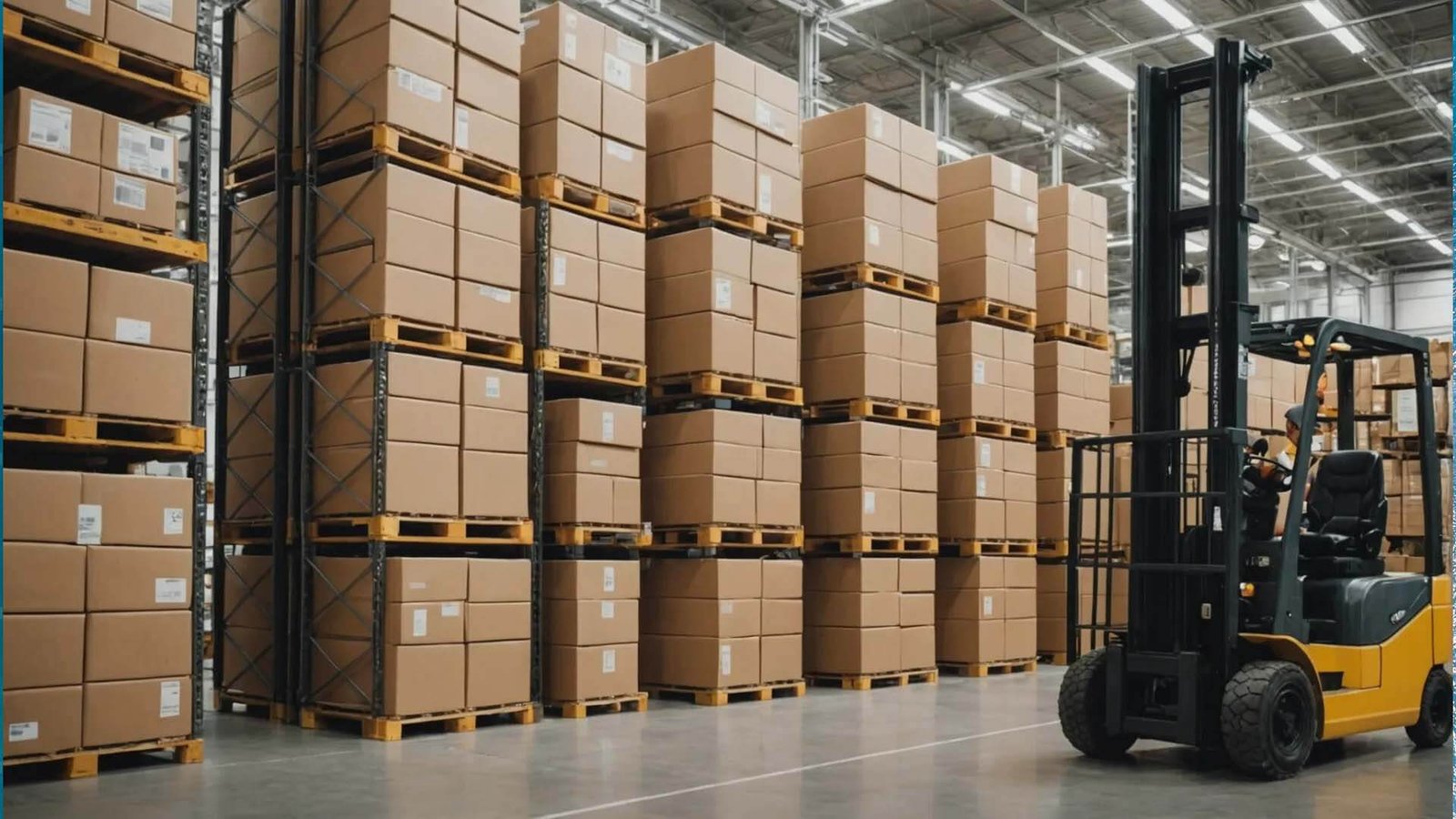
Here’s a simplified view of the end-to-end import workflow12:
- Supplier Specs: Verify compliance with specifications.
- Compliance Verification: Ensure all documents are correct.
- Freight Booking: Arrange for transportation.
- Entry Filing: Submit documents to customs.
- CBP Review: Customs and Border Protection review the entry.
- Release: Obtain release of the goods.
- Delivery: Distribute the generators to the end-users.
This clear workflow helps in managing each step systematically, reducing the chances of errors.
Conclusion
Importing generators from China involves careful planning and compliance with various regulations. Understanding the process can make your imports efficient and less risky.
Understanding these factors is crucial for determining duty rates and regulatory requirements, which can impact cost and compliance. ↩
Knowing the correct tariff codes ensures compliance and can lead to cost savings by applying the right duty rates. ↩
The HTS provides a framework for classifying generators, aligning with international standards and affecting duty rates. ↩
Ensuring EPA compliance is essential for meeting U.S. emissions and safety standards, avoiding legal issues and fines. ↩
Certification ensures that generators meet U.S. emissions standards, which is crucial for legal importation and environmental compliance. ↩
Understanding landed cost helps in budgeting and avoiding unexpected expenses by considering duties, tariffs, and other fees. ↩
Managing tariff exposure is key to avoiding unexpected costs and ensuring that imports remain financially viable. ↩
A Bill of Lading is crucial for detailing shipment terms and ensuring that goods are transported and received as agreed. ↩
The Commercial Invoice provides transaction details, which are essential for customs clearance and financial records. ↩
These certificates verify the country of manufacture, which can affect duty rates and compliance with trade agreements. ↩
Understanding this process ensures that all documentation is accurate, expediting the clearance and reducing delays. ↩
A structured workflow helps manage each import step systematically, reducing errors and ensuring smooth operations. ↩