The process of importing diamonds to the U.S. can be complicated and requires strict adherence to regulations. Understanding these key steps will save you time and potential pitfalls.
Diamonds are classified differently depending on whether they are rough or polished. Classification affects duty treatment, admissibility, and regulatory oversight. Accurate HTS identification1 ensures correct duty assessment and reduces the risk of customs review or reclassification.

Customs regulations can be overwhelming for many, especially when dealing with high-value items like diamonds. It's crucial to understand how U.S. Customs distinguishes between rough and polished diamonds and the implications this has on the import process.
How U.S. Customs Classifies Rough vs Polished Diamonds and How Duty Treatment Differs?
Rough diamonds and polished diamonds are treated differently in terms of duty and compliance. The classification of these diamonds primarily hinges on whether they have been worked or not. Rough diamonds fall under the category of unworked precious stones, while polished diamonds are classified as worked gemstones. This distinction plays a significant role in how duties are assessed and the regulatory oversight involved.
Diamond HTS Comparison Table
| Product Type | Classification Category | Key Compliance Factor |
|---|---|---|
| Rough diamonds | Unworked precious stones | Kimberley Process rules |
| Polished diamonds | Worked gemstones | Valuation accuracy |
Understanding these classifications helps importers navigate compliance more effectively and avoid delays.
Kimberley Process Certification Requirements for Importing Rough Diamonds?
Rough diamond imports must comply with the Kimberley Process Certification Scheme2. This scheme was established to prevent the trade of conflict diamonds. To import rough diamonds, you must ensure that your shipment is accompanied by valid Kimberley certificates. Without this documentation, shipments can be detained or refused entry.
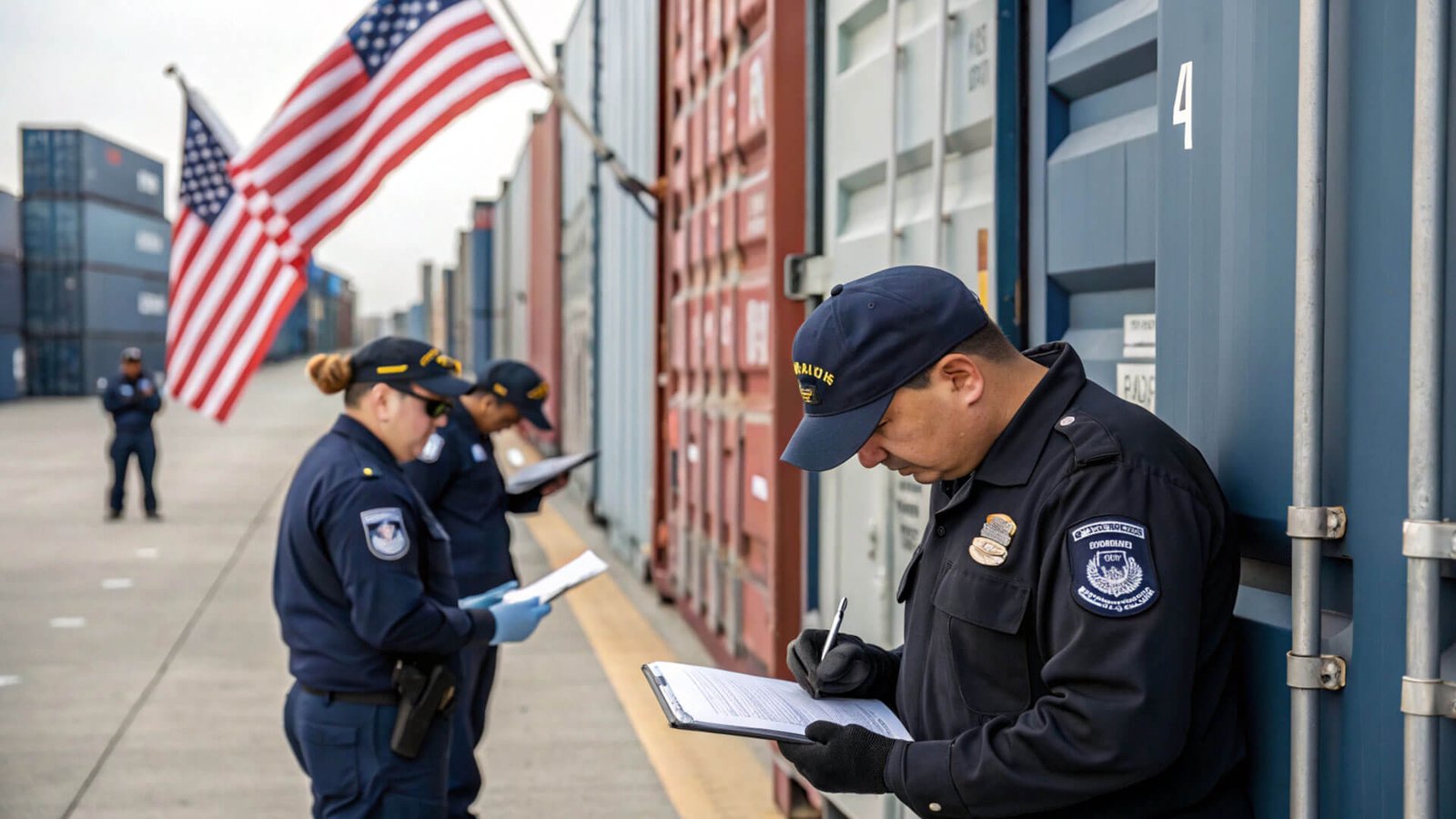
The certification process guarantees that the diamonds have been sourced ethically and are conflict-free. Missing or invalid documentation can lead to significant issues during the import process.
Documentation Importers Must Provide: Commercial Invoices, Country of Origin, and Chain-of-Custody Records?
Accurate commercial invoices3, origin declarations, and traceability records are essential for a successful importation process. These documents support customs classification, valuation, and compliance with international certification rules.
Compliance Document Checklist
| Document | Purpose |
|---|---|
| Commercial invoice | Value and product details |
| Kimberley certificate | Conflict-free verification |
| Country of origin statement4 | Trade compliance |
| Chain-of-custody records5 | Traceability |
Each document plays a critical role in ensuring that your shipment meets U.S. customs requirements. Failure to provide accurate documentation can lead to delays or penalties.
Security, Insurance, and Transport Controls for High-Value Diamond Shipments?
Diamonds are considered high-value and theft-sensitive cargo. Therefore, implementing strong security measures throughout the transport process is essential. Secure transport, specialized insurance, and controlled handling procedures can help reduce financial exposure and the risk of theft.

Understanding the security aspects of diamond transport is crucial. Without adequate measures, you could face significant financial loss if goods are stolen during transit.
Step-by-Step Import Workflow: Supplier Certification6 → Export Controls7 → U.S. Entry Filing8 → CBP Review9 → Secure Delivery?
A well-structured import workflow is vital for managing the import process from beginning to end. This sequence ensures that all necessary steps, including certification and documentation, are completed in an organized manner.
Workflow Diagram (Text Flow)
Supplier Certification6 → Kimberley Documentation → Export Clearance → Secure Transit → U.S. Arrival → Customs Entry Filing → CBP Review9 → Release → Secure Delivery
Each step must be followed carefully to prevent delays or compliance issues. Paying attention to each phase of this workflow can save time and resources.

Conclusion
Understanding the regulations and processes for importing diamonds to the U.S. is crucial for successful compliance and efficient operations.
HTS identification is crucial for correct duty assessment and avoiding customs issues. Learn how it impacts diamond importation. ↩
This certification ensures diamonds are conflict-free, vital for legal importation. Discover its importance in the diamond trade. ↩
Commercial invoices provide essential value and product details, crucial for customs compliance. Understand their role in the import process. ↩
This statement is key for trade compliance, affecting admissibility and duty treatment. Learn its significance in diamond imports. ↩
These records ensure traceability and compliance, preventing delays and penalties. Explore their importance in the import process. ↩
Supplier certification ensures compliance and ethical sourcing, crucial for legal importation. Learn how it impacts the import process. ↩
Export controls are vital for legal compliance and smooth transit. Understand their role in the diamond import workflow. ↩
This filing is essential for customs clearance and compliance. Learn how it affects the importation of diamonds. ↩
CBP Review ensures compliance with U.S. regulations, crucial for successful importation. Discover its role in the import process. ↩