The first step for any importer is understanding customs bonds1. They are crucial for seamless import operations. Without them, your goods can be stuck at the border.
A customs bond is a financial guarantee to CBP2 that duties, taxes, and fees will be paid and that import regulations will be followed. It is required for most commercial imports and enables cargo to clear customs without disruption.
Customs bonds can seem complex at first. But once you grasp the basics, the process becomes much clearer. Let’s explore what they are, the types available, and how to obtain one.
What a U.S. Customs Bond Is and Why Importers Are Required to Have One?
Understanding the purpose of a customs bond is essential for any importer. A customs bond is not just a formality; it is a legal requirement for most shipments entering the U.S. It acts as a safety net for the government, ensuring that all taxes, duties, and fees are paid.
A customs bond is a financial guarantee to CBP2 that duties, taxes, and fees will be paid and that import regulations will be followed. It is required for most commercial imports and enables cargo to clear customs without disruption.
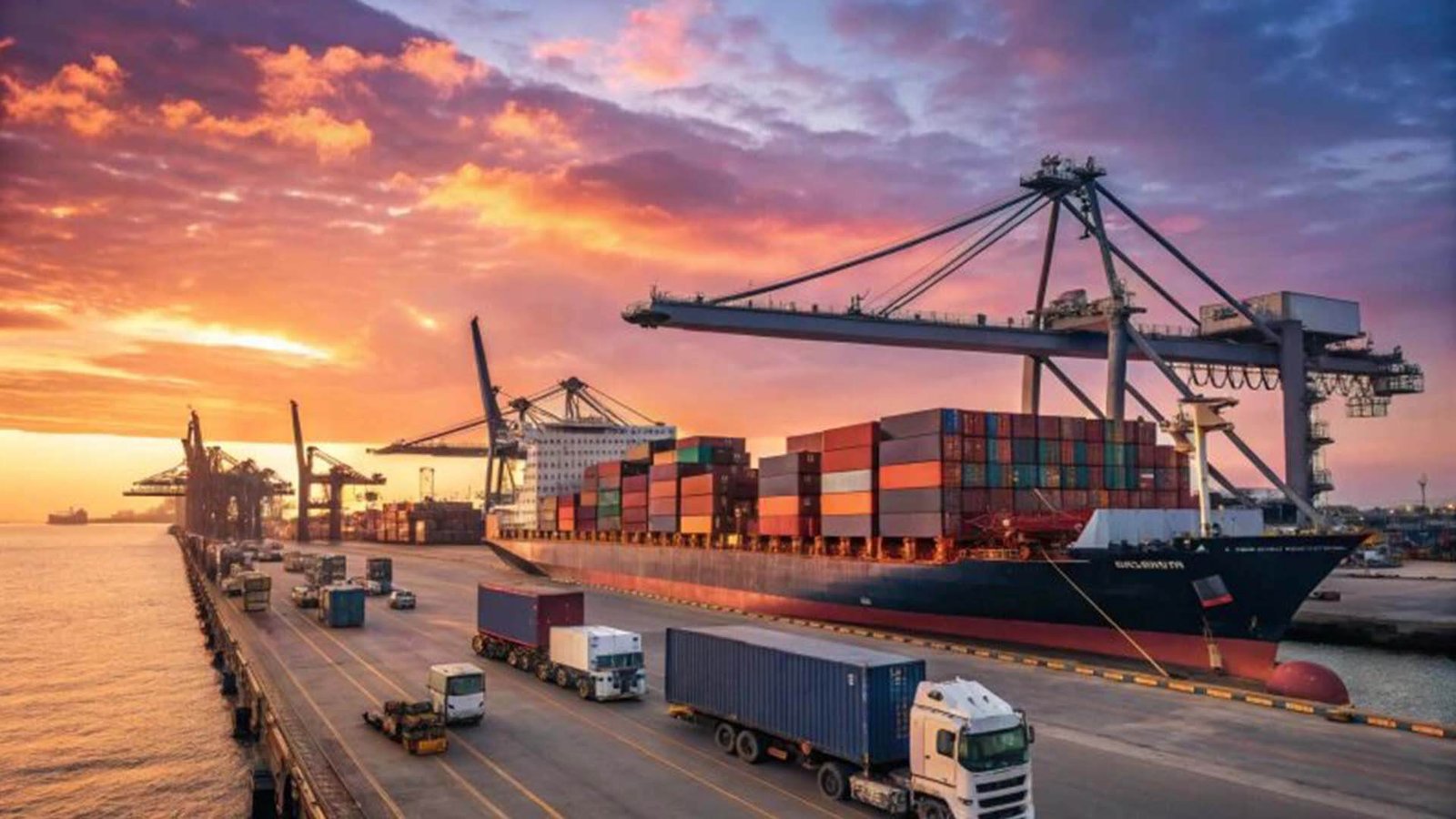
Many new importers might overlook the significance of customs bonds1. However, failure to comply can lead to delays and unexpected fees. Having a customs bond in place allows for smoother operations and peace of mind.
Importance of Customs Bonds
| Benefit | Description |
|---|---|
| Legal Compliance3 | Ensures adherence to U.S. import regulations |
| Financial Security | Guarantees payment of duties and taxes |
| Faster Customs Clearance | Keeps shipments moving without delays |
Types of Customs Bonds: Continuous vs Single Entry and When Each Applies?
Choosing the right type of customs bond depends on your shipping needs. Most importers will face this choice based on their volume and frequency of shipments.
Importers may use a continuous bond4 for ongoing shipments or a single entry bond5 for one-time imports. The right choice depends on shipment frequency and duty exposure.

The two main types of customs bonds1 are continuous bond4s and single-entry bonds. A continuous bond4 is preferred for businesses with regular imports. On the other hand, a single-entry bond is a suitable option for those making a one-off import.
Bond Type Comparison Table
| Bond Type | Best For | Coverage Period | Risk Level |
|---|---|---|---|
| Continuous Bond | Regular importers | Annual | Essential for ongoing operations |
| Single Entry Bond | One-time shipment | Per entry | Limited scope |
Step-by-Step Process to Obtain a Customs Bond Through a Surety
The process of obtaining a customs bond can seem daunting, but it is quite straightforward. Here’s how to go about it.
Importers apply through a licensed surety company6, provide business details, and authorize the bond filing with CBP. Once approved, the bond is filed electronically and becomes active.
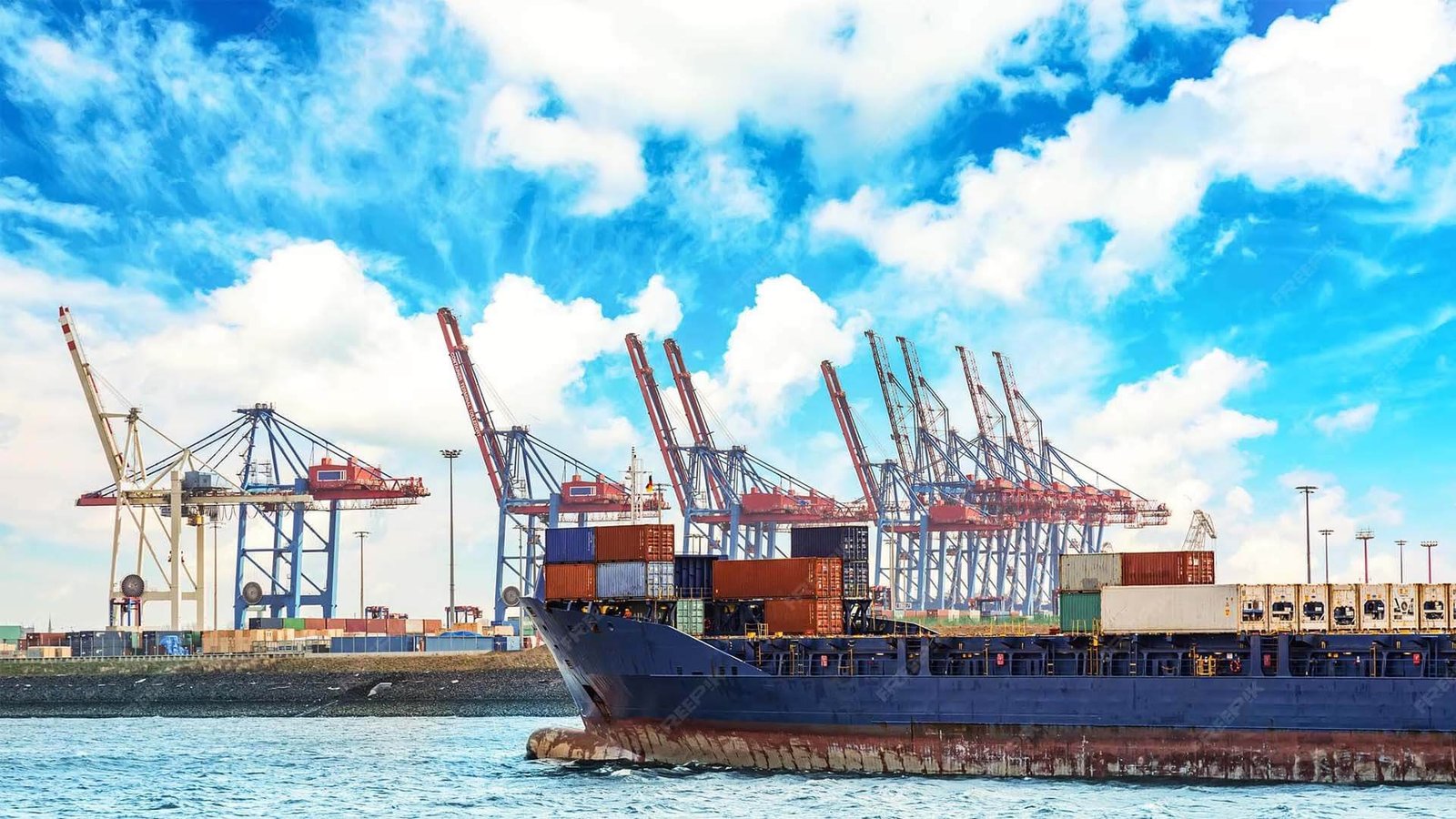
- Select a Surety: Research licensed surety companies that can provide customs bonds1.
- Provide Information: Submit necessary business information, including your importer number.
- Authorize Filing: Authorize the surety to file the bond with CBP.
- Receive Bond: Once approved, the bond is filed electronically, ensuring coverage.
How Bond Amounts Are Determined Based on Duties, Taxes, and Import Activity
Determining the bond amount is critical. It’s not just about covering your current imports but also anticipating possible changes.
Bond amounts are based on estimated duty liability7 and import volume. Higher duty exposure or tariff changes may require larger bond coverage.
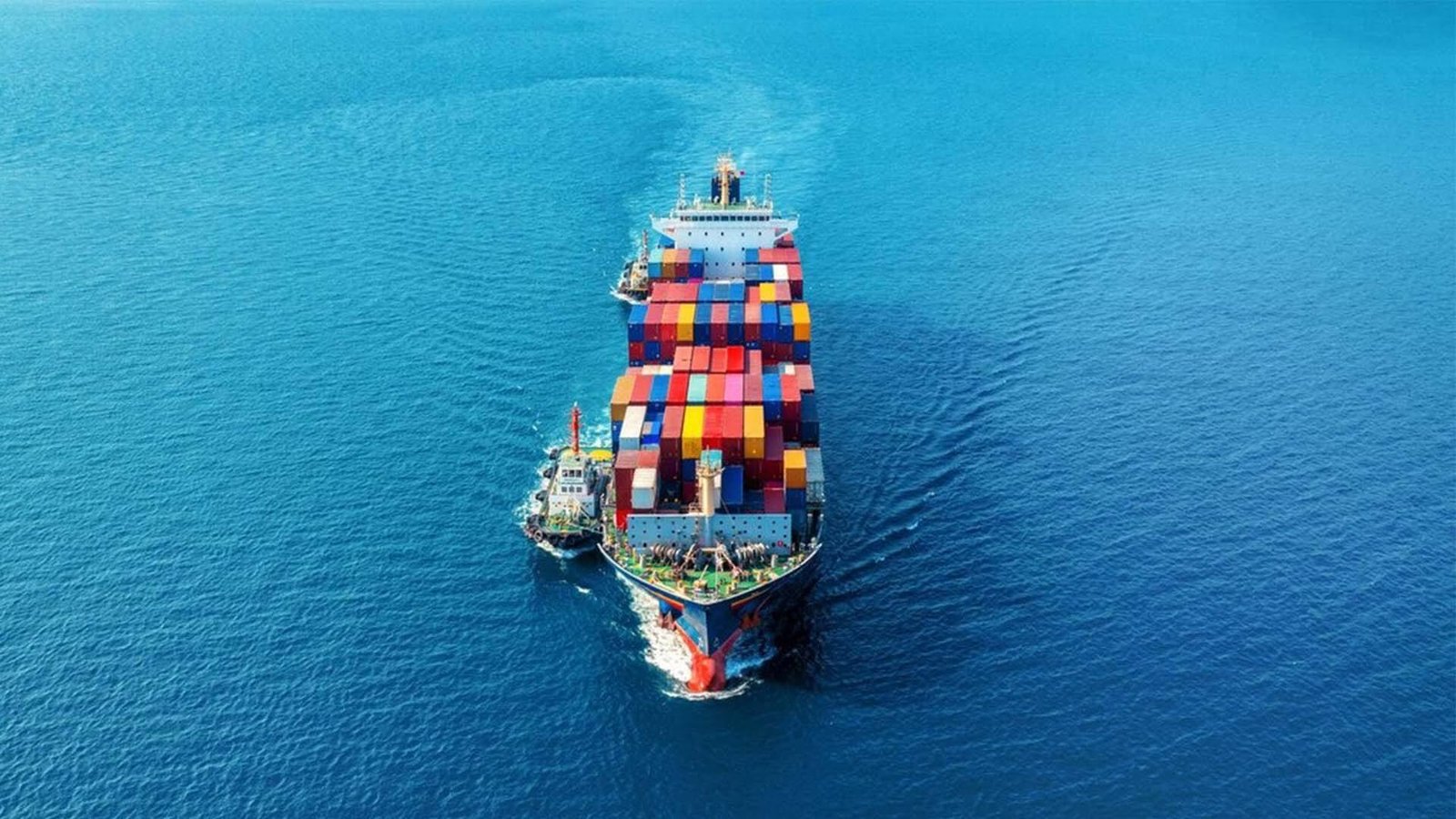
A standard way to calculate bond amounts8 is to multiply the estimated duties by a factor set by CBP. This means that if you frequently import high-value goods, your bond amount will be higher.
Key Factors Influencing Bond Amounts
| Factor | Description |
|---|---|
| Estimated Duty Liability | Anticipated duties based on the value of goods |
| Import Volume | The total quantity of goods imported |
| Frequency of Imports | How often goods are imported |
Costs, Approval Timelines, and Common Application Requirements
Understanding the costs and timelines associated with customs bonds1 helps in planning your import strategy.
Bond costs depend on bond size and risk assessment. Importers typically provide company information, importer numbers, and import activity details.
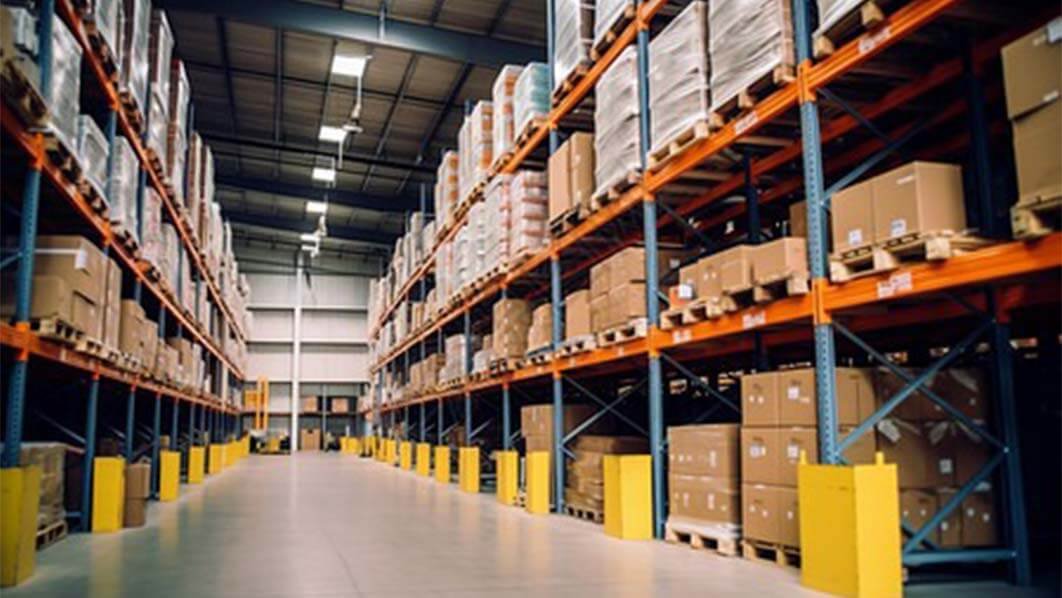
The approval timeline9 can vary. Typically, it takes a few days to receive final approval once your application is submitted.
Application Checklist
| Requirement | Purpose |
|---|---|
| Importer number (IRS/EIN) | Identification |
| Business information | Risk evaluation |
| Import history (if applicable) | Bond sizing |
Bond Setup Workflow: Importer Registration → Surety Application → CBP Filing → Active Bond → Ongoing Compliance Monitoring
A clear workflow is crucial for ensuring that your customs bond is correctly set up and maintained.
A structured workflow ensures the bond is obtained, filed correctly, and monitored for sufficiency as import activity grows.
Workflow Diagram (Text Flow)
Importer Setup → Surety Application → Bond Issuance → CBP Filing → Active Bond Coverage → Periodic Review
Conclusion
Obtaining a customs bond is essential for smooth import operations. Understanding the process can save time and stress for importers.
Understanding customs bonds is crucial for importers to ensure seamless operations and avoid delays at the border. ↩
Learn how customs bonds act as a financial guarantee to ensure duties, taxes, and fees are paid, facilitating smooth cargo clearance. ↩
Legal compliance ensures adherence to U.S. import regulations, preventing delays and penalties for importers. ↩
Continuous bonds are ideal for regular importers, providing annual coverage and essential for ongoing operations. ↩
Single entry bonds are suitable for one-time shipments, offering limited scope and per entry coverage. ↩
Choosing a licensed surety company is vital for obtaining customs bonds, ensuring proper filing and activation. ↩
Estimated duty liability influences bond amounts, ensuring coverage aligns with the value of imported goods. ↩
Bond amounts are calculated based on estimated duty liability and import volume, crucial for adequate coverage. ↩
Understanding the approval timeline helps importers plan their strategy, ensuring timely bond activation. ↩