The world of customs bonds can be complex. But understanding how to file claims is crucial for U.S. importers. In this article, I will break down the process in a simple way.
A customs bond claim1 occurs when CBP believes an importer has failed to meet a legal obligation tied to an entry. This may involve unpaid duties2, late filings, or noncompliance with import requirements3.
Understanding claims can save your business time and money. It can also ensure compliance with U.S. Customs and Border Protection (CBP) regulations. Let's dive into the details.
What Triggers a Customs Bond Claim and Why CBP Issues a Demand?
Customs bond claims can be triggered by various factors. For example, the most common triggers are unpaid duties2 and noncompliance with import regulations. When CBP believes that these obligations are not met, they issue a demand for payment.
A customs bond claim1 occurs when CBP believes an importer has failed to meet a legal obligation tied to an entry. This may involve unpaid duties2, late filings, or noncompliance with import requirements3.

There are several reasons why a customs bond claim1 may arise. Importers might overlook their duties, or they may not submit paperwork correctly. Additionally, there could be issues with classification or valuation of goods.
Who Is Responsible in a Bond Claim: Importer of Record, Broker, or Surety?
In a customs bond claim1, understanding responsibility is essential. The importer of record4 has the primary role. This means that even if a customs broker5 files the entry, the responsibility to comply with all customs obligations lies with the importer.
The importer of record4 remains primarily responsible for compliance, even when a broker files entries. The surety6 provides the bond guarantee, but liability for fulfilling customs obligations rests with the importer.

| Party | Role | Liability Exposure |
|---|---|---|
| Importer of Record | Legal declarant | Primary responsibility |
| Customs Broker | Filing agent | Operational support |
| Surety | Bond guarantor | Financial backstop |
The customs broker5 provides assistance, but they are not liable for any compliance failures. The surety6 acts as a financial backstop, ensuring that the bond is backed. However, any issues ultimately reflect back on the importer.
Step-by-Step Process for Responding to a Customs Bond Claim Notice
Receiving a customs bond claim1 notice can be stressful. It's important to respond promptly and correctly.
When a claim notice is received, importers must review the issue, gather entry documentation, and determine the cause before responding. Timely response is essential.

Here’s a simplified flowchart for responding:
- CBP Notice7: Receive the claim notice.
- Internal Review: Assess the situation internally.
- Entry Documentation Analysis: Review all related documents.
- Determine Liability: Identify who is responsible.
- Submit Response: Prepare and send your response.
- Resolution or Adjustment: Resolve the claim or make necessary adjustments.
This structured approach can help ensure a timely and effective response.
Financial Consequences of Bond Claims Including Duties, Penalties, and Liquidated Damages
It's essential to be aware of the potential financial consequences associated with bond claims. When a claim arises, importers may face unpaid duties2, penalties, or liquidated damages8.
Bond claims can involve unpaid duties2, penalties, and liquidated damages8 depending on the nature of the violation.
Understanding these financial implications is crucial. The more serious the violation, the higher the penalties can be. This highlights the importance of accurate filings and compliance with all regulations.
How to Resolve, Protest, or Mitigate a Customs Bond Claim
If faced with a customs bond claim1, there are several avenues available for resolution. Importers can address claims by correcting errors, supplying supporting documents, or even filing a formal protest9.
Importers may respond by correcting errors, providing supporting documents, or pursuing formal mitigation or protest procedures.
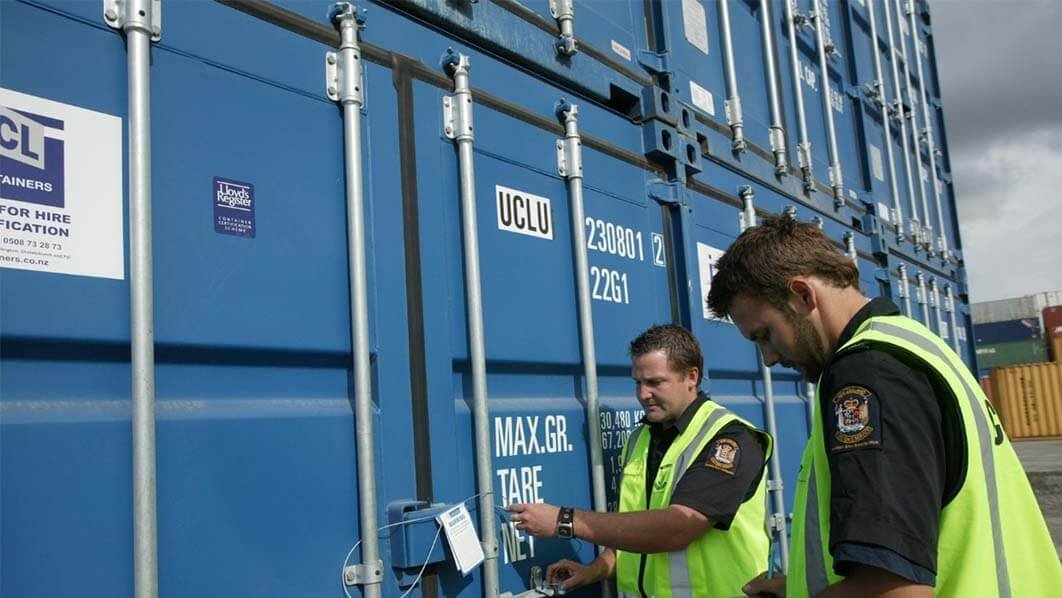
Here are some effective strategies to mitigate a customs bond claim1:
- Correct Errors: Address any mistakes in filings.
- Support Documentation: Gather and submit any necessary supporting documents.
- Formal Protest: If necessary, file a formal protest9 to challenge the claim.
These steps can assist in resolving the claim and maintaining compliance.
Bond Risk Control Workflow: Entry Filing → Compliance Monitoring → Claim Prevention → Response Strategy
Creating a proactive bond compliance strategy can significantly reduce the risk of customs bond claim1s. By linking entry oversight, documentation control, and ongoing compliance monitoring10, importers can create a robust workflow.
A structured bond compliance process links entry oversight, documentation control, and monitoring to reduce claim risk.

Here’s a simple workflow diagram for managing bond compliance:
- Entry Filing: Accurate and timely entry submissions.
- Data Review: Ongoing analysis of entry data for accuracy.
- Compliance Monitoring: Regular checks to ensure compliance with regulations.
- Issue Detection: Early identification of potential issues.
- Corrective Action: Implement corrective measures as needed.
- Risk Reduction: Continuously refine processes to reduce risk.
This structured approach can help ensure compliance and prevent future claims.
Conclusion
Filing claims for a customs bond requires understanding and timely action. By following the outlined processes and maintaining compliance, you can navigate this complex landscape effectively.
Understanding customs bond claims is essential for importers to ensure compliance and avoid financial penalties. ↩
Learn how unpaid duties can trigger customs bond claims and what steps to take to resolve them. ↩
Discover the impact of noncompliance on customs bond claims and how to avoid these pitfalls. ↩
Understand the responsibilities of the importer of record in managing customs bond claims effectively. ↩
Explore the role of customs brokers in supporting importers during customs bond claims. ↩
Learn about the financial backstop provided by sureties in customs bond claims. ↩
Find out the steps to take when you receive a CBP Notice to ensure a timely response. ↩
Understand how liquidated damages are assessed and their impact on customs bond claims. ↩
Learn the process of filing a formal protest to challenge a customs bond claim effectively. ↩
Discover how regular compliance monitoring can help prevent customs bond claims and ensure smooth operations. ↩