The Harbor Maintenance Fee1 is a crucial aspect of importing that can affect your bottom line. Understanding it can save you from unexpected costs.
The Harbor Maintenance Fee1 (HMF) is a federal fee assessed on commercial ocean cargo2 imported through U.S. ports. It funds harbor dredging and maintenance3 and applies to most vessel-based imports. HMF is not a carrier surcharge—it is a statutory customs fee4 tied to port usage.

Understanding the Harbor Maintenance Fee1 is essential for anyone involved in importing cargo into the U.S. It affects your expenses directly and requires careful attention during customs processes. Let's dive into the details.
What is the Harbor Maintenance Fee1 (HMF)?
The Harbor Maintenance Fee1 (HMF) is a federally mandated port-use tax that is charged on ocean cargo imports entering U.S. harbors. It plays a significant role in funding the maintenance of port facilities. This fee is essential for ensuring that our ports remain efficient and capable of handling the volume of imports flowing into the country. As an importer, knowing the HMF will help you plan your logistics and budgeting accordingly.
The Harbor Maintenance Fee1 (HMF) is a federal tax charged on ocean cargo that enters U.S. ports to help maintain port infrastructure. It’s a vital cost component for importers.

The HMF is more than just a fee; it reflects the importance of maintaining our ports. It ensures that they can handle increased trade efficiently. Without this funding, ports may not be able to maintain their infrastructure. The result could be delays and higher costs for all importers.
When is HMF Charged?
HMF comes into play as soon as commercial cargo is unloaded at a U.S. port. It doesn’t matter who pays for shipping or what Incoterms are involved; the responsibility for the fee falls on the importer of record5. This means it's essential to understand your obligations fully when bringing goods into the country.
HMF is charged when cargo is unloaded at a U.S. port, regardless of Incoterms. The responsibility for payment lies with the importer, making it crucial for compliance.
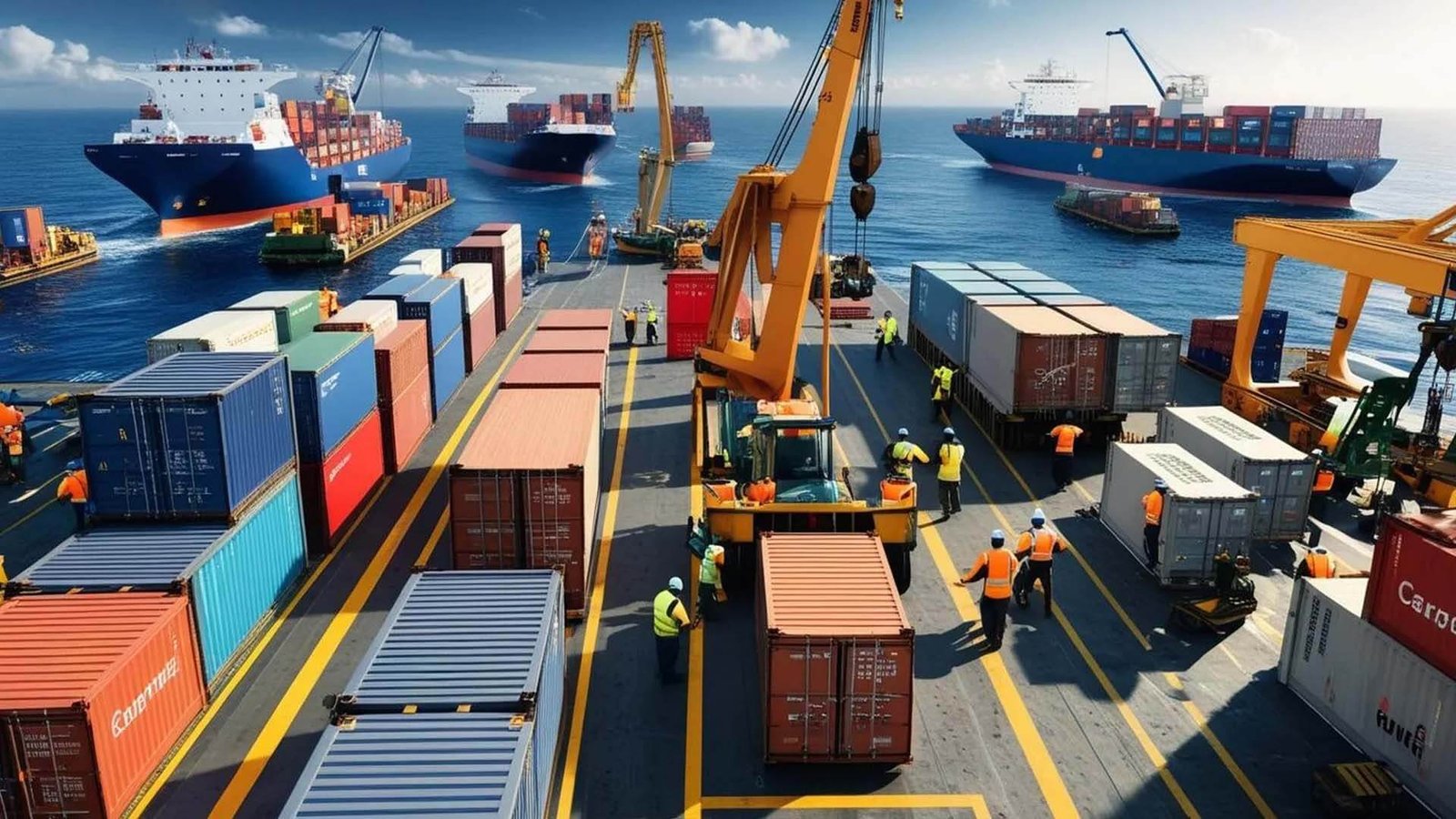
In many cases, importers may assume that the seller will cover all shipping costs, including HMF. However, this is not the case. As an importer, you must be prepared for this fee regardless of the agreed terms. Knowing this can save you from unexpected costs and compliance challenges.
What is the Current HMF Rate?
Navigating the current HMF rate6 is essential, especially when calculating total import costs. At present, the rate is set at 0.125% of the cargo's customs value. Importantly, there is no minimum or maximum cap on this fee. Thus, higher-value shipments can lead to significantly higher fees, making careful valuation even more critical.
The current HMF rate6 is 0.125% of cargo value, with no minimum or maximum fee cap. Accurate valuation is vital to ensure compliance and manage costs effectively.

This lack of a cap means you should pay close attention to how you declare the value of your goods. A small error in valuation can result in a much higher HMF bill than anticipated. Understanding this calculation can help you maintain better control over your import costs.
What are HMF Exemptions?
Not all shipments are subject to HMF. Exemptions include exports, air freight, and certain government cargo. This means that if you are involved in these types of shipments, you won’t have to worry about HMF. However, it's essential to be clear about what qualifies for an exemption as misinterpretation can lead to costly mistakes.
Specific shipments like exports and air freight are exempt from HMF, but misunderstanding these exemptions can result in penalties for importers.
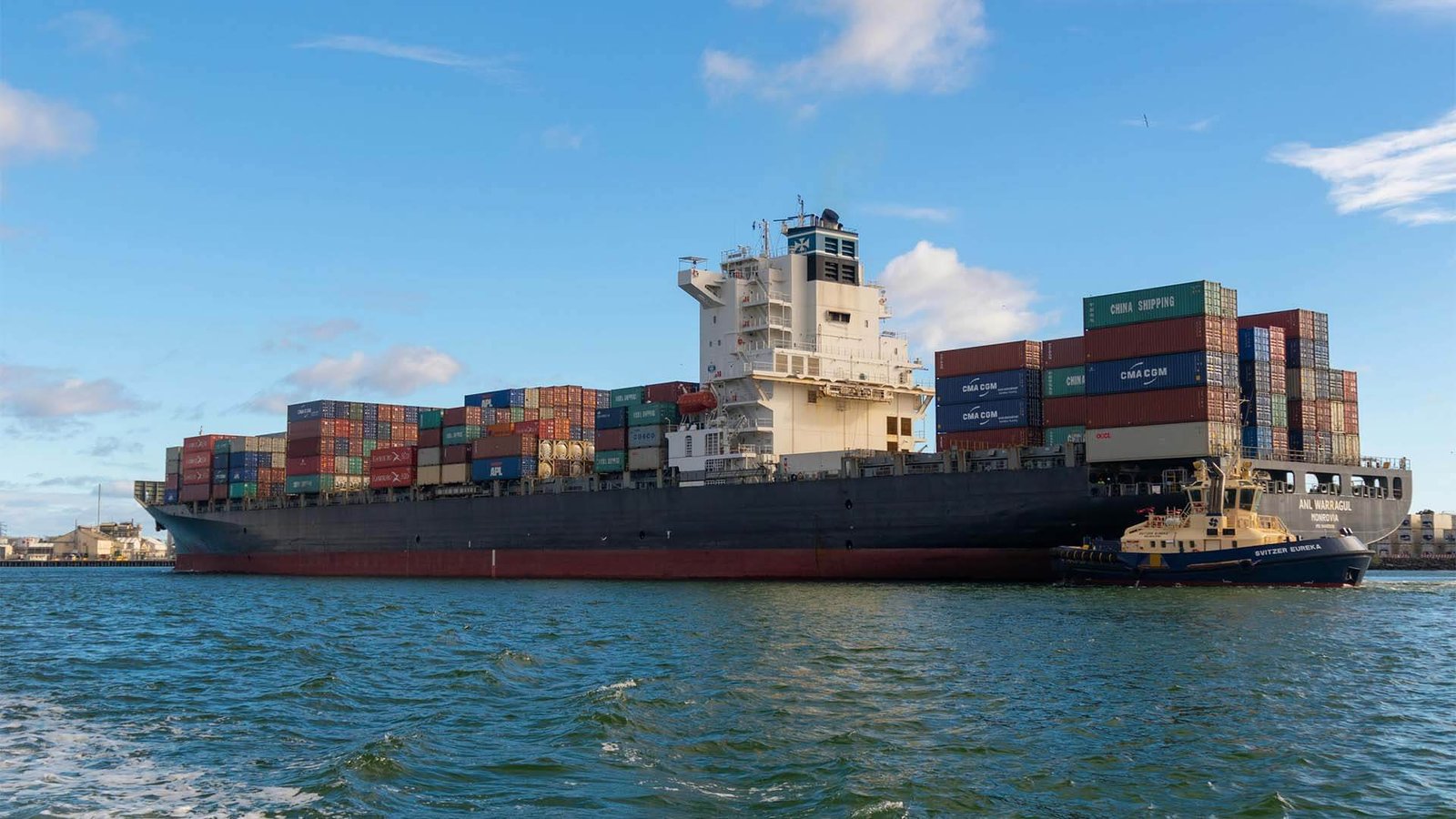
Understanding which shipments are exempt is crucial for compliance. It can help you avoid unnecessary costs and potential audits. Always classify your shipments correctly and ensure that you are aware of the rules surrounding HMF exemptions.
How is HMF Calculated?
HMF calculation happens during the customs entry filing process7, where accuracy is paramount. The fee is a percentage based on your shipment’s declared customs value. Any discrepancies can lead to a higher fee and potential penalties. Therefore, it is imperative to ensure that your valuations are correct and transparent.
HMF is calculated as a percentage of the shipment’s customs value and declared during customs entry filing, making accurate valuation8 crucial for compliance and cost management.

Getting the valuation right is essential. Mistakes in declared value can lead to penalties and audits, which can be costly. It’s wise to partner with experienced customs brokers9 who can guide you through this complex process, ensuring that you avoid pitfalls.
Can HMF be Reduced?
Legally, you cannot avoid HMF on qualifying imports. However, there are strategies to prevent overpayment. Proper valuation, compliant routing, and effective customs brokerage practices can help keep your costs down. It’s important to work with professionals who understand these complexities.
While HMF cannot be waived, proper valuation and compliance strategies can minimize costs and avoid penalties related to HMF.

Effective management of your imports can help you navigate HMF more efficiently. Understanding how to calculate this fee accurately and maintaining compliance will prevent unexpected expenses. This can save your business money in the long run.
Conclusion
Understanding the Harbor Maintenance Fee1 is essential for successful importing. Proper knowledge can help you avoid unexpected costs and ensure compliance.
Understanding the Harbor Maintenance Fee is crucial for importers to manage costs and ensure compliance with U.S. customs regulations. ↩
Learn how this fee is calculated to better manage your import expenses and avoid unexpected charges. ↩
Discover how your fees contribute to maintaining efficient port operations, which is vital for smooth import processes. ↩
Understanding statutory customs fees helps in planning your import budget and avoiding compliance issues. ↩
Knowing your role as an importer of record is essential to ensure compliance and avoid penalties. ↩
Stay updated on the current HMF rate to accurately calculate your import costs and avoid overpayment. ↩
Learn how accurate customs entry filing can prevent costly errors and ensure compliance with HMF regulations. ↩
Accurate valuation is crucial to avoid overpaying fees and facing potential penalties during customs processes. ↩
Partnering with experienced customs brokers can guide you through complex HMF calculations and compliance. ↩