The requirements around fumigation certificate1s can be confusing. Many importers wonder when they need one and why it matters.
A fumigation certificate1 is an official document confirming that cargo, packaging, or containers have been treated to eliminate pests. U.S. Customs2 and destination authorities require it to prevent invasive species3 and agricultural contamination4, especially for shipments using wood packaging or originating from high-risk regions.
Getting a fumigation certificate1 is crucial for smooth customs clearance5. Without it, delays can occur, or your shipment could be rejected. Understanding what triggers the need for this certificate can save you time and money.
What Is a Fumigation Certificate and Why U.S. Customs2 and Overseas Authorities Require It for Certain Imports?
Fumigation certificates are essential documents in international trade. They assure that your goods have undergone pest control treatment. This is especially important for U.S. Customs2 and other authorities, who emphasize avoiding the introduction of invasive pests and diseases.
Fumigation certificates are often required for shipments containing wood packaging, agricultural products, or goods from countries with rigorous pest control regulations. They help maintain the integrity of both U.S. agriculture and the environment.
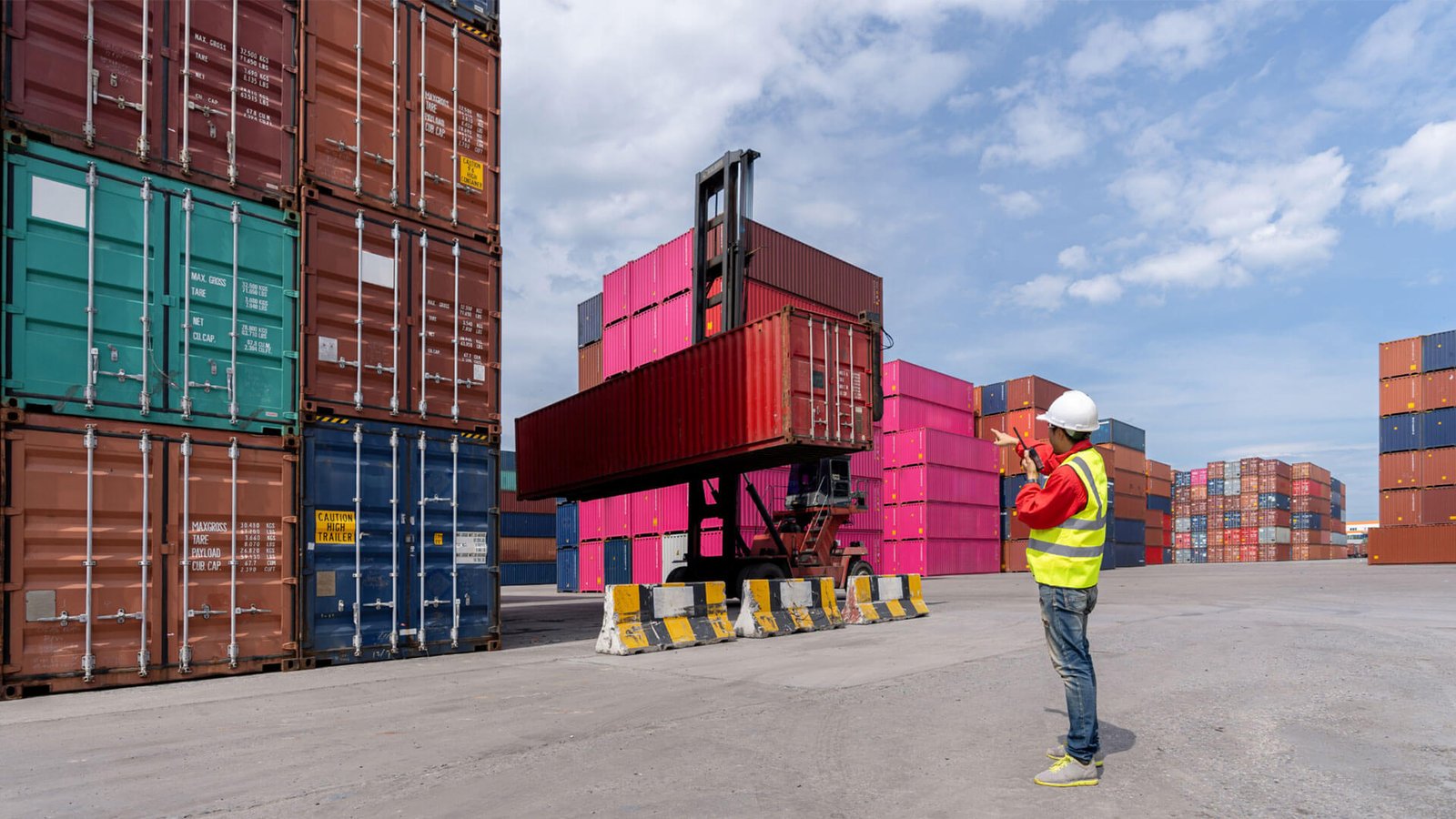
The role of a fumigation certificate1 cannot be overstated. It acts as a protective measure against potential pest infestations that could arise from imported goods. The certificate is a safeguard that helps to ensure compliance with international standards and regulations.
When Is a Fumigation Certificate Required for U.S. Imports, and Which Commodities, Packaging, and Countries Trigger It?
Knowing when a fumigation certificate1 is required can save importers from unnecessary complications. Generally, you need this certificate for shipments that include solid wood packaging6, such as pallets and crates, or agricultural goods.
A fumigation certificate1 is typically required when shipments include solid wood packaging6, agricultural goods, or originate from countries with strict phytosanitary controls7. Requirements vary by commodity and destination, making it essential for importers to verify treatment rules before shipment to avoid inspection delays or cargo rejection.

To illustrate, if you are importing furniture made from solid wood, you must ensure compliance with fumigation requirements. Similarly, agricultural products often come with their own set of regulations, depending on the origin country.
It’s crucial to stay updated on the specific requirements for your commodities. This knowledge helps in planning your shipments and avoiding delays or rejection at customs.
Fumigation Certificate vs Heat Treatment Certificate: Which One Meets ISPM 15 and Destination Country Rules?
Many importers often confuse fumigation with heat treatment certificates8. While both serve to meet ISPM 15 compliance9, they each have unique applications.
Both fumigation and heat treatment certificates8 serve ISPM 15 compliance9, but they are not interchangeable in all cases. Heat treatment is often preferred for sustainability and repeat use, while fumigation may still be required by certain countries, commodities, or emergency pest-control regulations.
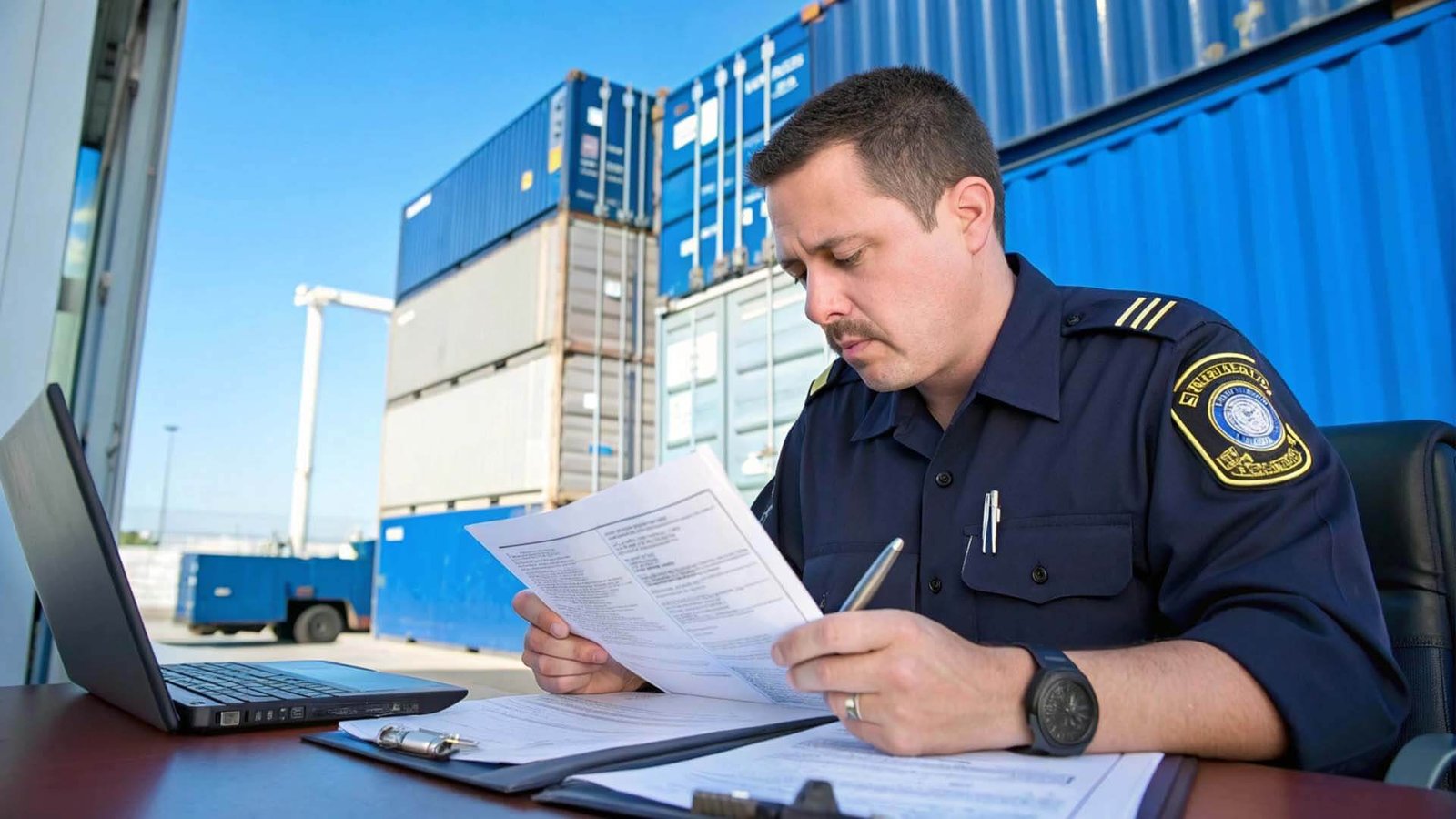
For example, heat treatment is often favored because it allows for the reuse of wood packaging materials. On the other hand, certain commodities may still necessitate fumigation as a precautionary measure against specific pests.
Understanding the differences between these certificates can help you choose the right method for your shipments. This knowledge can also minimize delays and ensure compliance with both U.S. and destination country regulations.
What Happens If a Shipment Lacks a Valid Fumigation Certificate at Customs Clearance?
Failing to secure a fumigation certificate1 can lead to a myriad of problems during customs clearance5. Goods without this critical documentation may face severe penalties.
Shipments without a valid fumigation certificate1 may face customs holds, mandatory re-treatment, return to origin, or destruction. These outcomes increase storage costs, disrupt delivery timelines, and expose importers to compliance risk10, making pre-shipment verification critical for smooth customs clearance5.

Imagine the frustration of having your shipment held at customs due to a lack of proper documentation. Not only do you face additional costs, but you also risk damaging your business reputation. This situation could have been avoided with proper preparation.
Always conduct a thorough review of your documentation before shipment. It’s a small step that can lead to significant savings in time and resources.
How Freight Forwarders and Customs Brokers Coordinate Fumigation, Documentation, and Compliance End to End
Navigating fumigation requirements can be complex. Fortunately, freight forwarders11 and customs brokers12 play a vital role in ensuring compliance.
Experienced freight forwarders11 and customs brokers12 coordinate fumigation scheduling, approved treatment providers, certificate issuance, and document submission. By managing this process end to end, they help importers avoid compliance gaps, reduce inspection risk, and ensure shipments meet both U.S. and destination country requirements.

For instance, a freight forwarder may work closely with a certified fumigation provider to ensure that your goods are treated properly. They also handle the issuance of the fumigation certificate1, which must be included in your shipping documents.
This comprehensive management reduces the risk of delays and compliance issues. It’s essential to collaborate with professionals who understand international regulations to streamline your import process.
Conclusion
In summary, understanding fumigation certificate1s is crucial for smooth customs clearance5 and compliance with U.S. regulations.
Understanding the importance of a fumigation certificate can help ensure smooth customs clearance and prevent shipment delays or rejections. ↩
Knowing the requirements of U.S. Customs can help importers comply with regulations and avoid potential penalties or shipment holds. ↩
Preventing invasive species is crucial for protecting local ecosystems and agriculture, making fumigation certificates essential for certain imports. ↩
Avoiding agricultural contamination is vital for maintaining the integrity of local agriculture and complying with international trade standards. ↩
Knowing the consequences of missing documentation can help importers avoid costly delays and ensure smooth customs processing. ↩
Solid wood packaging often requires fumigation to prevent pest infestations, making it important to understand these requirements for compliance. ↩
Phytosanitary controls are crucial for preventing the spread of pests and diseases, and understanding them can aid in compliance with import regulations. ↩
Understanding the differences between these certificates can help importers choose the right method for their shipments and ensure compliance. ↩
ISPM 15 compliance is essential for international trade, and knowing how fumigation certificates fulfill these requirements can prevent shipment issues. ↩
Understanding compliance risks can help importers take proactive measures to secure necessary documentation and avoid penalties. ↩
Freight forwarders play a key role in managing fumigation and compliance, helping importers navigate complex regulations and avoid issues. ↩
Customs brokers ensure that all necessary documentation is in place, reducing the risk of compliance gaps and shipment delays. ↩