Freight costs can silently drain your profits. Without proper controls, overbilling1 can happen easily, leading to unnecessary expenses that could have been avoided.
Freight audit and payment2 is the process of verifying carrier invoices against contracts, tariffs, and shipment data before payment. For shippers, it prevents overbilling1, enforces negotiated rates, and creates visibility into true transportation spend3—making it a foundational control for managing freight costs and protecting margins.

When freight costs spiral, many shippers wonder why. Without a solid audit and payment control system, costs can leak unnoticed. This can lead to high expenses that impact the bottom line.
What Freight Audit and Payment Is and Why It Matters for Shipper Cost Control?
Auditing and paying for freight involves a detailed process that ensures every charge is legitimate. It starts with receiving invoices from carriers. Each invoice must then be compared to the contracted terms and shipment data.
Freight audit and payment2 helps shippers control costs by validating charges before payment. It mitigates the risk of overbilling1 and promotes better financial planning. Without this process, shippers risk losing money and facing budget overruns.

Cost leakage can occur in many forms. It often happens when shippers overlook small discrepancies that add up over time. This often includes things like incorrect rates4, duplicate charges, or unauthorized accessorial fees.
Freight cost leakage5 severely affects profitability, especially if left unchecked. Carriers might bill improperly, and without scrutiny, these errors can result in significant overspending. Shippers must be vigilant to prevent these losses.
Where Freight Cost Leakage Happens Without Proper Audit and Payment Controls?
Freight cost leakage5 occurs through various avenues. Common pitfalls include incorrect base rates, duplicate invoices6, unauthorized accessorial charges, incorrect fuel surcharges, and dimensional errors7.
Cost leakage commonly occurs through incorrect base rates, duplicate invoices6, unauthorized accessorials, incorrect fuel surcharges, and dimensional errors7. Without systematic audits, these charges often go unnoticed. Over time, small errors compound into significant overspend across international and domestic freight networks.

To better understand leakage, shippers should examine their auditing processes critically. Identifying areas where errors frequently occur can lead to more effective controls.
Common Sources of Cost Leakage
| Source of Leakage | Description |
|---|---|
| Incorrect Rates | Billing at higher than agreed rates |
| Duplicate Charges | Same invoice processed multiple times |
| Unauthorized Accessorials | Charges for additional services not approved |
| Fuel Surcharge Errors | Miscalculation or incorrect application of surcharges |
| Dimensional Errors | Misinterpretation of shipment dimensions |
By focusing on these areas, shippers can minimize their risk of overpayment.
How the Freight Audit and Payment Process Works From Invoice to Settlement?
The freight audit process is a systematic approach. It begins when a carrier submits an invoice. From there, the invoice is matched against shipment data and contractual agreements.
The process starts when a carrier invoice is received and matched to shipment data and contracted terms. Charges are validated, discrepancies flagged, disputes resolved, and approved invoices paid. Clean audit workflows ensure timely payment while protecting shippers from errors and non-compliant charges.

During the audit process, discrepancies may arise. Resolving these issues quickly is essential. An organized workflow helps shippers maintain control over their expenses.
Steps in the Freight Audit Process
- Shipment Confirmation: Verify that the freight has been received as per the shipment details.
- Invoice Submission: Carrier sends the billing statement.
- Charge Validation: Match the invoice against the agreed contract and shipping data.
- Dispute Resolution: Address and resolve any discrepancies with the carrier.
- Payment Processing: Settle approved invoices promptly.
Importance of Each Step
Each step is crucial to ensuring accurate payments and maintaining financial responsibility. Missing any step can lead to overspending and wasted resources.
What Importers Must Validate During Freight Audits to Avoid Overcharges and Liability?
Importers must take an active role in validating various aspects of freight invoices. Specific areas need focused attention to avoid overcharges and potential liabilities.
Importers must validate rate agreements8, fuel formulas, accessorial eligibility9, shipment weights10, Incoterm responsibility11, and billing party accuracy12. Errors in these areas can create overcharges or legal liability. Proper audits protect shippers from paying costs they do not contractually or legally owe.
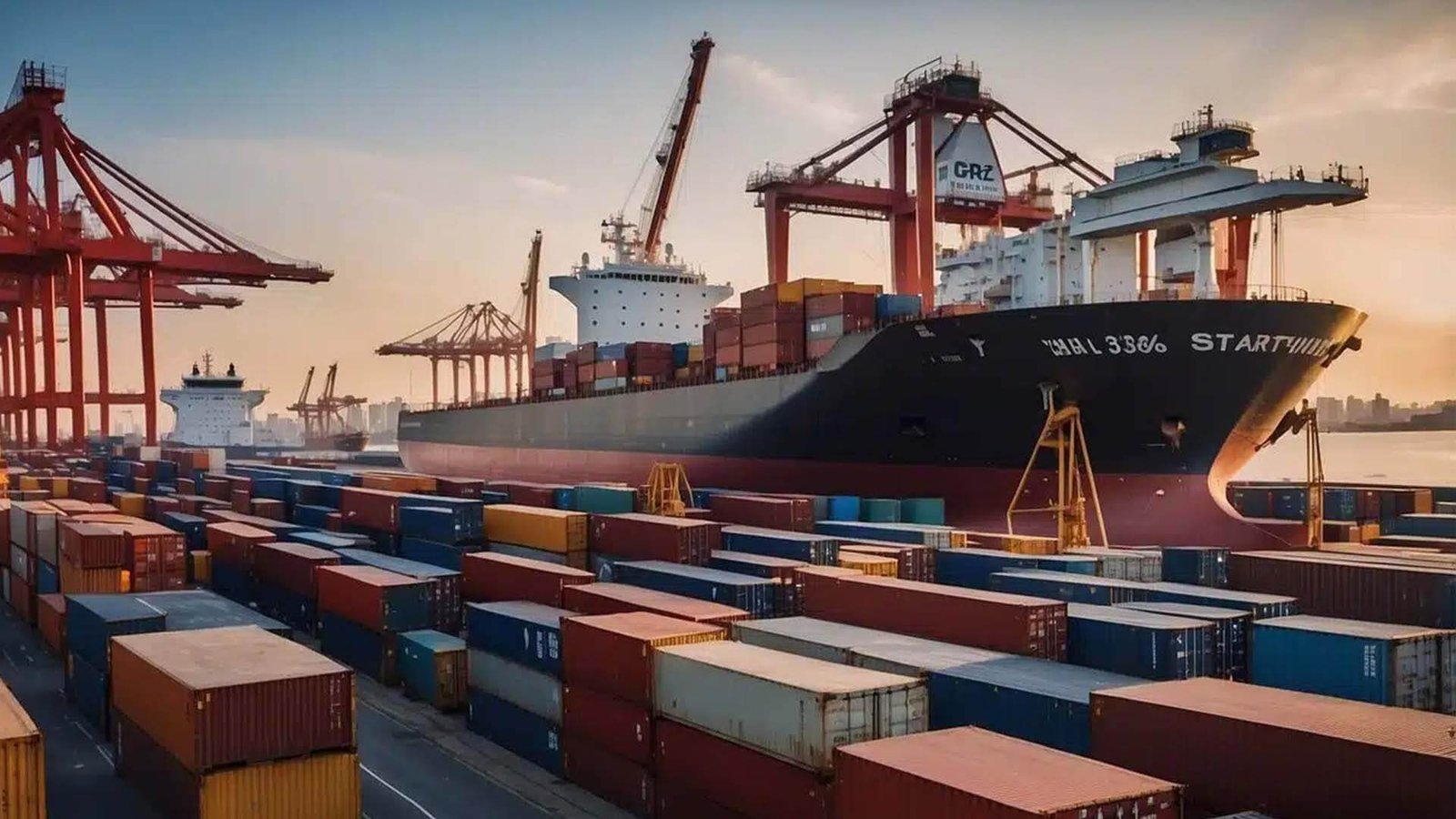
Understanding these areas allows importers to protect themselves from unnecessary costs. Involving skilled personnel to conduct the audit can yield significant financial benefits.
Key Validation Areas
| Validation Area | Description |
|---|---|
| Rate Agreements | Confirm the correct rate has been applied |
| Fuel Formulas | Verify fuel surcharges are calculated correctly |
| Accessorial Eligibility | Ensure extra charges are warranted and agreed upon |
| Shipment Weights | Check for accuracy in weights listed |
| Incoterm Responsibility | Clarify obligations and risks associated with shipment |
| Billing Party Accuracy | Confirm that the correct party is being billed |
Accurate validation in these areas is paramount for preventing financial strain on operations.
How Freight Audit Data Helps Shippers Control Rates, Accessorials, and Carrier Performance?
Freight audit data provides valuable insights into shipping performance and costs. By analyzing this data, shippers can make informed decisions regarding their logistics strategies.
Audit data reveals spending patterns, frequent accessorial triggers, carrier compliance13 issues, and lane-level cost trends. Shippers use these insights to renegotiate contracts, adjust routing guides, and correct operational behaviors—turning audit from a defensive tool into a proactive cost-control strategy.

Effective use of data allows shippers to identify trends and patterns that might indicate issues. This leads to better decision-making and cost control.
Benefits of Analyzing Audit Data
| Benefit | Description |
|---|---|
| Spending Patterns | Identify areas of high expenditure |
| Accessorial Triggers | Recognize frequent additional charges |
| Carrier Compliance | Monitor carrier performance and adherence to agreements |
| Cost Trends | Understand how costs change over time |
The insights gained from audit data are critical for strategic planning in freight management.
When Shippers Should Automate or Outsource Freight Audit and Payment Functions?
As shipment volumes and complexity increase, shippers need to assess their auditing needs. Automation or outsourcing can provide significant advantages in managing freight payments effectively.
Automation or outsourcing becomes valuable as shipment volume, modal complexity, and invoice counts grow. Manual audits struggle to scale and miss errors. Advanced audit solutions increase accuracy, speed, and analytics depth—allowing internal teams to focus on strategy rather than invoice firefighting.

Shippers should consider their specific circumstances when deciding to automate or outsource14. Factors like volume and complexity play a critical role in making this decision.
Comparison of Audit Methods
| Audit Method | Accuracy | Scalability | Visibility | Best for |
|---|---|---|---|---|
| Manual Audit (In-House) | Low–Medium | Poor | Limited | Very low shipment volumes |
| Automated Audit (Technology-Driven) | High | Strong | Real-time analytics | Growing, multi-modal shippers |
| Outsourced Audit & Pay | Very High | Enterprise-level | Advanced benchmarking | Complex, high-volume importers |
Each method has its advantages and disadvantages, making it vital for shippers to evaluate their options carefully.
Conclusion
Freight audit and payment2 are essential for controlling costs and protecting profitability. By implementing proper audit practices, shippers can significantly reduce financial risks.
Overbilling can lead to unnecessary expenses, impacting a company's bottom line. Learn how to identify and prevent it. ↩
Understanding freight audit and payment is crucial for shippers to prevent overbilling and manage transportation costs effectively. ↩
Gaining visibility into transportation spend helps shippers manage costs and improve financial planning. ↩
Incorrect rates can cause significant financial losses. Discover how to identify and correct them. ↩
Identifying cost leakage sources is essential for shippers to prevent overspending and protect profitability. ↩
Duplicate invoices can lead to overpayment. Learn how to detect and prevent them in freight auditing. ↩
Dimensional errors can result in overcharges. Discover how to prevent these errors in shipping. ↩
Validating rate agreements ensures that shippers are charged correctly, preventing overcharges. ↩
Ensuring accessorial eligibility helps shippers avoid paying for unauthorized services. ↩
Accurate shipment weights prevent overcharges and ensure fair billing in freight audits. ↩
Understanding Incoterm responsibility helps shippers clarify obligations and avoid legal liabilities. ↩
Ensuring billing party accuracy prevents incorrect charges and financial discrepancies. ↩
Monitoring carrier compliance helps shippers ensure adherence to agreements and improve performance. ↩
Deciding to automate or outsource can enhance efficiency and accuracy in managing freight payments. ↩