The final mile delivery1 stage is critical in logistics, yet many overlook its impact on overall shipping success. Understanding its nuances can save importers2 significant costs and headaches.
Final mile delivery is the last stage of shipping where goods move from a warehouse or local hub to the final customer location. For U.S. importers2, it is the final handoff after port clearance and warehousing, and often the most visible, expensive, and failure-prone part of the supply chain3.

Final mile delivery plays a pivotal role in the broader import and distribution process. Often, this phase is where the most significant challenges arise. Importers need to recognize that optimizing this stage is not just about cost but also about enhancing customer satisfaction4 and ensuring timely deliveries.
What Is Final Mile Delivery and Where It Fits in the End-to-End Import and Distribution Process?
Final mile delivery refers to the last step in the supply chain3, where goods are transported from a delivery hub or distribution center directly to the end customer. This last mile is crucial as it influences customer experience and impacts the overall perception of service quality.
Final mile delivery is the last stage of shipping where goods move from a warehouse or local hub to the final customer location. For U.S. importers2, it is the final handoff after port clearance and warehousing, and often the most visible, expensive, and failure-prone part of the supply chain3.
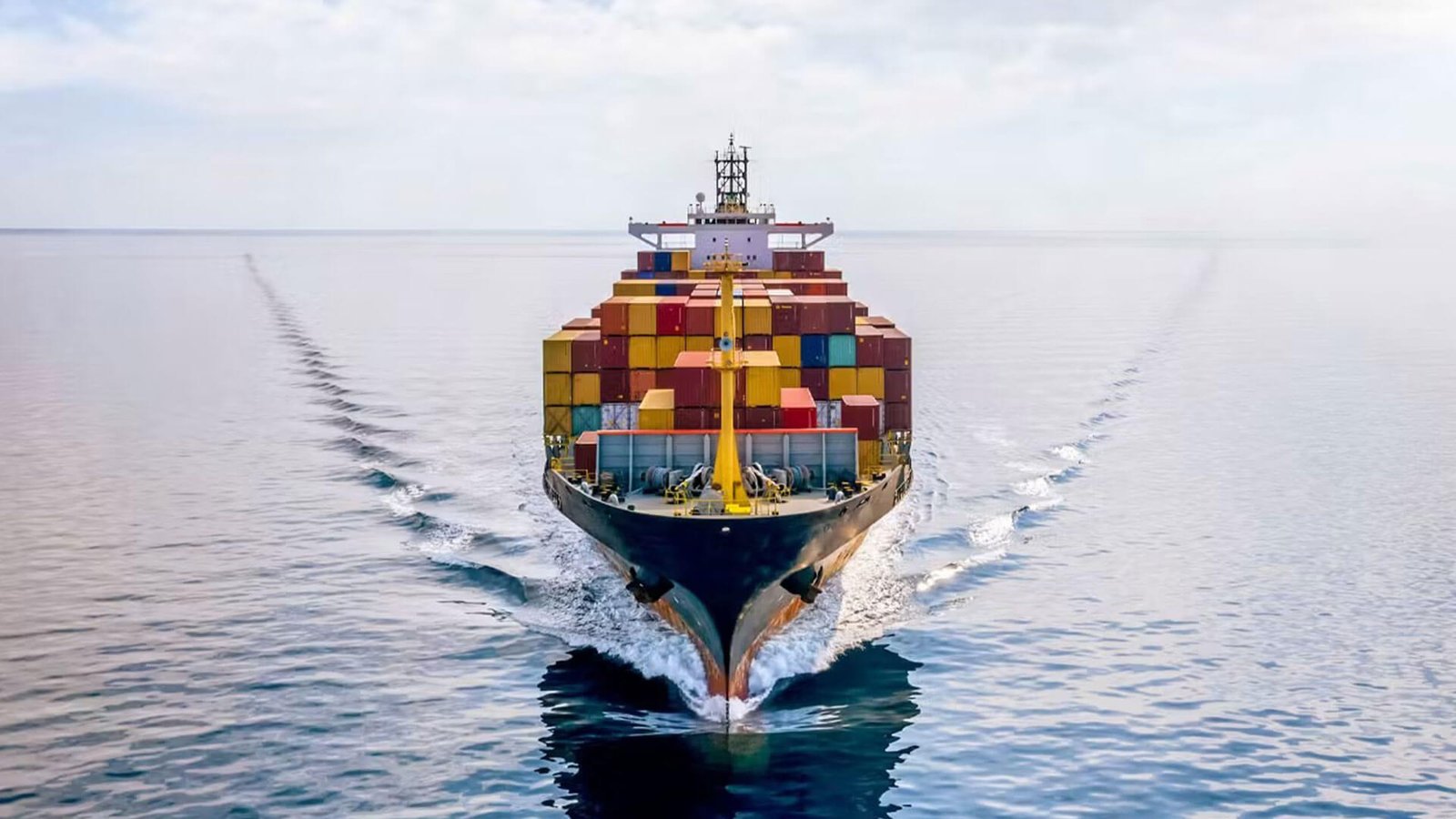
The final mile is essential as it often dictates the overall efficiency of the import process. Many importers2 fail to appreciate how the final mile fits into the entire logistics framework5. Once goods arrive at the port, they undergo customs clearance6, after which they are transported to a warehouse for staging. The final mile delivery1 connects the last step of warehousing to the ultimate customer, making it a critical juncture.
The issues that arise during this stage can have significant repercussions on the entire supply chain3. Delays and delivery failures7 can erode profit margins and damage customer relationships. Understanding this phase helps importers2 plan better and allocate resources effectively.
Why Final Mile Delivery Is the Most Expensive and Operationally Risky Stage of Shipping?
The final mile stage is often the costliest part of the shipping process. This is mainly due to its unique challenges and logistical intricacies.
Final mile delivery is costly because it relies on small shipments, local labor, fuel-intensive routes, and frequent accessorial charges. Unlike long-haul freight, costs cannot be easily consolidated, making this stage highly sensitive to failed deliveries, congestion, and service variability that directly impact importer margins.
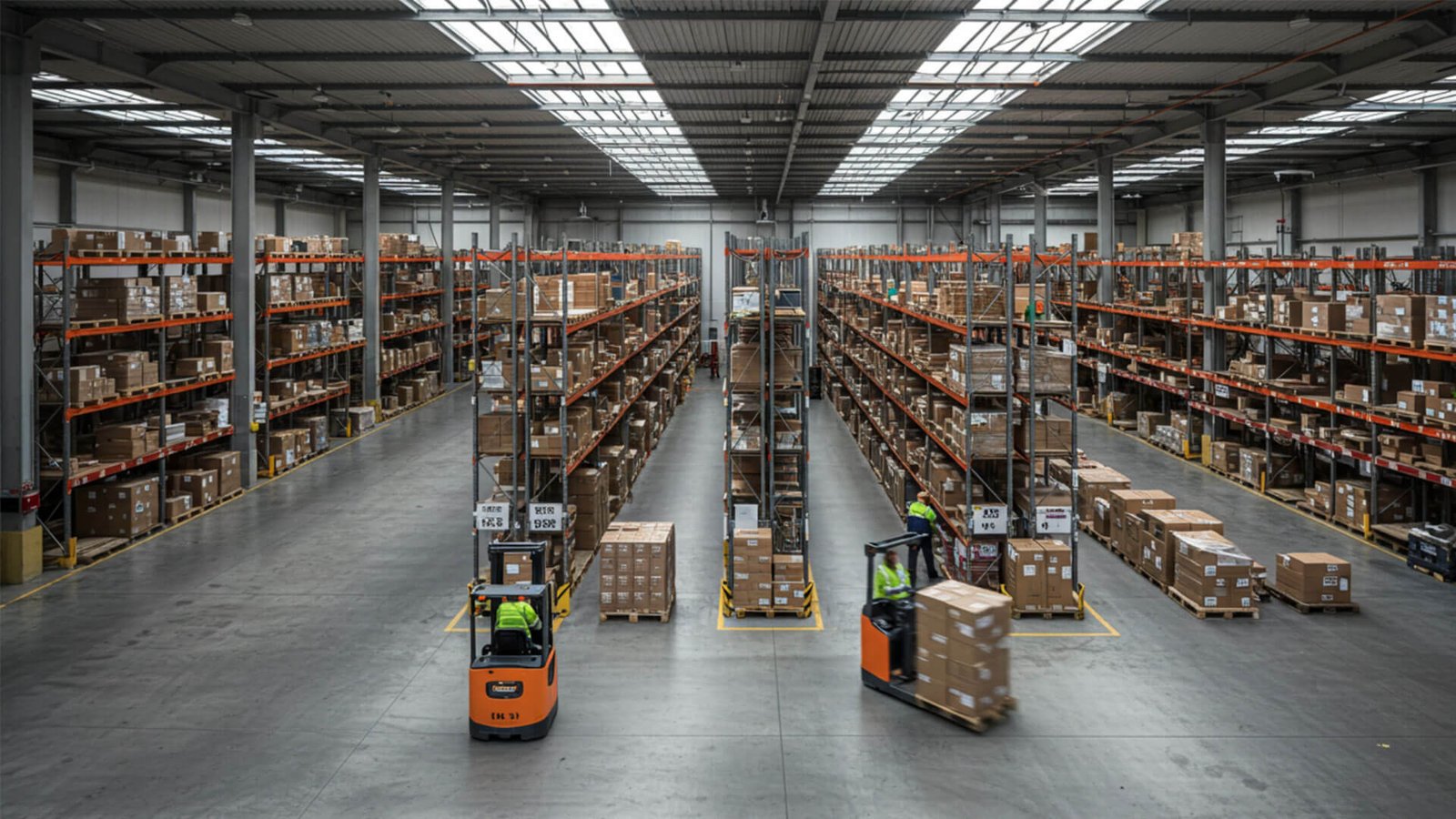
Many factors contribute to high costs in the final mile. First, local deliveries typically involve smaller shipments, which do not benefit from economies of scale. Each delivery requires a dedicated vehicle, further driving up expenses. Local drivers are often paid higher wages due to the nature of their work, adding to the costs.
Additionally, fuel costs can vary significantly depending on the routes taken. Urban deliveries can be particularly challenging due to traffic congestion, which leads to delays and increased fuel consumption. Accessorial charges are another hidden cost. These can include fees for liftgate service or residential deliveries, which quickly add up if not planned for.
The operational risks also compound costs. Failed deliveries, for example, lead to additional charges and rescheduling. For importers2, this means that the final mile is not just a logistical challenge but a critical factor influencing the overall shipping budget.
What Causes Final Mile Delivery Failures After Port, Rail, or Warehouse Release?
Final mile delivery failures7 can be frustrating for importers2, often resulting from a mix of preventable issues.
Final mile failures often stem from poor address accuracy8, missed delivery appointments, limited receiving hours, or misaligned handoffs between warehouses and local carriers. For importers2, these issues frequently appear only after cargo has cleared customs, turning small coordination gaps into costly delays and redelivery fees.
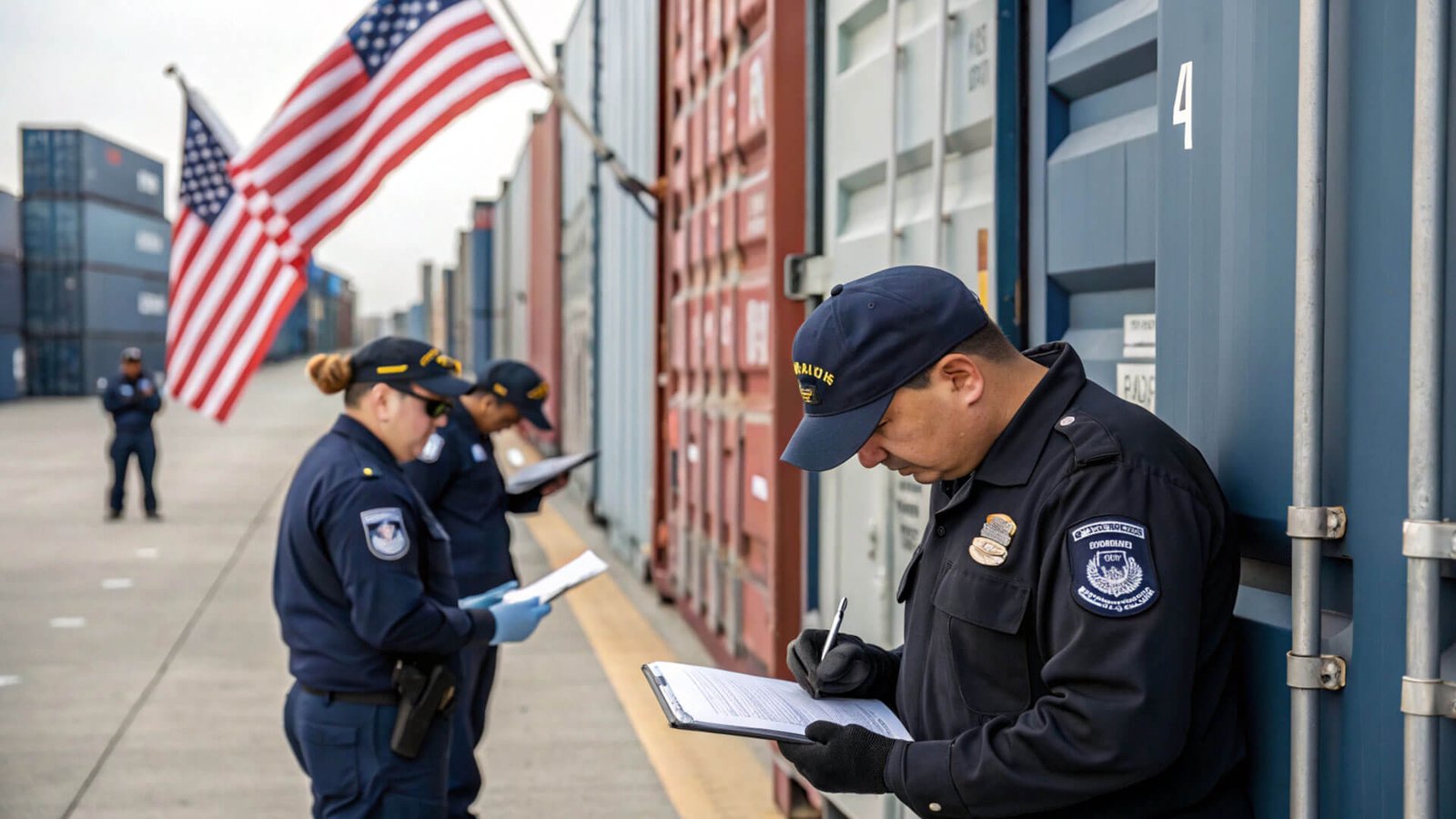
One of the primary causes of last mile failures is inaccurate address information. If the address on the shipping label does not match where the customer resides, it can lead to significant delays. Similarly, missed delivery appointments can arise when customers are not available during the scheduled delivery window, leading to redelivery attempts.
Limited receiving hours at businesses can also complicate logistics. If a delivery arrives outside of business hours, the shipment cannot be accepted. This oversight can cause unnecessary delays and additional costs.
Furthermore, coordination between warehouses and local carriers is critical. Misaligned handoffs can derail the entire delivery process. Importers must ensure that communication between all parties involved is seamless and that everyone is on the same page.
How Final Mile Delivery Impacts Total Landed Cost, Customer Experience, and Inventory Velocity?
The implications of final mile delivery1 extend beyond simple logistics; they significantly affect a company's financial health and customer satisfaction4.
Final mile performance directly affects total landed cost, on-time delivery metrics, and customer satisfaction4. Delays or failures can increase storage costs, slow inventory turnover9, and damage service levels. For importers2, the final mile often determines whether the entire supply chain3 investment delivers value or leaks margin.
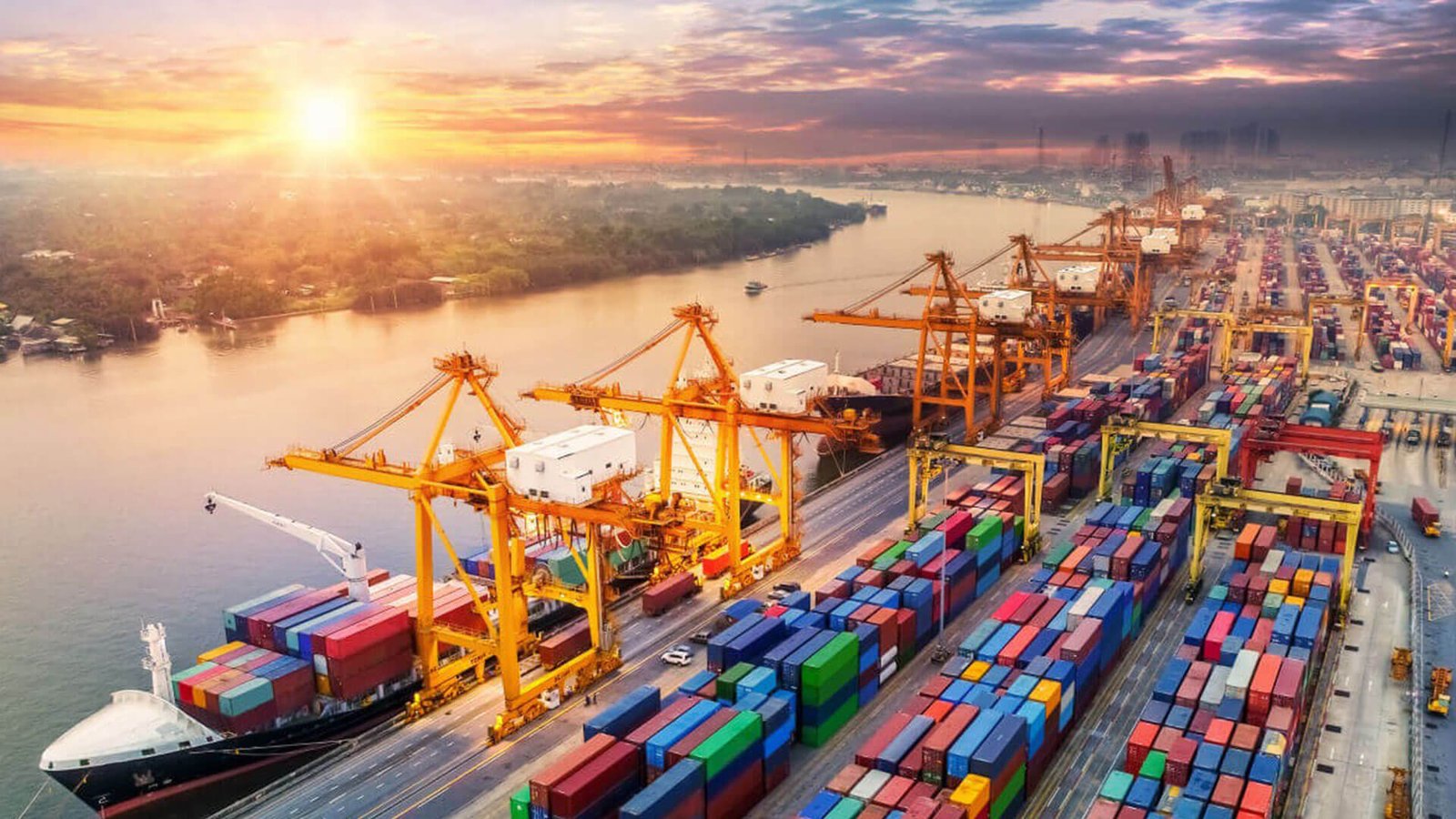
Delays in final mile deliveries can lead to increased storage costs. When goods are stuck in transit, they occupy valuable warehouse space and resources, which can slow inventory turnover9. This inefficiency can impact the overall service level provided to customers.
Moreover, a poor final mile experience can lead to unsatisfied customers. In today's competitive landscape, customer experience is paramount. If deliveries are late or fail to meet expectations, it can damage a company's reputation.
The final mile is where the promise of timely delivery meets reality. Importers must recognize that optimizing this stage is critical not only for cost management but also for maintaining an edge in customer service.
Which Final Mile Delivery Models Importers Use and When Each One Makes Sense?
Importers have several delivery models10 to choose from, and the right choice can greatly influence efficiency and cost.
Importers use multiple final mile models, including parcel carriers11, LTL providers12, dedicated local fleets, and crowdsourced delivery networks13. Each model offers trade-offs between cost, speed, and control. Choosing the right option depends on shipment size, delivery density, service expectations, and risk tolerance.
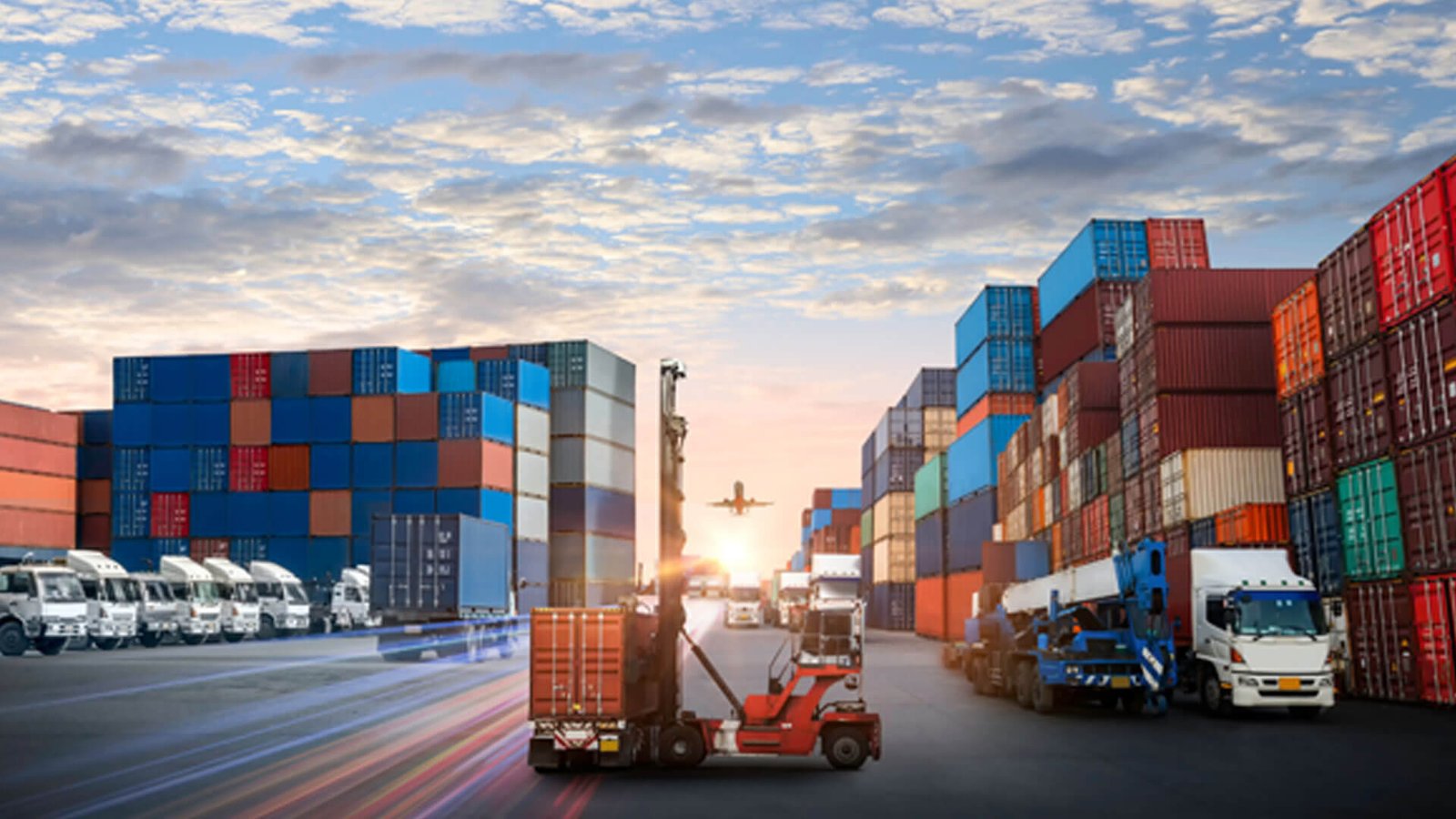
Each final mile delivery1 model comes with its own advantages and challenges. Parcel carriers are great for smaller shipments but can be costly for heavier items. Less-than-truckload (LTL) providers are suitable for larger shipments but may not provide the level of service speed that some importers2 require.
Dedicated local fleets can offer more control but require more substantial upfront investment. Alternatively, crowdsourced delivery networks13 can be economical but may lack reliability and consistency.
Choosing the right model often comes down to analyzing the shipment size, delivery density, and service expectations. Importers need to weigh the trade-offs and select a model that aligns with their business goals and operational capabilities.
How Importers Can Optimize Final Mile Delivery Through Better Planning, Visibility, and Carrier Coordination?
Optimization of final mile delivery1 is crucial for improving service and reducing costs.
Importers can optimize final mile delivery1 by improving shipment visibility14, validating delivery requirements early, and coordinating carriers before cargo leaves the warehouse. Proactive planning reduces failed deliveries, controls accessorial costs, and ensures final mile execution aligns with broader import and fulfillment strategies.
To achieve optimization, importers2 should focus on improving shipment visibility14. This can include tracking deliveries in real time and verifying address accuracy8 before dispatch. Early validation of delivery requirements can prevent surprises and ensure that all needs are met from the beginning.
Effective coordination between carriers is also vital. Importers should ensure that communication is fluid among all parties involved, from the warehouse to the final mile delivery1 team. This proactive approach can help mitigate risks and control costs, ultimately leading to more successful delivery outcomes.
By focusing on these areas, importers2 can enhance their final mile delivery1 operations, leading to better customer satisfaction4 and improved bottom lines.
Conclusion
Final mile delivery is a critical element of the import process that directly impacts costs, service performance, and customer satisfaction4.
Understanding final mile delivery is crucial for optimizing logistics and enhancing customer satisfaction, making it a key area for importers to explore. ↩
Importers play a vital role in the supply chain, and learning how they manage final mile delivery can provide insights into improving logistics efficiency. ↩
Understanding the role of final mile delivery in the supply chain can help businesses optimize their logistics and reduce costs. ↩
Customer satisfaction is directly impacted by final mile delivery, and exploring this can help businesses improve their service quality and reputation. ↩
Exploring the logistics framework for final mile delivery can provide insights into improving efficiency and reducing operational risks. ↩
Customs clearance is a critical step before final mile delivery, and understanding it can help importers streamline their shipping process. ↩
Identifying the causes of delivery failures can help businesses prevent costly delays and improve their final mile delivery success rate. ↩
Address accuracy is crucial for successful deliveries, and exploring this can help businesses reduce delivery failures and improve customer satisfaction. ↩
Final mile delivery impacts inventory turnover, and exploring this can help businesses improve their supply chain efficiency and reduce costs. ↩
Exploring different delivery models can help businesses choose the best option for their needs, balancing cost, speed, and control. ↩
Parcel carriers are a common delivery model, and understanding their role can help businesses optimize their final mile logistics. ↩
LTL providers offer a delivery model for larger shipments, and exploring their role can help businesses improve their logistics efficiency. ↩
Crowdsourced delivery networks offer an economical option, and understanding their operation can help businesses reduce costs. ↩
Shipment visibility is crucial for successful deliveries, and exploring this can help businesses improve their logistics and customer satisfaction. ↩