Exporting seems simple, but the legal risks1 are huge. You must understand your responsibilities as an exporter, or you could face serious fines and delays.
As the exporter, you are legally responsible for the entire export process. This includes providing accurate information for declarations, complying with all U.S. regulations2, and ensuring your goods are shipped legally. This responsibility cannot be transferred to your freight forwarder or anyone else.

Many businesses I talk to think of exporting as just shipping. They find a buyer, pack the goods, and call a freight forwarder. They assume the logistics partner handles all the "hard stuff." But this is a dangerous assumption. The U.S. government sees you, the exporter, as the one in charge. If something goes wrong, they will come to you, not your forwarder. Let's break down exactly what this means for your business so you can export goods safely and without any surprises.
What Does It Mean to Be the Exporter of Record and Why Can't Legal Responsibility Be Delegated?
You think your forwarder handles all the compliance details. But if they make a mistake on the paperwork, you are the one who is legally and financially liable.
The Exporter of Record (EOR)3 is the person or company legally responsible for all aspects of an export shipment. This ultimate liability cannot be delegated or transferred to a freight forwarder or carrier, even if they complete the paperwork on your behalf.
I've seen this cause major problems for companies. They get a notice from U.S. Customs and Border Protection (CBP)4 and their first reaction is, "But my forwarder handled it!" Unfortunately, that is not a valid defense. Understanding your role is the first step in protecting your business.
Defining the Exporter of Record
The government needs one party to hold accountable for every shipment that leaves the country. That party is the Exporter of Record, also known as the U.S. Principal Party in Interest (USPPI). As the EOR, you are responsible for:
- The accuracy of the export declaration5.
- Determining if an export license6 is needed.
- Screening all parties in the transaction.
- Maintaining records for five years.
This responsibility applies regardless of your intent. An honest mistake can still lead to fines.
The "My Forwarder Handles It" Myth
A freight forwarder is your agent. They act on your instructions and use the data you provide. They are not the legally responsible party. I had a client, a small manufacturer, who learned this the hard way. They were exporting industrial components to Asia and assumed their forwarder would check for licensing requirements. The forwarder filed the declaration without a proper review. U.S. Customs flagged the shipment, held it for weeks, and issued a formal warning to my client—the exporter. The forwarder faced no penalty. This is a classic example. Your forwarder executes the shipment, but you own the compliance risk.
Which U.S. Export Regulations Apply to Your Shipment and How Do Export Controls Impact Clearance?
You just want to ship your products to your customer. But various government agencies have strict rules that can stop your shipment cold if you are not prepared.
Most U.S. exports are regulated by two main bodies: Customs and Border Protection (CBP)4 for filing requirements, and the Bureau of Industry and Security (BIS)7 under the Export Administration Regulations (EAR)8 for export controls9. These rules determine if your goods can ship and to whom.
Navigating these rules can feel complex, but it boils down to a few key areas. You need to know who regulates your product and what they require. Ignoring this can lead to your goods being seized at the port, which means missed deadlines and unhappy customers. Let's look at the main regulations that impact your shipments.
U.S. Customs and BIS Regulations
The two most important agencies for exporters are CBP and BIS.
- Customs and Border Protection (CBP)4: CBP is focused on the physical movement of goods and data collection. They require you to file an Electronic Export Information (EEI)10 declaration in the Automated Export System (AES)11 for most shipments valued over $2,500.
- Bureau of Industry and Security (BIS)7: BIS is focused on national security. They administer the Export Administration Regulations (EAR)8, which control the export of "dual-use" items. These are commercial goods that could also have a military application.
Real-World Failure: Misunderstanding Export Controls
I worked with a company exporting industrial machinery components to a customer in Asia. They classified the product themselves and assumed it was "No License Required" (NLR). When their forwarder filed the export declaration5, the system flagged the commodity code for a potential license requirement under the EAR. CBP stopped the shipment at the port for a control review. The export was delayed by three weeks while we worked to prove the end-use was commercial. The company received a formal warning letter from BIS. This incident shows that even for standard industrial goods, export controls9 are a serious factor.
What Information Must You Provide for Export Declarations, Licensing, and Screening?
Filing an export declaration5 seems like simple paperwork. But one wrong detail, like an incorrect value or product code, can get your entire shipment stopped and inspected.
Your export declaration5's accuracy depends entirely on the data you provide. You are responsible for giving your broker the correct commodity classification12 (Schedule B), value, destination country, and information about the end-user and the product's end-use. Incomplete data is a major red flag.
Think of your export data as the foundation of your shipment. If the foundation is weak, everything built on top of it is at risk. Customs' automated systems are designed to find inconsistencies. When they find one, they place a hold on your cargo. This is why getting the data right from the start is so important.
Core Data for Your Export Declaration
To file your EEI correctly, you must provide several key pieces of information. Your broker cannot guess these details.
- Commodity Classification: You need to provide the correct 10-digit Schedule B code13 for your product. This code tells the government exactly what you are exporting and determines if any controls apply.
- Export Value: This is the selling price of the goods in U.S. dollars, including freight and insurance charges to the port of export.
- Destination and End-User: You must identify the final buyer and the country of ultimate destination. You also need to know the end-use of the product.
- Screening Parties: It is your job to ensure you are not selling to any person or company on a U.S. government restricted party list14.
Real-World Failure: The Cost of a Simple Data Error
A client was shipping a container of electronics to the European Union. In their commercial documents, they accidentally declared the value at $25,000 instead of the actual $52,000. When we received the data, we flagged the discrepancy, but the client insisted their number was correct. The export declaration5 was filed and immediately rejected by the AES system because the value did not match other documents. By the time we got the correct information and refiled, the shipment had missed its vessel cut-off. The result was a one-week delay, hundreds of dollars in storage fees, and an urgent call from their angry customer.
What Are Common Exporter Mistakes That Lead to Delays, Penalties, or Enforcement Actions?
You believe you are following the rules, so you feel safe. But I can tell you that most export violations are caused by simple, honest mistakes, not illegal activity.
Most export violations are not about shipping prohibited items. They are caused by clerical errors, like filing late, using the wrong product classification, ignoring license flags, or assuming a low-value shipment means low risk. These simple mistakes can lead to significant penalties.
These mistakes are so common because many exporters are focused on the sale, not the compliance details. But CBP and BIS systems are automated to catch these errors. A single mistake can trigger a hold, and repeating that mistake across multiple shipments can lead to an audit and fines. Here is a breakdown of your responsibilities and the risks you face.
Exporter Responsibility Matrix
This table shows exactly what you are responsible for and what happens when things go wrong.
| Responsibility Area | Exporter Is Responsible For | Risk If Ignored |
|---|---|---|
| Legal | Being the accountable Exporter of Record (EOR)3 | Fines, loss of export privileges, enforcement |
| Data | Providing accurate product, value, and destination data | Rejected filings, shipment holds, inspections |
| Compliance | Determining license requirements and screening parties | Shipment seizure, civil or criminal penalties |
| Logistics | Coordinating a compliant shipment with your partners | Delays, demurrage charges, frustrated customers |
The Most Frequent Errors I See
From my experience, a few mistakes happen over and over.
- Late or Missing Filings: The EEI must be filed within a specific timeframe before the goods depart. Missing this deadline is a violation.
- Incorrect Classifications: Using the wrong Schedule B code13 is a huge red flag. This often happens when a company reuses an old code for a new product.
- Ignoring Licensing: Many exporters assume their products don't need a license. You must actively check, especially for electronics, software, and industrial equipment.
- The Low-Value Myth: Thinking a shipment under $2,500 needs no attention is wrong. If it requires a license, you must file an EEI regardless of value.
How Can You Meet Your Responsibilities Through Broker-Managed Compliance and End-to-End Logistics Control?
All this compliance sounds overwhelming, especially when you need to run your business. Trying to manage it all yourself increases the risk of errors and slows you down.
A broker-managed compliance15 process allows you to meet your legal obligations without becoming a full-time compliance expert. Your broker validates your data, ensures accurate and timely filings, and manages exceptions, reducing your risk and keeping your shipments moving.
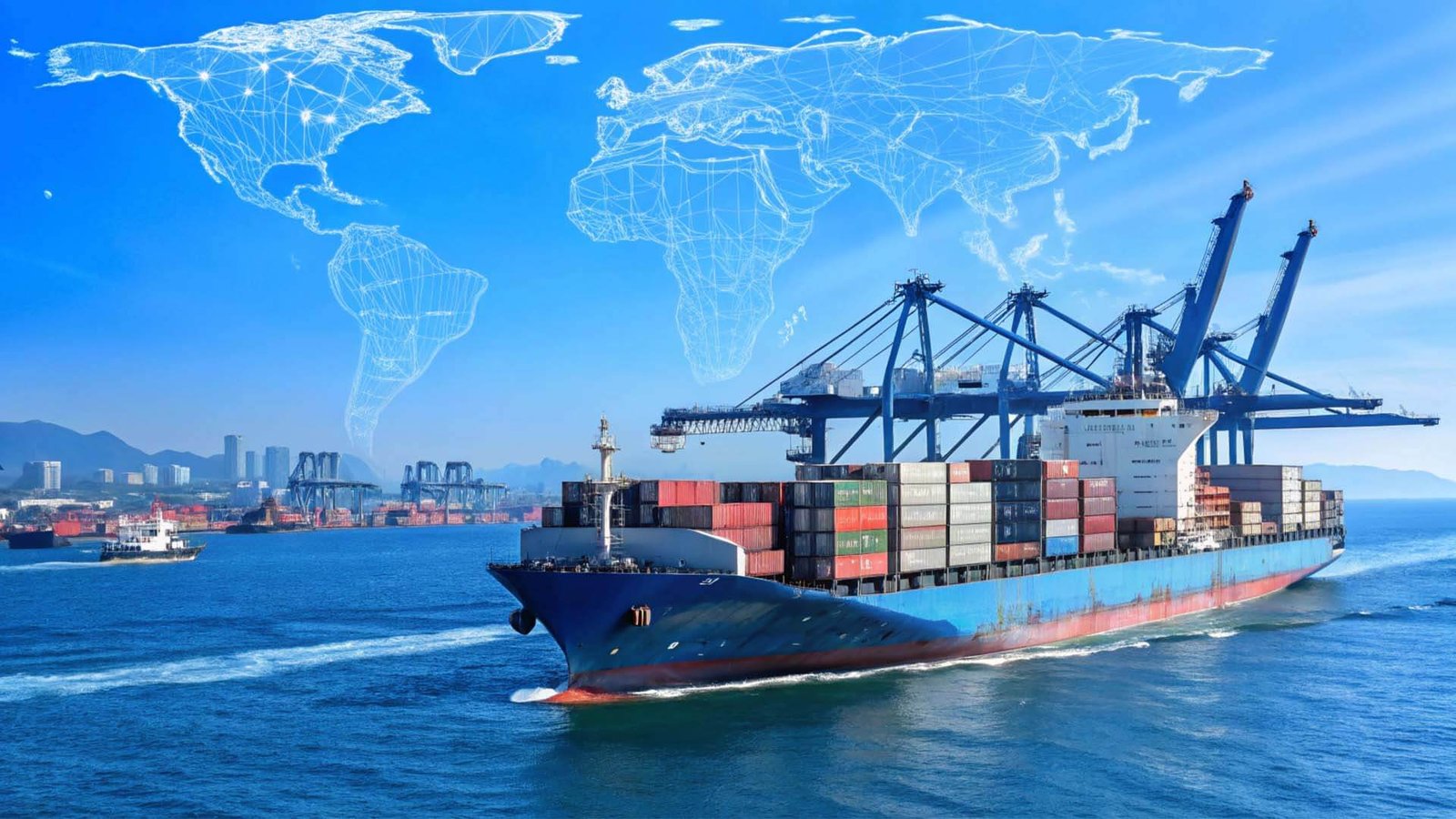
The safest way to export is to remain accountable but use an expert partner as your safety net. A licensed customs broker16 doesn't just file paperwork. We act as a critical checkpoint, reviewing your shipment data against regulations before it ever goes to the government. This simple step prevents the vast majority of holds and penalties.
Real-World Success: The Broker-Managed Model
We work with a U.S. machinery parts exporter who ships globally. Before working with us, they had frequent delays due to data errors. Now, their process is simple. They send us their commercial documents and packing list well before the shipment is ready. We validate the data, screen all parties, classify the products, and prepare the EEI draft. The exporter gives a final review, and we file. Their shipments now move on time, every time. There are no more holds or surprises. This is a repeatable process that lets them scale their exports safely.
Exporter Responsibilities Checklist
We use a checklist like this with our clients to ensure nothing is missed. It is a practical tool for both first-time and experienced exporters.
| Checklist Item | Why It Matters |
|---|---|
| Identify the Exporter of Record | Defines who has ultimate legal responsibility. |
| Classify Products Correctly | Determines which government controls apply. |
| Verify License Requirements | Prevents your shipment from being seized. |
| Prepare Accurate Export Data | Enables a smooth and timely customs filing. |
| Screen Customers and End-Users | Avoids violations of U.S. trade embargoes. |
| File Export Declarations on Time | Prevents automatic penalties for late filing. |
| Keep Export Records for 5 Years | Protects you in case of a future government audit. |
| Use a Licensed Customs Broker | Adds a layer of expert review and reduces your risk. |
Conclusion
Exporting is not just shipping—it is a legal responsibility. Most export problems are preventable with the right process. The safest model is exporter accountability17 supported by expert, broker-managed execution.
Understanding the legal risks in exporting can help you avoid fines and delays, ensuring a smooth export process. ↩
Compliance with U.S. regulations is essential to prevent shipment holds and legal penalties. ↩
Understanding the role of the EOR helps you manage legal and compliance responsibilities effectively. ↩
CBP plays a critical role in the export process, and knowing their requirements can prevent shipment delays. ↩
Providing accurate information in export declarations is crucial to avoid shipment holds and penalties. ↩
Knowing when an export license is needed prevents shipment seizures and legal issues. ↩
BIS regulations impact export controls, and understanding them is key to compliance. ↩
EAR governs the export of dual-use items, and knowing these regulations is vital for compliance. ↩
Understanding export controls helps ensure compliance and prevents shipment delays. ↩
Filing EEI correctly is crucial to avoid shipment holds and ensure compliance with export regulations. ↩
Using AES correctly ensures timely and accurate export declarations, preventing delays. ↩
Correct commodity classification is essential to determine applicable export controls and avoid penalties. ↩
Using the correct Schedule B code ensures compliance with export regulations and prevents filing errors. ↩
Screening against restricted party lists is crucial to avoid violations of trade embargoes. ↩
Broker-managed compliance reduces risk and ensures accurate and timely export filings. ↩
A licensed customs broker provides expert review, reducing risks and ensuring compliance with export regulations. ↩
Maintaining accountability ensures compliance with regulations and prevents legal issues. ↩