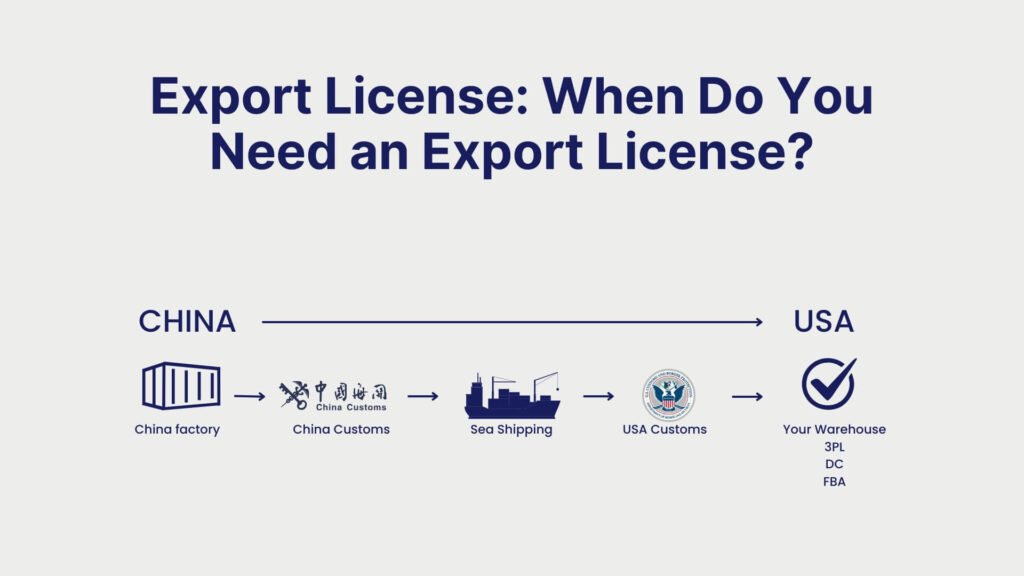
Exporting goods can be complex. Understanding when you need an export license1 is crucial to avoid costly mistakes.
An export license1 is a government authorization2 required for specific products, destinations, end user3s, or end uses. This means that not every export needs a license, but knowing when one is required is essential for compliance.
It's important to understand the implications of export licensing. A missed requirement can lead to significant delays and penalties. Therefore, let’s dive deeper into what triggers the need for an export license1.
Export licenses exist to ensure that specific goods or technologies are not misused. They offer a layer of control over what can be exported and to whom.
An export license1 is official authorization from the U.S. government permitting the export of specific goods or technology under defined conditions. Licenses are not universal—they are required only when controlled products4, restricted destinations5, prohibited end users6](3s">https://www.ctp-inc.com/articles/export-licensing-destinations-denials-end-users)3s, or sensitive end uses7 are involved. Most exports begin license-free but require confirmation.

Understanding the requirements for an export license1 is critical. While many products can be exported without a license, specific criteria will necessitate one.
To clarify, here are some common situations that require an export license1:
| Trigger | Description |
|---|---|
| Controlled Products | Items that have military or strategic applications |
| Restricted Destinations | Countries under U.S. sanctions |
| Prohibited End Users | Entities or individuals on restricted lists |
| Sensitive End Uses | Items that might pose national security concerns |
If your product falls under any of these categories, you will need to secure an export license1 before proceeding.
Most U.S. exports do not require a license, but assuming “no license needed” without review creates serious compliance risk?
Many people believe that most exports can go without a license. While that may be true, it is essential to document why no license is necessary.
While many U.S. exports ship without a license, exporters must still document why no license is required. Skipping formal review exposes companies to violations if conditions change. Regulators penalize incorrect assumptions more than cautious review, making license determination a critical compliance step—even when no license is ultimately needed.

Failure to conduct a thorough review can create compliance issues down the line. If regulations change or if there’s a misunderstanding of the product classification8, you could face significant penalties.
To reduce risk, I recommend maintaining a detailed record of your export decisions. Even if you believe no license is needed, have a system in place for review and documentation.
Whether an export license1 is required depends on product classification8, destination country9, and the parties involved?
Determining whether you need an export license1 is not straightforward. There are multiple elements to consider in this process.
Export license requirements are determined by three factors: what the product is, where it is going, and who will receive or use it. Accurate product classification8 and destination review are essential. Errors at this stage can lead to shipment holds10, rejected filings, or enforcement action after export.
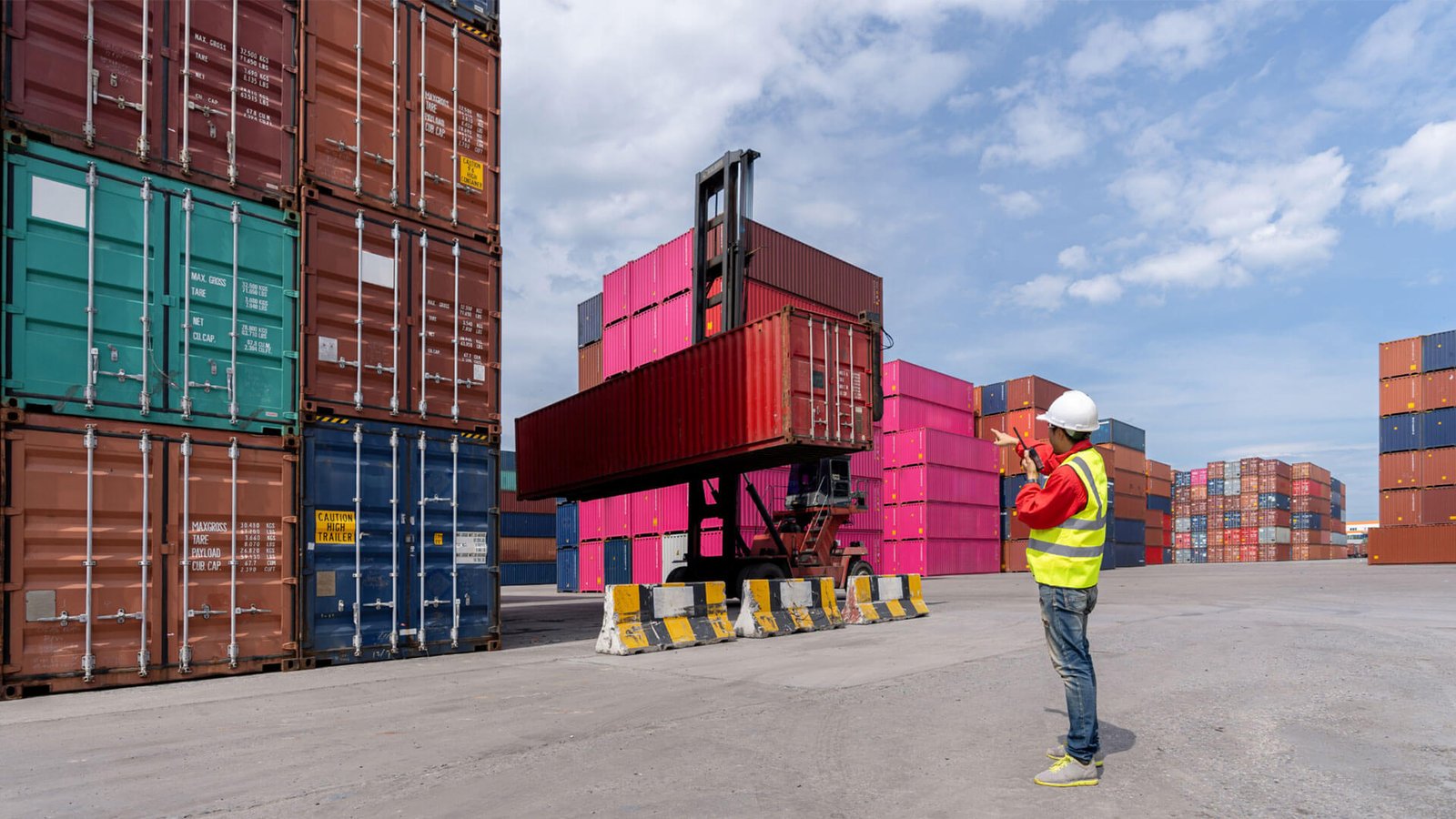
The classification of your product is particularly important. Below are key aspects to consider:
| Factor | Details |
|---|---|
| Product Classification | Identify if it's controlled under EAR or ECCN |
| Destination Country | Review if the destination country9 is under sanctions |
| End User | Screen the end user3 against restricted lists |
This structured approach will help you make informed decisions and avoid unnecessary delays.
Export licenses are commonly triggered by controlled technologies, sanctioned destinations, or restricted end user3s?
Licensing requirements are often linked to specific scenarios that involve risks.
Licensing is most often required for dual-use technology11, military or sensitive items, exports to sanctioned countries12, or shipments involving restricted end user3s. Even standard commercial goods may require a license if the end use raises national-security concerns. These triggers are closely monitored by U.S. enforcement agencies.
The following table outlines common triggers for requiring an export license1:
| Trigger | Description |
|---|---|
| Dual-Use Technology | Items that can be used for both civilian and military purposes |
| Military Items | Products specifically designed for military applications |
| Sanctioned Countries | Countries under U.S. sanctions that restrict trade |
| Restricted End Users | Individuals or organizations on government watch lists |
Being aware of these triggers can help you navigate the complexities of export licensing more effectively.
Failure to obtain a required export license1 can result in shipment holds10, fines, and long-term enforcement scrutiny?
Overlooking the need for an export license1 can have severe repercussions.
Exporting without a required license can lead to shipment seizures, monetary penalties13, and multi-year compliance audits14. Violations may also restrict future export privileges. Many enforcement actions stem from preventable classification or screening errors, making proactive license determination far less costly than corrective action.

The implications of non-compliance can be serious, including:
| Consequence | Description |
|---|---|
| Shipment Seizures | Customs may hold your goods, delaying operations |
| Monetary Penalties | Fines can accrue based on the severity of the violation |
| Compliance Audits | Companies may face extensive scrutiny in future shipments |
Being proactive in license determination can save you from these issues.
Companies that build export license determination15.icontainers.com/help/what-is-export-license-who-needs-it/)1 determination into their shipping process reduce delays and compliance exposure?
Integrating compliance checks into your shipping process can streamline operations.
Exporters that integrate licensing checks into product setup and order workflows experience fewer shipment delays and audits. Early license determination allows time for exceptions, approvals, or alternate routing. Treating export licensing as a process—not a last-minute task—improves shipment velocity and compliance confidence.
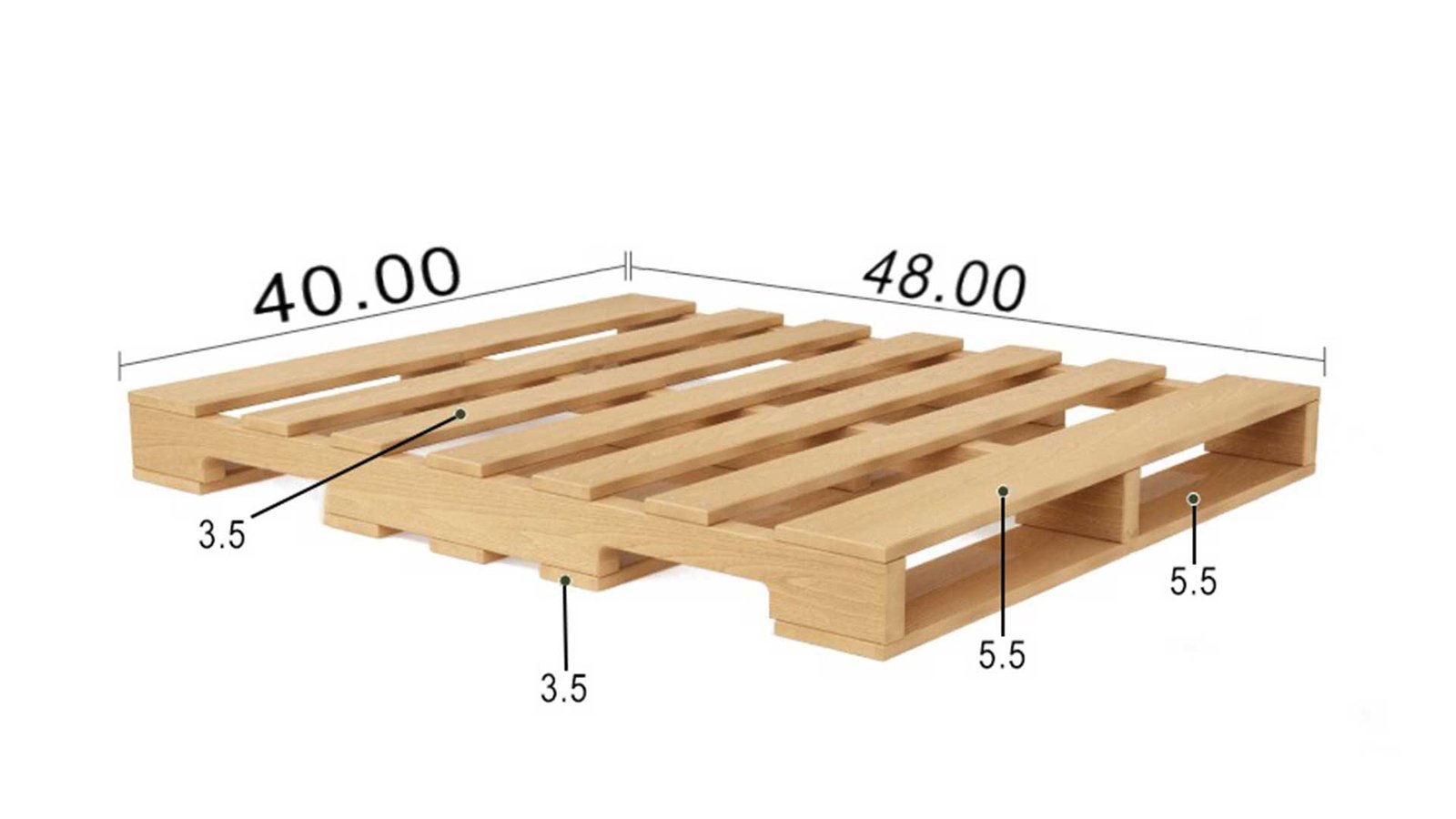
Establishing a systematic approach can enhance your efficiency. Here’s a workflow to consider:
- Product Classification: Identify ECCN or confirm EAR99 status.
- License Determination: Review destination, end user3, and end use.
- License or Exception Review: Apply for license or confirm exception/NLR.
- Export Filing & Documentation: File AES if required, document license status.
- Carrier Acceptance: Ensure shipment is accepted with correct export data.
- Shipment Release & Departure: Cargo departs legally and compliantly.
This workflow not only minimizes delays but also ensures compliance.
Conclusion
Understanding export license1 requirements is essential for successful and compliant international trade.
Understanding the concept of an export license is crucial for compliance and avoiding costly mistakes in international trade. ↩
Learn why certain exports require government authorization to ensure compliance with international trade regulations. ↩
Understand the role of the end user in determining whether an export license is needed. ↩
Discover which products are considered controlled and why they require special attention in export processes. ↩
Find out which countries are considered restricted destinations and how this affects export licensing requirements. ↩
Identify who falls under the category of prohibited end users to ensure compliance with export regulations. ↩
Understand what constitutes sensitive end uses and how they impact the need for an export license. ↩
Learn how accurate product classification is essential for determining export licensing requirements. ↩
Explore how the destination country influences the need for an export license and compliance requirements. ↩
Understand the reasons behind shipment holds and how to prevent them through proper export licensing. ↩
Discover what dual-use technology is and why it often requires an export license. ↩
Find out which countries are sanctioned and how this affects export licensing and compliance. ↩
Learn about the financial consequences of failing to comply with export licensing requirements. ↩
Explore the significance of compliance audits in maintaining adherence to export licensing regulations. ↩
Discover strategies to incorporate export license checks into shipping workflows to reduce delays and compliance risks. ↩