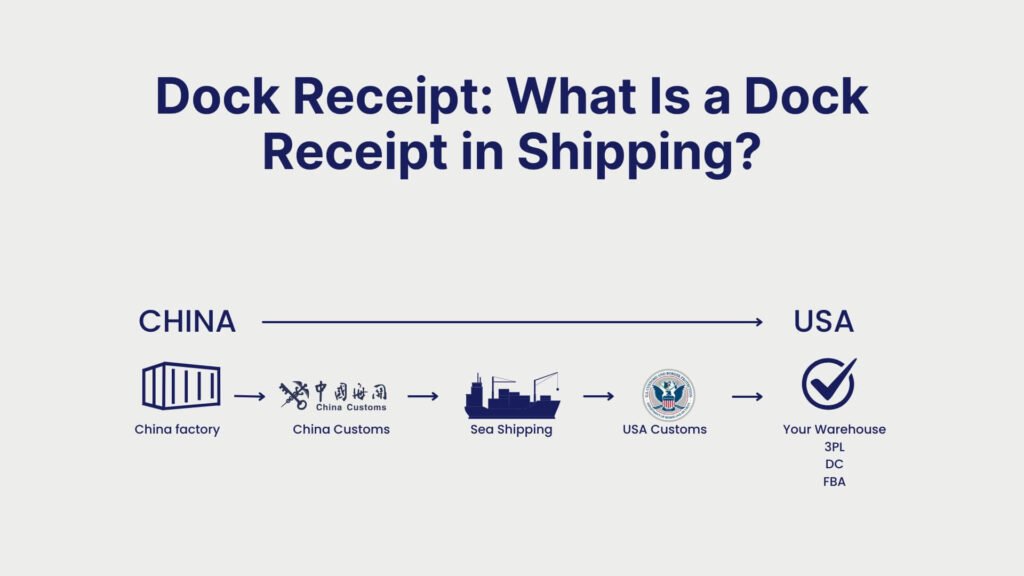
The dock receipt1 plays a crucial role in shipping. It verifies that cargo has reached its destination before loading. Understanding it can help avoid costly mistakes.
A dock receipt1 is issued when cargo is physically delivered to a carrier or terminal and accepted for shipment. It serves as proof of delivery2 to the dock prior to vessel or aircraft loading. For shippers and importers, it marks the formal transfer of custody and responsibility3.

In the world of shipping, every detail matters. If you don't grasp the significance of the dock receipt1, you may face delays and complications during the shipping process. Let's explore this vital document and understand why it’s essential.
A dock receipt1 is a shipping document that confirms cargo has been delivered to a terminal or carrier’s dock before loading?
The dock receipt1 is often overlooked, yet it is essential in the shipping process. It acts as a confirmation that cargo has reached the terminal or the carrier’s dock. This document is generated as soon as the cargo arrives.
Dock receipts are generated before a bill of lading4 and confirm that cargo has been received as described. This document establishes quantity, condition, and timing at handoff. Any discrepancies noted at this stage can affect downstream documentation, carrier liability, and shipment scheduling.

The dock receipt1 serves multiple purposes. First, it provides proof of delivery2. Second, it confirms the condition and quantity of the cargo upon arrival. This is vital information that can impact scheduling and liability. If something goes wrong, having an accurate dock receipt1 can save you from unnecessary headaches.
Dock receipts are issued early in the export process and play a key role in cargo handoff and accountability5?
When you think about shipping, you must consider the timing of documents. The dock receipt1 is one of the first documents created in the export process. It is issued right after the cargo is delivered to the dock.
Errors on the dock receipt1 can delay bill of lading4 issuance or trigger terminal holds6. These discrepancies may also create inconsistencies with customs filings. Early document accuracy is critical, as correcting errors after cargo acceptance often causes schedule and cost impacts.

Understanding the dock receipt1 process is critical. If discrepancies arise, it can lead to delays in the bill of lading4 and even impact customs clearance7. Getting it right from the beginning can avoid issues down the line.
A dock receipt1 is not a bill of lading4, but it directly affects how and when the bill of lading4 is issued?
Many people confuse a dock receipt1 with a bill of lading4, but they are not the same. The dock receipt1 is a preliminary document. It provides proof that the cargo has been delivered to the dock. The bill of lading4, however, is a legal document that outlines the terms of the transport.
A dock receipt1 confirms cargo delivery to the terminal, while a bill of lading4 is the legal contract of carriage. Information from the dock receipt1 is often used to prepare the bill of lading4. Errors on the dock receipt1 frequently carry forward, causing documentation disputes or corrections later.

The separation between these two documents is significant. An error on the dock receipt1 can create complications in the bill of lading4, leading to disputes and delays in shipping. It's crucial to understand how they interrelate to avoid issues during the shipping process.
Errors or mismatches on a dock receipt1 can cause shipment delays, documentation disputes, and customs issues?
Errors on dock receipt1s can lead to serious problems. If there are mismatches in quantities, weights, or descriptions, shipments can get held up. This not only frustrates the parties involved but also leads to increased costs.
Incorrect quantities, weights, or descriptions on a dock receipt1 can delay bill of lading4 issuance or trigger terminal holds6. These discrepancies may also create inconsistencies with customs filings. Early document accuracy is critical, as correcting errors after cargo acceptance often causes schedule and cost impacts.
To reduce risks, it’s necessary to double-check dock receipt1s. A small oversight can snowball into larger issues, impacting the entire logistics chain. Focusing on accuracy at this stage can save time and expenses later on.
Importers and exporters that manage dock receipt1s correctly reduce risk during terminal handling and cargo transfer?
Efficient management of dock receipt1s can significantly impact your shipping experience. When handled properly, these documents provide clarity and assurance throughout the supply chain.
Dock receipts act as the foundation for shipment documentation8. Companies that verify dock receipt1s against booking details and commercial invoices reduce disputes, delays, and downstream corrections. Proactive dock receipt1 management improves shipment visibility9 and protects against terminal and carrier liability issues.
By implementing best practices around dock receipt1 management, businesses can streamline their operations. This not only enhances visibility but also helps maintain accountability throughout the shipping process.
📊 Dock Receipt vs Bill of Lading vs Delivery Order
| Document | Purpose | Timing |
|---|---|---|
| Dock Receipt | Confirms cargo delivery to terminal or carrier | Issued before loading |
| Bill of Lading | Contract of carriage and title document | Issued after cargo acceptance |
| Delivery Order | Authorizes cargo release to consignee | Issued at destination |
Key Insight: The dock receipt1 is the starting point—errors here flow into every downstream document.
🔁 Cargo Delivery → Dock Receipt Issued → Bill of Lading → Shipment Movement Workflow
Cargo Delivered to Terminal or Carrier Dock Physical handoff completed
Dock Receipt Issued Cargo quantity and condition confirmed
Bill of Lading Prepared & Issued Based on dock receipt1 details
Customs & Carrier Processing Documents aligned for export
Shipment Loaded & Moved Cargo departs on vessel or aircraft
Conclusion
Understanding dock receipt1s is vital for anyone involved in shipping. They ensure accountability and can save you from costly mistakes.
Understanding the dock receipt is crucial for avoiding costly mistakes in shipping, as it verifies cargo delivery before loading. ↩
Proof of delivery ensures that cargo has reached its destination, preventing delays and complications in the shipping process. ↩
Knowing how a dock receipt marks the transfer of custody helps in understanding the formalities of shipping and avoiding legal issues. ↩
Understanding the relationship between a dock receipt and a bill of lading helps prevent documentation disputes and shipping delays. ↩
A dock receipt ensures accountability during cargo handoff, reducing risks and improving shipment visibility. ↩
Terminal holds can be triggered by discrepancies on dock receipts, affecting the entire shipping process. ↩
Errors on dock receipts can create inconsistencies with customs filings, leading to delays and increased costs. ↩
Proper shipment documentation, starting with the dock receipt, ensures smooth logistics and reduces risks. ↩
Effective dock receipt management enhances shipment visibility, ensuring clarity and assurance throughout the supply chain. ↩