In the evolving world of international trade, the importance of a customs broker's location1 might seem diminished. However, the truth is more nuanced than that.
Modern customs clearance2 is largely digital, allowing brokers to file entries from anywhere in the U.S. However, a broker’s location still influences responsiveness, escalation paths, and coordination during exceptions. For importers, location matters less for routine filings and more for how quickly issues are resolved when problems arise.
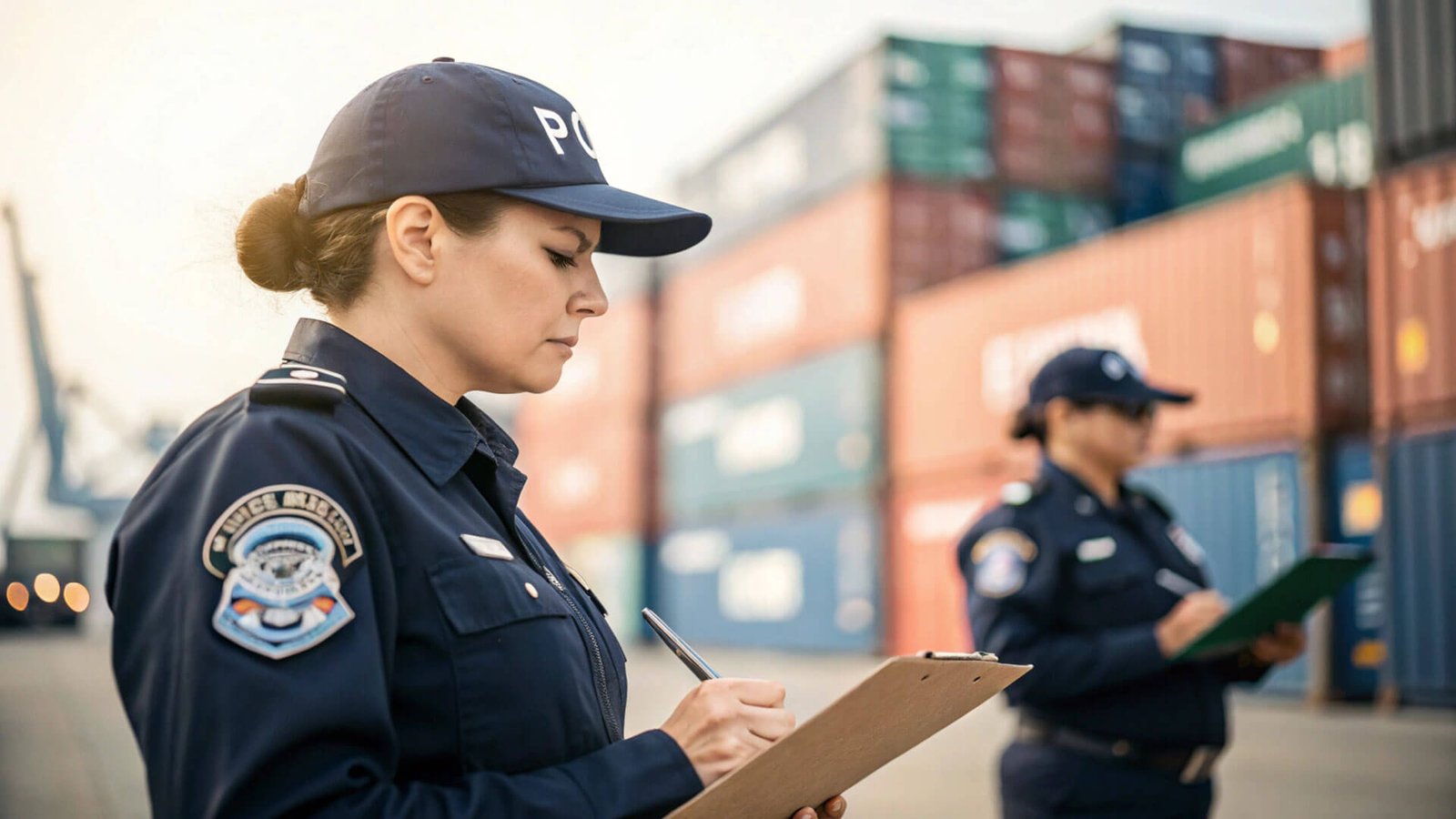
Navigating the complex world of customs can feel overwhelming. While technology streamlines many processes, the physical location of a customs broker can greatly impact the speed and effectiveness of operations. Understanding how this plays out can help you make informed decisions about your logistics and customs brokerage3 needs.
What Does a Customs Broker’s Location Really Mean in Today’s Digitized U.S. Customs Environment?
In today’s digitized environment, the ability to file customs entries electronically has made the role of a customs broker more flexible. Brokers can work remotely, and many do. However, the true influence of a broker's location often emerges during critical situations.
A broker’s physical presence near ports4, airports, or land borders can be critical during inspections, holds, or time-sensitive clearances. Local brokers often coordinate faster with terminals, exam sites, and carriers, helping importers minimize demurrage, storage charges, and delivery disruptions during non-routine situations.
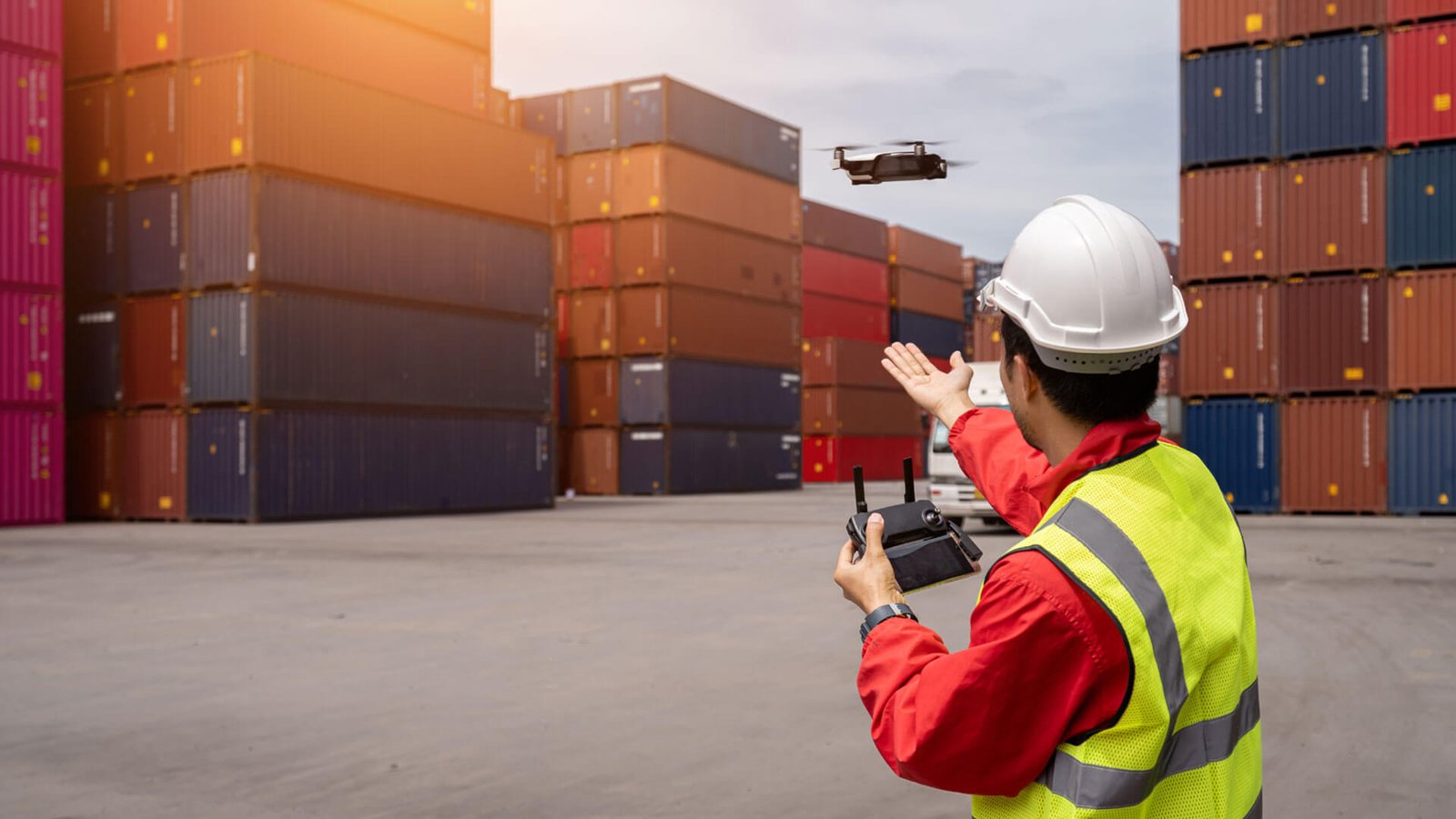
When a customs issue arises, having a broker located near the point of entry can be the difference between a quick resolution and a lengthy hold. Local brokers not only have established relationships with Customs and Border Protection (CBP) but also understand the specific regulations and practices of their ports. This knowledge can facilitate faster communication with authorities and expedite the clearance process.
When a Broker’s Physical Location Near Ports, Airports, or Borders Still Makes a Real Difference
Physical proximity to customs entry points is significant, particularly during urgent situations. Local customs brokers can react more swiftly during inspections and can directly liaise with terminal operators and carriers.
Local port knowledge5 helps brokers anticipate common exam triggers, port-specific procedures, and documentation expectations. Brokers familiar with local CBP workflows can escalate issues efficiently, reducing delays. For importers, this experience often determines whether a shipment clears smoothly or gets stuck in prolonged review.
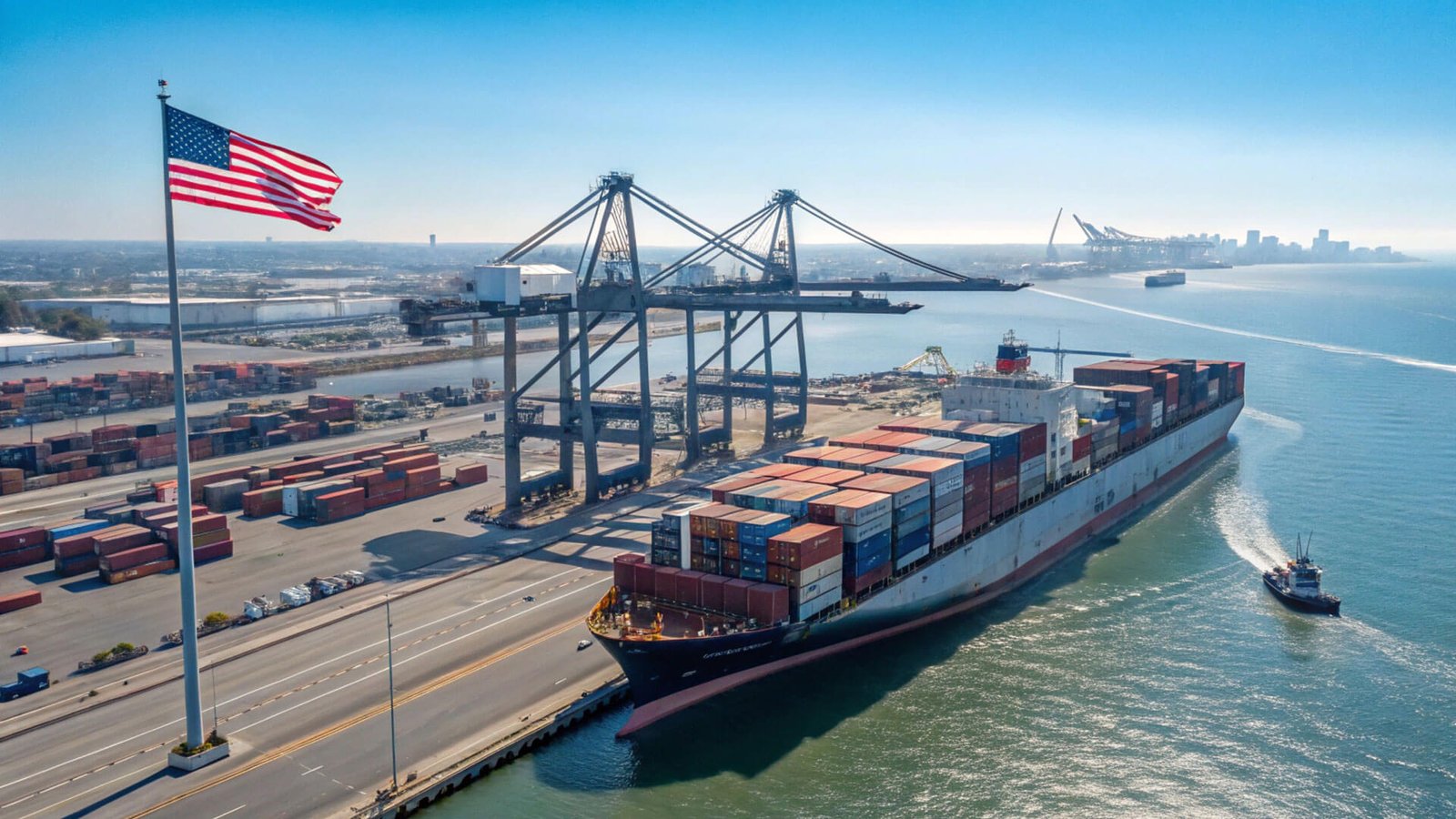
For instance, if an inspection is triggered, a local broker can often be on-site to manage the situation effectively, minimizing potential delays. They understand the unique challenges that arise at their local ports, which positions them to resolve issues promptly. This ability is crucial for importers who need to maintain their supply chain's integrity and avoid costly disruptions.
How Local Port Knowledge and CBP Relationships Impact Clearance Speed and Issue Resolution
Having a broker with extensive local port knowledge translates into faster clearance and issue resolution. Local brokers are adept at managing the nuances of port operations and have established working relationships with CBP officers.
Broker location becomes more important for regulated goods6, high-value cargo7, first-time imports8, or shipments prone to exams. These entries benefit from local oversight, faster document correction, and in-person coordination, reducing the risk of penalties, compliance violations, or extended cargo holds.
For example, a local broker can quickly address any discrepancies in documentation, ensuring compliance and reducing the risk of cargo being held. They are also familiar with the specific compliance requirements for various types of shipments, which is vital for importers dealing with high-risk cargo. This proactive approach to managing customs entries leads to smoother operations and minimizes the risk of delays.
Why Broker Location Matters More for Certain Cargo Types, Entry Complexities, and Compliance Risks
Not all shipments are created equal, and the complexity of the cargo can dictate how crucial a broker's location becomes. High-risk or regulated goods6, for example, often need careful handling to ensure compliance with various regulations.
Many importers use multiple brokers or a national broker network9 to balance coverage and expertise. This strategy can improve flexibility across ports but requires tight coordination to maintain compliance consistency10, data accuracy, and visibility across entries, filings, and post-entry activity.

In many cases, specialized brokers are necessary for certain cargo types. For instance, if you're importing pharmaceuticals, having a broker who understands the specific regulations and compliance requirements is essential. Local brokers are better positioned to navigate the complexities associated with these entries, helping to avoid fines and uphold compliance standards.
Can Importers Work With Multiple Customs Broker Locations and When That Strategy Makes Sense
Many importers can benefit from working with multiple customs brokers or a network of national brokers. This strategy provides the flexibility to navigate various ports and entry types effectively.
The right broker location supports more than customs filing by aligning clearance with drayage, warehousing, and final delivery. For importers, this integration reduces handoffs, improves visibility, and ensures customs clearance supports—not delays—the broader import and distribution strategy.
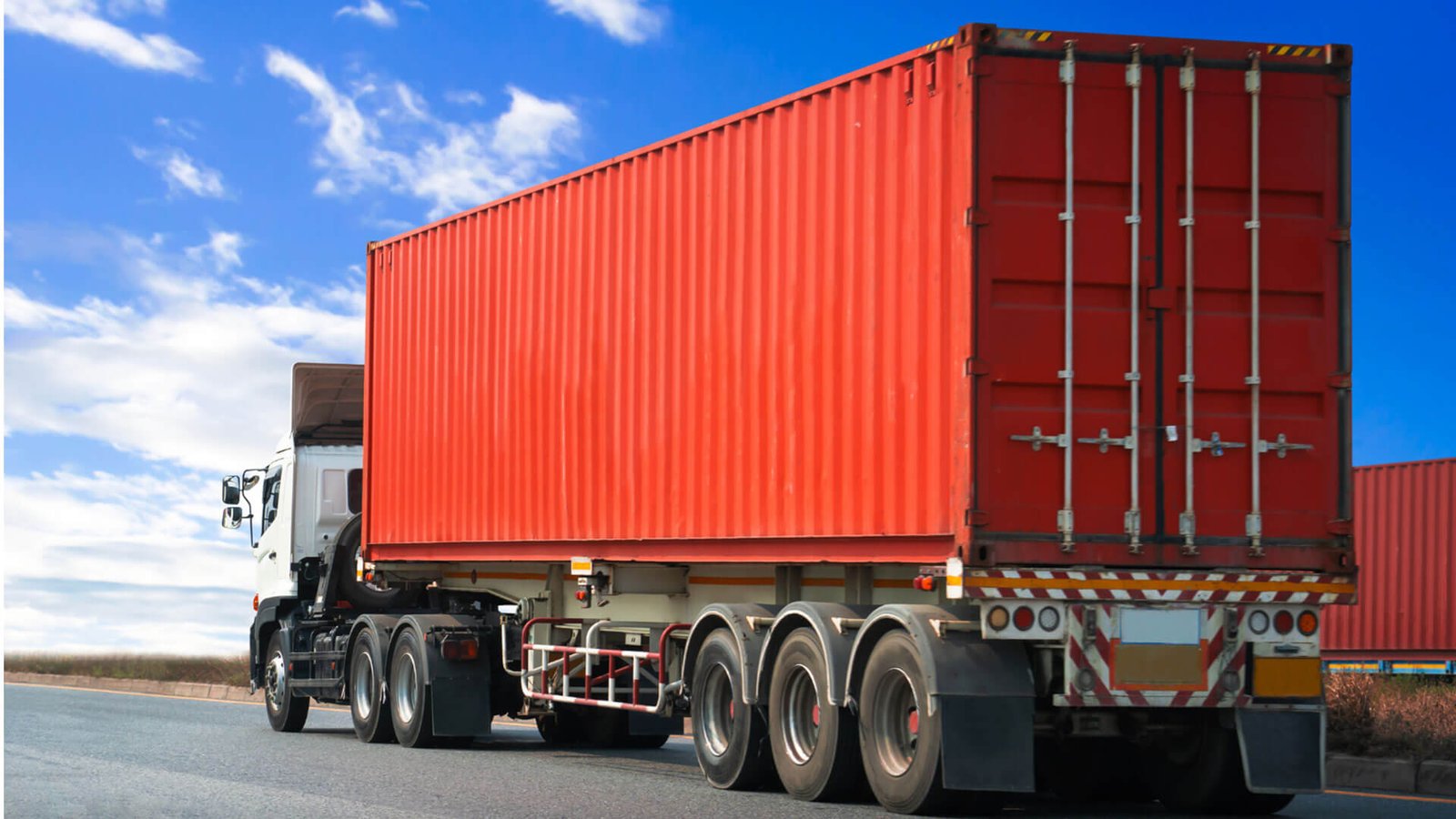
However, managing multiple brokers also introduces challenges. Importers must ensure consistency in compliance and data management across different brokers, which may require additional oversight. Coordination is key to maintaining transparency in the import process and ensuring that all parties involved are on the same page.
How the Right Customs Broker Location Supports End-to-End Import Operations Beyond Clearance
The ideal customs broker offers integrated services that extend beyond mere clearance. An effective customs broker aligns customs clearance with logistics operations, ensuring a seamless transition from port to final delivery.
The right broker location supports more than customs filing by aligning clearance with drayage, warehousing, and final delivery. For importers, this integration reduces handoffs, improves visibility, and ensures customs clearance supports—not delays—the broader import and distribution strategy.
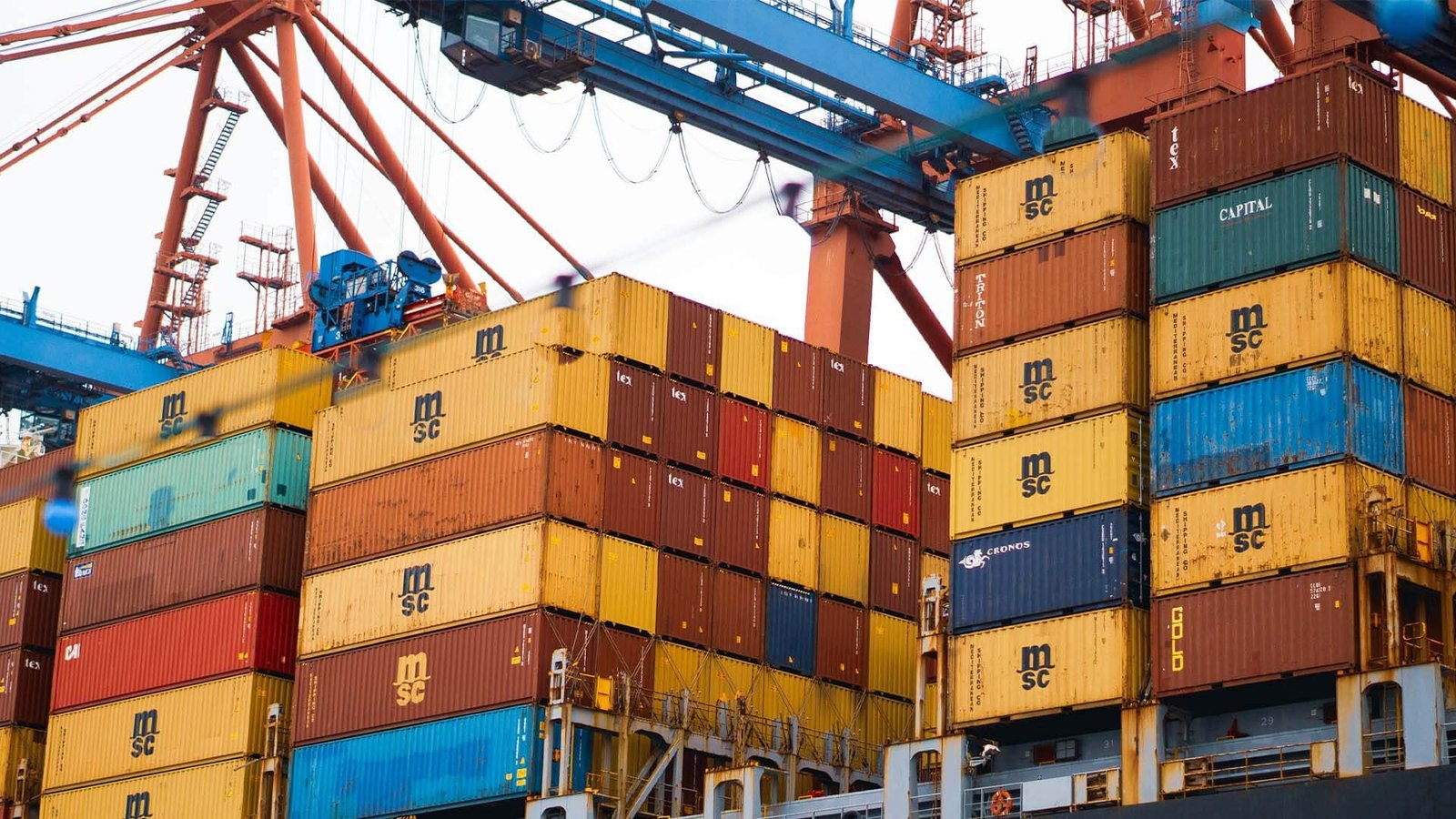
By selecting a customs broker who is not only knowledgeable about the customs process but also well-versed in logistics, importers can streamline their operations. This approach minimizes disruptions in the supply chain and enhances overall efficiency, which is critical for maintaining competitive advantage in the global marketplace.
| Broker Type | Best for | Strengths | Limitations | Ideal Use Case |
|---|---|---|---|---|
| Local Broker | High-risk, regulated, or exam-prone cargo | Port familiarity, fast escalation | Limited geographic coverage | Time-sensitive or complex entries at specific ports |
| Remote Broker | Routine, low-risk imports | Scalability, standardized processes | Slower response during exceptions | Predictable imports across multiple ports |
| Hybrid / National Broker Network | Importers with multi-port volumes | Centralized compliance with local support | Requires strong coordination | End-to-end import programs needing both consistency and local expertise |
Conclusion
Understanding the importance of a customs broker's location1 can significantly enhance your import operations and ensure smoother customs clearance processes.
Understanding the significance of a customs broker's location can help optimize your import operations and ensure efficient customs clearance. ↩
Exploring modern customs clearance can reveal how technology has transformed the process, making it more efficient and accessible. ↩
Understanding the synergy between logistics and customs brokerage can optimize import processes and improve efficiency. ↩
A broker's proximity to ports can expedite inspections and clearances, reducing delays and costs for importers. ↩
Local port knowledge enables brokers to anticipate and navigate port-specific procedures, ensuring smoother operations. ↩
Importing regulated goods requires careful handling to ensure compliance, making broker expertise vital. ↩
Handling high-value cargo demands precision and expertise to avoid compliance violations and ensure safe delivery. ↩
First-time imports can be complex, requiring knowledgeable brokers to navigate regulations and ensure compliance. ↩
A national broker network provides centralized compliance with local support, ideal for multi-port importers. ↩
Consistency in compliance ensures that all import activities adhere to regulations, reducing the risk of penalties. ↩