The logistics of shipping can often feel overwhelming for importers. Understanding various charges is key to managing costs. One such charge is the consolidation fee1.
A consolidation fee1 is charged when multiple shipments are combined into one larger shipment to reduce transport costs. Importers pay this fee to cover handling, sorting, documentation, and coordination2 at the consolidation point. It reflects labor and facility costs rather than the line-haul freight itself.

Importers often face unexpected challenges when it comes to understanding fees associated with shipping. The consolidation fee1 is one that can be confusing yet crucial in determining overall shipping costs. Let’s break down what it means and how it applies to your shipments.
What a Consolidation Fee Is in Shipping and Why Importers Are Charged It?
The concept of consolidation in shipping can be puzzling. Importers may wonder why they are charged a separate fee for this service. A consolidation fee1 is a cost that covers the combined handling of multiple shipments into one. This practice allows importers to save on shipping costs by maximizing container space.
Importers are charged a consolidation fee1 because it helps streamline multiple shipments into one. This not only reduces freight costs but also simplifies the logistics process. The fee accounts for labor, handling, and documentation at the consolidation point.

Consolidation can take shape in various forms, including LCL (Less than Container Load) shipments, LTL (Less than Truckload)3, or multi-supplier shipments4. Each method has its unique considerations and benefits. By understanding these, importers can make informed decisions that align with their shipping needs.
How Freight Consolidation Works Across LCL, LTL, and Multi-Supplier Shipments?
Freight consolidation5 can significantly affect shipping strategies. Importers can combine smaller shipments from different suppliers into one larger shipment. This is beneficial because it allows them to utilize space efficiently and ultimately lower costs.
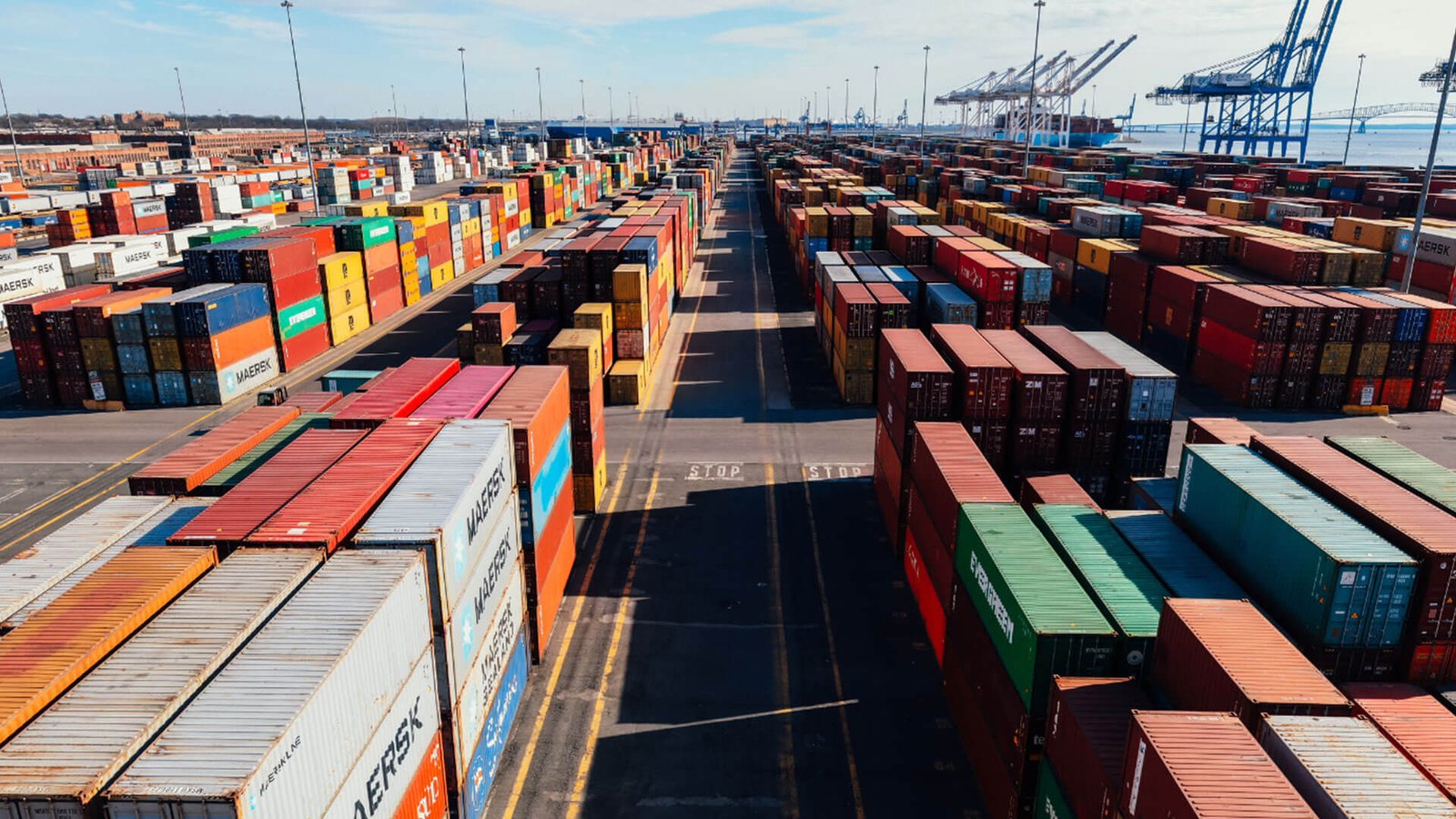
Freight consolidation5 works by grouping smaller shipments into a single load before the main transport leg. This can be applied in ocean LCL, domestic LTL, or cross-border scenarios. The aim is to lower per-unit transport costs while being mindful of how extra handling can affect transit time and fees.
Understanding freight consolidation methods is essential for any importer looking to optimize their shipping. Each method has specific considerations regarding cost and efficiency. Here is a closer look at how these methods differ:
| Method | Applicability | Cost Driver | Best For |
|---|---|---|---|
| LCL | Shared ocean container space | Volume/weight + shared charges | Ocean imports under FCL volume |
| LTL | Domestic/cross-border trucking | Freight class and distance | Inland distribution |
| Multi-Supplier | Various suppliers | Handling and coordination | Maximizing container space |
When Consolidation Fees Reduce Total Landed Cost—and When They Don’t?
The impact of consolidation fee1s on landed costs6 is variable. Importers should assess their shipments to determine if consolidation truly provides savings.
Consolidation fees can reduce landed costs6 when shipment volumes are small, and the freight rates outweigh the handling charges. However, they may increase costs if there are delays or low freight density, negating any savings. Evaluating the frequency and urgency of shipments is crucial to determine the benefits of consolidation.
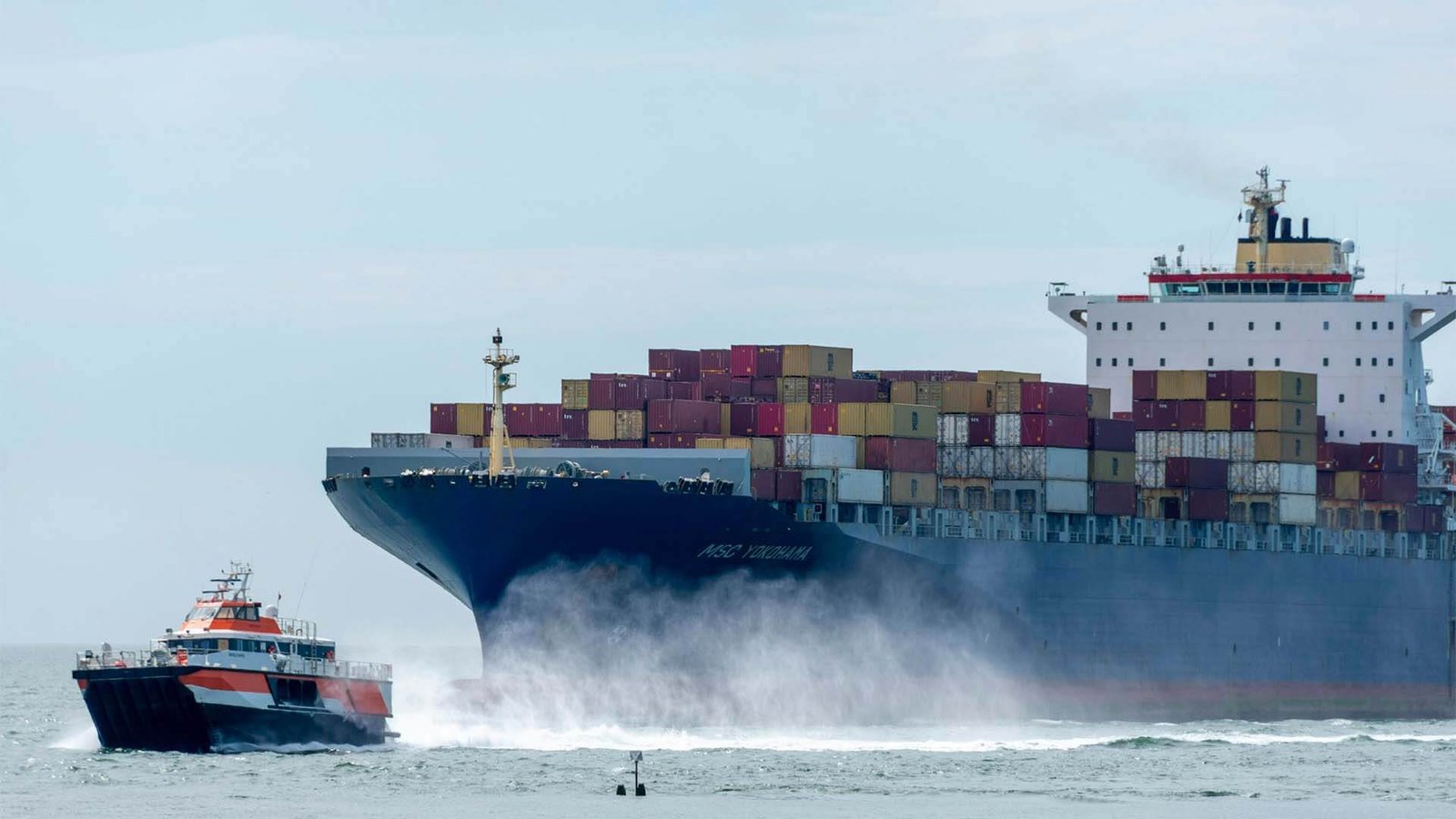
Assessing landed costs6 involves looking at various factors that influence overall shipping expenses. Importers must consider variables such as transport rates7, handling charges, and the frequency of their shipments. It’s important to analyze these elements to avoid unexpected costs.
How Consolidation Fees Differ From LCL Charges, Handling Fees, and Terminal Fees?
It’s essential for importers to understand the differences between various shipping charges. Misunderstanding these can lead to budgeting errors and unexpected costs.
A consolidation fee1 is specifically for combining shipments, while LCL charges pertain to the space shared in an ocean container. Handling and terminal fees8 relate to the operations at ports or warehouses. Each charge serves a unique purpose, and understanding these differences can help importers make better decisions in their shipping strategies.
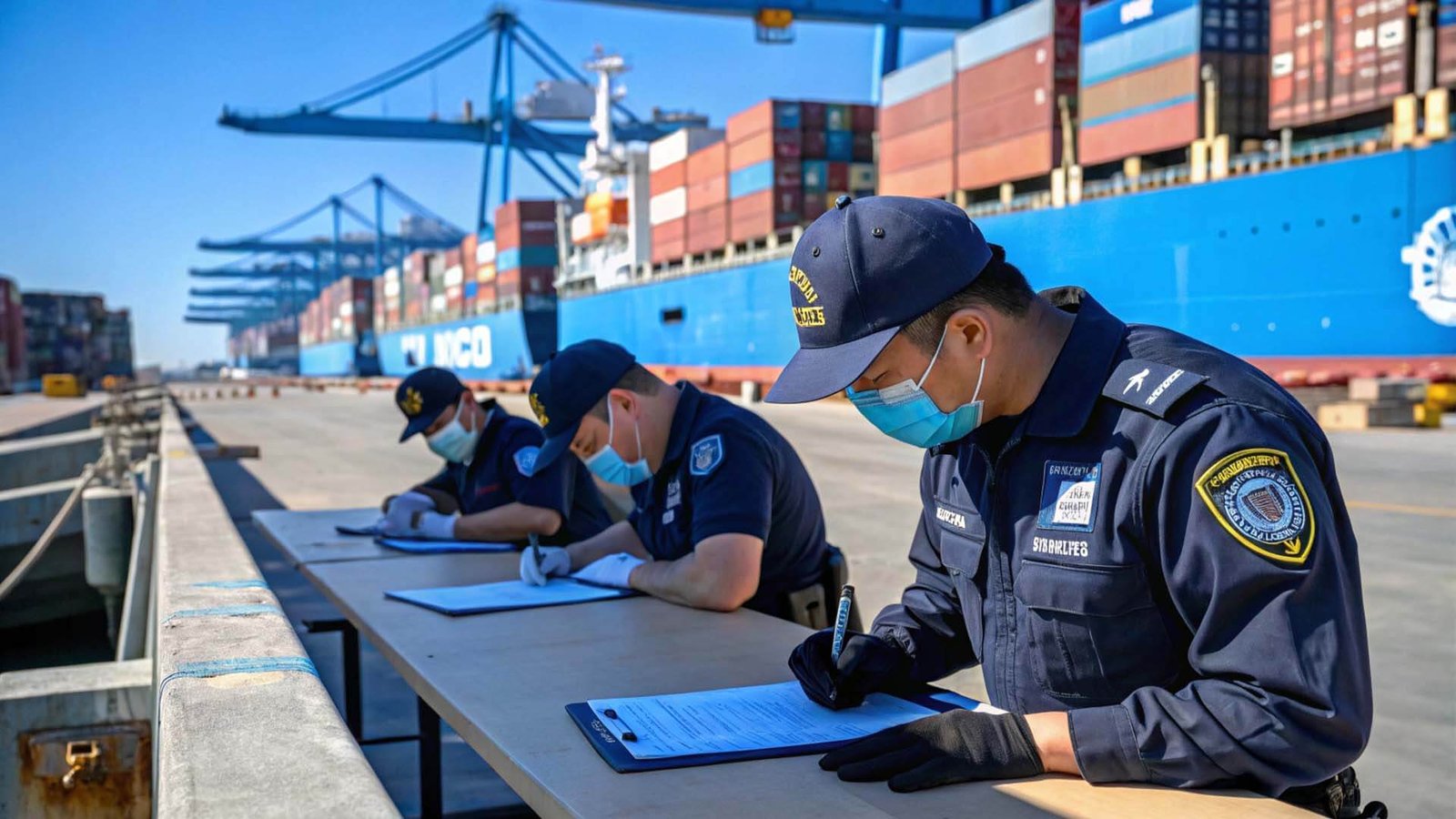
Clarifying these distinctions is crucial for effective budgeting. Importers should ensure they are aware of each fee type when analyzing their shipping costs. This understanding helps in creating a more accurate shipping budget and fosters better financial planning.
What Common Billing and Visibility Problems Importers Face With Consolidation Fees?
Billing transparency is another area where importers often face challenges. Common issues include unclear invoices and bundling of fees, making it hard to identify specific charges.
Importers frequently encounter unclear consolidation fee1s due to bundled invoices9, inconsistent naming conventions, or a lack of visibility into how fees are structured. Variable charges can lead to disputes over freight invoices. Transparency is essential for importers to understand their costs and ensure that they are receiving value for their consolidation fee1s.

Improving visibility into charges can help importers manage their costs effectively. Implementing clear communication with freight forwarders and requesting detailed invoices can mitigate confusion. Establishing these practices creates a smoother shipping experience.
How Importers Can Optimize Consolidation to Control Costs and Transit Time?
Efficiency can be gained through strategic consolidation planning10. This involves aligning supplier schedules and effectively managing shipping processes.
Importers can optimize consolidation by synchronizing supplier schedules11, setting clear cutoff times, and selecting strategic consolidation hubs12. By maintaining a clear understanding of costs and expected transit times, importers can avoid surprises. When managed properly, consolidation can serve as a powerful tool for cost control and efficiency.
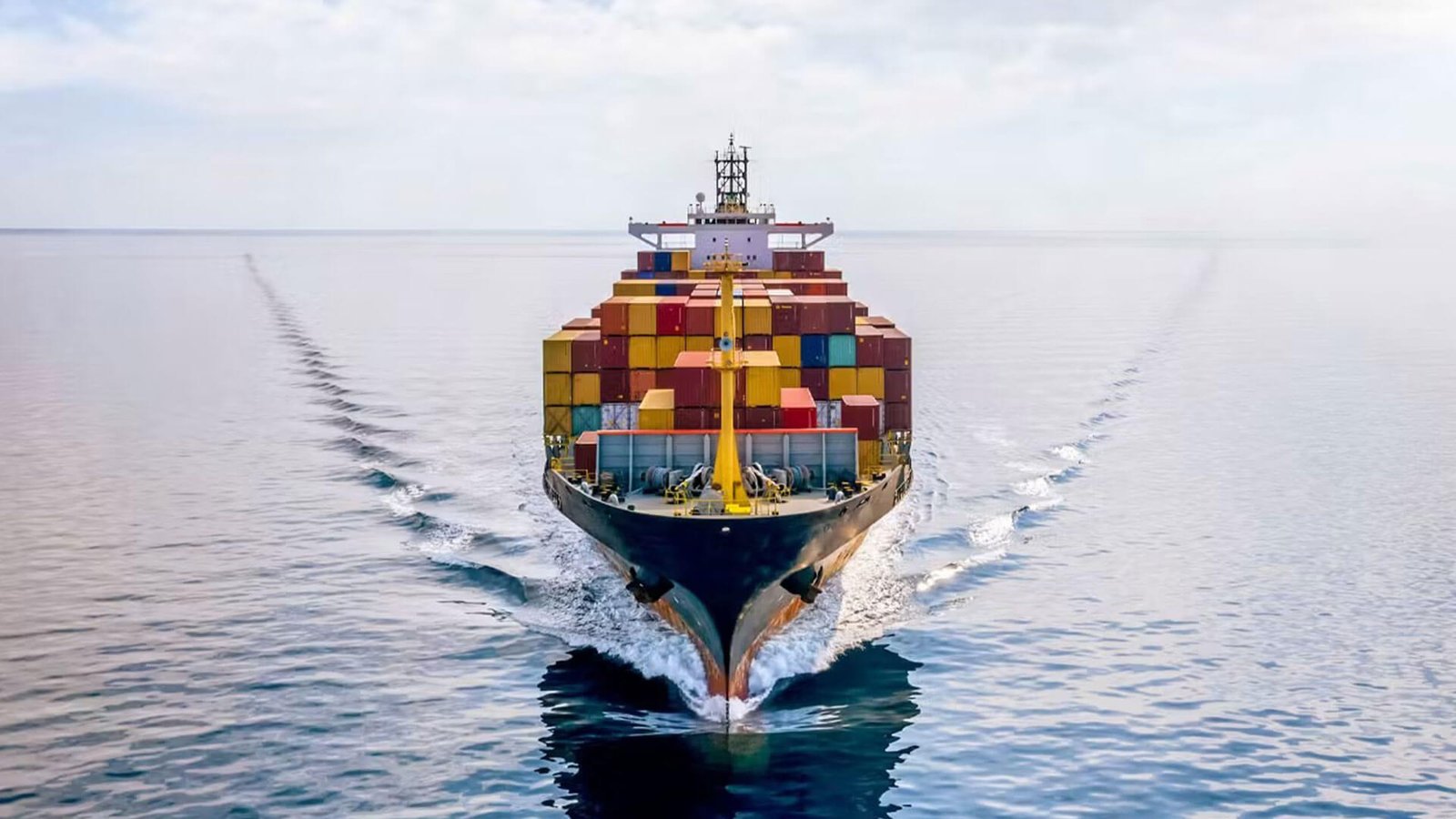
Adopting a proactive approach to consolidation planning can lead to significant benefits. To maximize efficiency, importers should regularly review their shipping processes and adjust strategies accordingly. This ensures that they remain competitive while managing costs effectively.
Conclusion
Understanding consolidation fee1s is vital for importers aiming to control shipping costs. Proper knowledge and management of these fees can lead to significant cost savings and a smoother shipping experience.
Understanding consolidation fees can help importers manage costs by knowing what they cover and how they impact overall shipping expenses. ↩
These processes are crucial for efficient shipping, and knowing their role can help importers appreciate the value of consolidation fees. ↩
LTL is a key method for domestic and cross-border shipping, and understanding it can help importers optimize their logistics strategies. ↩
Multi-supplier shipments maximize container space, offering cost savings and efficiency, crucial for informed shipping decisions. ↩
Freight consolidation can lower per-unit transport costs, making it a valuable strategy for importers to explore. ↩
Understanding the impact of consolidation fees on landed costs helps importers evaluate potential savings and make informed decisions. ↩
Transport rates are a significant part of shipping costs, and knowing what affects them can aid in better budgeting and planning. ↩
These fees are distinct from consolidation fees, and understanding them helps importers avoid budgeting errors. ↩
Bundled invoices can obscure specific charges, so understanding them is key to managing shipping costs effectively. ↩
Strategic planning can enhance efficiency and cost control, making it a vital practice for importers. ↩
Aligning schedules can optimize consolidation, reducing costs and transit times for importers. ↩
Consolidation hubs are strategic points that can streamline shipping processes, crucial for cost-effective logistics. ↩