Importing goods can be complex. Navigating customs compliance1, tariffs, logistics risks2, and supplier visibility3 can be overwhelming. U.S. importers must address these challenges to ensure smooth operations.
Importers often face compliance risks due to incorrect classification, incomplete documentation, or overlooked regulatory requirements4. These issues can lead to delays, examinations, or duty reassessments. Structured document review and classification controls help reduce enforcement exposure.

Navigating through the importation process can be daunting. From understanding compliance regulations to managing logistics, there’s a lot at stake. In this blog, I will highlight some common import challenges and provide structured solutions. Let’s dive into the specifics of each challenge and how you can overcome them.
Customs Compliance Challenges: Classification Errors, Documentation Gaps, and Regulatory Requirements?
Importers often grapple with the intricacies of customs compliance1. I have seen countless businesses struggle with these issues. Misclassifying goods or failing to provide complete documentation can result in significant delays and additional costs.
Importers often face compliance risks due to incorrect classification, incomplete documentation, or overlooked regulatory requirements4. These issues can lead to delays, examinations, or duty reassessments. Structured document review and classification controls help reduce enforcement exposure.
To tackle these compliance challenges, it’s crucial to implement a systematic approach. Here are some effective strategies:
-
Conduct Regular Training: Keeping your team updated on classification rules and regulatory changes is vital. Regular training sessions can mitigate errors.
-
Utilize Technology: Implementing software that ensures accurate classifications and documentation can streamline the process and reduce human error.
-
Engage a Customs Broker: A knowledgeable broker can guide you through complex regulations and help ensure compliance.
Critical Considerations for Customs Compliance
| Challenge | Example Issue | Operational Impact | Solution Approach |
|---|---|---|---|
| Compliance | Wrong HTS | Duty reassessment | Classification review |
| Documentation | Missing documents | Clearance delays | Pre-shipment data check |
| Regulatory | Unmet requirements | Penalties | Regular compliance audits |
Tariff and Duty Cost Uncertainty: How Changing Trade Measures Affect Landed Costs?
Understanding tariffs and duties is crucial for U.S. importers. The landscape of international trade is constantly changing, and without monitoring, unexpected costs can arise.
Trade policies, additional duty programs, and tariff changes can significantly affect landed cost. Without proactive monitoring and classification review, importers may face unexpected cost increases.
To navigate tariff uncertainties, importers should adopt proactive communication strategies. Here’s how:
-
Monitor Trade Policies: Stay updated on new tariffs or changes in trade agreements. This helps in anticipating potential cost impacts.
-
Conduct Regular Duty Analysis: Regularly reviewing and analyzing potential duties can avoid surprises at the border.
-
Collaborate with Experts: Building strong relationships with customs brokers allows for timely updates on tariffs.
Managing Tariff Risks Effectively
| Risk Area | Likely Cause | Impact | Mitigation |
|---|---|---|---|
| Financial | Tariff change | Cost increase | Duty analysis |
| Regulatory | New duty applied | Cost spike | Monitoring programs |
Logistics and Transit Risks: Delays, Port Congestion, and Cargo Damage?
Logistics is another area where U.S. importers face significant challenges. Delays due to port congestion5 or cargo damage6 can disrupt the supply chain.
Transit disruptions, congestion, and cargo handling issues can delay delivery and increase loss exposure. Planning freight routes, using proper packaging, and monitoring transit conditions reduce operational risk.
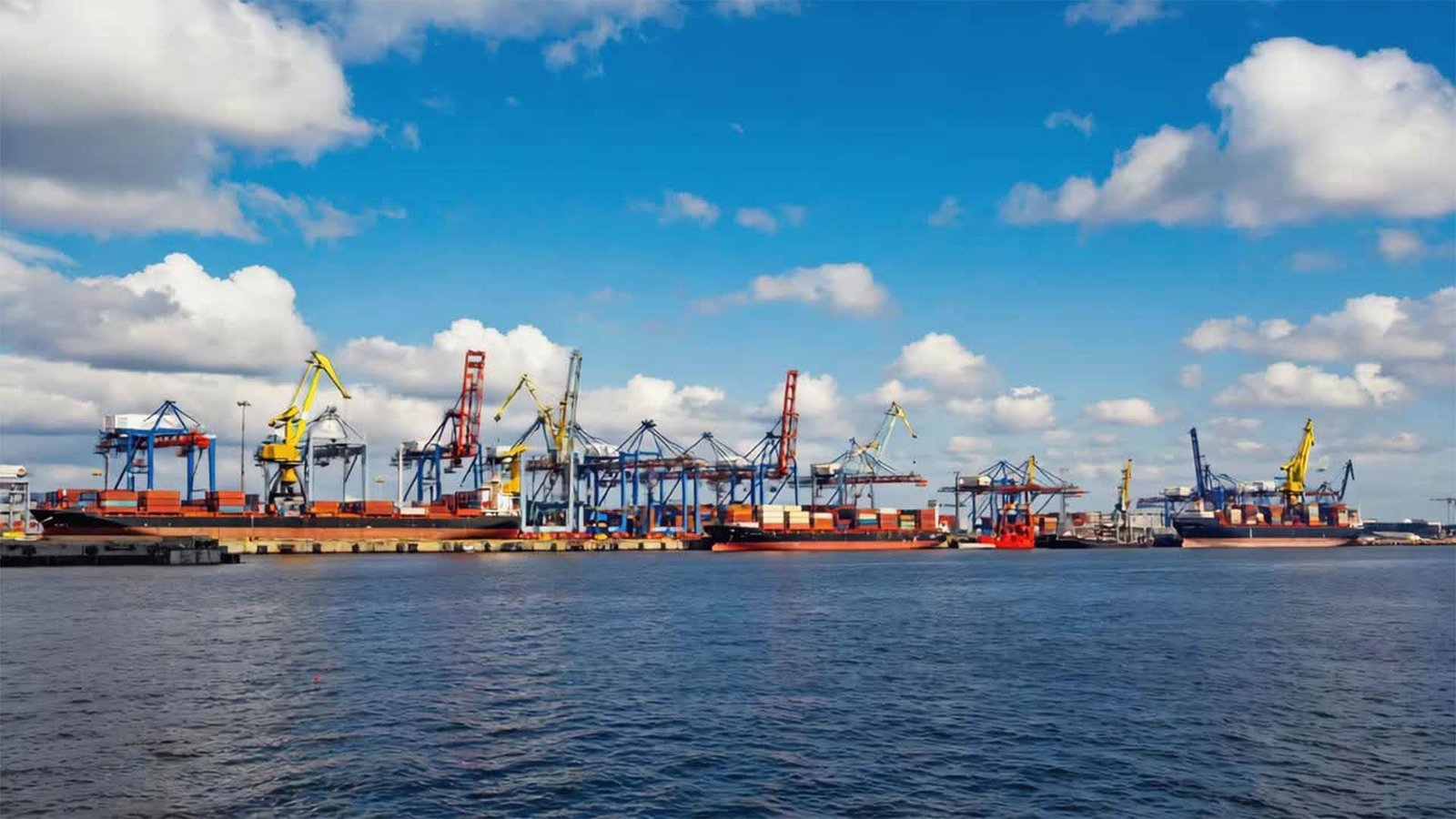
To mitigate logistics risks2, I recommend the following:
-
Plan Freight Routes Wisely: Choose routes that minimize congestion and potential delays.
-
Invest in Packaging: Proper packaging can reduce damage during transit, ensuring that goods arrive in perfect condition.
-
Monitor Transit Conditions: Keeping track of shipment conditions allows for prompt action in case of delays or issues.
Avoiding Logistics Pitfalls
| Challenge | Example Issue | Operational Impact | Solution Approach |
|---|---|---|---|
| Logistics | Port congestion | Delivery delay | Route planning |
| Cargo handling | Improper handling | Damage | Quality packaging |
Supplier and Data Visibility Issues That Disrupt Import Operations?
Lack of visibility into supplier data can cause severe disruptions. Miscommunication can lead to costly errors and delays.
Lack of clear product specifications, origin details, or shipment data can cause filing errors and clearance delays. Strong supplier communication and data validation improve compliance accuracy.
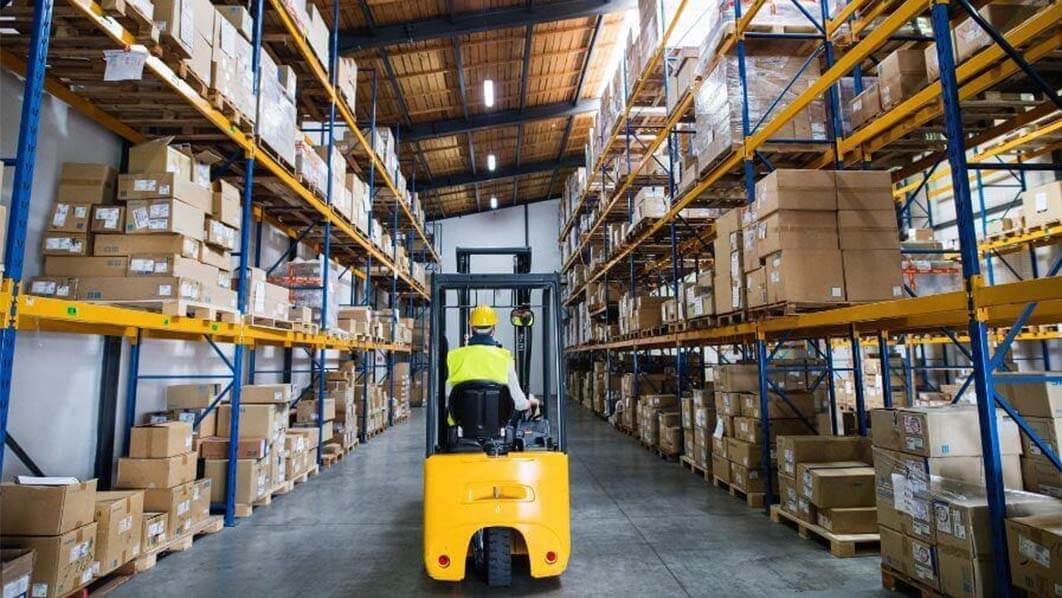
To enhance supplier visibility3, consider these strategies:
-
Strengthen Communication: Maintain open lines of communication with suppliers to ensure accurate data and specifications.
-
Implement a Data Validation Process: A thorough data validation process7 can help catch errors before they become bigger issues.
-
Use Technology Solutions: Employ software that integrates data from suppliers, enhancing visibility and accuracy in documentation.
Strengthening Supplier Relationships
| Challenge | Example Issue | Operational Impact | Solution Approach |
|---|---|---|---|
| Supplier data | Missing specs | Filing error | Pre-shipment data check |
End-to-End Import Control Workflow: Pre-Shipment Planning → Entry Filing → Clearance Monitoring → Post-Entry Compliance?
Having a streamlined import control workflow8 is crucial for success. It connects various aspects of the import process, ensuring efficiency.
A structured workflow connects planning, documentation, customs filing, and post-entry review9. Coordinated processes reduce risk and improve predictability.

To establish a successful workflow, I suggest following these steps:
-
Pre-Shipment Planning: Ensure all documentation is verified and ready before shipment.
-
Entry Filing: File entries accurately and timely to avoid delays.
-
Clearance Monitoring: Keep tabs on the clearance process to ensure compliance and address issues immediately.
-
Post-Entry Review: Conduct a review to assess compliance and identify areas for improvement.
Structured Import Control Process
| Step | Description |
|---|---|
| Supplier Planning | Engage suppliers early |
| Documentation Verification | Ensure all data is accurate |
| Freight Booking | Arrange transport efficiently |
| Entry Filing | Submit necessary documentation |
| Clearance Monitoring | Track clearance status |
| Post-Entry Review | Review compliance post-entry |
Conclusion
Identifying and addressing import challenges is essential for U.S. importers. By implementing structured solutions, you can navigate complexities and enhance efficiency.
Understanding customs compliance is crucial for importers to avoid delays and additional costs. ↩
Identifying logistics risks helps in planning routes and packaging to minimize delays and damage. ↩
Clear communication with suppliers ensures accurate data, reducing filing errors and delays. ↩
Meeting regulatory requirements is essential to avoid penalties and ensure smooth import operations. ↩
Port congestion can lead to delivery delays, making it crucial to plan routes wisely. ↩
Proper packaging and monitoring can prevent cargo damage, ensuring goods arrive safely. ↩
A data validation process catches errors early, improving compliance and reducing delays. ↩
A structured workflow ensures efficiency and reduces risks in the import process. ↩
A post-entry review assesses compliance and identifies areas for improvement, enhancing efficiency. ↩