The first paragraph grabs attention: Have you ever wondered who truly owns the cargo in shipping? Understanding the role of a Beneficial Cargo Owner (BCO) is crucial for anyone involved in international logistics.
A Beneficial Cargo Owner (BCO) is the party that owns the cargo and bears the commercial risk of the shipment1. In shipping, BCO status matters because it determines who negotiates freight contracts2, controls routing decisions3, and ultimately carries responsibility for cost, service performance, and compliance across the supply chain4.
The paragraph that begins and ends: Many importers overlook the significance of BCO status. However, recognizing what a BCO is can make a significant difference in managing logistics efficiently and effectively. This understanding can lead to better decision-making in a complex shipping environment5.
What Is a Beneficial Cargo Owner (BCO) and Why the Definition Matters in International Shipping?
The first paragraph grabs attention: Navigating the world of shipping is challenging, especially without clarity on ownership. Knowing what a Beneficial Cargo Owner is can change how you see your shipping processes.
A Beneficial Cargo Owner (BCO) is the party that owns the cargo and bears the commercial risk of the shipment1. In shipping, BCO status matters because it determines who negotiates freight contracts2, controls routing decisions3, and ultimately carries responsibility for cost, service performance, and compliance across the supply chain4.
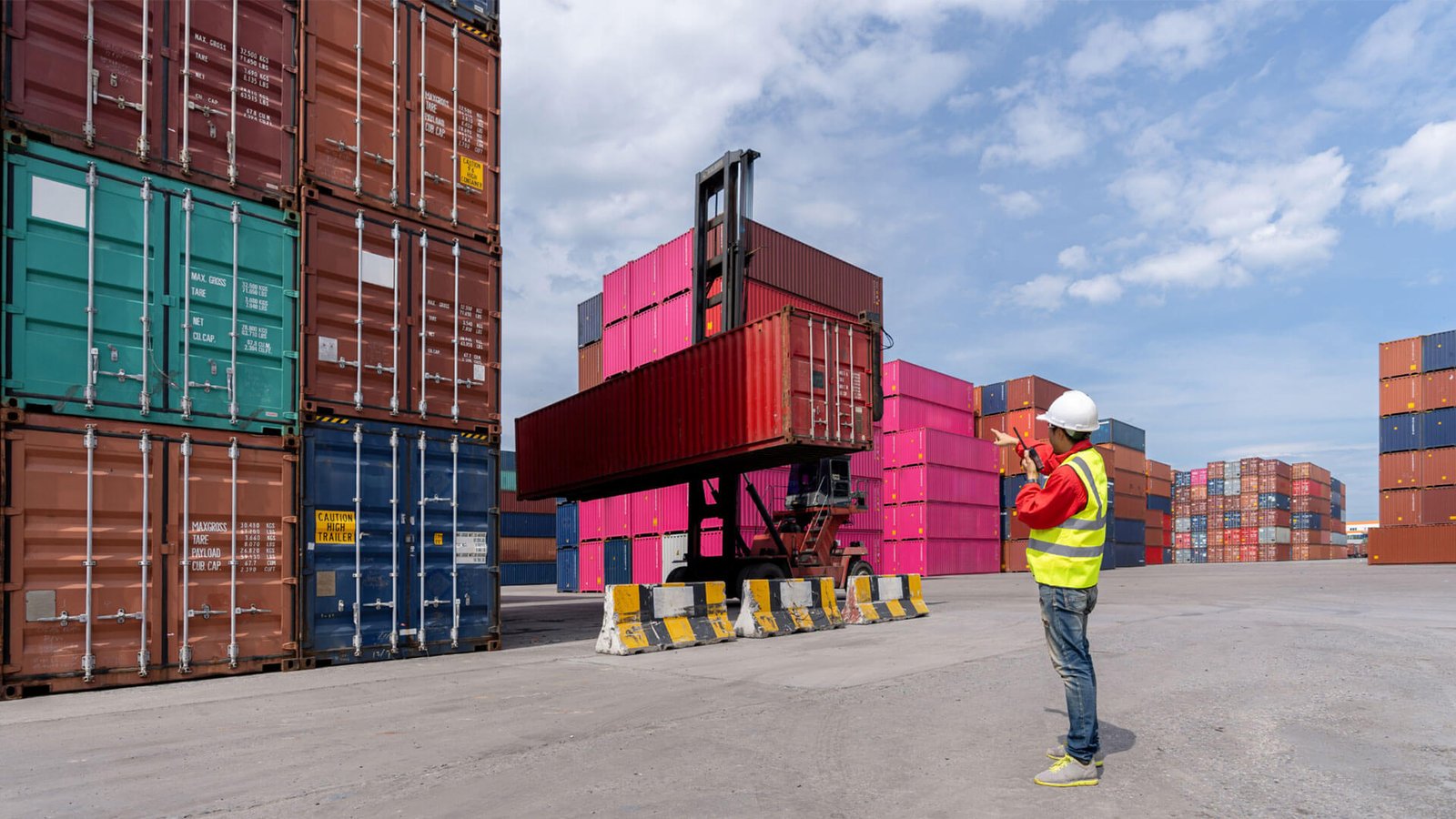
Diving deeper: Understanding the BCO definition is essential for importers. A BCO is not just a term; it represents the entity that takes ownership of the cargo6, implying substantial responsibilities. When you are a BCO, you have the authority to negotiate directly with carriers7. This can lead to better contract terms and potentially lower freight rates. BCOs also gain the ability to make routing decisions3 that influence delivery times and costs. However, with ownership comes increased responsibility for compliance with customs regulations8 and risk management9. In short, the BCO designation significantly impacts how goods are transported across borders.
| Aspect | BCO | Non-BCO |
|---|---|---|
| Ownership | Yes | No |
| Contract Negotiation | Direct with carriers | Through freight forwarders |
| Risk Management | Full responsibility | Shared with forwarders |
| Control over Logistics | High | Medium |
How BCOs Differ From Freight Forwarders, NVOCCs, and Other Non-BCO Shippers?
The first paragraph grabs attention: Understanding the distinctions between BCOs and other shipping entities is vital. Each has its own role that influences cost and execution significantly.
BCOs ship their own cargo10, while freight forwarders and NVOCCs move cargo on behalf of others. Unlike non-BCOs, BCOs contract directly with carriers and assume commercial responsibility. This distinction affects pricing power11, visibility, and liability throughout transportation, customs clearance, and delivery.
Diving deeper: BCOs stand apart from freight forwarders and NVOCCs (Non-Vessel Operating Common Carriers) in several critical ways. Freight forwarders act as intermediaries, handling the logistics for others. They manage contracts, but they do not own the cargo. This means they have less control over costs and capacity. NVOCCs operate similarly, consolidating shipments but also lacking direct ownership of the cargo. BCOs, on the other hand, are the actual cargo owners. This status allows them to negotiate contracts directly with shipping lines, giving them leverage that non-BCOs do not have. They also have higher visibility into their shipments12, which can lead to better service and risk management9. The financial implications are significant. BCOs can often secure better rates, while non-BCOs might face additional costs due to their reliance on third parties.
| Element | BCO | Freight Forwarder | NVOCC |
|---|---|---|---|
| Ownership | Yes | No | No |
| Contract Control | High | Low | Low |
| Visibility | High | Medium | Medium |
What Benefits BCO Status Provides in Ocean Freight Contracts, Rates, and Capacity Access?
The first paragraph grabs attention: Gaining BCO status is not just about ownership; it's about unlocking a world of benefits that can have substantial impacts on shipping costs and efficiency.
BCO status allows importers to negotiate direct carrier contracts, secure priority space, and access more stable rates. For high-volume shippers, this can reduce rate volatility13 and improve service reliability. However, these benefits come with greater responsibility for forecasting, volume commitments, and execution oversight.

Diving deeper: The benefits of BCO status in shipping contracts are profound. BCOs can negotiate directly with carriers7, which can lead to more favorable freight rates. These direct contracts often come with priority access to space on vessels14, ensuring that shipments are not delayed. This priority can be crucial during peak seasons when space is limited. Moreover, BCOs usually enjoy more stable rates, which helps them manage their budgets effectively. However, these advantages do not come without their challenges. BCOs are required to provide accurate forecasts and commit to specific volumes, which can be a risk if demand fluctuates. Additionally, they need to manage execution closely to ensure compliance with all regulations, making their role more complex than that of a non-BCO.
| Benefit | BCO | Non-BCO |
|---|---|---|
| Direct Contract Negotiation | Yes | No |
| Priority Space Access | Yes | No |
| Rate Stability | High | Medium |
What Responsibilities and Risks a BCO Assumes Across Shipping, Customs, and Compliance?
The first paragraph grabs attention: Being a BCO means taking on significant responsibilities and risks. Understanding these can help importers navigate challenges in compliance and logistics.
BCOs assume responsibility for freight contracts2, documentation accuracy, customs compliance, and performance management. Mistakes in forecasting, paperwork, or coordination can lead to rolled cargo, penalties, and service failures. BCO status increases control—but also concentrates operational and compliance risk on the importer.
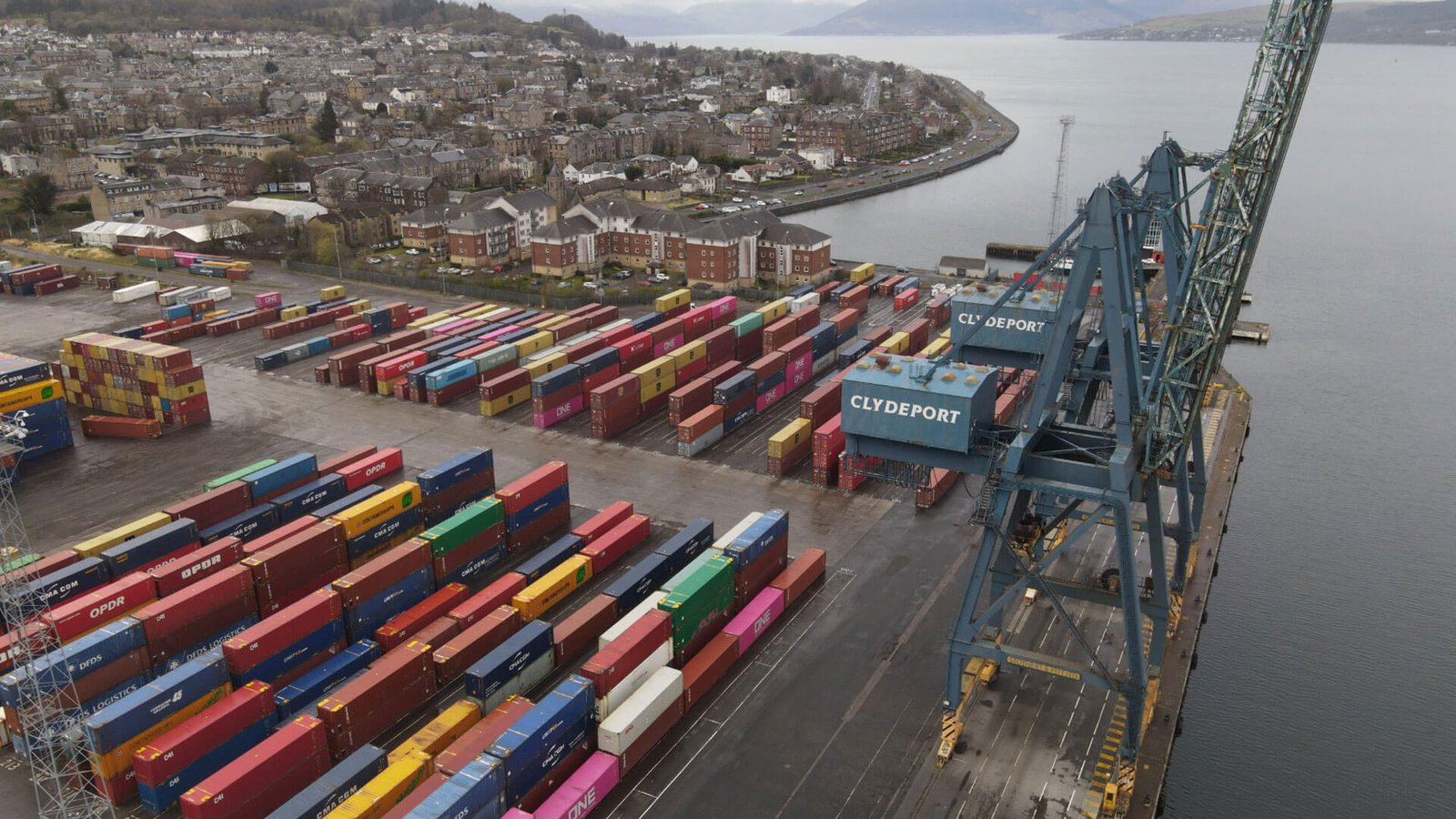
Diving deeper: The responsibilities and risks associated with BCO status are substantial. As a BCO, you are in charge of several critical areas, including freight contracts2 and customs compliance. Any missteps in documentation can result in delays, penalties, or even cargo seizure. Furthermore, the forecasting responsibility15 means that BCOs must accurately predict their shipping volumes to avoid under or overcommitting to contracts. This can be particularly challenging in volatile markets. The increased control that comes with being a BCO can be advantageous, but it also means that complexities in logistics and compliance are concentrated on the importer. Hence, having a thorough understanding of customs regulations8 and logistics processes is essential for successful management.
| Responsibility | BCO | Non-BCO |
|---|---|---|
| Freight Contract Management | Yes | No |
| Customs Compliance | Yes | Shared |
| Documentation Accuracy | High | Shared |
When It Makes Sense for Importers to Act as a BCO—and When It Does Not?
The first paragraph grabs attention: Not every importer should act as a BCO. Knowing when to take on this role can save you from unnecessary risks and complications.
Acting as a BCO makes sense for importers with predictable volume16, strong logistics capability17, and appetite for contract management. Smaller or less mature importers often benefit from using forwarders or NVOCCs to reduce risk and complexity, even if headline freight rates appear higher.
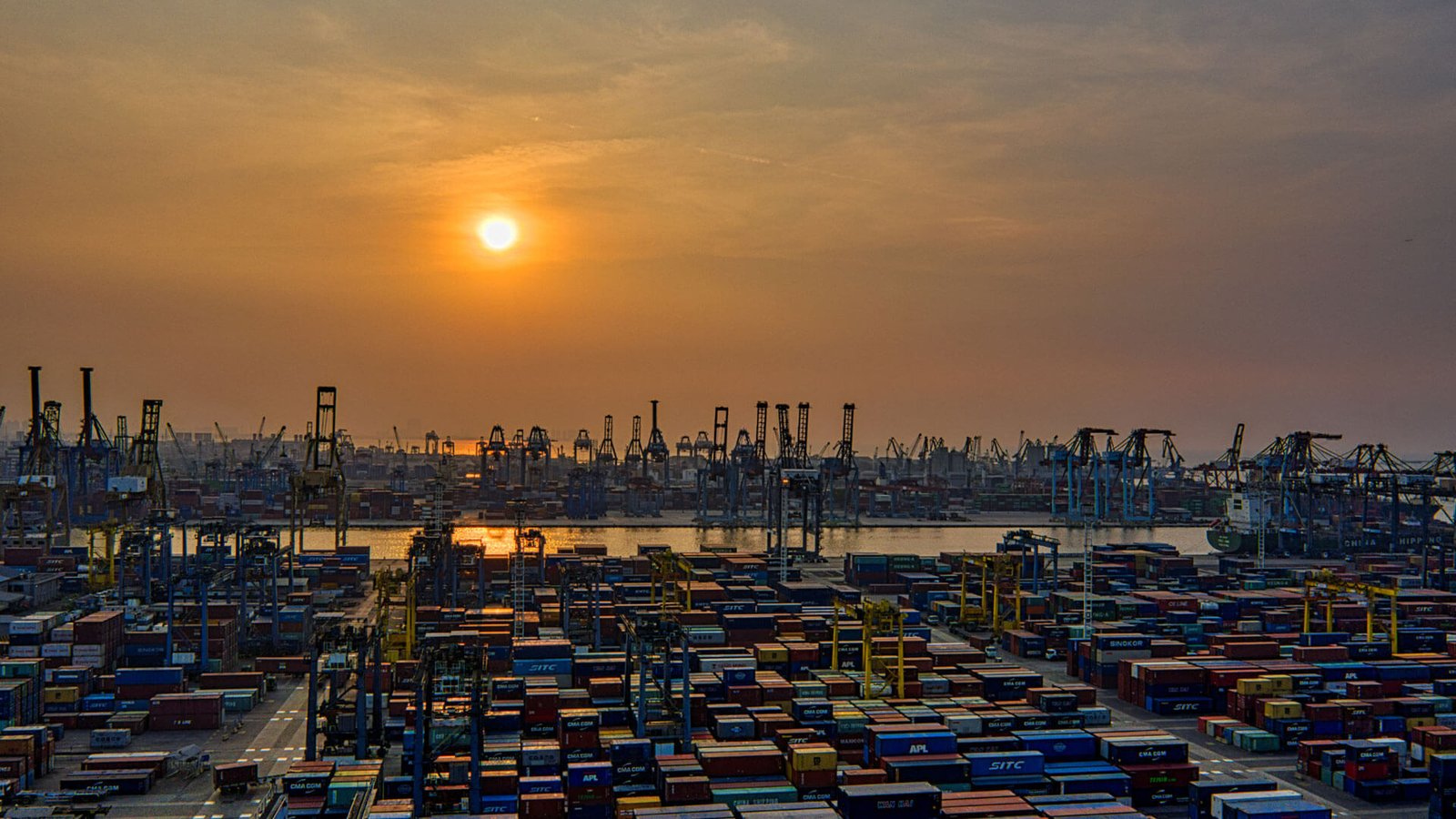
Diving deeper: Deciding whether to act as a BCO requires careful consideration of your volume and logistics capabilities. If you consistently ship large volumes and have a solid understanding of logistics, BCO status can provide significant advantages. However, smaller or less experienced importers may find that the complexities of being a BCO outweigh the benefits. Relying on freight forwarders or NVOCCs can often reduce risk and simplify operations, as these partners can handle the logistics and compliance details. While it might seem that BCOs enjoy lower rates, the complexities and potential penalties associated with contract management can negate those savings for less experienced importers.
| Factor | BCO | Non-BCO |
|---|---|---|
| Predictable Volume | Necessary | Not required |
| Logistics Capability | Strong | Limited |
| Risk Appetite | High | Low |
How BCOs Work With Carriers, Forwarders, and Brokers to Control Cost and Execution End to End?
The first paragraph grabs attention: Understanding how BCOs collaborate with other entities is essential for managing shipping efficiently. This coordination can lead to significant cost savings and improved execution.
Successful BCOs integrate carrier contracts with freight forwarders and customs brokers to manage execution. While carriers move the cargo, forwarders and brokers handle coordination, documentation, and clearance. This hybrid model18 allows BCOs to retain commercial control while outsourcing operational complexity.
Diving deeper: For BCOs, effective collaboration with carriers, forwarders, and customs brokers is key to successful shipping. By establishing strong relationships with carriers, BCOs can negotiate better rates and terms. Meanwhile, partnering with freight forwarders and brokers helps manage the operational aspects, such as documentation and customs clearance. This hybrid approach allows BCOs to maintain control over their shipping costs while delegating complex tasks to specialists. The ability to coordinate all these elements effectively can lead to smoother operations and fewer delays. Ultimately, BCOs who excel at leveraging these partnerships can achieve a more efficient end-to-end shipping process.
| Collaboration Element | BCO | Non-BCO |
|---|---|---|
| Direct Carrier Relationships | Yes | No |
| Operational Management | Shared with partners | As primary responsibility |
| Cost Control | High | Medium |
Conclusion
Understanding BCO status enhances your logistics strategy and helps you navigate the complexities of international shipping.
Exploring commercial risk helps in understanding the financial responsibilities and potential liabilities involved in shipping. ↩
Freight contracts determine the terms and conditions of shipping, affecting cost and service quality. ↩
Routing decisions influence delivery times and costs, making them a critical aspect of logistics management. ↩
Compliance ensures adherence to regulations, reducing the risk of penalties and service failures. ↩
Improved decision-making can lead to more efficient and effective logistics management, reducing costs and delays. ↩
Ownership of cargo implies substantial responsibilities, including negotiation and compliance. ↩
Direct negotiation with carriers can lead to better contract terms and lower freight rates. ↩
Understanding customs regulations is essential for compliance and avoiding penalties. ↩
Risk management is crucial for minimizing potential losses and ensuring smooth operations. ↩
BCOs have direct control over their shipments, affecting pricing power and liability. ↩
Pricing power allows entities to negotiate better rates and terms, impacting overall costs. ↩
Visibility allows BCOs to track their cargo, improving service and risk management. ↩
Understanding rate volatility helps in managing budgets and securing stable rates. ↩
Priority access ensures shipments are not delayed, especially during peak seasons. ↩
Accurate forecasting is essential for committing to contracts and avoiding penalties. ↩
Predictable volume allows BCOs to negotiate better contracts and manage logistics efficiently. ↩
Strong logistics capability enables BCOs to handle complex shipping operations effectively. ↩
The hybrid model allows BCOs to retain commercial control while outsourcing operational complexity. ↩