
The arrival notice is an often-overlooked document in the shipping process. It plays a vital role in the timely clearance of cargo1, ensuring that your goods reach you without unnecessary delays.
An arrival notice is issued by the ocean or air carrier, or their agent, to inform the importer that a shipment has arrived or is about to arrive2 at the port. It provides key shipment details3 needed to begin customs clearance and coordinate pickup and delivery.

The arrival notice serves as a crucial communication tool between carriers and importers. When you receive this notice, it marks the beginning of the customs clearance process4. Without it, you may face delays that can impact your supply chain and overall business operations5.
An arrival notice is a formal notification issued by the carrier or agent informing the importer that cargo is arriving and ready for clearance?
The arrival notice acts as a formal message that your cargo has arrived. For importers, it’s an important trigger for action. If you overlook this notification, you risk slowing down the entire import process.
The arrival notice is issued by the ocean or air carrier, or their agent, to inform the importer that a shipment has arrived or is about to arrive2 at the port. It provides key shipment details3 needed to begin customs clearance and coordinate pickup and delivery.

Understanding the arrival notice is essential for efficient shipping. It includes specific details like vessel name, arrival date, and container numbers that enable you to coordinate your logistics and payment processes effectively. Ignoring these details can lead to ruffled schedules.
The details in the arrival notice are not just for formality; they kickstart a series of essential actions in your logistics chain. You need to be proactive once you receive this notification.
Arrival notices are critical because they trigger customs clearance, payment of charges, and inland delivery planning?
When you think about import logistics, the arrival notice is where everything starts. It’s not just a piece of paper; it’s your signal to act on customs clearance, payments, and arranging delivery.
For importers, the arrival notice signals that customs entry, duty payment, and local charges6 must be addressed immediately. Without it, brokers cannot finalize clearance with U.S. Customs and Border Protection, and trucking or rail delivery cannot be scheduled, increasing delay and cost risk.
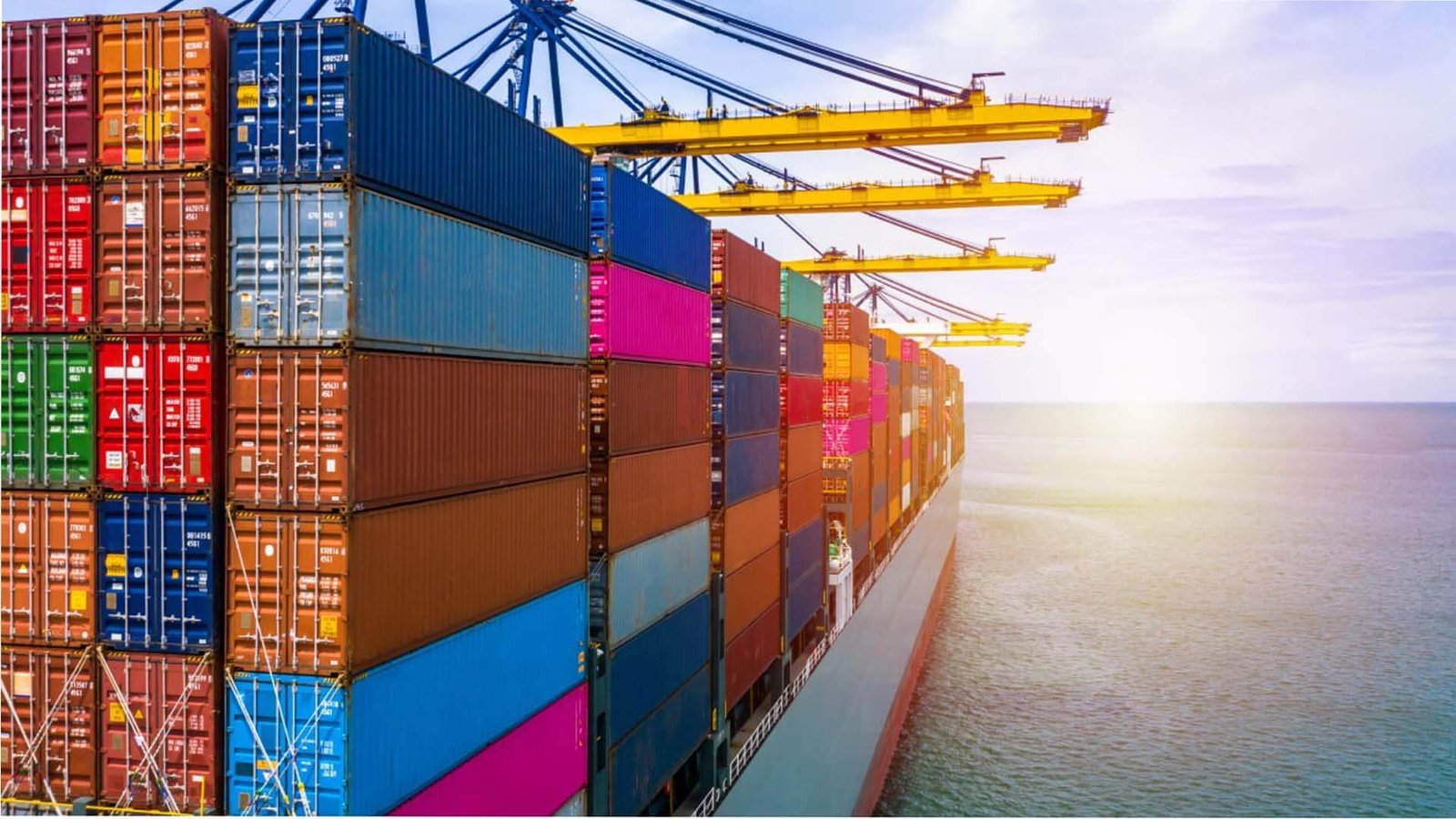
Every minute counts when it comes to customs clearance and delivery planning. The arrival notice provides the necessary timeline to avoid delays. If you don’t act quickly, you might face unnecessary costs, such as increased duties or fees.
In my experience, timely action following receipt of the arrival notice can make a significant difference. I’ve seen importers who wait too long to act face not only higher costs but also disrupted delivery schedules.
An arrival notice is not the same as a bill of lading or delivery order7, but it connects these documents in the release process?
Many people confuse different shipping documents. It’s vital to understand what each document does and how they work together.
The arrival notice is an informational document, not a title document like a bill of lading or a release authorization like a delivery order. Instead, it ties shipment details together and alerts importers when those documents must be used to secure cargo release.

The roles of these documents differ significantly. The bill of lading serves as a contract of carriage, while the delivery order authorizes the release of cargo. The arrival notice, however, is a crucial connector that indicates when to use these documents.
Confusion about these documents can lead to delays. Once, I witnessed a delay in customs clearance because the importer mismanaged their arrival notice with the bill of lading. Ensuring clarity in these documents can significantly streamline operations.
Importers rely on arrival notices to confirm shipment details, port arrival timing, and applicable carrier or terminal fees?
The arrival notice contains vital information that can affect your operational budget and timelines. As an importer, you need to scrutinize this document carefully.
Arrival notices list critical information such as vessel name, arrival date, container numbers, freight charges, and local port or terminal fees. Reviewing this information early helps importers identify discrepancies, budget costs accurately, and avoid surprises that delay clearance or delivery.

It's important to review the details laid out in the arrival notice. This includes checking the vessel name, arrival date, and any applicable fees. If the information doesn’t match your expectations, address it immediately to prevent delays.
In my experience, early identification of discrepancies in the arrival notice helps to avoid last-minute surprises. This proactive approach can save importers from financial pitfalls and enhance overall efficiency.
Delays or errors in arrival notices can lead to customs holds, demurrage, detention8n, and missed free time](https://www.shiplilly.com/blog/demurrage-detention-and-free-time-explained-in-plain-english/)%%%FOOTNOTE_REF_9%%%?
Delays in receiving or processing the arrival notice can cause a ripple effect that impacts your entire logistics chain. It's crucial to understand the implications of errors in this document.
If arrival notices are late or inaccurate, importers may miss free time at the port, triggering demurrage and detention charges. Incorrect shipment details can also delay customs clearance, compounding storage costs and disrupting downstream delivery schedules.
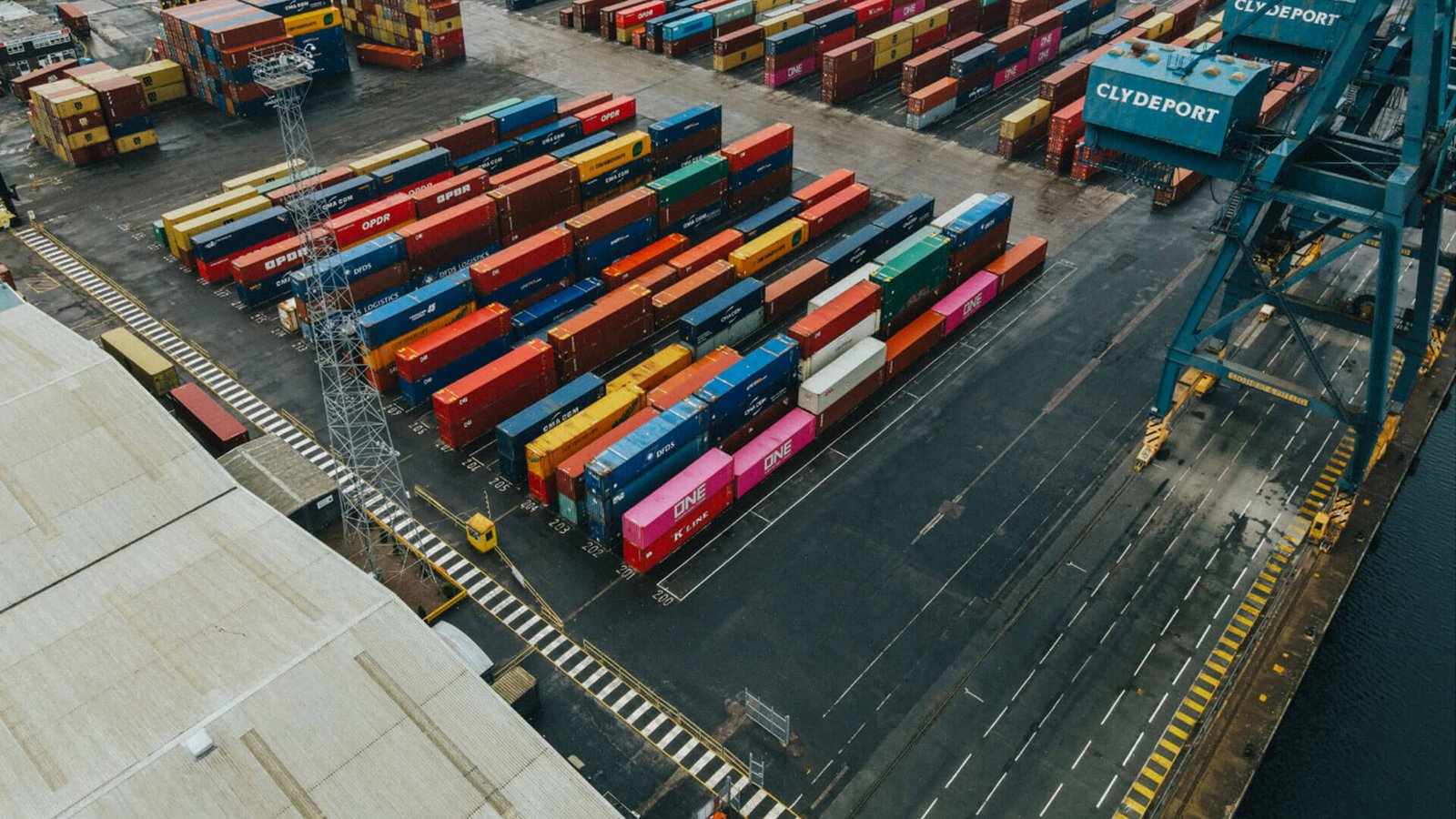
If you delay addressing issues with the arrival notice, you risk costly demurrage and detention fees. I’ve seen cases where small mistakes have resulted in significant costs, highlighting the importance of accurate and timely information.
The risks are substantial. If customs holds your cargo due to discrepancies, you could face serious delays and added costs. Avoiding these scenarios requires diligent attention to your arrival notice.
Coordinating arrival notices with customs brokers and logistics partners helps importers clear cargo faster and avoid unnecessary costs10?
To clear your cargo efficiently, coordination is key. The arrival notice is a document that should be shared with your logistics partners right away.
Effective importers share arrival notices immediately with their customs brokers and logistics providers. This coordination allows clearance filings, payment of charges, and delivery bookings to begin before free time expires, reducing the risk of delays and avoidable accessorial fees.

When you coordinate with your customs broker and logistics partners, you enable everyone to act promptly. This teamwork leads to a smoother clearance process. I remember cases where importers who communicated effectively with their partners enjoyed seamless operations and reduced costs.
In conclusion, the right flow of information, starting with the arrival notice, sets the stage for successful import operations.
Conclusion
The arrival notice is essential for smooth customs clearance and can save you time and money.
Understanding the importance of timely cargo clearance can help you avoid delays and ensure smooth logistics operations. ↩
Knowing the implications of shipment arrival notifications can help you prepare for customs and logistics processes. ↩
Familiarizing yourself with key shipment details ensures you can coordinate logistics and avoid delays. ↩
Learning about the customs clearance process can help you navigate import regulations and avoid unnecessary costs. ↩
Understanding the impact of arrival notices on supply chains can enhance your business efficiency. ↩
Knowing these charges helps you budget accurately and avoid unexpected expenses. ↩
Understanding these documents helps prevent confusion and ensures smooth cargo release. ↩
Preventing these issues can save you time and money in your shipping operations. ↩
Understanding these terms can help you avoid costly fees and manage your logistics better. ↩
Learning strategies to expedite cargo clearance can enhance your shipping efficiency and cost-effectiveness. ↩