The first paragraph, which uses PAS formula to grab the reader's attention (max 30 words). Navigating the complexities of customs can be daunting for Amazon FBA sellers. Without a reliable customs broker, your shipments risk delays, additional costs, and compliance headaches.
second paragraph at the beginning, answering the question posed by the title, this paragraph must be HELPFUL to the reader and will be used later to compete for Google's Featured Snippets. (max 50 words) An Amazon FBA customs broker1 handles U.S. Customs entry filing, compliance, duty/tax calculation, and clearance coordination so your inventory can legally enter the U.S. A freight forwarder2 moves cargo internationally, while a 3PL3 stores and distributes goods. A broker focuses on CBP compliance, entry accuracy, and release speed.

The paragraph that begins and ends with a paragraph that will keep the customer from reading further. Choosing the right partner for customs clearance4 is crucial for your Amazon FBA business. Understanding the roles involved can help streamline your process and minimize your risk.
What an Amazon FBA customs broker1 actually does (and how this role differs from a freight forwarder2 and 3PL3)?
The first paragraph, which uses the PAS strategy to grab the reader's attention (max 30 words). Understanding the roles of logistics partners can save you time and money. Lacking clarity here may lead to costly customs delays and compliance issues that could hurt your business.
second paragraph, which answers the question posed by the headline, is the paragraph that will be used later to compete for Google's Featured Snippets. (max 50 words) An Amazon FBA customs broker1 focuses on ensuring your cargo complies with U.S. Customs regulations, whereas freight forwarder2s manage the transportation logistics, and 3PL3s handle storage and distribution. Each plays a vital role in the supply chain, but with different areas of expertise.

Based on the secondary headings, continue to extend and go deeper, can use critical thinking, to break down the question, to help the reader understand more deeply, need to use the tertiary headings, and Markdown formatting tables to express the ideas in a more structured way. (around 150 words) A customs broker, freight forwarder2, and 3PL3 each fulfill distinct responsibilities that are essential in the import process. Here's a clearer comparison:
| Role | Core Responsibility | Controls Clearance? | Controls Delivery? | Common Importer Mistake |
|---|---|---|---|---|
| Customs Broker | Files customs entries and ensures compliance | Yes | No | Incorrect document submissions |
| Freight Forwarder | Coordinates transportation | No | Yes | Failing to schedule timely pickup |
| 3PL3 | Stores and distributes products | No | Yes | Not adhering to inventory rules |
| Amazon | Receives and processes inventory | No | No | Mislabeling shipments |
Understanding these roles can help you make better decisions about your customs clearance4 process.
How to set up the Importer of Record (IOR)5 correctly for Amazon FBA shipments to avoid customs holds6 and Amazon receiving issues.
The first paragraph, which uses the PAS strategy to grab the reader's attention (max 30 words). Setting up the Importer of Record (IOR)5 correctly is critical. Missteps here can lead to customs holds6 and delays that can derail your shipments into Amazon's fulfillment centers.
second paragraph, which answers the question posed by the headline, is the paragraph that will be used later to compete for Google's Featured Snippets. (max 50 words) The Importer of Record (IOR)5 is legally responsible for entry accuracy and compliance. For Amazon FBA shipments, the IOR must correspond with all documentation, or your shipments might face delays or rejections at customs. Ensuring the correct setup is crucial for smooth operations.
Must include: Common IOR setups (US company, Non-Resident Importer, DDP via forwarder)
Why Amazon is NOT typically the IOR
“Who is the consignee?” vs “Who is the IOR?”
How incorrect party names break entry filing
Mini Checklist: IOR Setup Before You Ship
- EIN/IRS info ready
- Customs bond active
- Correct ship-to / deliver-to matching Amazon FC
- Broker power of attorney (POA)
- Product compliance (FDA, CPSIA, etc.)
Setting the correct IOR is essential for compliance and to avoid delays. Common setups include having a U.S. company act as the IOR or utilizing a Non-Resident Importer (NRI) when applicable. It’s also critical to distinguish between the consignee and the IOR, as inaccuracies can lead to significant customs issues.
The exact documents your broker needs for FBA clearance (Commercial Invoice, Packing List, ISF7, Entry Summary, and compliance requirements).
The first paragraph, which uses the PAS strategy to grab the reader's attention (max 30 words). Lacking the correct documents can trigger significant delays in your Amazon FBA shipments. Ensuring your broker has everything needed is crucial for smooth clearance.
second paragraph, which answers the question posed by the headline, is the paragraph that will be used later to compete for Google's Featured Snippets. (max 50 words) To clear Amazon FBA imports, your broker typically needs a compliant commercial invoice8, packing list9, bill of lading/air waybill, ISF7 data (ocean), and product compliance documents when regulated (FDA/FTC/CPSC). Missing HTS details, wrong seller/buyer info, unclear value terms, and incorrect carton counts are common hold triggers.
| Create a “Broker Document Packet” table: | Document | Who provides it | Must include | Common errors | Clearance risk level |
|---|---|---|---|---|---|
| Commercial Invoice | Importer | Seller/buyer details, product details | Incorrect values, missing info | High | |
| Packing List | Supplier | Itemized list, carton counts | Incorrect counts | Medium | |
| ISF7 | Broker | 10+2 data points | Late submission, inaccurate data | High | |
| Entry Summary (7501) | Broker | Proper classification and valuation | Missing HTS codes, wrong values | High | |
| Product Compliance | Importer | FDA clearance, product testing | Missing documentation | Medium |
ISF7 details are crucial. The ISF7 must be filed 24 hours before cargo departure. Late filings can lead to penalties and customs holds6. Compliance documents also play a significant role. Examples include FDA Prior Notice for food products and CPSC compliance for consumer goods.
How duties, HS codes10, Section 301 tariffs11, and customs bond12s impact your true landed cost for Amazon inventory planning13.
The first paragraph, which uses the PAS strategy to grab the reader's attention (max 30 words). Understanding duties and tariffs is vital for accurate landed cost calculations. Misestimation can significantly affect your profit margins and inventory planning13 for Amazon.
second paragraph, which answers the question posed by the headline, is the paragraph that will be used later to compete for Google's Featured Snippets. (max 50 words) Amazon FBA landed cost is driven by correct HS classification, duty rate, Section 301 tariffs11 (if applicable), and CBP fees like MPF/HMF. A customs bond12 is required for formal entries and allows CBP release under your importer profile. Incorrect HS codes10 or under-declared values often cause audits, holds, and retroactive bills.
Include 2 MUST-HAVE tables:
| Table A: Landed Cost Components (Importer-Focused) | Line Item | Cost |
|---|---|---|
| Product value | $x | |
| Freight | $x | |
| Insurance | $x | |
| Duty | $x | |
| Section 301 | $x | |
| MPF | $x | |
| HMF | $x | |
| Broker fee | $x | |
| Drayage | $x | |
| Delivery | $x | |
| Other | $x |
| Table B: Customs Bond Types | Bond Type | When Needed | Typical Use Cases for FBA | Pros/Cons | Common Mistakes |
|---|---|---|---|---|---|
| Single Entry Bond | For one-time entry | Low volume shipments | Less expensive, straightforward | Over-reliance on single use | |
| Continuous Bond | For repeated use | High volume importers | Cost-effective for frequent shippers | Failing to maintain bond |
Also, add: Entry Type 01 vs 11 (consumption vs informal)
Why classification accuracy matters for audits and duty bills.
How to avoid the most common FBA customs clearance4 problems (FDA holds, incorrect value, missing ISF7, wrong consignee, labeling issues).
The first paragraph, which uses the PAS strategy to grab the reader's attention (max 30 words). Avoiding common customs clearance4 problems is essential for seamless FBA operations. Issues like FDA holds and incorrect invoices can significantly delay your shipments.
second paragraph, which answers the question posed by the headline, is the paragraph that will be used later to compete for Google's Featured Snippets. (max 50 words) Most Amazon FBA customs delays come from avoidable compliance errors14: late/missing ISF7, wrong IOR/consignee, unclear invoice values and Incoterms, incorrect HS codes10, and missing regulatory documents15 (FDA/CPSC). A strong broker prevents holds by validating documents, confirming compliance flags early, and aligning entry filing with Amazon receiving rules.
| Provide: “Hold Reason → What it means → Fast fix → Prevention” matrix | Hold Reason | What it Means | Fast Fix | Prevention |
|---|---|---|---|---|
| CBP Documentation Hold | Missing or incorrect paperwork | Submit missing documents promptly | Double-check all documentation | |
| Customs Exam (VACIS / Intensive) | Shipment selected for inspection | Prepare for hold and provide access | Ensure accurate declarations | |
| FDA Hold | Compliance issues with products | Provide required FDA documentation | Validate products for compliance | |
| PGA Missing Data | Regulatory data not submitted | Submit missing data quickly | Confirm product compliance early | |
| Value Discrepancy | Invoice values do not match | Correct and resubmit invoice | Ensure accurate value reporting |
How customs clearance4 connects to final-mile delivery16 into Amazon FCs (appointments, strict receiving rules, and avoiding chargebacks17).
The first paragraph, which uses the PAS strategy to grab the reader's attention (max 30 words). Understanding customs clearance4's connection to final-mile delivery16 can enhance your efficiency. Misalignment here can lead to chargebacks17 and additional costs that hurt your bottom line.
second paragraph, which answers the question posed by the headline, is the paragraph that will be used later to compete for Google's Featured Snippets. (max 50 words) Customs clearance only releases cargo into the U.S.; successful Amazon FC delivery depends on appointment scheduling18, correct labeling, carton/pallet compliance, and matching paperwork (BOL/PRO) to Amazon requirements. Many importers lose time and money after release due to failed appointments or rejected loads, which create storage, detention, and re-delivery costs.
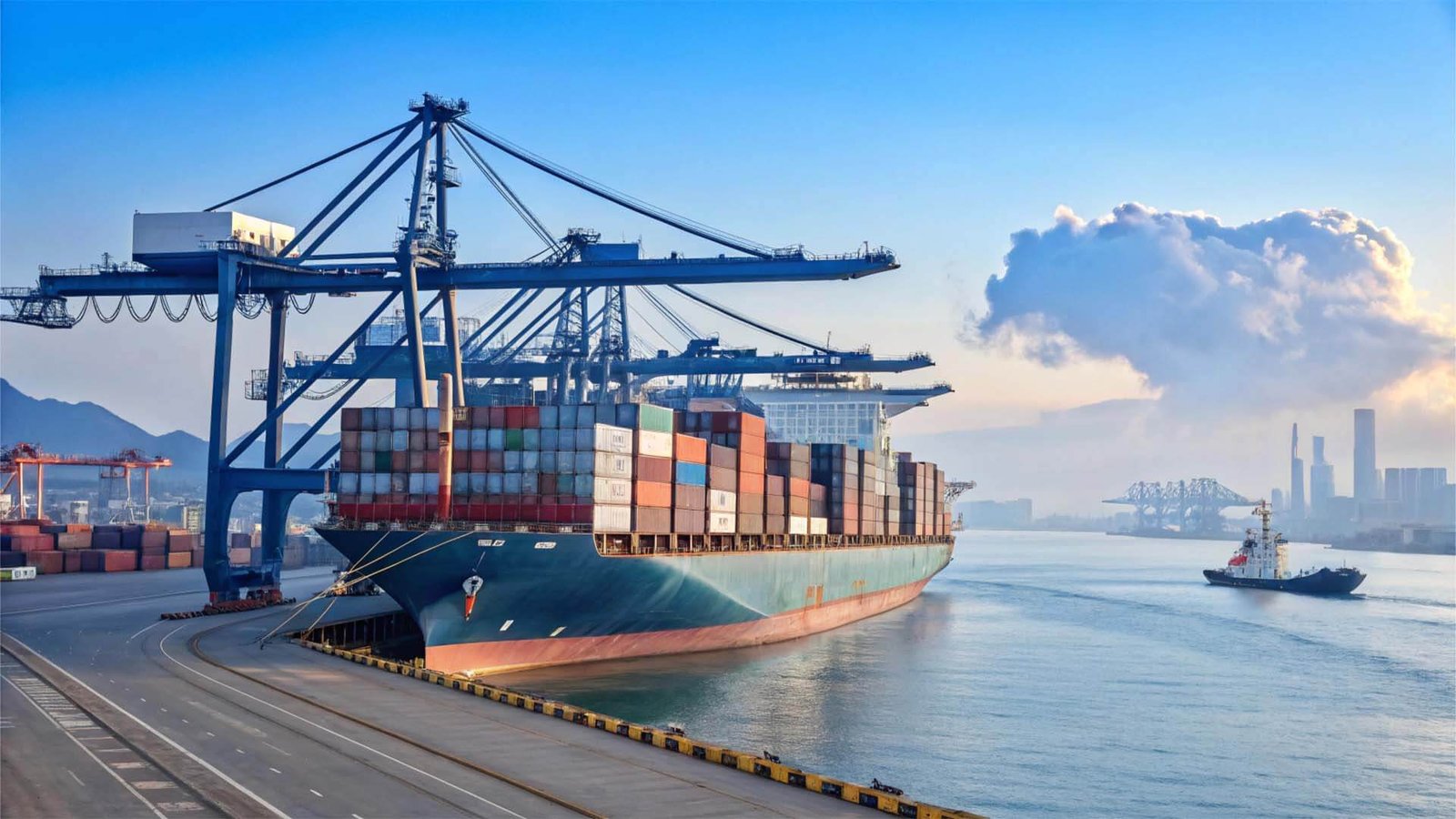
Include an “After Release” flow:
- Port/Airport Release
- Pickup/Drayage
- Transload (if needed)
- Appointment scheduling
- FC delivery
- Proof of delivery
- Inventory check-in
| Add a table: | Failure Reason | Who Caused It | Cost Impact | How Broker/Forwarder Prevents It |
|---|---|---|---|---|
| Incorrect Labeling | Importer | Delay in receiving | Ensure compliance with Amazon's guidelines | |
| Missing Appointment | Delivery Service | Re-delivery and storage fees | Proactive scheduling for timely delivery | |
| Inaccurate Documentation | Broker/Importer | Customs holds | Double-check all documents |
Conclusion
In summary, a specialized Amazon FBA customs broker1 can significantly reduce your risk of customs issues, improve predictability in your supply chain, and enhance compliance screening for smoother operations.
Explore this link to understand the essential role of a customs broker in facilitating smooth Amazon FBA operations. ↩
Understand how freight forwarders differ from customs brokers and their role in logistics. ↩
Explore the functions of a 3PL and how they support inventory management and distribution. ↩
Learn about the customs clearance process to ensure your shipments arrive without delays. ↩
Discover the importance of the IOR in customs compliance and how to set it up correctly. ↩
Learn about common reasons for customs holds and how to prevent them effectively. ↩
Understand the ISF requirements and how timely submissions can prevent customs holds. ↩
Learn about the commercial invoice's role in customs clearance and common errors to avoid. ↩
Discover the significance of a packing list in ensuring accurate customs documentation. ↩
Understand the importance of HS codes in customs classification and duty calculations. ↩
Explore how Section 301 tariffs can affect your landed costs and pricing strategies. ↩
Learn about customs bonds and their significance in the import process for Amazon sellers. ↩
Learn effective inventory planning strategies to optimize your Amazon FBA business. ↩
Explore common compliance errors and how to avoid them for smoother customs clearance. ↩
Learn about the necessary regulatory documents to ensure compliance during customs clearance. ↩
Understand the importance of final-mile delivery and its connection to customs clearance. ↩
Discover strategies to prevent chargebacks that can impact your Amazon FBA operations. ↩
Understand the importance of appointment scheduling to ensure timely deliveries to Amazon. ↩