The importance of customs bonds1 can’t be overstated. They not only protect the importer but also ensure compliance with U.S. regulations. Understanding customs bonds1 is crucial for a smooth importing process.
A customs bond is a financial guarantee filed with U.S. Customs and Border Protection (CBP)2 to ensure an importer fulfills legal obligations—including paying duties, taxes, and fees and complying with import regulations. CBP requires a bond for most formal entries so the government is protected if payment or compliance issues occur. For importers, a correct bond prevents release delays.
Customs bonds are essential in the importing process. They act as a safety net for the U.S. government, ensuring that importers meet their financial responsibilities. Knowing how to navigate customs bonds1 can save importers from costly delays and compliance issues.
What a U.S. customs bond is and why CBP requires it?
A customs bond serves as a guarantee that the importer will comply with U.S. laws. It ensures that duties, taxes, and any other obligations are met. Without this bond, the CBP cannot release goods into the U.S. market.
A customs bond is a guarantee, not a fee itself. It’s a form of security provided by a surety company3, backing the importer. CBP uses this bond as part of its risk control measures. The bond is tied specifically to the Importer of Record (IOR)4. This means the importer is responsible for its compliance obligations.
Now that you understand the basics, let's dive into the different types of customs bonds1.
Single-entry bond vs continuous bond5: which importers need which?
Importers often find themselves confused between single-entry and continuous bond5s. Each type serves a different purpose based on shipment frequency and needs.
Importers typically choose between a single-entry bond6 (covering one shipment/entry) and a continuous bond5 (covering all entries for a 12-month period). Single-entry bonds are practical for low-frequency importers, while continuous bond5s are usually more cost-efficient for repeat importers and reduce clearance risk by ensuring bond coverage is always active.
Mandatory Decision Tree: Continuous vs Single-Entry Bond
Shipments per year:
- 1-5 entries → Single-entry bond
- 6 or more entries → Continuous bond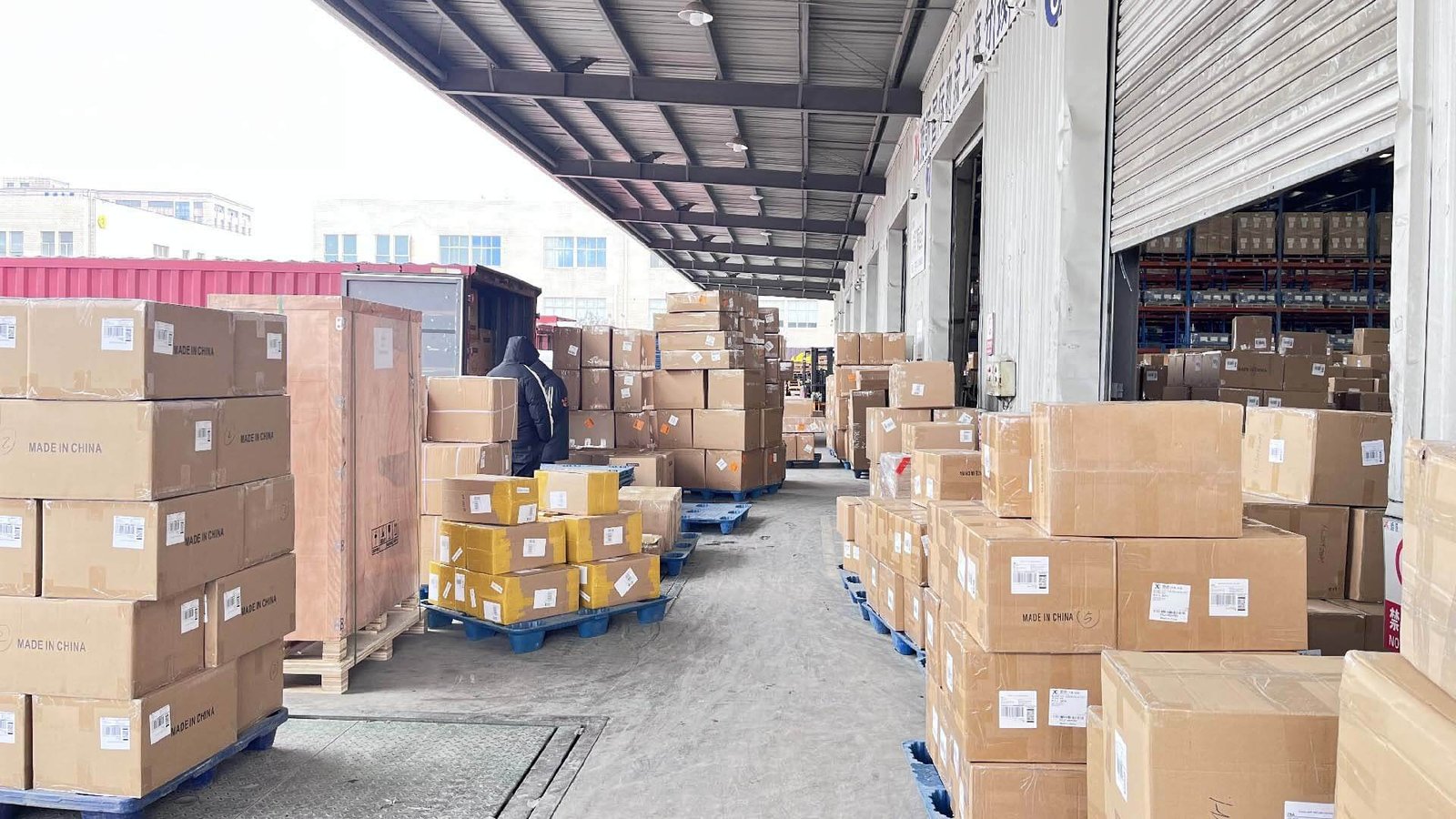
Mandatory Table: Bond Cost vs Frequency (Importer ROI Table)
| Importer Profile | Entries/Year | Typical Best Option | Why | Risk if Wrong Choice |
|---|---|---|---|---|
| High-frequency importer | 50+ | Continuous bond | Cost-effective, always active | Continuous delays |
| Low-frequency importer | 1-5 | Single-entry bond | Best for occasional shipments | Increased costs |
Understanding these two types allows importers to choose the bond that best meets their needs.
How CBP bond amounts are calculated?
Calculating the proper customs bond amount is crucial for compliance. CBP has specific requirements for bond amounts based on risk assessments.
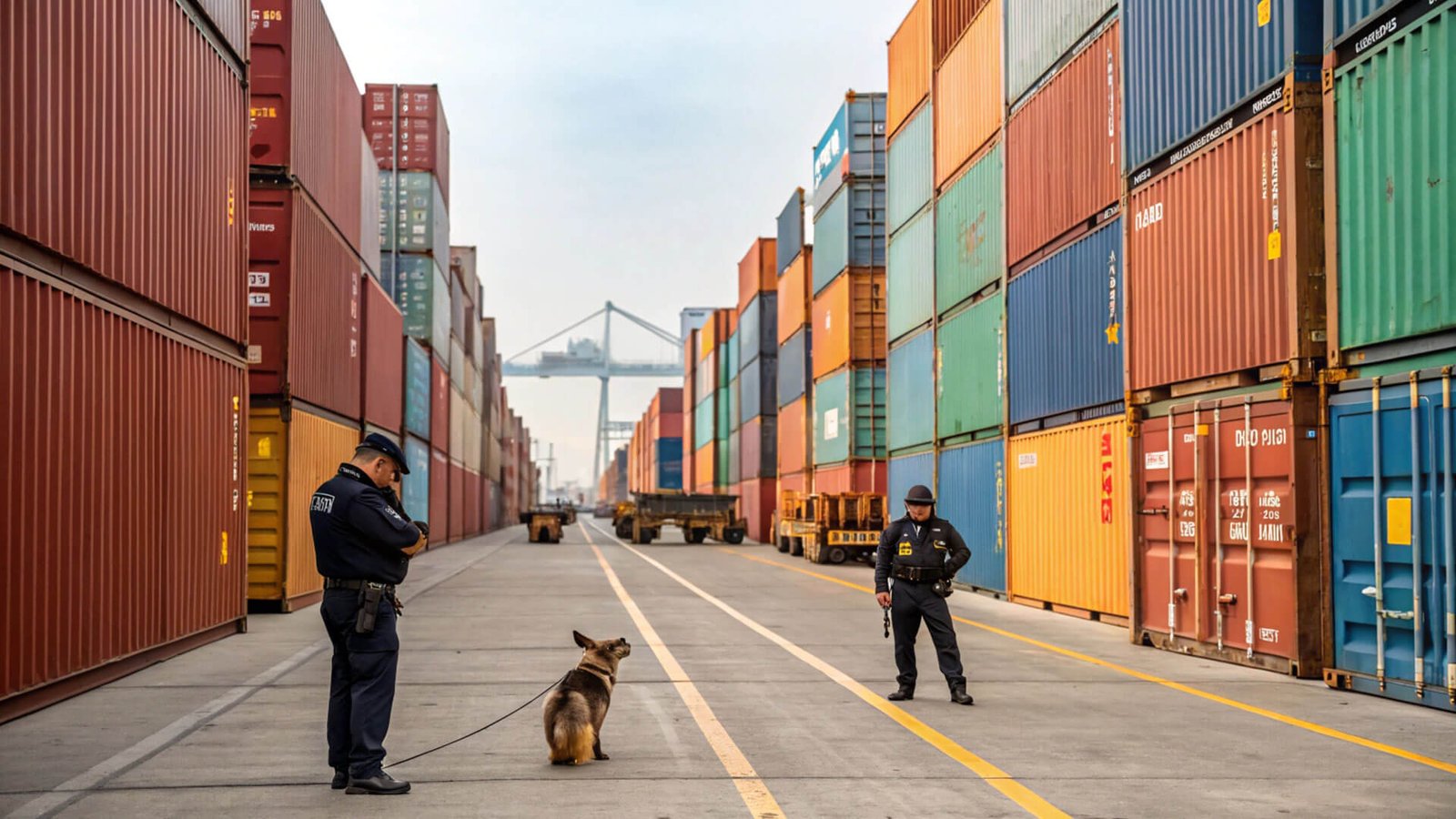
CBP bond amounts are based on the importer’s risk and duty exposure. Continuous bonds have a minimum amount, but CBP commonly expects the bond to cover at least 10% of duties, taxes, and fees paid in the prior 12 months (or projected exposure for new importers). If a bond is insufficient, shipments can be delayed until bond sufficiency is corrected.
Mandatory Table: Bond Amount Calculator (Importer Template)
| Input | What it Means | Example Value | Formula | Output |
|---|---|---|---|---|
| Total duties/taxes/fees last 12 months | Total fees paid last year | $100,000 | 10% of total duties | $10,000 |
| Minimum bond level | CBP’s set minimum for continuous bond5 | $50,000 | Compare with 10% calculation | Minimum is $50,000 |
| Bond amount recommendation tier | Recommended bond amount | $60,000 | Total duties + buffer for spikes | $60,000 |
This calculation ensures that importers are sufficiently covered under their bonds.
What customs bonds1 actually cover?
Understanding what customs bonds1 cover is essential for compliance and avoiding penalties. These bonds are not just about paying duties; they play a significant role in regulatory compliance.
A customs bond covers the importer’s obligation to comply with CBP requirements—not just duty payment. This can include exposure related to entry compliance7, importer declarations, and certain penalties (such as ISF enforcement8). Importers handling regulated products (FDA/APHIS/etc.) must treat the bond as part of an overall compliance framework, because errors can trigger claims or enforcement actions.
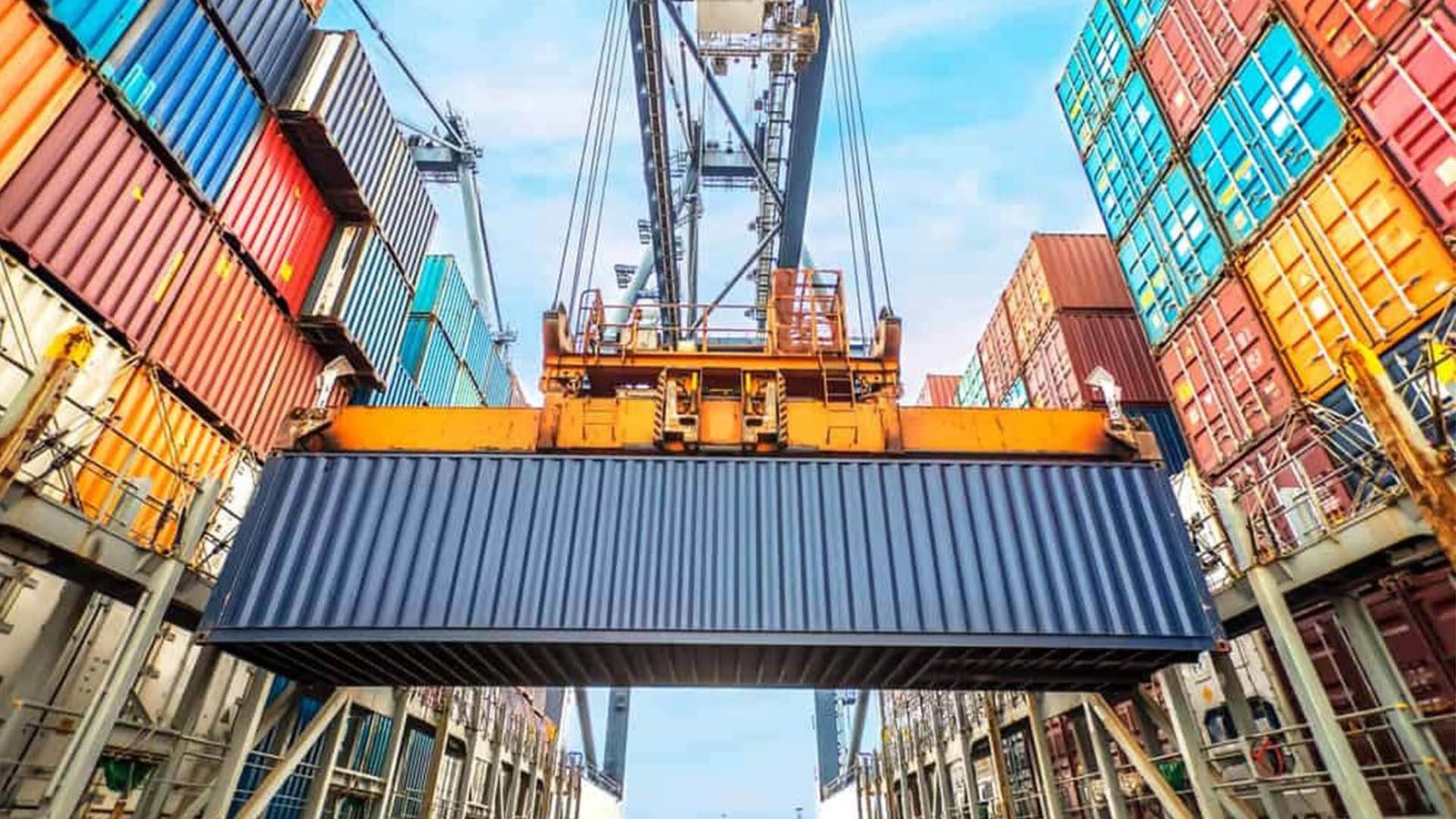
Importers must recognize that a customs bond backs compliance obligations. It is not simply a paperwork formality but a crucial aspect of adhering to governmental regulations.
How to get a customs bond fast?
When time is of the essence, importers need to know how to secure a customs bond quickly. The process involves several steps, but preparation is key.
Customs bonds are issued through surety companies and typically arranged by your customs broker9. To avoid delays, importers should prepare the correct legal business name, EIN, importer information, estimated duty exposure, and shipment profile. Many bonds can be issued quickly once underwriting information is complete, but incomplete or mismatched importer details commonly cause preventable slowdowns.
Mandatory List: Broker-Ready Bond Info Package
- Legal entity name + EIN
- Importer address + contact
- Estimated annual import volume and duty spend
- Entry frequency
- Commodity type (general vs regulated)
- Power of Attorney timing
- Prior import history (if any)
Having these documents ready can significantly speed up the bond approval process.
Common bond mistakes that trigger clearance delays

Mistakes can happen, but many issues can be avoided with diligence. Knowing common pitfalls can save time and resources.
Bond-related clearance delays are usually caused by avoidable issues: bond expiration10, incorrect importer name/EIN11, insufficient bond amount versus duty exposure, or last-minute bond issuance after cargo arrival. Importers prevent these problems by running a bond sufficiency review12 quarterly, aligning shipment volume forecasts with bond size, and using standardized importer records across all shipping documents.
Mandatory Table: Bond Claim Risk Checklist (Importer Controls)
| Risk Trigger | Operational Scenario | Cost Impact | Prevention SOP | Who Owns It |
|---|---|---|---|---|
| Undervaluation / misclassification | Incorrect duty assessment | Increased duties owed | Regular training | Compliance Manager |
| Late ISF | Late filing of Importer Security Filing | Penalties incurred | Timely submissions | Import Manager |
| Repeated entry errors | Frequent mistakes on entries | Delays and fines | Standard operating procedures | Entry Specialist |
| Unpaid duties/fees | Ongoing compliance violations | Financial loss | Regular audits | Finance Department |
Recognizing these triggers can help importers take proactive steps to mitigate risks.
Conclusion
Understanding customs bonds1 is essential for U.S. importers. By choosing the right bond and avoiding common mistakes, importers can navigate the complexities of customs clearance smoothly.
Customs bonds are crucial for importers to ensure compliance with U.S. regulations and avoid costly delays. ↩
CBP requires customs bonds to protect the government and ensure importers meet their legal obligations. ↩
Surety companies provide the financial guarantee backing customs bonds, essential for importers to secure their obligations. ↩
Understanding the IOR is vital for importers as it ties them to compliance obligations with customs bonds. ↩
Continuous bonds offer cost-efficiency and reduce clearance risks for importers with frequent shipments. ↩
Single-entry bonds are ideal for low-frequency importers, covering one shipment and preventing unnecessary costs. ↩
Entry compliance is crucial for importers to avoid penalties and ensure smooth customs clearance. ↩
ISF enforcement is part of the compliance obligations covered by customs bonds, impacting importers handling regulated products. ↩
Customs brokers streamline the bond issuance process, helping importers avoid delays with proper documentation. ↩
Bond expiration can lead to clearance delays, making it crucial for importers to monitor and renew their bonds timely. ↩
Errors in importer details can cause preventable slowdowns, emphasizing the need for accurate documentation. ↩
Regular bond sufficiency reviews help importers align their bond size with shipment volume forecasts, preventing delays. ↩