The world of importing can be surprising and complex. With so many moving parts, it's essential to understand how it affects your business and bottom line.
Did you know that a large percentage of everyday products sold in the U.S. were manufactured overseas and transported by ocean freight? From electronics to furniture, global sourcing1 is standard, making international logistics a core part of modern business operations.
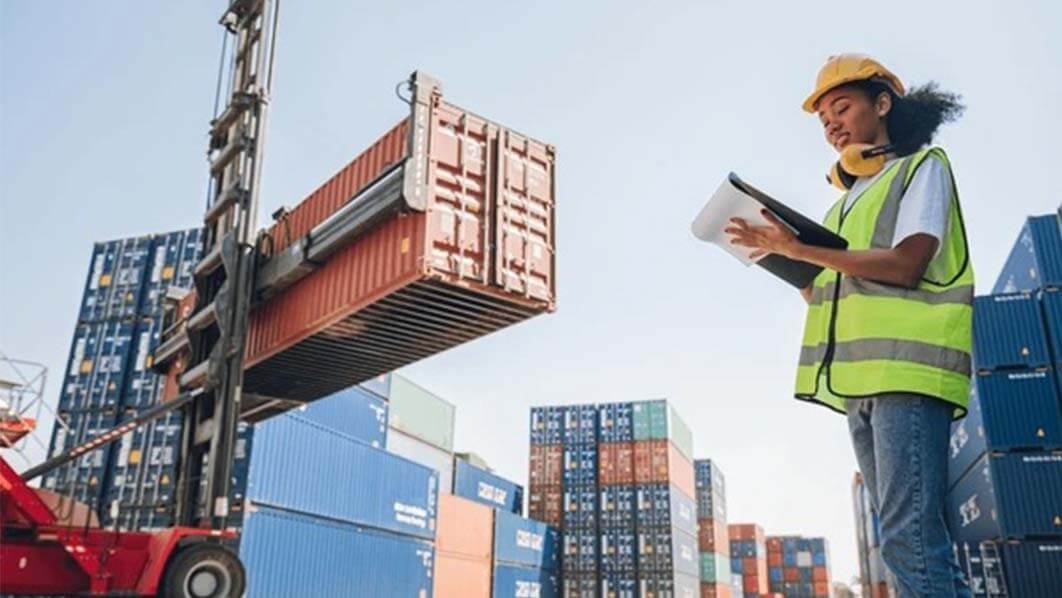
Everyday products in the U.S. don't just appear on store shelves. They follow a specific journey. The supply chain flow2 starts at the factory, moves to the port, is loaded onto an ocean vessel, arrives at a U.S. port, goes through customs clearance, and finally reaches distribution channels. Understanding this flow is crucial for any importer.
How a Single Shipping Container Can Carry Millions of Dollars’ Worth of Goods?
A single container can hold high-value products such as electronics, medical devices, or branded goods worth millions of dollars, which is why cargo security3, documentation accuracy4, and insurance matter.
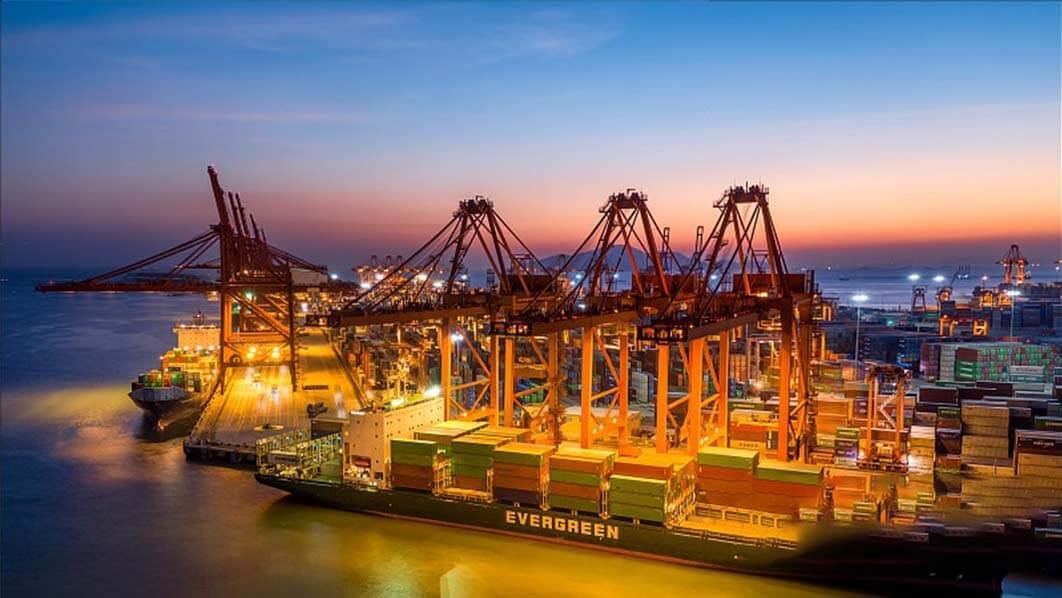
The value of goods contained in a shipping container can vary significantly.
| Cargo Type | Typical Value Impact |
|---|---|
| Electronics | Very high |
| Apparel | Medium–high |
| Industrial parts | High |
This table highlights the implications for importers. High-value cargo requires tighter security protocols, accurate documentation, and reliable insurance to mitigate risks. For importers, understanding the value of their cargo is essential for protecting their investments.
The Surprising Number of Government Agencies Involved in a Typical Import Shipment?
Importing often involves multiple government agencies beyond customs, such as the FDA, USDA, or EPA, depending on product type.
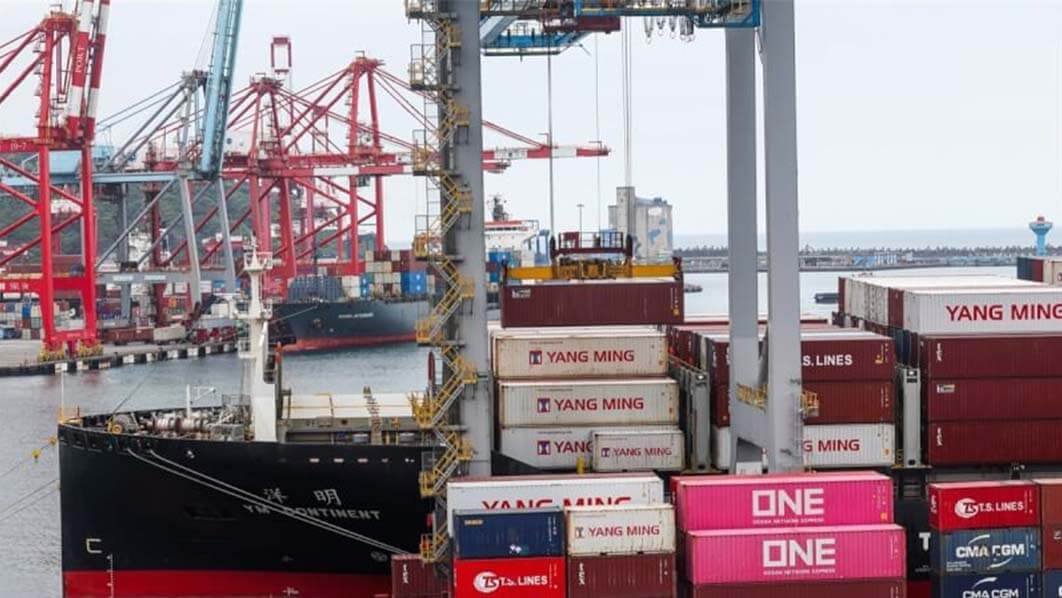
Different agencies regulate various aspects of imported goods.
| Agency | What They Regulate |
|---|---|
| CBP | Duties & clearance |
| FDA | Food & medical goods |
| USDA | Agriculture |
| EPA | Environmental items |
An understanding of which agencies are involved can help importers navigate compliance requirements more smoothly. Each agency has its own set of rules and regulations, making it crucial to stay informed.
How Small Documentation Errors Can Turn a Simple Import Into a Costly Delay?
A small error in product classification or paperwork can trigger inspections, delays, and extra storage costs.
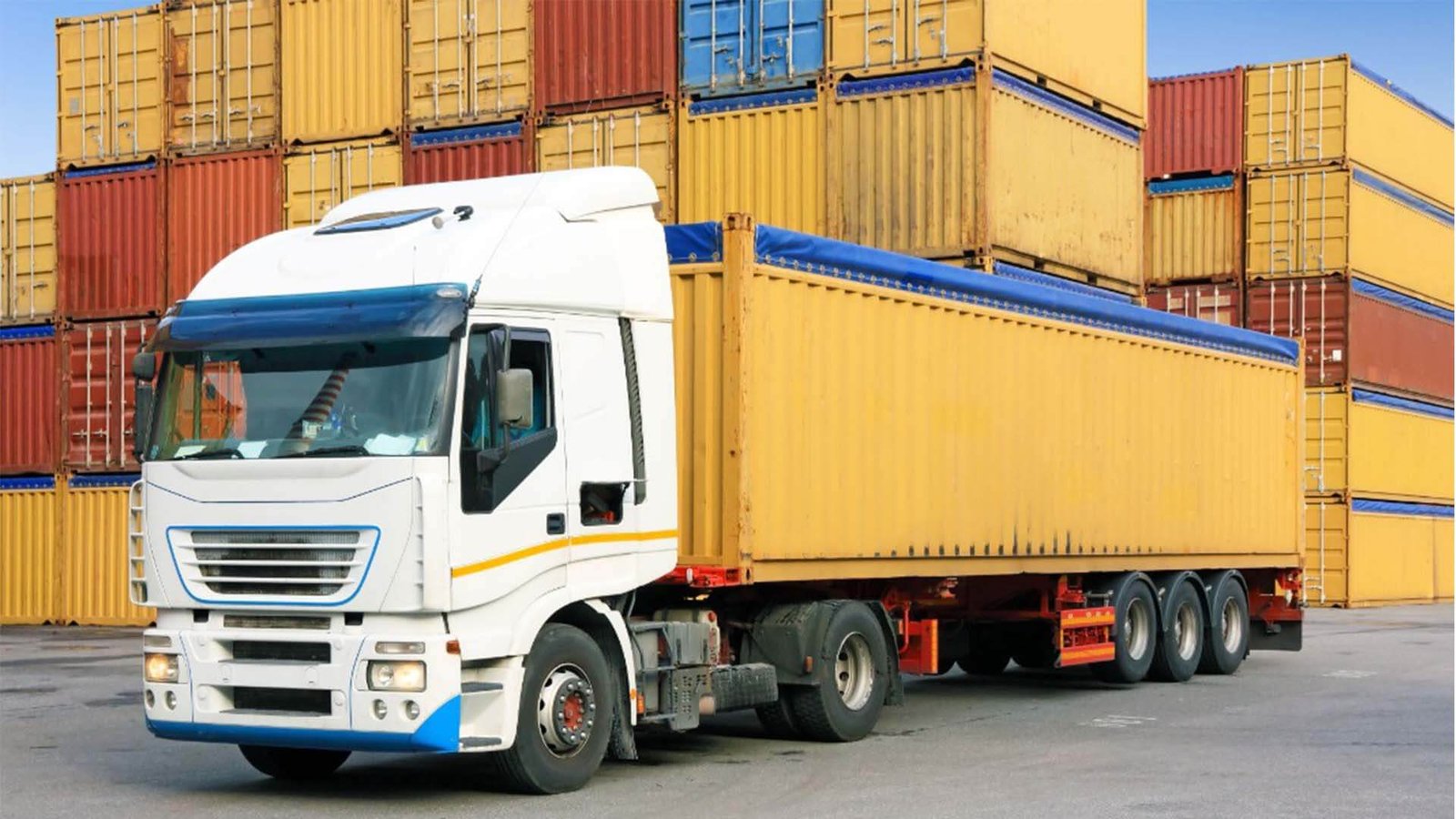
Even minor mistakes can lead to significant consequences.
| Error | Possible Result |
|---|---|
| Wrong HTS code | Exam or fine |
| Missing data | Entry delay |
| Incorrect value | Duty issues |
Importers must pay attention to detail. A simple oversight can lead to inspections that delay the entire process, resulting in increased costs. Proper training and resources can help mitigate these risks.
Why Shipping Costs Can Change Overnight Even When Your Product Doesn’t?
Freight rates fluctuate due to fuel prices, seasonal demand, port congestion, and global events.
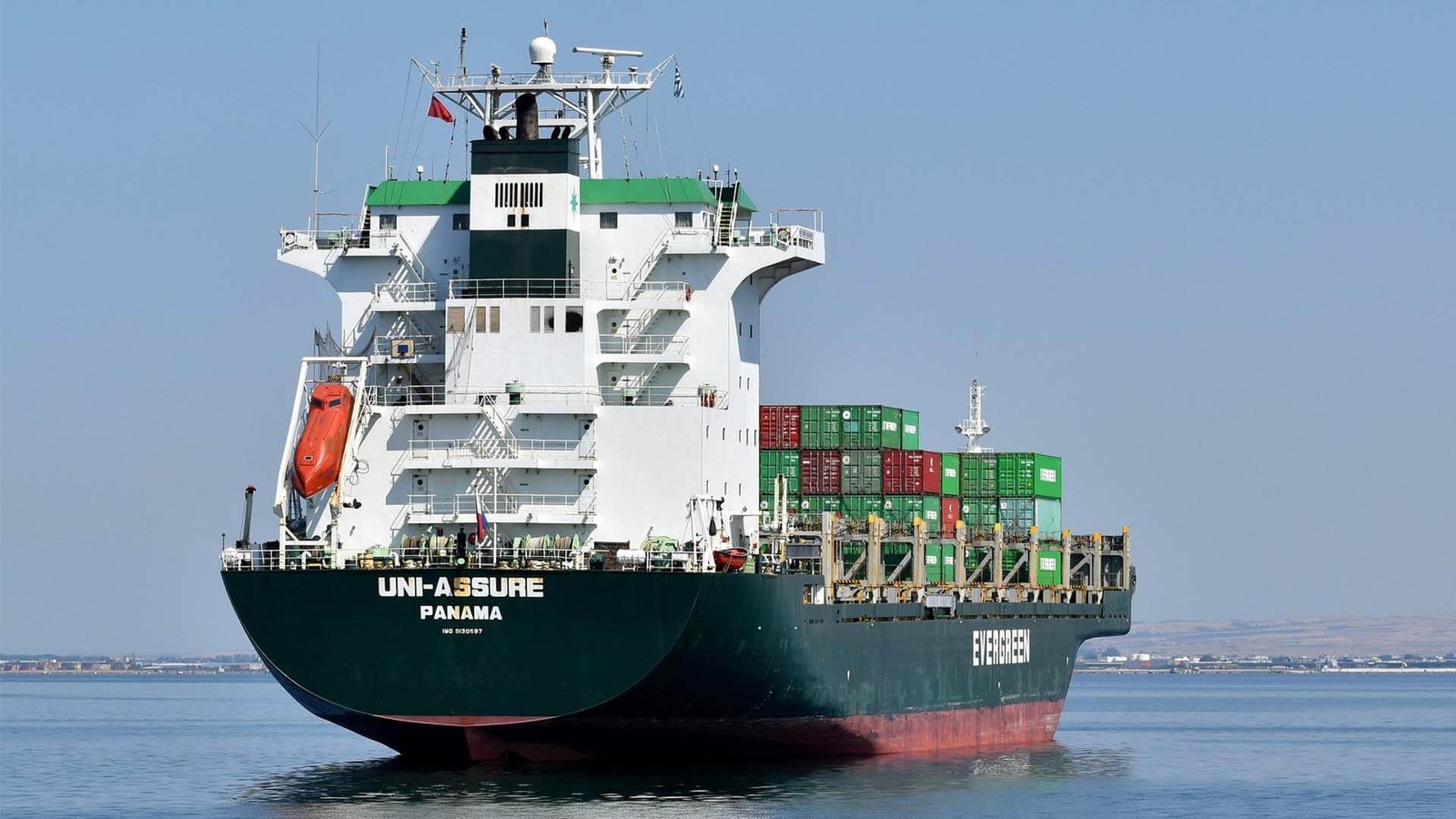
Several factors influence shipping costs.
| Factor | Effect |
|---|---|
| Fuel price | Surcharges |
| Peak season | Higher rates |
| Port congestion | Delays |
Understanding these fluctuations helps importers budget more effectively. Being proactive can save money and time in the long run.
How Professional Logistics Partners Quietly Solve Problems Importers Never Even See?
Behind the scenes, brokers and forwarders manage filings, regulatory coordination, carrier issues, and documentation corrections.
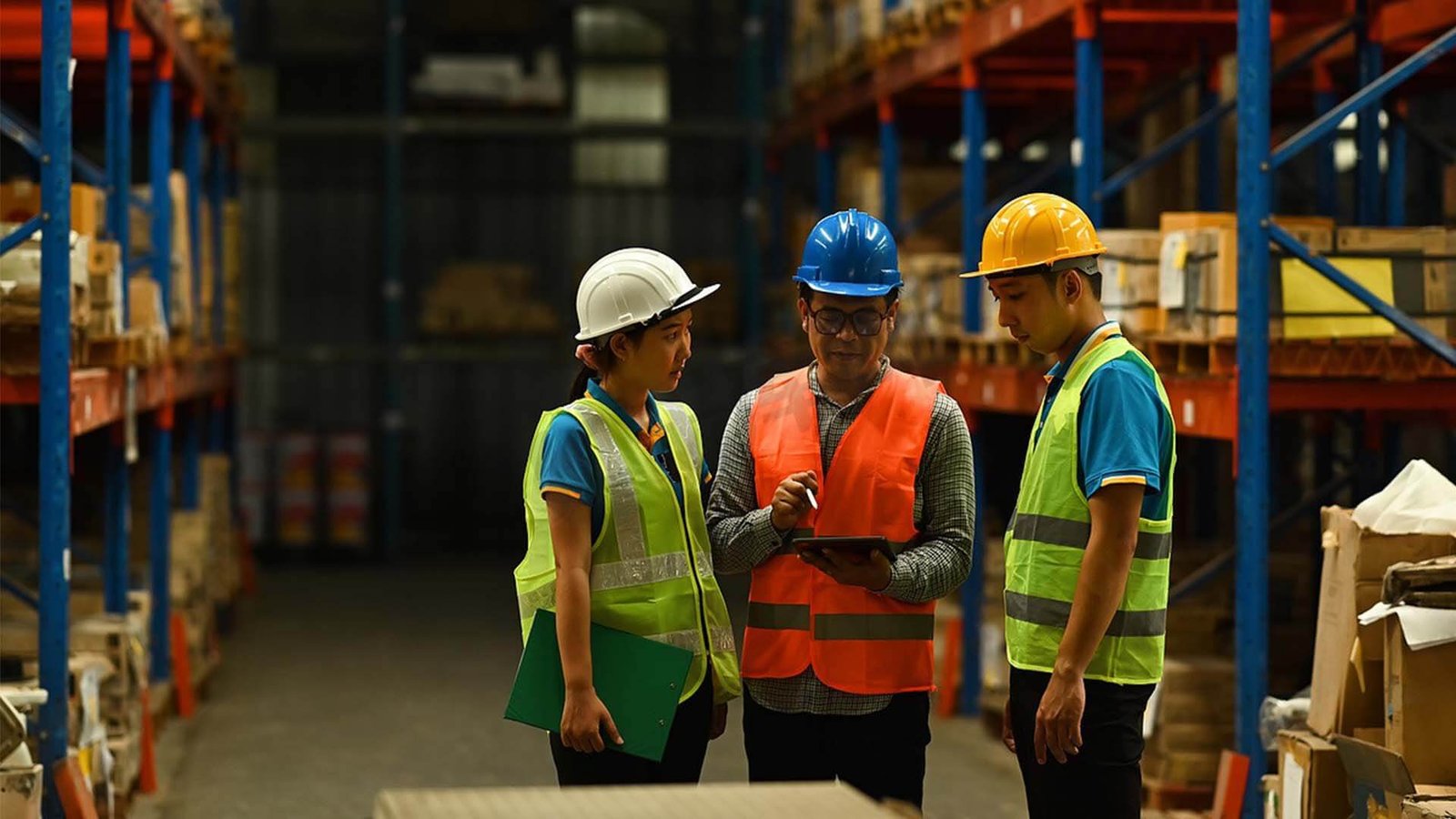
The journey of goods involves multiple stakeholders.
Supplier → Forwarder → Carrier → Customs Broker → CBP/Agencies → Delivery
Each step requires careful coordination. Professional logistics partners alleviate potential headaches by managing these complex interactions, ensuring that shipments move smoothly from start to finish.
Conclusion
Importing is intricate yet fascinating. Understanding these fun facts can help streamline your operations and ensure a successful import experience.
Understanding global sourcing can help businesses optimize their supply chain and reduce costs by leveraging international resources. ↩
Knowing the supply chain flow is crucial for importers to ensure timely delivery and efficient logistics management. ↩
Exploring cargo security measures can help protect high-value shipments from theft and damage, safeguarding your investments. ↩
Accurate documentation is vital to prevent delays and fines, ensuring smooth customs clearance and delivery. ↩