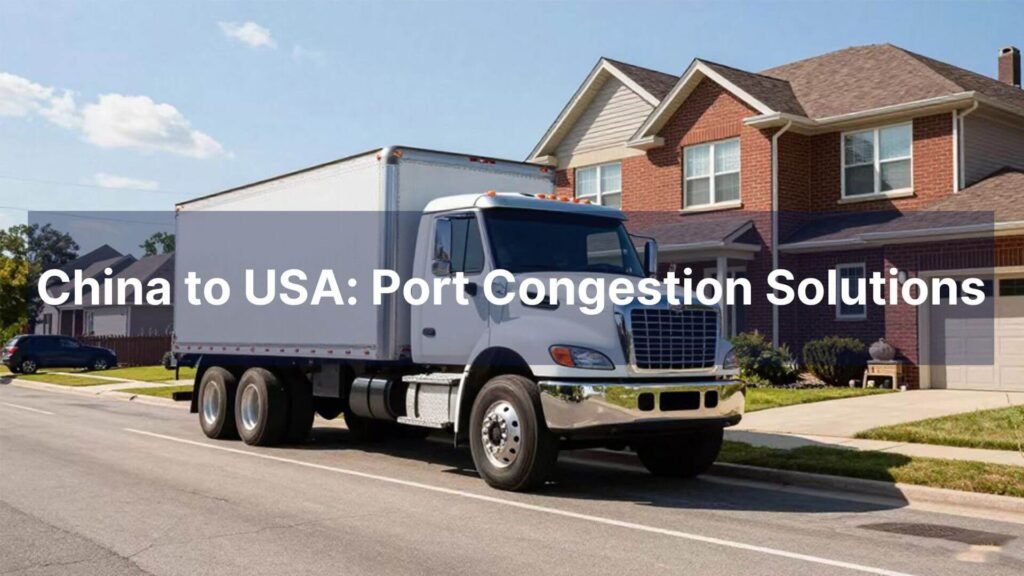
Port congestion can disrupt shipments, delay deliveries, and increase costs for U.S. importers. Understanding solutions is crucial to navigating these challenges effectively.
Port congestion occurs when vessel arrivals exceed terminal handling capacity, leading to berth delays, container backlogs, and extended dwell times. For importers, congestion increases transit time uncertainty, raises storage and detention costs, and disrupts inventory planning across supply chains.
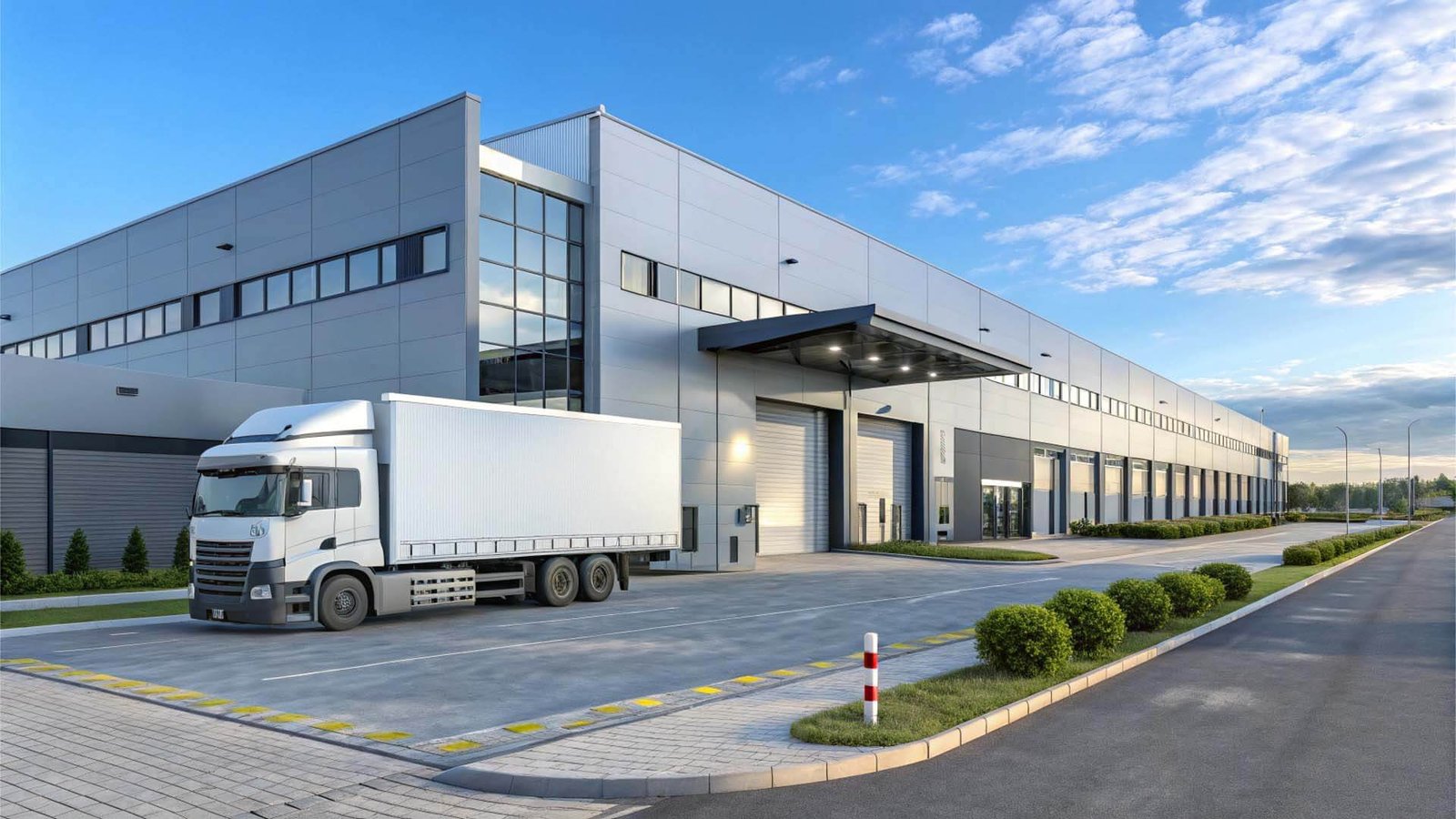
Port congestion poses significant challenges for importers. Knowing the causes and potential impacts will help you better prepare. Let's dive into the details.
What Causes Port Congestion on China–USA Shipping Routes and How Does It Impact Importers?
Port congestion is a multifaceted problem. Several factors contribute to it.
- Vessel Bunching1: When multiple ships arrive at the same time, it overwhelms the terminal.
- Labor and Terminal Constraints2: Limited workforce availability or terminal inefficiencies can slow processing times.
- Equipment Imbalances3: A shortage of equipment leads to delays in loading and unloading containers.
- Peak Season Surges4: High demand during specific seasons can exacerbate congestion.
- Weather and Disruptions5: Unpredictable weather can cause further delays at ports.
Each of these factors can significantly impact your shipping experience. Planning for these challenges is vital.
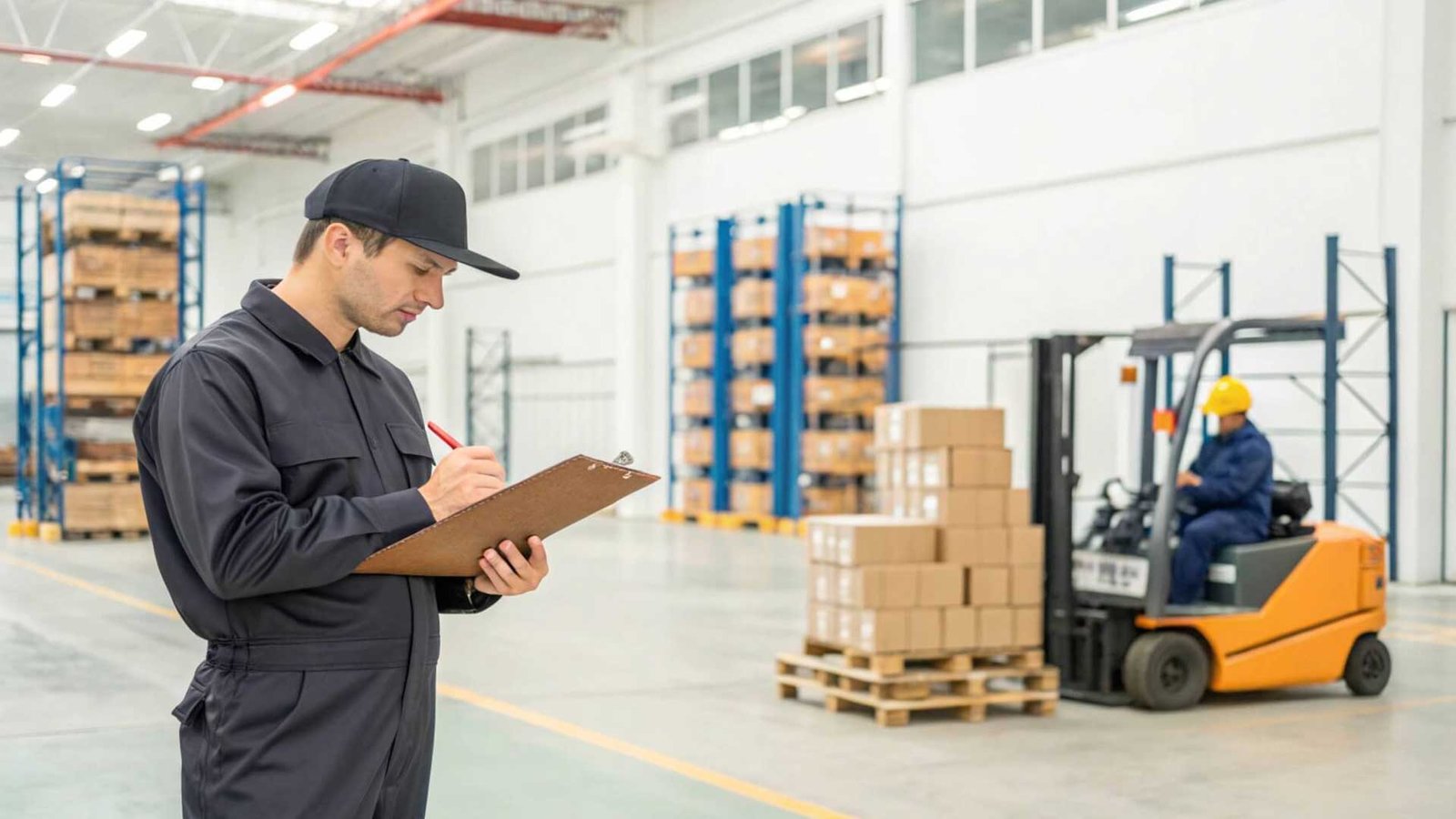
Understanding these causes can help you anticipate potential delays. If you know what to expect, you can take steps to mitigate their impact.
How Congestion at U.S. West Coast, East Coast, and Gulf Ports Affects Transit Time and Costs
Different U.S. ports face congestion in unique ways. The region in which your goods arrive influences transit time and costs.
Different U.S. port regions experience congestion in distinct ways depending on vessel volume, infrastructure, and inland transport capacity. These factors influence total transit time, drayage availability, and cost exposure for importers.
| Region | Typical Impact During Congestion |
|---|---|
| West Coast | Longer wait times, higher drayage costs |
| East Coast | Increased congestion, limited capacity |
| Gulf Coast | Variable impacts, dependent on volume |
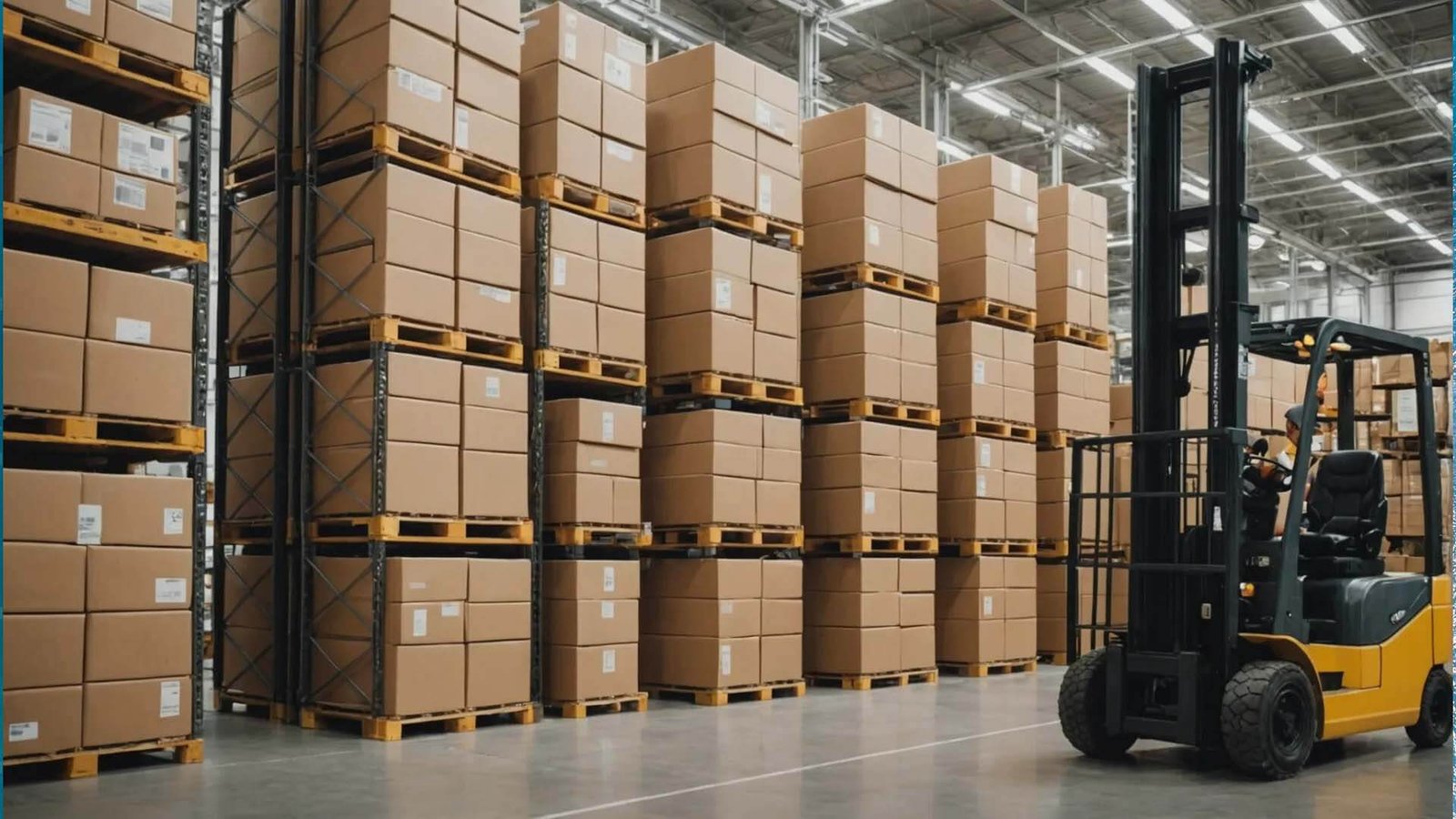
These differentiated impacts can affect your supply chain strategy. Understanding each region’s potential for congestion will enable better decision-making.
What Strategies Importers Can Use to Avoid Delays During Peak Season and Port Backlogs
Proactive strategies can help you avoid delays.
Proactive shipment planning6, early booking, and flexible routing help importers reduce congestion exposure. Diversifying ports and adjusting lead times improve resilience during peak demand and terminal backlogs.
Congestion Mitigation Checklist
- Book earlier than usual
- Build lead-time buffers
- Split shipments
- Use multiple gateways
- Monitor sailing schedules
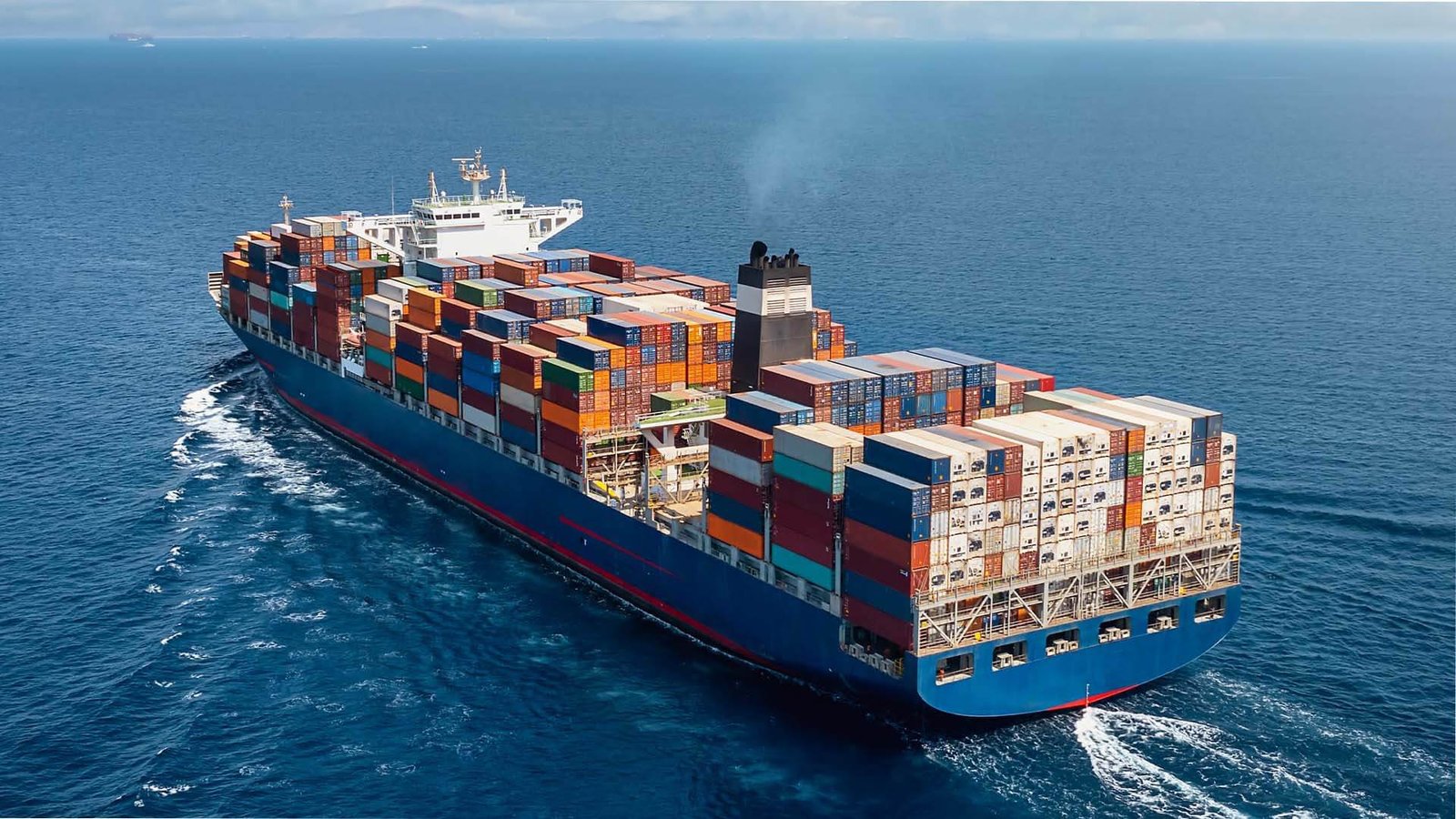
Implementing these strategies can significantly reduce your exposure to congestion. It’s all about being proactive rather than reactive.
How Alternative Ports, Routing, and Inland Transportation Reduce Congestion Risk
Flexibility in your routing can be beneficial.
Routing flexibility allows importers to bypass highly congested gateways. Alternative ports and multimodal inland options can help maintain cargo flow and reduce dependency on a single bottleneck.
Routing Decision Matrix
| Scenario | Routing Strategy |
|---|---|
| West Coast backlog7 | Use East Coast ports |
| East Coast congestion | Explore Gulf Coast options |
| Urgent inventory | Direct ship via alternate routes |

By considering alternative ports and routes, you can avoid delays and keep your goods moving. This flexibility is invaluable in a volatile environment.
How Documentation Accuracy and Customs Coordination Prevent Compounding Delays
Accurate documentation is crucial.
When congestion occurs, documentation errors can magnify delays. Ensuring accurate filings, regulatory data, and timely customs submissions reduces the risk of holds that compound port backlog issues.
Key Areas for Improvement
- Early document submission
- Broker coordination
- Avoiding exam triggers
- Importance of data accuracy
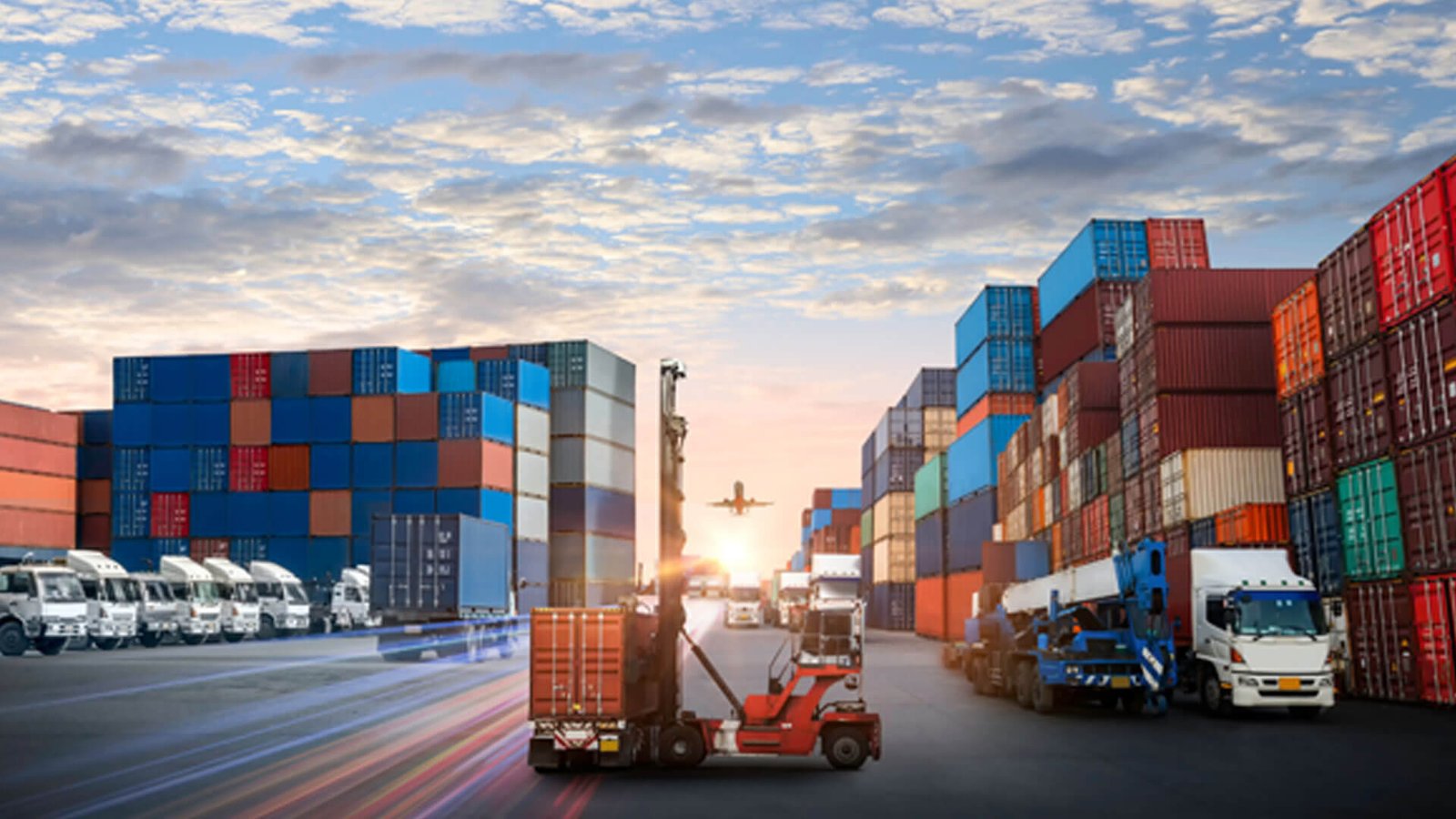
Focusing on documentation can alleviate potential delays. Proper customs coordination ensures smooth processing even in congested environments.
How Freight Planning, Carrier Selection, and Visibility Tools Help Importers Stay Ahead of Disruptions
Strategic planning is essential.
Strategic carrier selection, reliable service schedules, and shipment visibility tools help importers anticipate delays and adjust logistics plans. Early insight enables better inventory management and reduces supply chain disruption.
China → U.S. Flow Under Congestion
- Supplier
- → Port loading
- → Ocean transit
- → Congested port arrival
- → Customs entry
- → Inland transport
- → Delivery
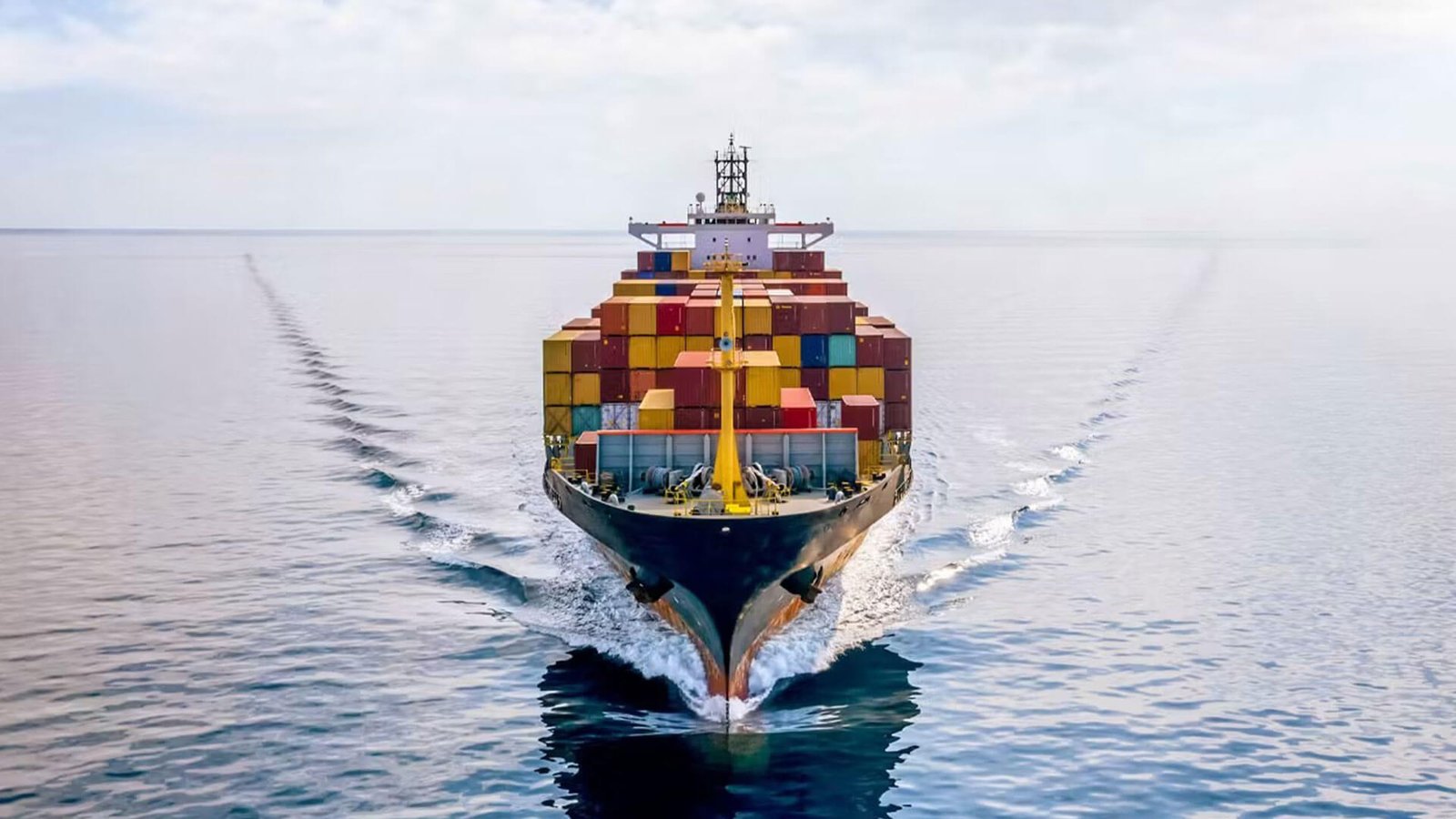
Being proactive and implementing the right tools makes all the difference. You can remain ahead of disruptions and ensure a smoother process.
Conclusion
By understanding and actively managing port congestion8, U.S. importers can enhance their supply chain resilience and reduce costs.
Exploring vessel bunching helps importers understand one of the key causes of port congestion, aiding in better planning and mitigation strategies. ↩
Learning about labor and terminal constraints can help importers anticipate potential delays and plan accordingly to minimize disruptions. ↩
Understanding equipment imbalances is essential for importers to foresee delays in loading and unloading, allowing for better logistics planning. ↩
Knowing the effects of peak season surges enables importers to prepare for increased congestion and adjust their shipping schedules accordingly. ↩
Exploring the impact of weather and disruptions helps importers anticipate and mitigate unexpected delays in their shipping processes. ↩
Learning about proactive shipment planning can help importers reduce exposure to congestion and improve supply chain resilience. ↩
Understanding the West Coast backlog's impact on shipping can help importers plan alternative routes and manage costs effectively. ↩
Understanding port congestion is crucial for importers to manage delays and costs effectively, ensuring smoother supply chain operations. ↩