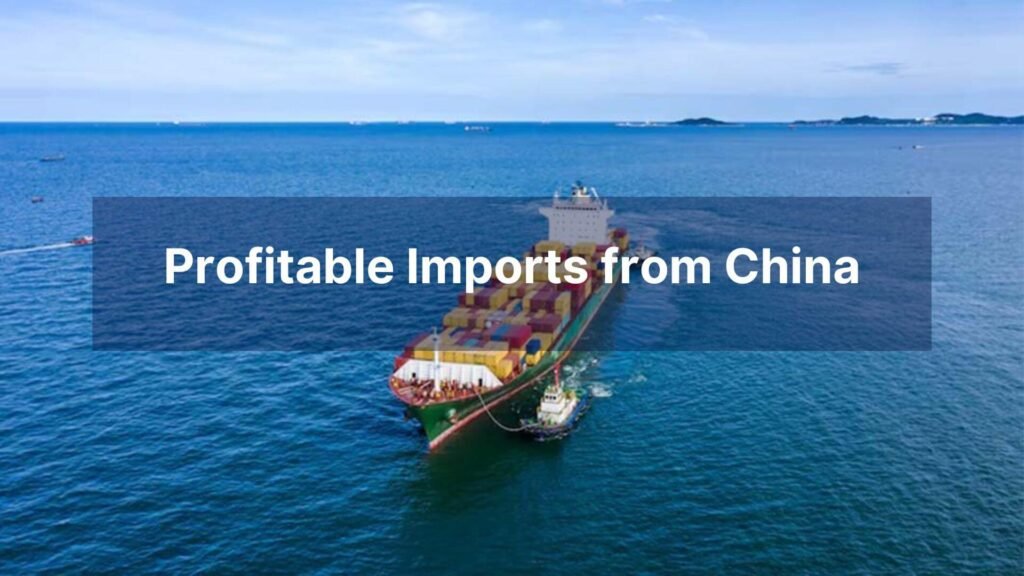
The first paragraph, which uses PAS formula to grab the reader's attention (max 30 words). Importing goods from China1 can be a lucrative venture, but it requires careful planning beyond just product costs. Understanding hidden factors can help maintain profitability.
second paragraph at the beginning, answering the question posed by the title, this paragraph must be HELPFUL to the reader and will be used later to compete for Google's Featured Snippets. (max 50 words) Profitability depends on total landed cost2, not just supplier price3. Duties4, freight5, compliance requirements6, storage7, and lead-time risk8 all influence margins. Importers who evaluate logistics9 and supply chain reliability10 alongside product cost are better positioned to maintain sustainable profitability11.
The paragraph that begins and ends with a paragraph that will keep the customer from reading further. As we dive into the details below, keep in mind that every factor plays a crucial role in ensuring your import venture is both profitable and sustainable. Let's explore these aspects further.
What Makes an Import from China Truly Profitable Beyond Just Product Cost?
The first paragraph, which uses the PAS strategy to grab the reader's attention (max 30 words). When considering imports, many focus solely on the price from suppliers. However, this approach can lead to unexpected costs that diminish profits.
The second paragraph, which answers the question posed by the headline, is the paragraph that will be used later to compete for Google's Featured Snippets. (max 50 words) Profitability depends on total landed cost2, not just supplier price3. Duties4, freight5, compliance requirements6, storage7, and lead-time risk8 all influence margin. Importers evaluating logistics9 alongside product cost are better positioned to maintain sustainable profitability11.

Based on the secondary headings, continue to extend and go deeper, can use critical thinking, to break down the question, to help the reader understand more deeply, need to use the tertiary headings, and Markdown formatting tables to express the ideas in a more structured way. (around 150 words) Understanding product cost versus landed cost is critical for U.S. importers. The landed cost includes not just the purchase price but also freight5, duties, and other unavoidable expenses. Many importers underestimate hidden costs, such as storage7 fees and insurance, which can eat into profits. A low FOB price may still lead to low margins if these additional costs are not factored in.
| Hidden Cost Categories | Impact on Margin |
|---|---|
| Freight charges | Increases total cost |
| Customs duties12 | Reduces profit |
| Delays and storage7 fees | Affects cash flow |
Evaluating these factors helps in making informed decisions that lead to sustainable profitability11.
How Duties4, Tariffs, and Trade Measures Affect Product Profit Margins
The first paragraph, which uses the PAS strategy to grab the reader's attention (max 30 words). Duties4 and tariffs can transform a profitable scenario into a challenging one. Many importers overlook how these costs impact their bottom line.
The second paragraph, which answers the question posed by the headline, is the paragraph that will be used later to compete for Google's Featured Snippets. (max 50 words) Customs duties12 and trade measures13 such as tariffs can significantly alter product margins. Correct classification and awareness of applicable trade policies are essential to forecasting import costs and avoiding unexpected charges.

Based on the secondary headings, continue to extend and go deeper, can use critical thinking, to break down the question, to help the reader understand more deeply, need to use the tertiary headings, and Markdown formatting tables to express the ideas in a more structured way. (around 150 words) Understanding how duties, tariffs, and trade measures13 affect margins is vital for U.S. importers. Each import requires correct product classification14 to determine the applicable duty rate. This classification affects overall costs significantly. Below is a breakdown of key cost factors:
| Cost Factor | Effect on Margin |
|---|---|
| Customs duty | Directly reduces profit |
| Trade measures | May impose additional costs |
| Processing fees | Adds to the total expense |
| Inspection costs | Can lead to delays |
Importers must stay informed about trade policies to forecast their costs accurately. By doing so, they can avoid unexpected financial burdens that might arise from misclassification or ignorance of current regulations.
How Freight Mode, Packaging, and Shipping Strategy Influence Landed Cost
The first paragraph, which uses the PAS strategy to grab the reader's attention (max 30 words). The choice of freight5 mode can make or break your margins. Many importers overlook how packaging and shipping strategies also play significant roles.
The second paragraph, which answers the question posed by the headline, is the paragraph that will be used later to compete for Google's Featured Snippets. (max 50 words) Freight mode15, container utilization16, and packaging design17 influence transport cost and cargo protection. Efficient shipping strategies reduce per-unit cost and minimize damage or delay risk.

Based on the secondary headings, continue to extend and go deeper, can use critical thinking, to break down the question, to help the reader understand more deeply, need to use the tertiary headings, and Markdown formatting tables to express the ideas in a more structured way. (around 150 words) Choosing the right freight5 mode and packaging strategy is essential. Different shipping methods—such as air versus ocean freight5—impact costs and delivery times. Packaging efficiency can reduce damage and waste, while maximizing container utilization16 can save on freight5 costs.
| Component | Impact |
|---|---|
| Ocean vs air freight5 | Cost vs speed trade-off |
| Packaging efficiency | Reduces physical damage |
| Container utilization | Lowers per-unit cost |
| Transit time | Affects cash flow |
By understanding these components, importers can devise a shipping strategy that optimizes supply chain costs, ensuring that margins remain intact.
Which Product Categories Often Offer Strong Margin Potential for U.S. Importers
The first paragraph, which uses the PAS strategy to grab the reader's attention (max 30 words). Not all products are created equal when it comes to import profitability. Identifying strong margin opportunities can enhance financial performance.
The second paragraph, which answers the question posed by the headline, is the paragraph that will be used later to compete for Google's Featured Snippets. (max 50 words) Products with stable demand, manageable compliance requirements6, and efficient transport profiles often provide better margin consistency. Importers must evaluate not only product appeal but also logistics9 feasibility and regulatory exposure.

Based on the secondary headings, continue to extend and go deeper, can use critical thinking, to break down the question, to help the reader understand more deeply, need to use the tertiary headings, and Markdown formatting tables to express the ideas in a more structured way. (around 150 words) Evaluating which product categories offer strong margin potential is essential. Factors such as weight-to-value ratio, fragility, and demand stability play crucial roles.
| Evaluation Factor | Why It Matters |
|---|---|
| Weight-to-value ratio18 | Affects shipping and handling costs |
| Fragility | Impacts packaging and insurance needs |
| Regulatory complexity19 | Influences compliance costs |
| Demand stability | Reduces market risk |
By focusing on these evaluation factors, importers can identify products that not only sell well but also provide favorable margins throughout the supply chain.
How Compliance, Testing, and Regulatory Risk Impact Import Profitability
The first paragraph, which uses the PAS strategy to grab the reader's attention (max 30 words). Navigating compliance can be complex and costly. Many importers are unaware of the potential financial ramifications of non-compliance.
The second paragraph, which answers the question posed by the headline, is the paragraph that will be used later to compete for Google's Featured Snippets. (max 50 words) Regulatory requirements such as product testing, certification, and labeling add cost and timeline considerations. Compliance planning protects importers from penalties, shipment holds, and unexpected rework expenses.
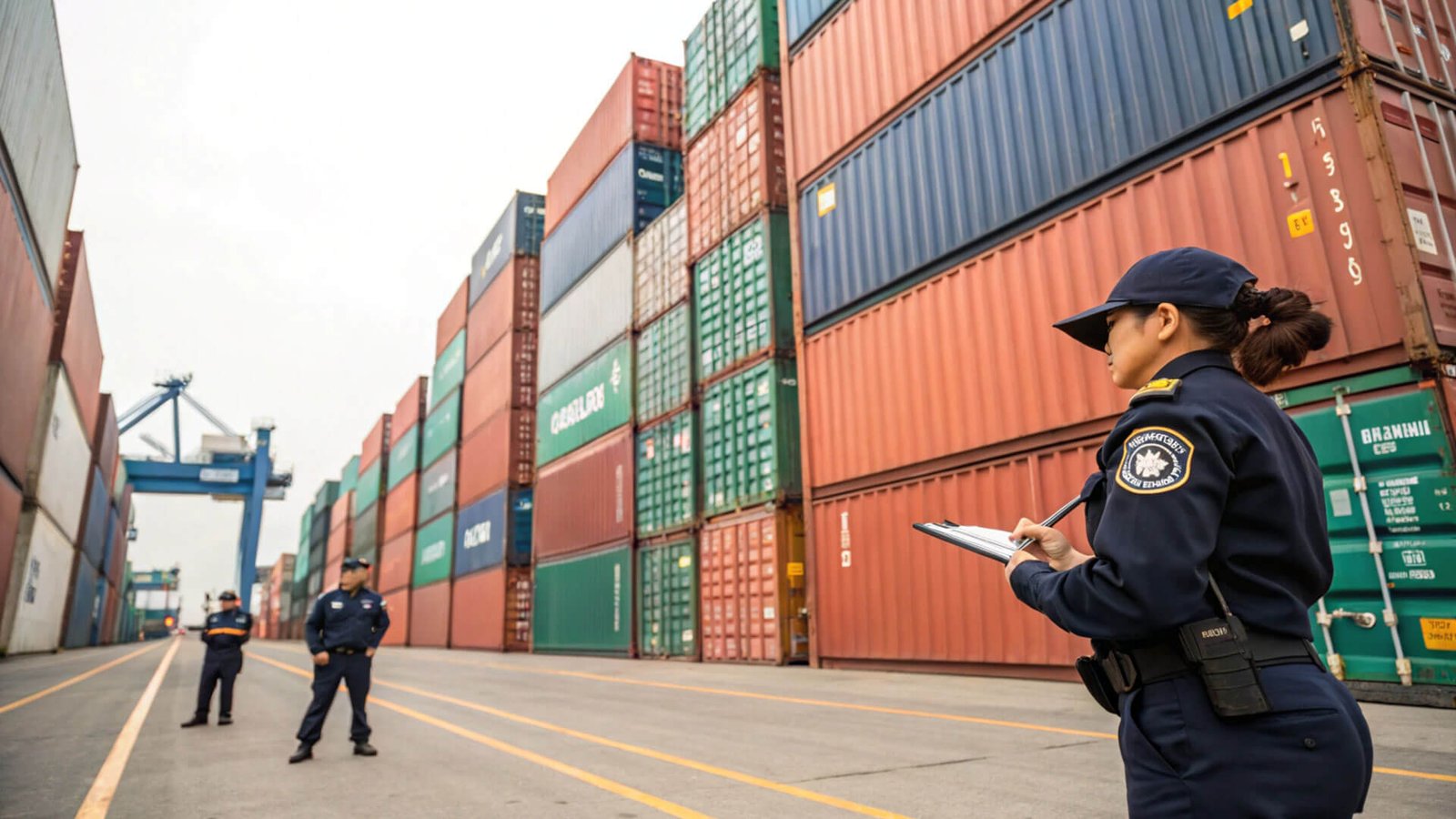
Based on the secondary headings, continue to extend and go deeper, can use critical thinking, to break down the question, to help the reader understand more deeply, need to use the tertiary headings, and Markdown formatting tables to express the ideas in a more structured way. (around 150 words) Compliance, testing, and regulatory risks are critical considerations for importers. Product-specific compliance requirements6 can involve rigorous testing and certification, which can increase costs significantly. The risk of non-compliance can lead to penalties and shipment delays.
| Compliance Requirement | Cost Implications |
|---|---|
| Product testing | Increases upfront costs |
| Certification fees | May require additional investment |
| Labeling requirements | Adds to total compliance costs |
By planning for compliance effectively, importers can safeguard against unexpected expenses and ensure smooth operations.
How Supply Chain Planning and Inventory Strategy Protect Profit Margins
The first paragraph, which uses the PAS strategy to grab the reader's attention (max 30 words). Effective supply chain planning is essential for maintaining profitability. Many importers fail to recognize how inventory strategy20 can support margin preservation.
The second paragraph, which answers the question posed by the headline, is the paragraph that will be used later to compete for Google's Featured Snippets. (max 50 words). Lead-time planning, inventory buffers, and diversified routing reduce the risk of stockouts and expedited freight5. Strong supply chain management helps importers maintain service levels without eroding margins.

Based on the secondary headings, continue to extend and go deeper, can use critical thinking, to break down the question, to help the reader understand more deeply, need to use the tertiary headings, and Markdown formatting tables to express the ideas in a more structured way. (around 150 words) An effective supply chain strategy is vital for maintaining profit margins. Inaccurate landed cost forecasting can lead to unpreparedness, while overreliance on one route may expose importers to risks.
| Profit Risk Factor | Potential Impact |
|---|---|
| Inaccurate forecasting | Unexpected financial losses |
| Overreliance on one route | Increased risk of delays |
| Compliance surprises | Possible penalties and fines |
| Poor inventory planning | Stockouts and lost sales |
By managing these risks effectively, importers can protect their margins and ensure a steady flow of goods.
Conclusion
In summary, successful importing from China requires careful consideration of various cost factors, compliance measures, and strategic planning to protect profit margins effectively.
Understanding the complexities of importing from China can help you navigate challenges and maximize profitability. ↩
Knowing the total landed cost helps you accurately assess the true cost of importing goods, ensuring better financial planning. ↩
Exploring how supplier prices impact profitability can guide you in negotiating better deals and improving margins. ↩
Learning about duties can help you anticipate additional costs and avoid unexpected financial burdens. ↩
Understanding freight costs is crucial for optimizing your shipping strategy and maintaining profitability. ↩
Compliance requirements can significantly affect costs and timelines, making it essential to understand them thoroughly. ↩
Exploring storage costs can help you manage expenses and improve cash flow in your import business. ↩
Understanding lead-time risk can help you mitigate delays and maintain a smooth supply chain. ↩
Effective logistics management can enhance efficiency and reduce costs, boosting your import business's profitability. ↩
Reliable supply chains ensure timely delivery and reduce the risk of stockouts, protecting your profit margins. ↩
Achieving sustainable profitability involves strategic planning and cost management, ensuring long-term success. ↩
Understanding customs duties helps you anticipate costs and avoid unexpected charges in your import business. ↩
Learning about trade measures can help you navigate regulations and minimize costs in your import operations. ↩
Correct product classification ensures accurate duty rates and compliance, preventing costly errors. ↩
Choosing the right freight mode can optimize costs and delivery times, enhancing your import strategy. ↩
Maximizing container utilization can reduce per-unit costs and improve shipping efficiency. ↩
Efficient packaging design minimizes damage and waste, reducing overall shipping expenses. ↩
Understanding the weight-to-value ratio helps you assess shipping costs and optimize product selection. ↩
Navigating regulatory complexity is crucial for compliance and cost management in importing. ↩
Effective inventory strategy helps maintain service levels and protect profit margins in your import business. ↩