Importing trademarked goods can be a minefield of compliance challenges1. Many businesses overlook the risks involved, which can lead to costly mistakes.
Importing trademarked goods involves bringing branded products into the United States that are protected by intellectual property laws2. This area carries elevated compliance risk because customs authorities3 enforce trademark rights at the border to prevent unauthorized, counterfeit, or restricted goods from entering U.S. commerce.

Navigating the complexities of importing trademarked goods can present significant hurdles for businesses. Understanding the implications and responsibilities of compliance is crucial for success in the U.S. market.
What Does It Mean to Import Trademarked Goods and Why Is It a High-Risk Compliance Area?
Importing trademarked goods refers to the process of bringing products protected by intellectual property laws2 into the United States. As an importer, it is vital to grasp the various dimensions of this high-risk compliance area.
Definition of Trademarked Goods: Trademarked goods are products that carry a registered trademark, signifying that they are protected under trademark law. This protection affords the brand owner exclusive rights to use the mark in commerce.
Difference Between Genuine, Gray Market, and Counterfeit Goods4:
- Genuine Goods5: These are authentic items produced by the trademark owner.
- Gray Market Goods6: These are genuine products imported without the trademark owner's consent.
- Counterfeit Goods4: These are fake items that imitate genuine products and infringe on trademark rights.
Why IPR Enforcement is Strict: U.S. Customs and Border Protection (CBP) has strict enforcement protocols to protect intellectual property rights. This is to prevent economic harm to trademark owners, uphold brand integrity, and ensure consumer safety.
If you're an importer, understanding these nuances is essential to avoid pitfalls in compliance and secure your business operations.
How U.S. Customs and Border Protection (CBP) Enforces Trademark and Intellectual Property Rights at the Border
CBP plays a crucial role in monitoring imports for potential trademark violations. They collaborate with rights holders to prevent unauthorized goods from entering the U.S. market.
| Step | Description |
|---|---|
| Shipment Arrival | Initial customs inspection upon arrival. |
| Document Review | Review of shipment documentation for compliance. |
| Inspection | Physical inspection of the goods if necessary. |
| Rights-holder Verification | Confirmation from trademark owner regarding authenticity. |
| Release or Detention | Goods are released if compliant or detained otherwise. |
This enforcement process emphasizes the importance of proper documentation and compliance for importers. Failure to adhere to these regulations can lead to severe consequences.
Importers must remain vigilant and proactive in their operations to avoid entanglements with CBP.
What Are Parallel Imports (Gray Market Goods6) and How Do They Affect Legal Importation?
Parallel imports8, or gray market goods, present a unique challenge for importers. These are genuine products that are imported without authorization from the trademark owner.
Gray Market vs. Counterfeit: While gray market goods are authentic, counterfeit goods pose a direct infringement on trademarks. Importers should be aware of the distinctions to navigate legal challenges effectively.
Why Authorization Matters: Having authorization from the trademark owner can mitigate risks associated with gray market goods. Without it, importers may face legal implications or have goods confiscated by customs.
Importer Risk Exposure: Importers of gray market goods may encounter difficulties obtaining necessary permissions, resulting in potential financial losses9 and reputational damage.

Understanding these aspects can empower importers to make informed decisions and reduce risk.
What Documentation and Authorization Importers Need When Shipping Trademarked Products
Proper documentation is paramount when importing trademarked goods. It serves to demonstrate lawful sourcing and provides a defense against potential compliance issues.
| Document | Purpose |
|---|---|
| Supplier Agreements | Establishes terms of agreement with suppliers. |
| Brand Authorization Letters | Confirms permission to distribute trademarked goods. |
| Commercial Invoices | Details the transaction and product description. |
| Product Identification Details | Ensures accurate classification for customs. |
Maintaining clear records is essential for avoiding delays and enforcement actions from customs.

Being organized and thorough can save time and money in the long run.
What Happens When Trademarked Goods Are Detained, Seized, or Refused by Customs
When customs suspects intellectual property violations, they may detain or seize goods. These actions can result in significant consequences for importers.
- Detention: Goods are held for further inspection and verification.
- Seizure: Goods are permanently confiscated by customs based on legal violations.
Possible Importer Outcomes: Importers may experience financial losses9, operational delays, and increased scrutiny from customs. This can affect future shipments and reputational standing in the market.
Cost and Timeline Impact: The financial implications of detained or seized goods can be substantial, often leading to unforeseen expenses and extended timelines for resolution.

Awareness of these potential outcomes can help importers prepare for and mitigate risks associated with trademark compliance.
How Importers Can Reduce Intellectual Property Risk in Global Supply Chains
Importers can take proactive steps to minimize intellectual property compliance risks. Engaging in due diligence, supplier verification12, and thorough documentation reviews are vital strategies.
IPR Risk Prevention Checklist13:
| Action | Description |
|---|---|
| Verify Supplier Legitimacy | Confirm the authenticity of suppliers. |
| Maintain Authorization Records | Keep up-to-date records of all necessary permissions. |
| Review Product Labeling | Ensure compliance with labeling regulations. |
| Coordinate Documentation Early | Prepare all necessary documents before shipment. |
Effective coordination with customs brokers14 and logistics partners further strengthens compliance efforts.
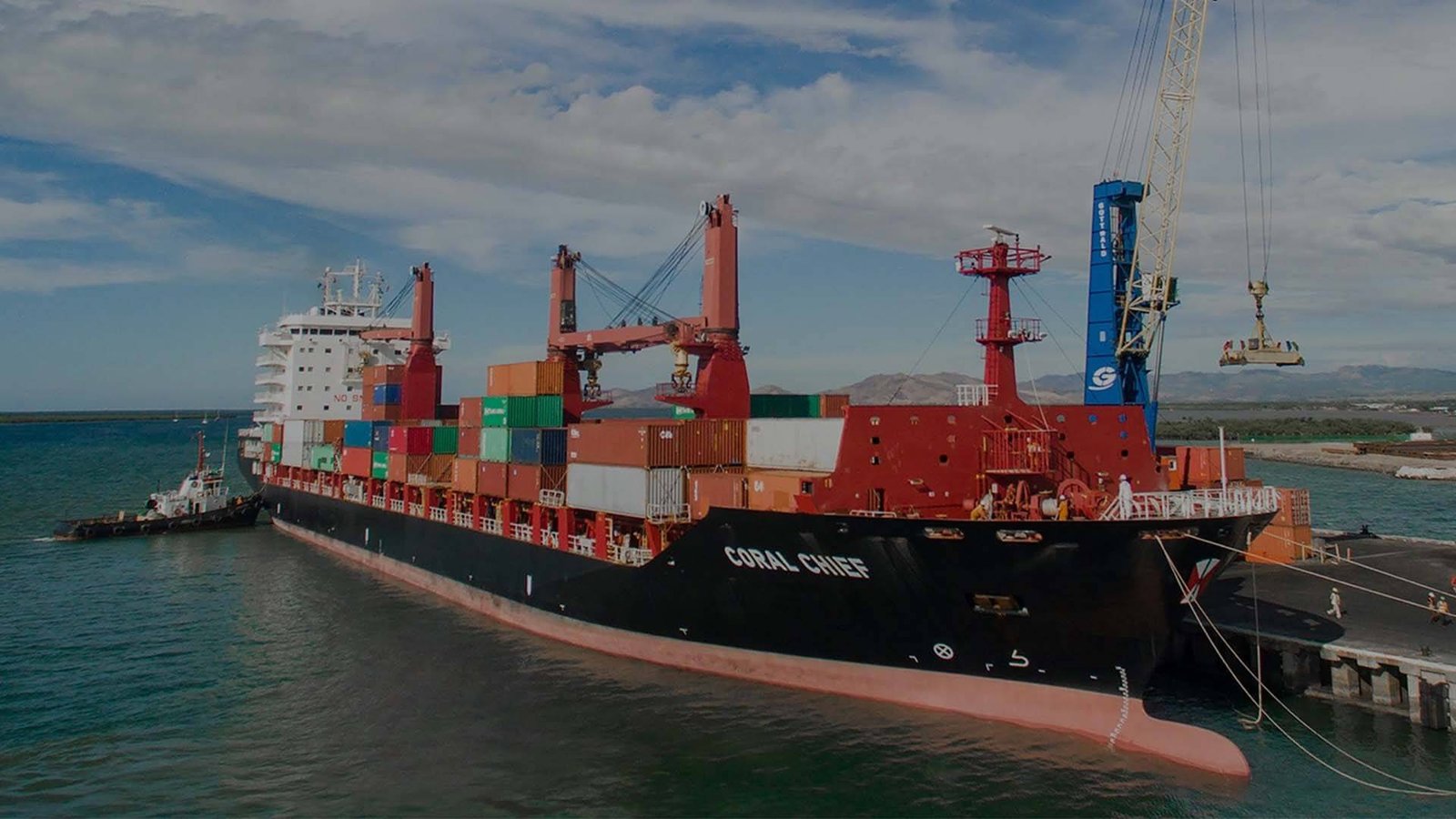
These measures can foster smoother import operations and ensure adherence to regulatory expectations.
Conclusion
Navigating the complexities of importing trademarked goods requires diligence and awareness of compliance responsibilities.
Understanding compliance challenges helps businesses avoid costly mistakes when importing trademarked goods. ↩
Knowing how intellectual property laws impact imports can help businesses protect themselves legally. ↩
Learning about customs enforcement can prevent unauthorized goods from entering the U.S. market. ↩
Recognizing counterfeit goods is crucial to prevent trademark infringement and legal penalties. ↩
Identifying genuine goods ensures compliance and avoids legal issues with trademark owners. ↩
Understanding gray market goods helps importers navigate legal challenges and avoid unauthorized imports. ↩
Familiarity with CBP enforcement flow aids in preparing proper documentation and compliance. ↩
Knowing about parallel imports helps importers avoid legal issues and unauthorized distribution. ↩
Awareness of financial risks helps importers plan for potential costs and avoid operational delays. ↩
Having the right documentation ensures smooth import operations and compliance with customs. ↩
Understanding these terms helps importers prepare for potential customs actions and mitigate risks. ↩
Verifying suppliers ensures authenticity and compliance, reducing the risk of importing unauthorized goods. ↩
Implementing risk prevention strategies ensures compliance and smooth import operations. ↩
Working with customs brokers can streamline import processes and ensure adherence to regulations. ↩