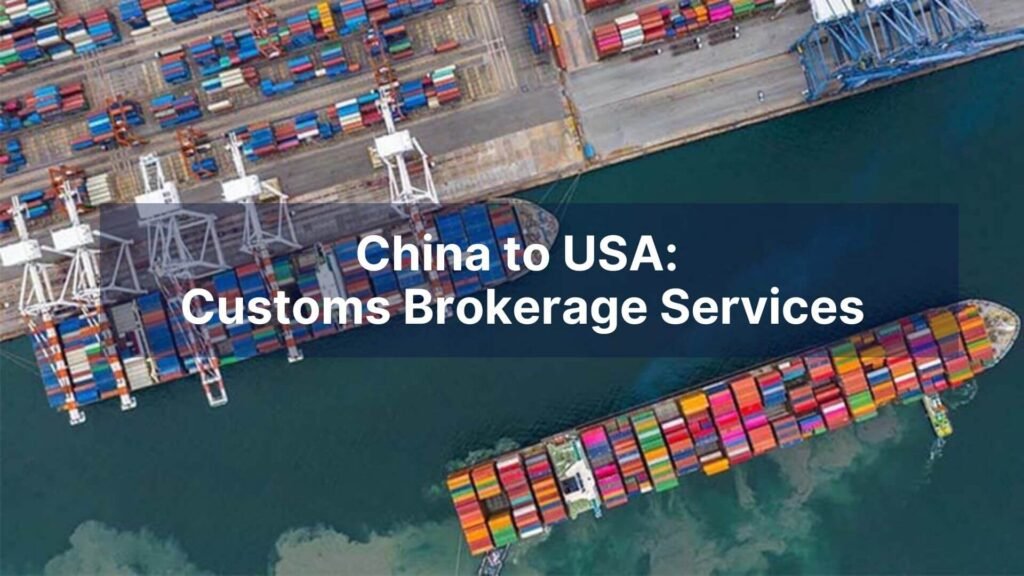
Customs brokerage services1 are vital for U.S. importers dealing with shipments from China. They ensure compliance with regulations and facilitate the smooth movement of goods across borders.
Customs brokerage services1 involve preparing and submitting required documentation, ensuring regulatory compliance, and coordinating with U.S. Customs and Border Protection2 for the release of imported goods. Brokers act on behalf of importers to manage entry filings3, duty calculations4, and communication with government agencies.
Navigating the complexities of customs regulations can be overwhelming. With the right customs brokerage services, you can streamline your import process and avoid potential pitfalls.
What Do Customs Brokerage Services Cover When Importing from China to the USA?
Customs brokerage services1 ensure that your shipments meet U.S. regulations and are cleared without unnecessary delays. These services encompass several critical functions.
Customs brokerage services1 involve preparing and submitting required documentation, ensuring regulatory compliance, and coordinating with U.S. Customs and Border Protection2 for the release of imported goods. Brokers act on behalf of importers to manage entry filings3, duty calculations4, and communication with government agencies.
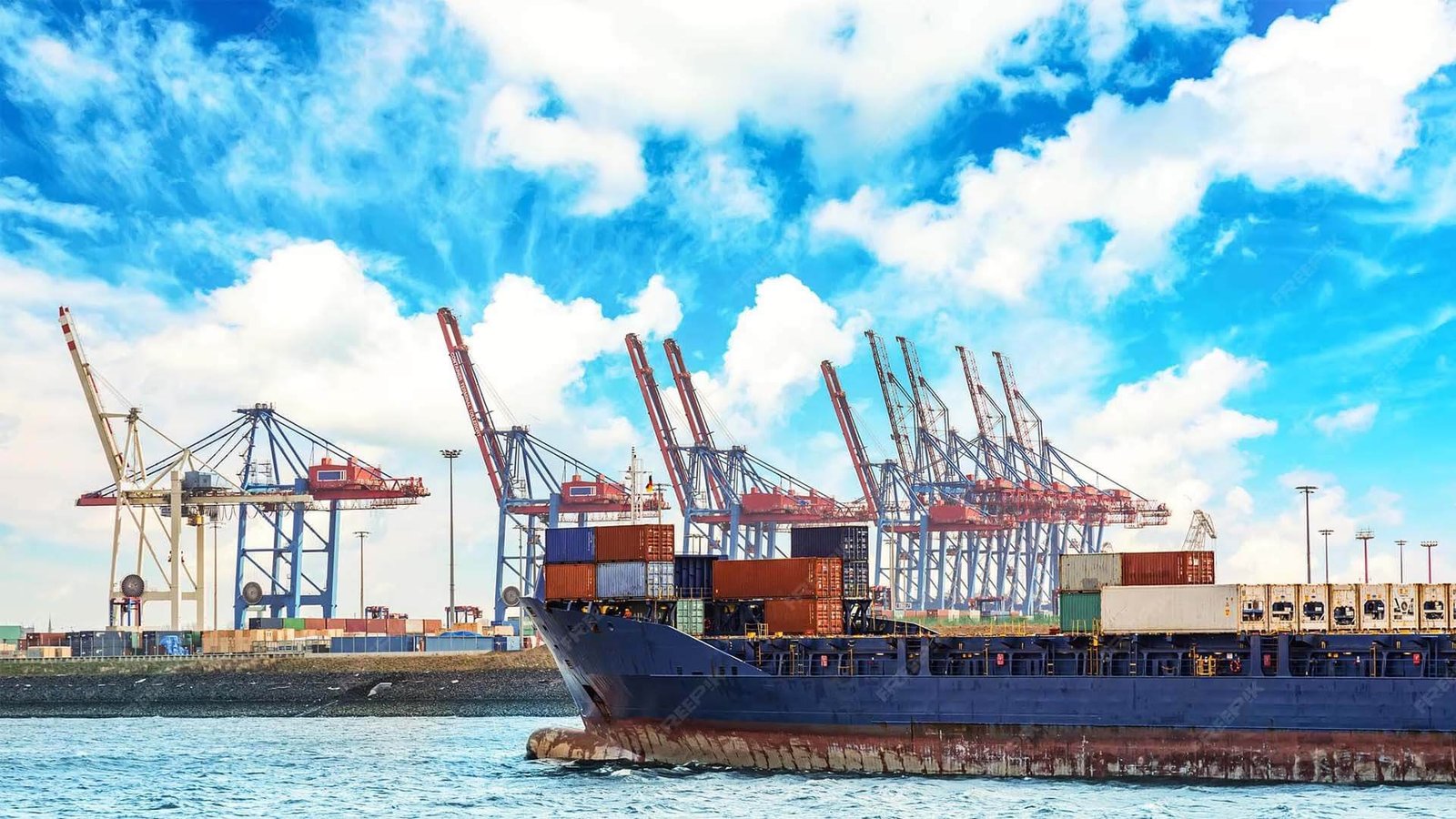
To give you a clearer picture, here’s a breakdown of what these services cover:
- Entry Filing: Brokers prepare and submit the necessary entry forms for your goods.
- Classification and Valuation Review: Accurate classification and valuation5 of goods ensure correct duty assessment.
- Regulatory Coordination: Brokers liaise with CBP and other agencies for compliance.
- Release Processing: They work to get your goods released as quickly as possible.
These elements are essential in ensuring that your import process runs smoothly.
Why U.S. Importers Use Licensed Customs Brokers to Manage Compliance and Risk
Licensed customs brokers6 are crucial in helping U.S. importers navigate the complexities of importing goods. Their expertise can help you avoid costly mistakes.
Licensed customs brokers6 help importers navigate complex regulations, minimize compliance errors7, and manage documentation accuracy. Their expertise reduces the likelihood of customs holds, penalties, and delays.
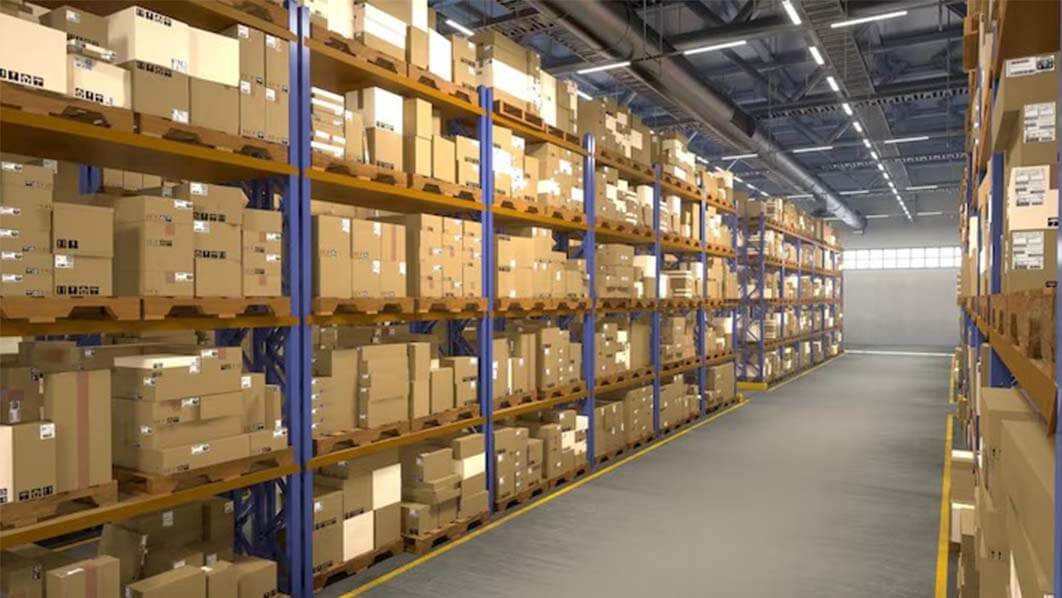
Understanding their role is essential:
- Role of Licensed Brokers: They ensure all paperwork is accurate, reducing errors that could lead to penalties.
- Compliance Risk Reduction: By staying updated on regulations, brokers help mitigate risks related to customs compliance.
- Importance of Professional Review: A thorough review by a broker ensures that your documentation complies with U.S. regulations.
When you engage a licensed customs broker, you gain peace of mind knowing that an expert is handling your compliance needs.
How the Customs Clearance Process Works from Shipment Arrival to Release
The customs clearance process can seem daunting, but understanding it can simplify your operations.
Customs clearance begins when shipment data8 is submitted to CBP and continues through document review, duty assessment, and regulatory checks. Once requirements are satisfied, goods are released for delivery.
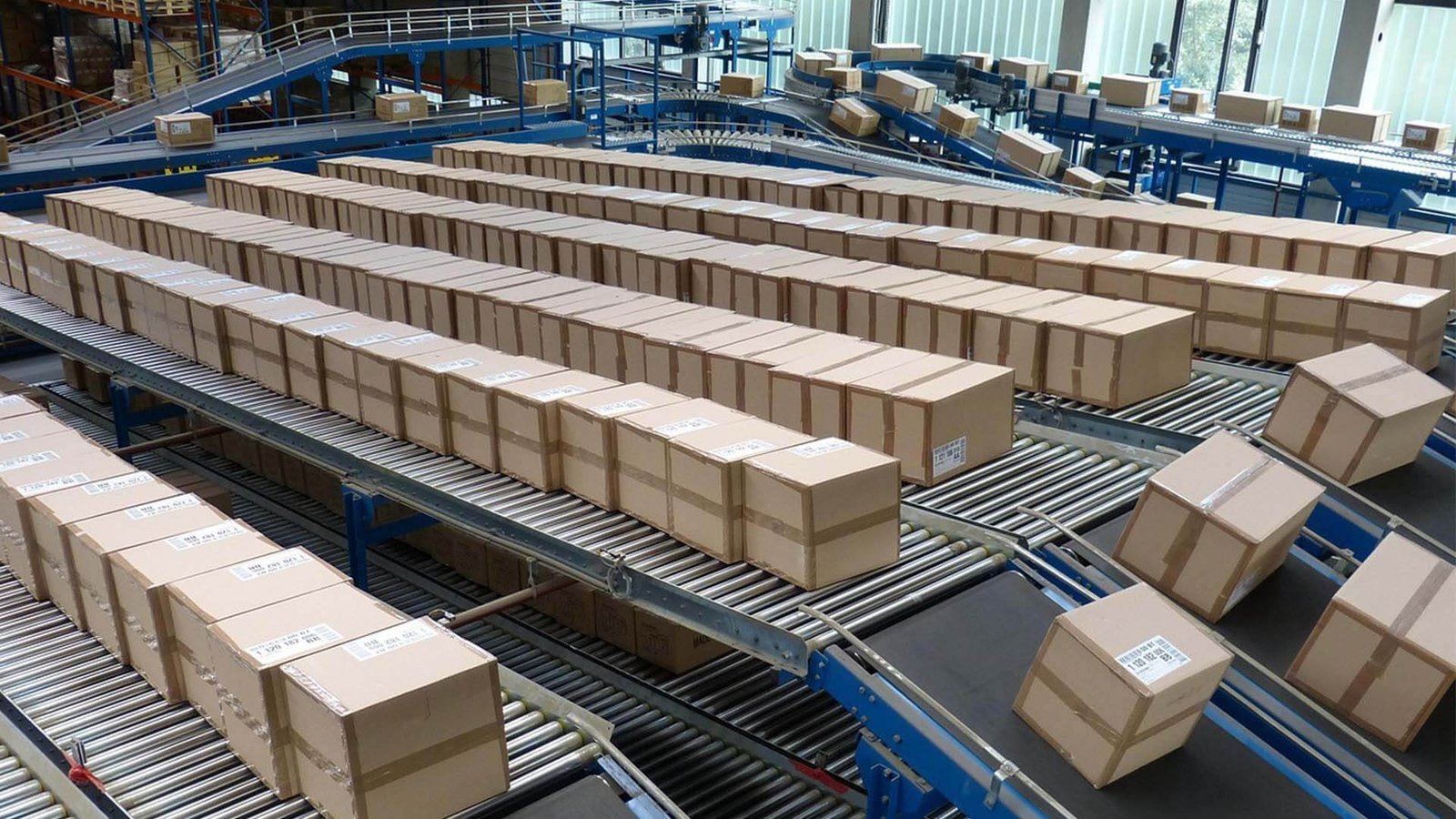
Here’s how the typical customs clearance process flows:
- Shipment Arrival: Your goods arrive at the U.S. port.
- Broker Receives Documents: Brokers collect all necessary documentation.
- Entry Filing: They file the entry with CBP.
- Regulatory Review: CBP reviews the documents for compliance.
- Duty Assessment: Duties are calculated based on classification.
- Release: If everything is in order, goods are released for delivery.
- Delivery: Your goods are transported to their final destination.
Understanding this flow can help you manage expectations and ensure timely delivery.
What Information and Documents Brokers Need to File a Compliant Entry
For a compliant customs entry, brokers need specific information and documents. This ensures everything is filed correctly and efficiently.
Accurate shipment and product data are essential for compliant customs entry. Importers must provide detailed invoices, packing information, and supporting documents to ensure proper classification and valuation5.
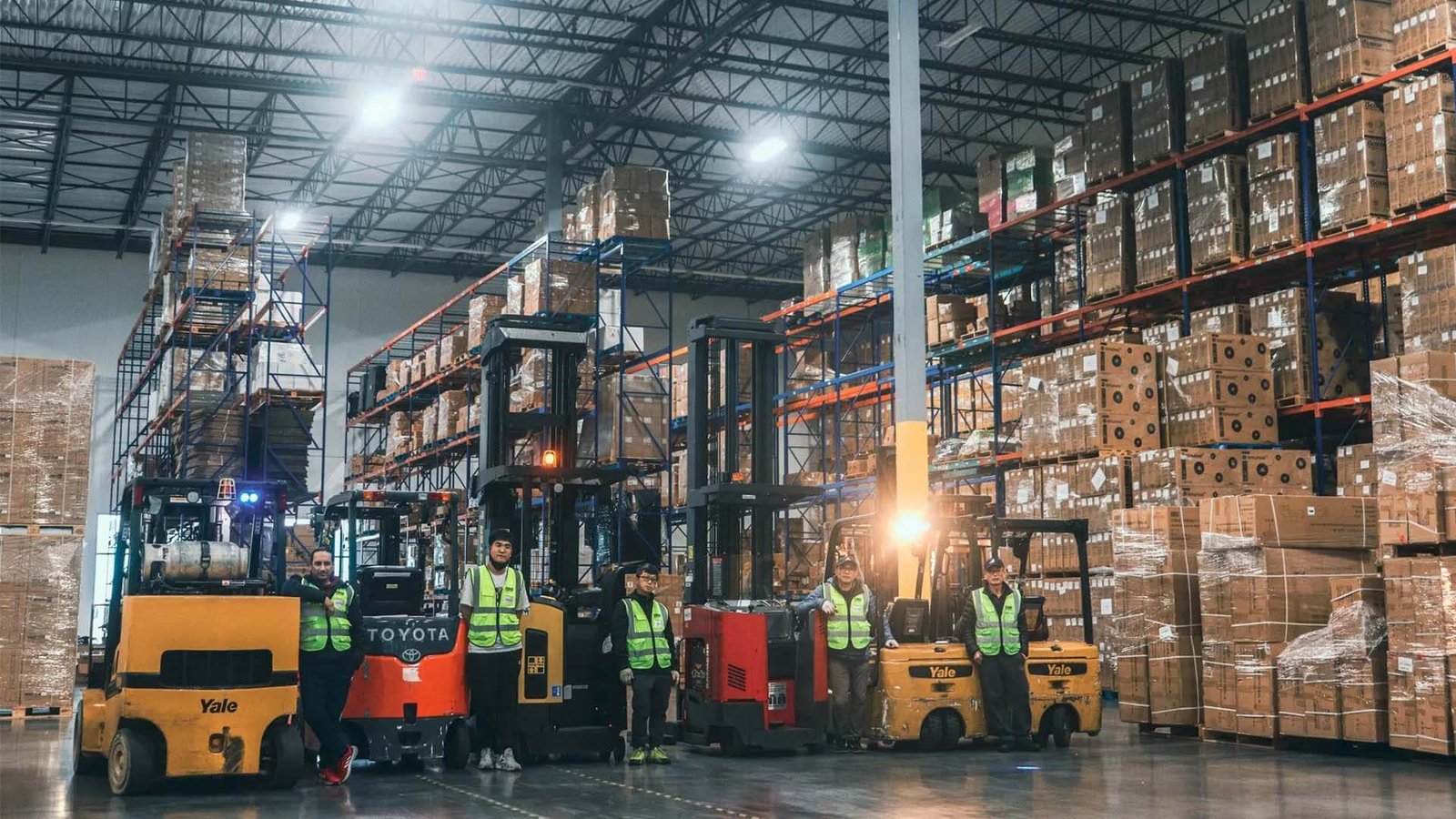
Here’s a checklist of critical documents you should prepare:
| Document | Purpose |
|---|---|
| Commercial Invoice9 | Lists the goods and their values |
| Packing List | Details how the goods are packed |
| Bill of Lading10 | Serves as proof of shipment |
| Importer Information | Identifies the importer |
| Product Descriptions | Provides detailed information on the goods |
Having these documents ready can significantly speed up the clearance process.
How Brokerage Fees, Duties, and Other Import Costs Fit into the Clearance Process
Understanding the costs involved in importing goods is essential. This includes brokerage fees11, duties, and other charges.
Import costs include duties, processing fees, and brokerage service charges. Understanding these elements helps importers forecast total landed cost and plan budgets effectively.
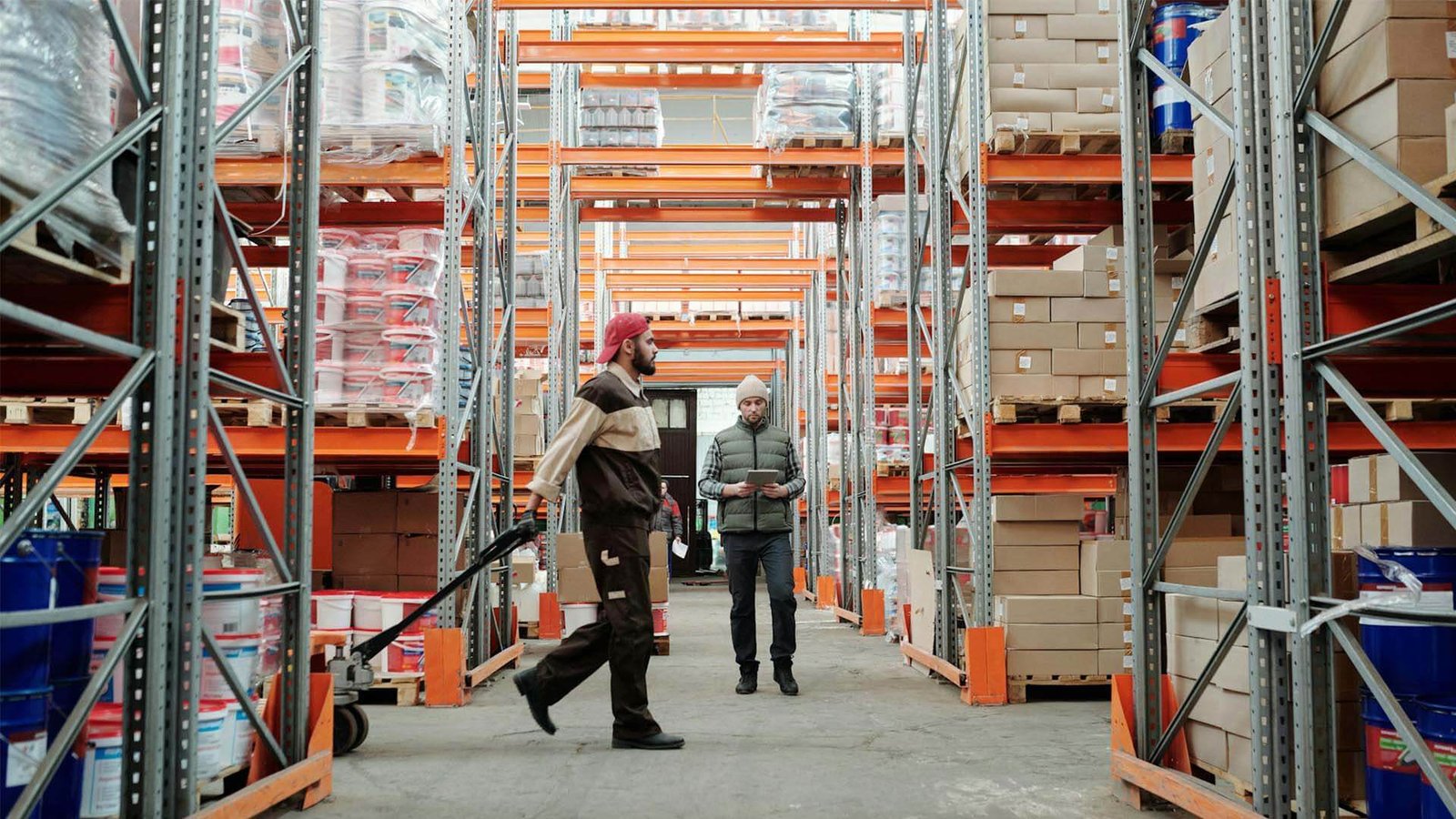
Here’s a breakdown of the typical cost structure:
| Cost Type | Description |
|---|---|
| Duties | Taxes imposed on imported goods |
| Processing Fees | Charges for handling customs paperwork |
| Brokerage Service Fees | Fees for the broker’s services |
Knowing these costs can help you budget effectively for your imports.
How Integrated Brokerage and Freight Coordination12 Prevent Delays and Penalties
Coordination between your customs broker and freight service is vital. It can help avoid delays and ensure compliance.
When brokerage and freight coordination work together, documentation, timing, and compliance align more effectively. Integrated planning reduces the risk of delays and improves shipment visibility13.
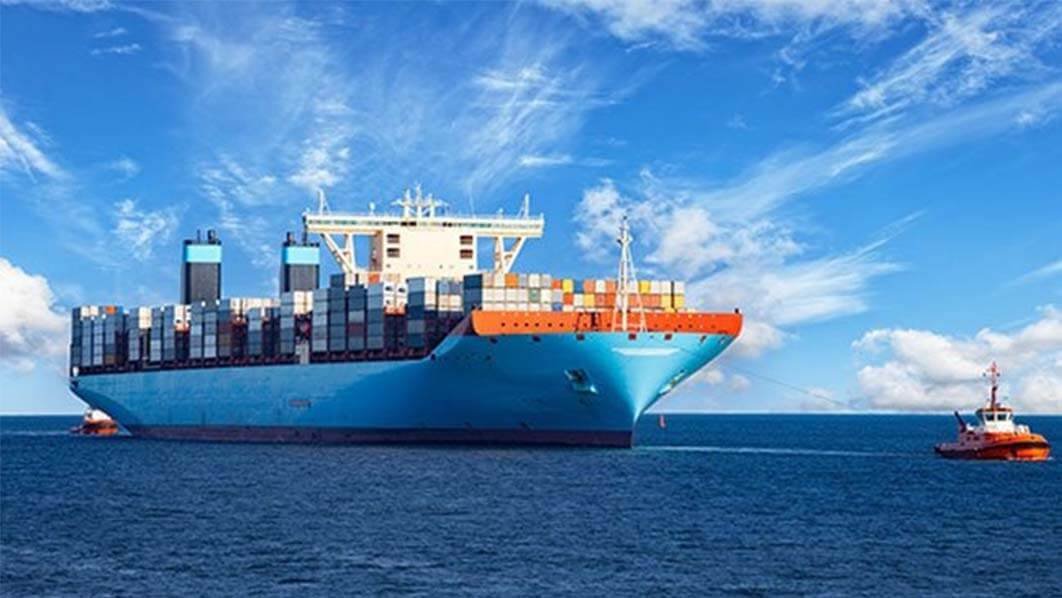
Here’s how the coordination framework looks:
- Importer: Prepares necessary documents.
- Broker Review: Documents are reviewed by the broker.
- Filing: The broker files the entry with customs.
- Freight Coordination: Ensures timely transport of goods.
- Release: Once cleared, the goods are released for delivery.
Effective coordination means fewer headaches for you and smoother operations overall.
Conclusion
Engaging a customs brokerage service ensures compliance and streamlines your import process from China to the USA.
Understanding customs brokerage services can help you streamline your import process and ensure compliance with U.S. regulations. ↩
Learning about the role of U.S. Customs and Border Protection can help you understand the regulatory landscape for importing goods. ↩
Entry filings are crucial for the legal import of goods, and understanding them can prevent delays and penalties. ↩
Knowing how duty calculations are done can help you budget effectively and avoid unexpected costs. ↩
Accurate classification and valuation ensure correct duty assessment, which is vital for cost management. ↩
Licensed customs brokers can help you navigate complex regulations and reduce compliance risks. ↩
Understanding compliance errors can help you avoid costly penalties and ensure smooth customs clearance. ↩
Accurate shipment data is essential for compliance and can speed up the customs clearance process. ↩
A Commercial Invoice is crucial for listing goods and their values, which is necessary for customs clearance. ↩
A Bill of Lading serves as proof of shipment and is essential for the legal transport of goods. ↩
Understanding brokerage fees can help you forecast total landed costs and plan your budget effectively. ↩
Integrated coordination ensures compliance and timely transport, reducing the risk of delays and penalties. ↩
Shipment visibility allows you to track your goods and ensure they are delivered on time, reducing uncertainty. ↩