The “America First” trade policy reshapes how U.S. importers navigate global trade. As a logistics service provider, understanding these changes is crucial for effective operations.
“America First” trade policy emphasizes domestic industry protection1, tariff enforcement2, and stricter trade oversight3. For importers, this approach often translates into increased scrutiny, trade remedy actions4, and evolving duty structures5 that influence sourcing and compliance requirements.
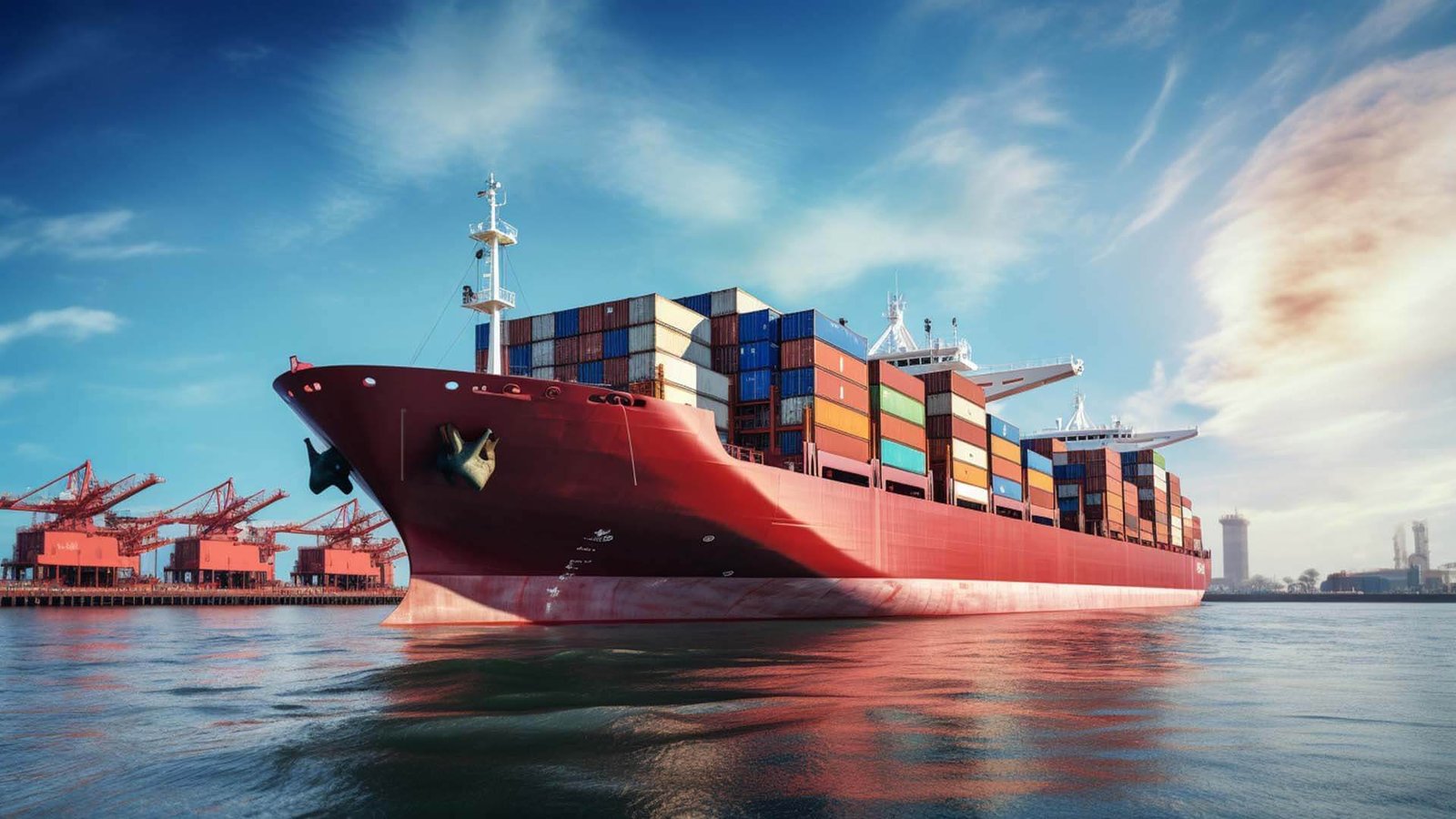
The shifts in trade policy impact everyone involved in import operations. With increasing tariffs and new compliance measures, importers must adapt quickly. Failure to respond could lead to higher costs and compliance risks6.
What Is the “America First” Trade Policy and How Does It Shape U.S. Trade Strategy?
This policy focuses on protecting American industries through tariffs and regulations. The goal is to encourage domestic manufacturing and reduce reliance on foreign goods. This protectionism influences how importers approach their supply chains.
“America First” trade policy emphasizes domestic industry protection1, tariff enforcement2, and stricter trade oversight3. For importers, this approach often translates into increased scrutiny, trade remedy actions4, and evolving duty structures5 that influence sourcing and compliance requirements.
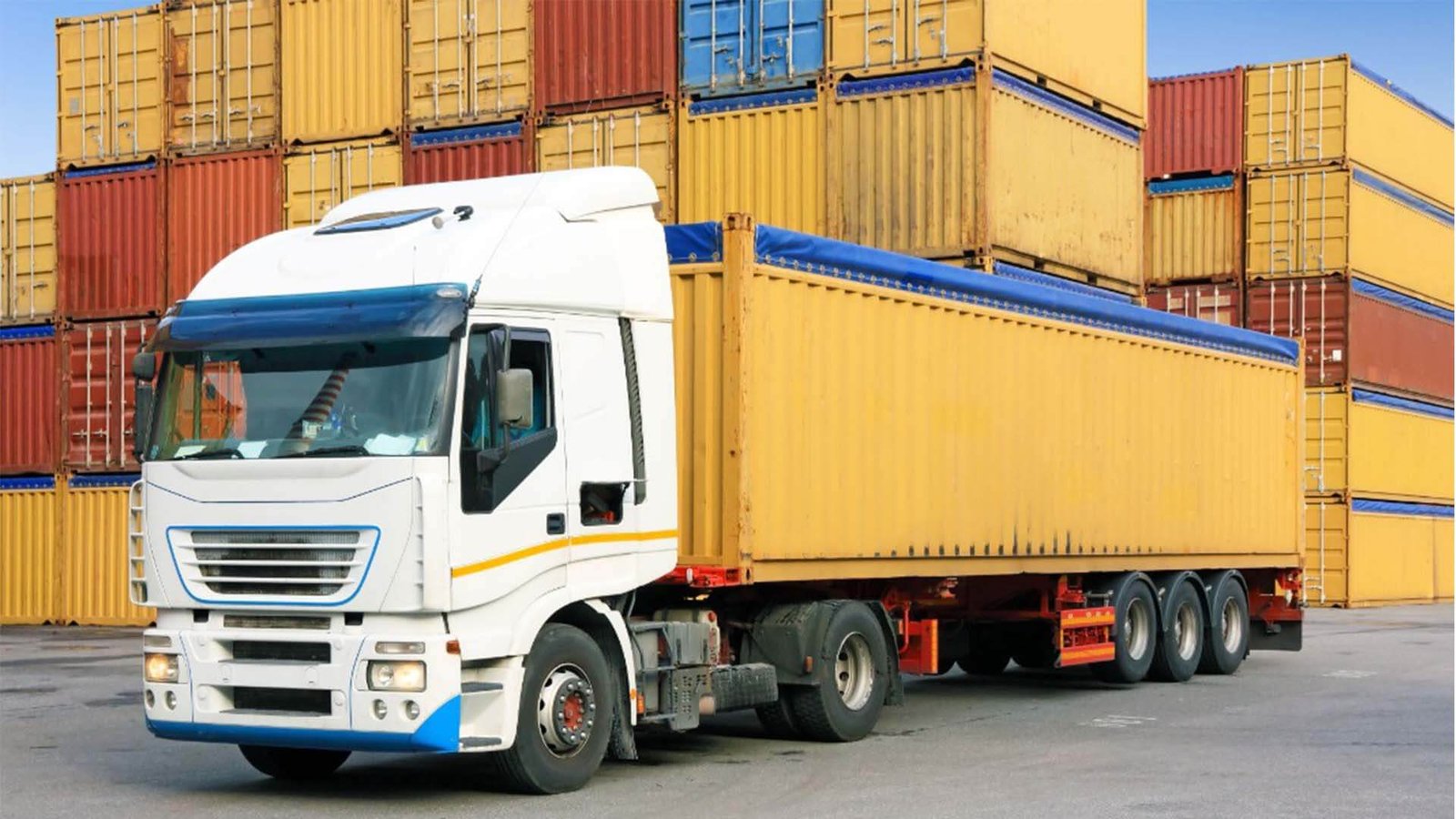
Importers must consider how these policies shape their operations. The focus on protecting domestic industries means that tariffs might increase, affecting the cost structure of imported goods. This creates an environment where careful planning is essential. Importers need to stay informed about new trade measures and their implications.
Key Considerations:
- Domestic Industry Protection: Policies are designed to favor local manufacturers, impacting international sourcing decisions.
- Role of Tariffs and Trade Measures: Increased tariffs can raise the cost of goods, requiring adjustments in pricing strategies.
- Policy Direction and Import Planning: Importers should regularly assess how changes in trade policies might influence their sourcing and logistic strategies.
How Tariffs and Trade Measures Under America First Policies Affect Import Costs
Tariffs directly impact the landed cost7 of imports. When tariffs increase, the financial burden shifts to importers. They must assess their product classifications and trade measures to manage these changes effectively.
Trade policy changes can alter duty exposure for specific products, directly impacting landed cost7. Importers must assess classification accuracy8 and applicable trade measures to manage financial risk.
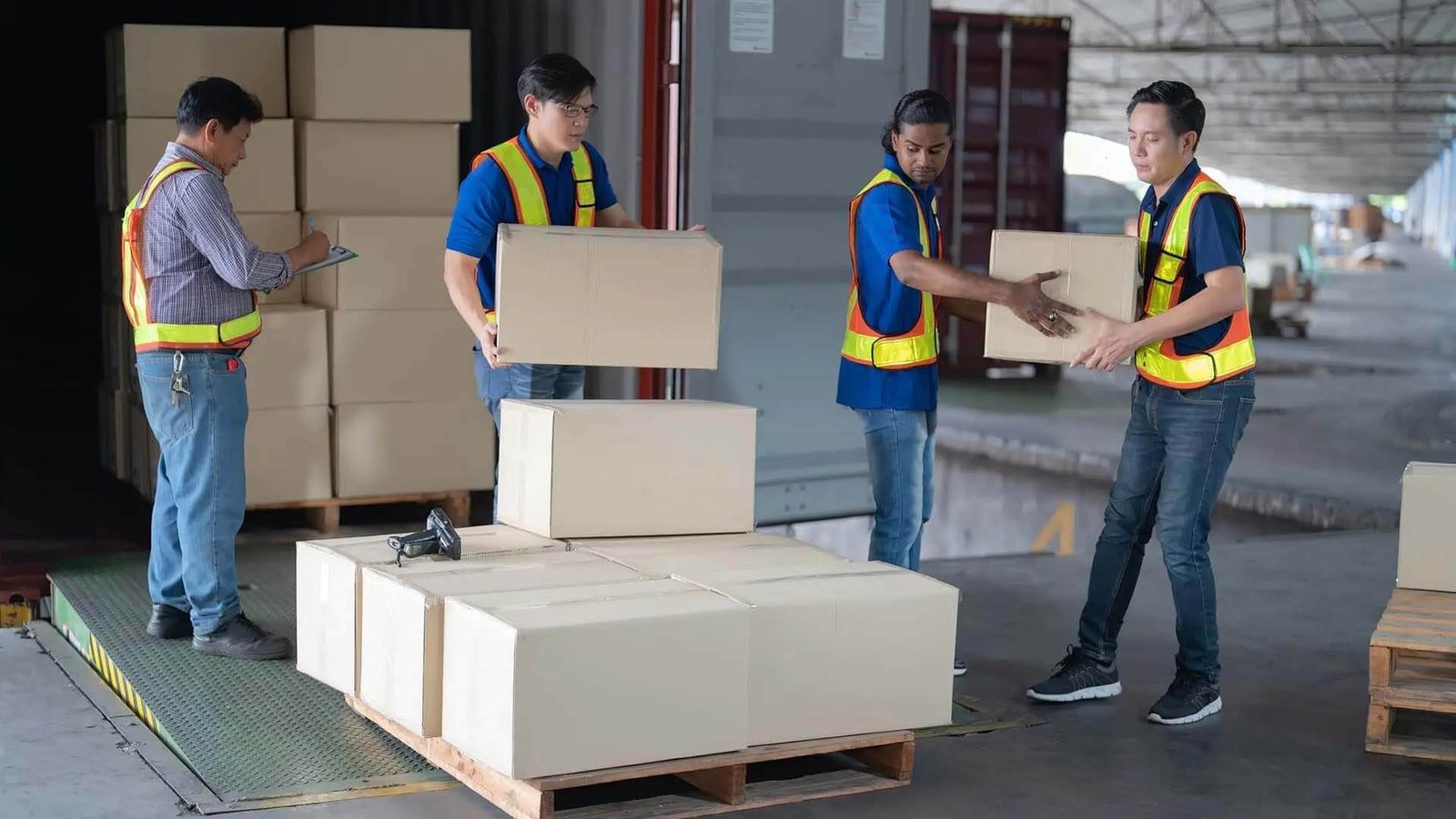
To minimize financial risk, importers must analyze how new tariffs affect their cost structure. This includes a thorough review of product classifications and an understanding of potential duty reassessment9s.
Tariff Impact Table:
| Factor | Importer Impact |
|---|---|
| Tariff increases | Higher landed cost7s, impacting pricing strategy |
| Trade measures | Additional compliance burdens and costs |
| Duty reassessment | Potential for higher duties on imported goods |
| Cost forecasting | Necessity for revised financial projections |
Importers need to be proactive and agile in response to these changes. Understanding the financial implications of tariffs is crucial for maintaining profitability.
How Trade Policy Shifts Influence Sourcing Decisions and Supply Chain Design
Policy shifts often force importers to rethink their sourcing strategies10. Finding suppliers and production locations that minimize duty exposure becomes a priority.
Policy-driven tariff changes often lead importers to reevaluate suppliers, production locations, and logistics routes to maintain cost efficiency and continuity.

Importers should assess their entire supply chain in light of new policies. They may need to diversify suppliers or find alternative production locations to mitigate potential risks associated with tariffs.
Sourcing Decision Framework:
| Consideration | Why It Matters |
|---|---|
| Supplier location | Proximity to market affects shipping costs |
| Duty exposure | Understanding which products are affected |
| Transit routes | Optimize logistics to maintain efficiency |
| Risk diversification | Reduce reliance on single sources or regions |
Adapting sourcing decisions in response to trade policy shifts is key to maintaining a competitive edge. Importers must remain vigilant and flexible.
What Compliance and Documentation Risks Increase During Trade Policy Changes
Changing trade rules can complicate compliance. Importers may face increased scrutiny regarding product classification and documentation.
Changing trade rules can increase the likelihood of classification disputes, origin verification11, and documentation scrutiny12. Accurate records and proactive review reduce enforcement risk.
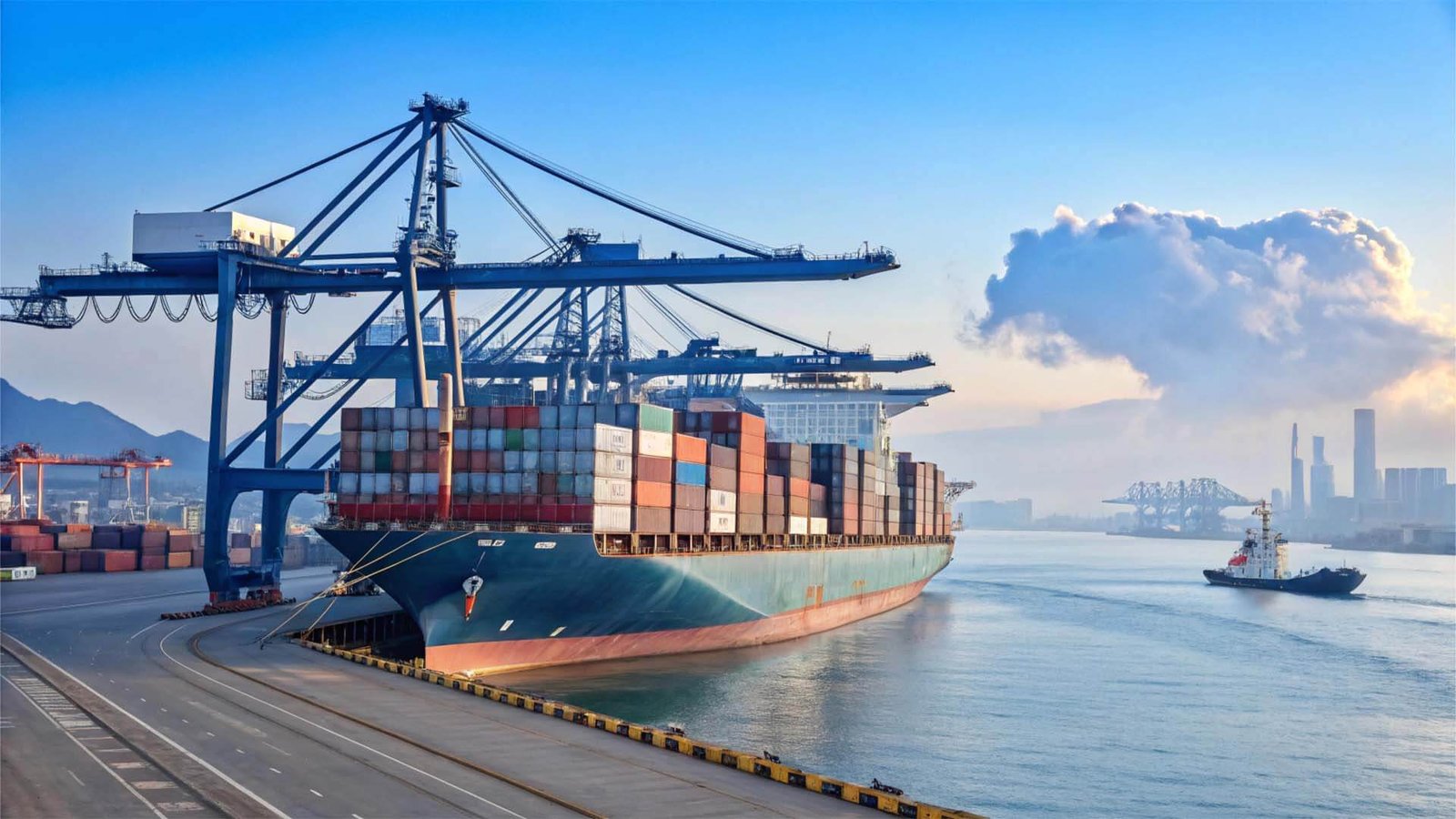
It's essential for importers to keep detailed and accurate records. This includes revisiting classification decisions and ensuring documentation consistency. Regular audits and reviews can help mitigate compliance risks6.
Importance of Compliance Checks:
- Classification Review: Ensure products are classified correctly to avoid penalties.
- Origin Verification: Confirm the country of origin to comply with trade agreements.
- Documentation Consistency: Maintain uniform records to streamline audits and inspections.
By focusing on compliance, importers can safeguard against potential legal and financial repercussions.
How Importers Can Adapt Freight Planning and Routing in a Changing Tariff Environment
Logistics strategies are critical as tariffs and trade policies change. Importers need to rethink their freight planning13 and routing to remain competitive.
Logistics strategies may shift to accommodate new sourcing patterns and duty considerations. Flexible routing and freight planning13 help maintain supply chain resilience.
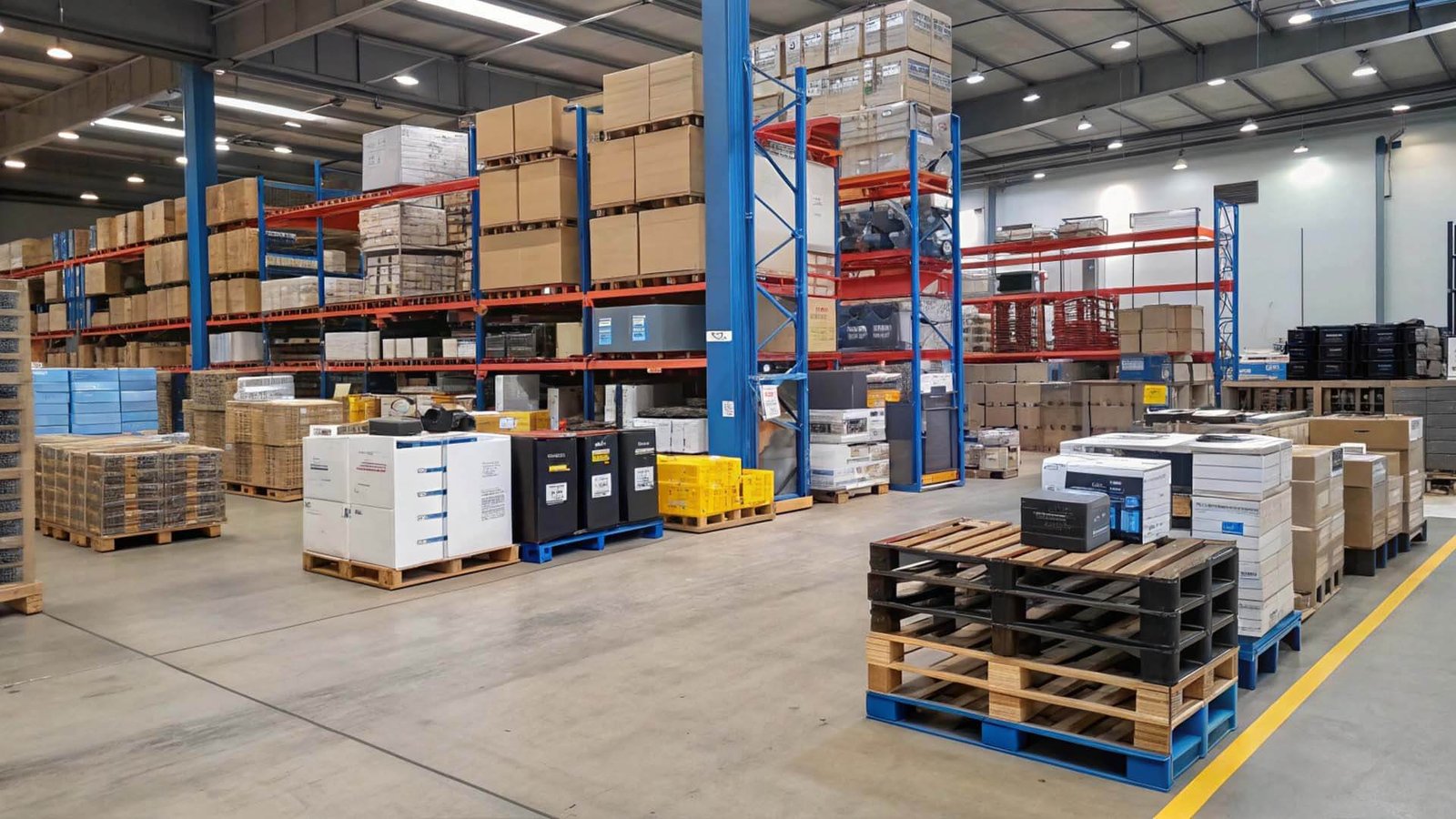
Flexible routing options allow importers to respond quickly to policy changes. This can include adjusting freight modes or planning for lead time changes to ensure timely deliveries while managing costs.
Freight Planning Considerations:
- Alternative Sourcing Routes: Explore routes that may reduce duty exposure or enhance efficiency.
- Freight Mode Adjustments: Analyze whether air, sea, or land freight is most cost-effective under current tariffs.
- Planning for Lead Time Changes: Adjust procurement strategies to accommodate longer transit times if necessary.
A proactive approach in freight planning13 ensures that importers can navigate the complexities of the evolving trade environment.
Why Ongoing Trade Policy Monitoring Is Critical for Importer Risk Management
The trade landscape is constantly evolving. Continuous monitoring allows importers to adapt their strategies in real-time.
Continuous monitoring of trade developments allows importers to anticipate cost changes and adjust procurement strategies. Proactive planning reduces disruption.

Monitoring trade policies helps importers manage risks effectively. It enables them to adjust their operations before changes impact costs or compliance.
Importer Risk Mitigation Checklist:
- Monitor Tariff Updates: Stay informed about changes that could affect costs.
- Review Supplier Exposure: Understand how policies impact your supply base.
- Validate Classification: Regularly check that product classifications are accurate.
- Maintain Documentation Readiness: Ensure all records are complete and accessible for audits.
By focusing on trade policy monitoring14, importers can position their operations for success in a dynamic environment.
Conclusion
Understanding the impact of the “America First” trade policy is essential for U.S. importers to navigate costs and compliance effectively.
Explore how domestic industry protection influences sourcing decisions and affects global trade dynamics. ↩
Learn about the implications of tariff enforcement on import costs and compliance requirements. ↩
Understand how increased trade oversight impacts importers' compliance and operational strategies. ↩
Discover how trade remedy actions can affect importers' sourcing and compliance strategies. ↩
Find out how changes in duty structures impact import costs and sourcing decisions. ↩
Learn about the compliance challenges importers encounter due to evolving trade policies. ↩
Understand how tariffs influence the overall cost structure of imported goods. ↩
Discover the significance of accurate product classification in managing import costs and compliance. ↩
Learn about the process of duty reassessment and its effects on import costs. ↩
Explore how importers adapt their sourcing strategies in response to trade policy changes. ↩
Understand the importance of verifying product origin to comply with trade agreements. ↩
Learn about the challenges importers face in maintaining accurate documentation for compliance. ↩
Discover strategies for adjusting freight planning to navigate tariff changes effectively. ↩
Learn about the importance of continuous trade policy monitoring in managing importer risks. ↩