The landscape of international trade is ever-changing. As we approach 2026, U.S. importers must navigate new tariff updates that could significantly impact their operations.
Tariff updates in 2026 affect duty rates1, sourcing decisions2, and total landed costs3 for many import categories. Changes may involve expanded trade restrictions4, updated duty schedules, and evolving enforcement priorities. Importers must monitor tariff programs closely to avoid unexpected cost increases and supply chain disruptions.

Understanding these changes is critical for businesses. Ignoring tariff updates can lead to unexpected costs and supply chain challenges. In this article, I will break down the key updates and provide insights into how to manage them effectively.
Key U.S. Tariff Changes for 2026 That Directly Impact Import Costs and Supply Chain Decisions?
The evolving trade environment means that U.S. importers face heightened tariff complexities. Awareness of these changes can save companies significant resources and ensure compliance.
Tariff updates in 2026 will include adjustments to duty rates1 and changes in trade restrictions4 that could impact supply chains. Companies must stay informed about these updates to reduce costs and maintain efficient operations.

The shift in tariff policies will undoubtedly affect various aspects of international shipping. Importers should take proactive steps to prepare for these changes. This means revisiting current supplier arrangements and understanding how new duties may alter pricing and sourcing decisions2.
Dive deeper Paragraph: The updates for 2026 will encompass several areas, including adjustments to the Harmonized Tariff Schedule (HTS)5 and potential expansions of Section 301 tariffs6. Importers need to pay close attention to categories like electronics and machinery, where tariffs have been previously high. For instance, specific electronics may see a duty increase, which could lead to higher import costs. Companies should analyze their product lines and adjust their pricing strategies to account for these changes.
Here's a breakdown of some potential changes and their implications:
| Change Area | Potential Impact |
|---|---|
| HTS Adjustments | Increased duty rates1 on specific products |
| Section 301 | Expanded enforcement on targeted imports |
| Trade Restrictions | Broader scope on restricted goods |
How Section 301, AD/CVD, and Reciprocal Tariff Policies Are Shaping Import Duty Exposure?
Section 301 and AD/CVD measures7 are critical elements of U.S. trade policy. Understanding these programs is vital for importers to determine their exposure to duties.
Major tariff programs continue to drive duty risk. Section 301 measures target specific country-origin goods, AD/CVD cases address unfair trade practices, and reciprocal tariff policies8 may introduce additional duty layers. Understanding which programs apply is essential to calculating real duty exposure.
Importers must carefully evaluate which tariff programs affect their goods. This involves assessing the origin of products and understanding the duties that may apply. The complexity of these regulations can be overwhelming, but a clear strategy can mitigate the risks.
Dive deeper Paragraph: The interplay between Section 301, anti-dumping (AD), and countervailing duties (CVD) can create a challenging environment for importers. For instance, Section 301 measures may lead to significantly higher tariffs on specific goods from targeted countries. Similarly, AD/CVD cases can create additional financial burdens for certain products believed to be sold at unfair prices. As seen in recent trends, reciprocal tariffs also aim to balance trade discrepancies, which could further complicate duty calculations. Importers must establish robust internal processes to evaluate these risks continually.
| Program | Purpose | Applies To | Risk Level |
|---|---|---|---|
| Section 301 | Trade enforcement | Targeted country goods | High duty impact |
| AD/CVD | Anti-dumping & subsidies | Specific products | Very high exposure |
| Reciprocal tariffs | Trade balance response | Selected imports | Variable |
Products and Industries Most Affected by 2026 Tariff Updates (Electronics, Machinery, Consumer Goods, and More)?
Certain industries will face heavier burdens due to new tariffs. This reality calls for a deep review of existing business strategies.
Certain sectors face greater tariff pressure due to trade policy focus, including electronics, industrial machinery, consumer goods, and strategic materials. Importers in these industries should reassess sourcing, pricing, and compliance strategies to manage duty volatility.

In 2026, I expect significant shifts in tariffs for electronics, given the ongoing trade tensions. Likewise, consumer goods, especially those sourced from countries facing high tariffs, will require careful evaluation to maintain cost-effectiveness.
Dive deeper Paragraph: The electronics and machinery sectors are particularly vulnerable to tariff changes. For example, importers of consumer electronics should anticipate potential increases in duties, which could arise from heightened scrutiny and enforcement of trade regulations. Similarly, industrial machinery parts that rely on international supply chains may face tariffs that dissuade cost-effective sourcing. To mitigate the impact, businesses must analyze their supply chain and explore alternative sourcing options or even consider investing in domestic production to reduce dependency on foreign imports.
| Sector | Expected Tariff Changes | Action Needed |
|---|---|---|
| Electronics | Increased duties on imports | Review sourcing strategies |
| Machinery | Potential tariff hikes | Evaluate pricing impact |
| Consumer Goods | Greater scrutiny on imports | Adjust compliance measures |
How Importers Can Reduce Tariff Impact Through HTS Optimization, Valuation Strategy, and Trade Programs?
There are proactive strategies importers can adopt to minimize tariff impacts. A focused approach can lead to significant savings.
Duty exposure can often be reduced through correct classification, accurate customs valuation9, and use of trade programs10 where applicable. Strategic review of product descriptions, assists, and origin documentation can help importers avoid overpayment and remain compliant.
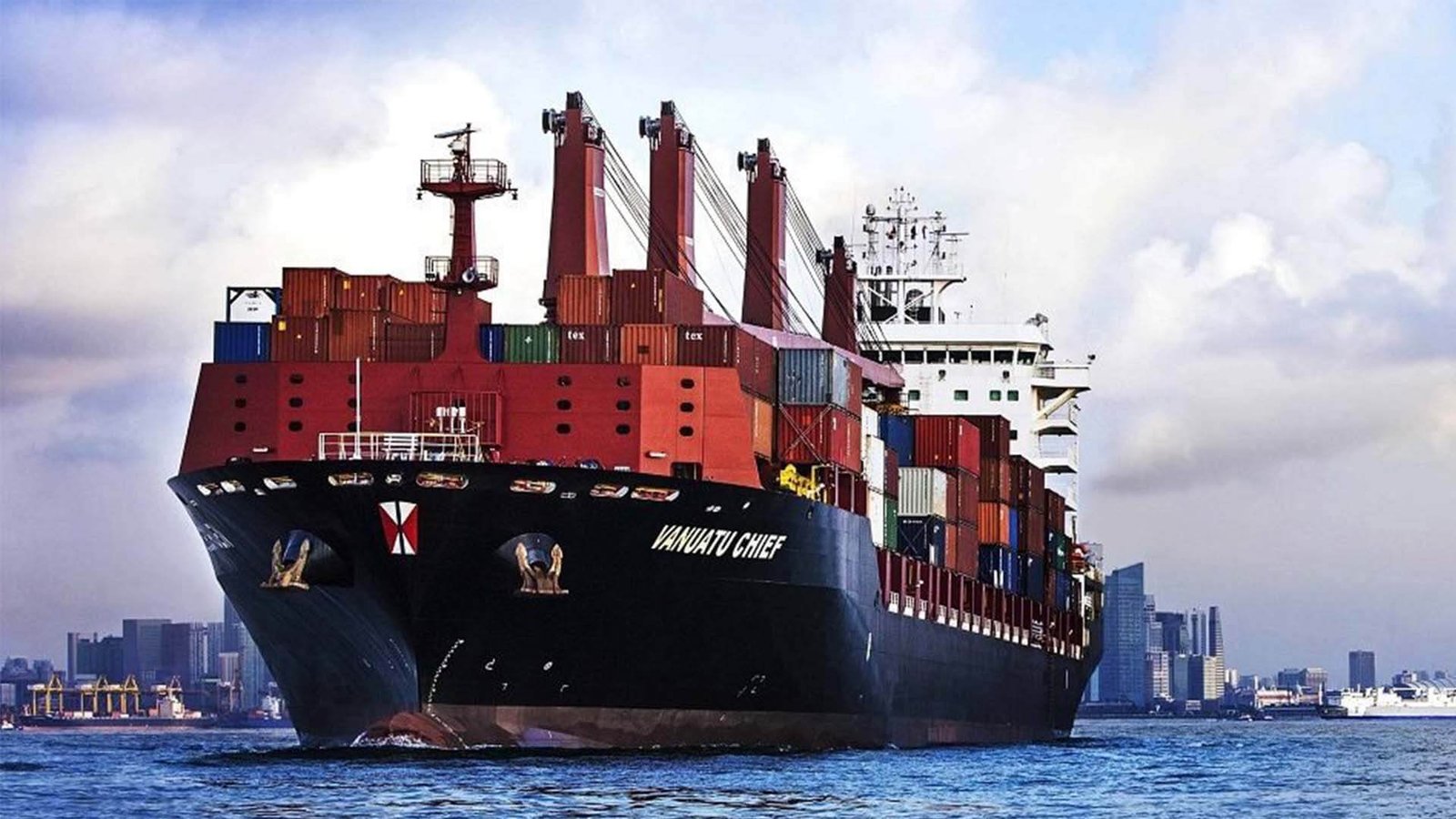
Taking the time to optimize HTS codes and ensure accurate valuations can prevent costly errors. Implementing these strategies can also help in leveraging available trade programs10.
Dive deeper Paragraph: HTS optimization11 is crucial for minimizing duties. The accuracy of product classifications directly impacts the duty rates1 applied. Importers should conduct a thorough classification review to ensure they are using the correct HTS codes. Additionally, businesses should verify their customs valuation9s. Missing assists can lead to underpayment risks, while overvaluing goods can result in paying unnecessarily high duties. Utilizing available trade programs10 like the Generalized System of Preferences (GSP) can offer further reductions in tariff exposure. Regular assessments of product descriptions and documentation are vital to navigating the complexities of compliance.
| Strategy | Purpose | Risk If Misused |
|---|---|---|
| HTS optimization11 | Correct classification | Audit risk |
| Valuation review | Accurate duty base | Penalties |
| Trade program use | Duty reduction | Eligibility checks |
Compliance Risks in a Changing Tariff Environment: Misclassification, Country of Origin Errors, and Audit Triggers?
With the changing tariff landscape, compliance risks are on the rise. Importers must be vigilant to avoid pitfalls.
As tariffs evolve, CBP enforcement12 often increases. Common risks include incorrect HTS codes, misdeclared country of origin, and inconsistent documentation. These errors can trigger audits, reclassification, and duty reassessments.
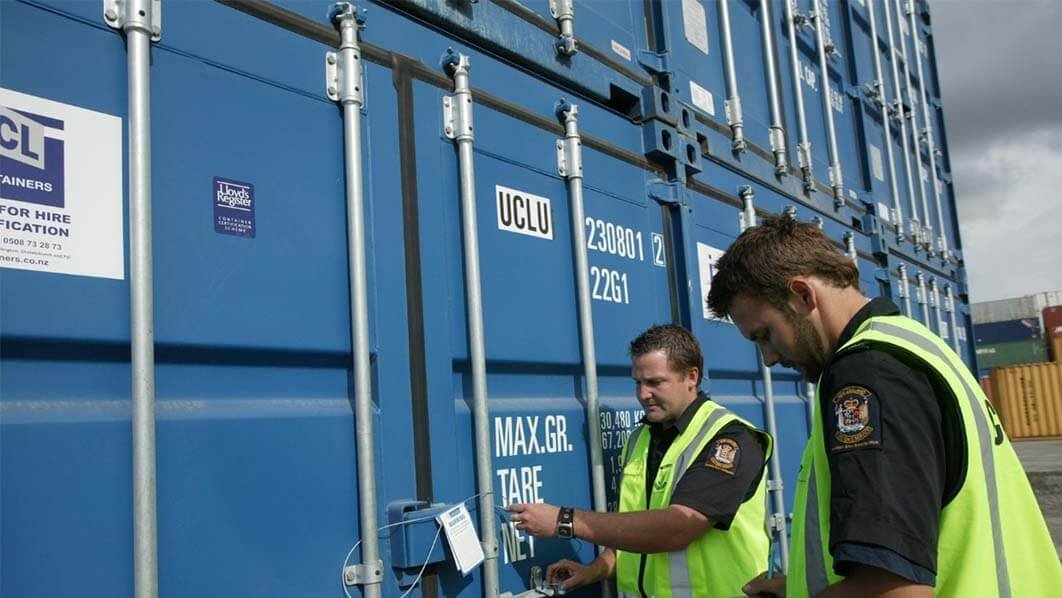
Misclassifying goods or failing to accurately declare the country of origin can lead to serious repercussions. These errors can result in costly audits and penalties.
Dive deeper Paragraph: The growing scrutiny from U.S. Customs and Border Protection (CBP) makes compliance more vital than ever. Misclassifying products can lead to incorrect duty assessments, resulting in fines and potential audits. Additionally, failing to accurately declare the country of origin can lead to tariff misapplication, which could incur additional duties. With the risk of audits increasing, importers need to establish robust compliance protocols. This includes regular training for staff on the latest tariff regulations and implementing thorough documentation practices to support the accuracy of customs entries.
End-to-End Tariff Planning Workflow: Supplier Sourcing → Classification Review → Entry Filing → Post-Entry Monitoring?
A systematic approach to tariff planning can help mitigate risks associated with tariff changes.
A structured tariff planning workflow helps importers assess duty exposure before shipment, ensure correct entry filing, and monitor post-entry adjustments. Coordinated broker and compliance review supports long-term risk management.
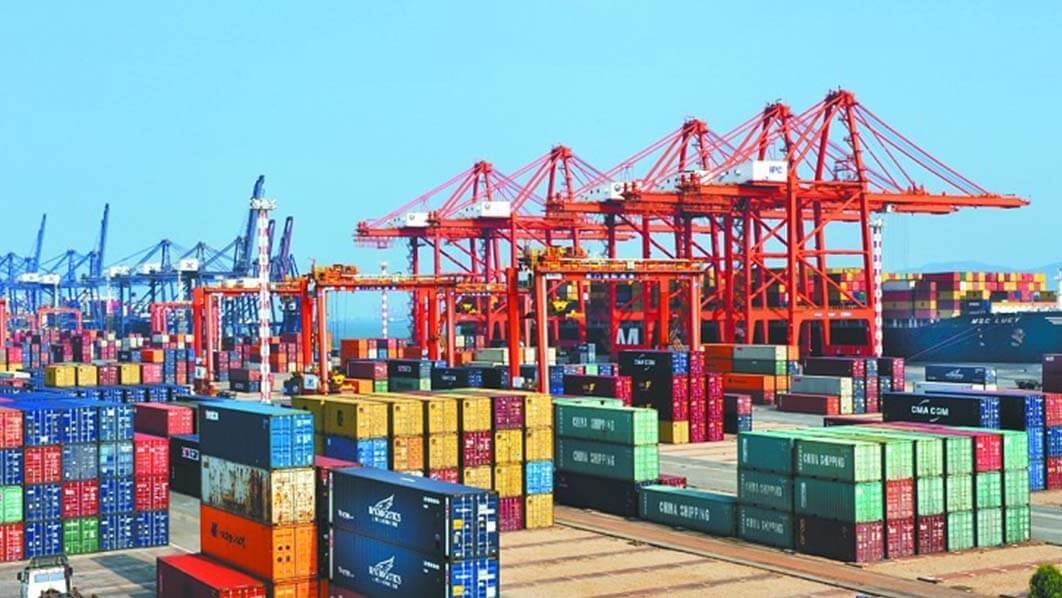
Importers should have a clear process for managing tariff risks that spans from supplier selection all the way to post-entry monitoring. This ensures compliance and helps manage costs effectively.
Dive deeper Paragraph: A well-defined end-to-end tariff planning workflow13 is essential for importers to navigate the complexities of changing tariffs. It starts with supplier sourcing, where importers must identify reliable partners and sources. Next, a thorough classification review ensures that each product is accurately classified under the appropriate HTS code. Following this, timely and accurate entry filing is critical to avoid delays and penalties. Finally, implementing a post-entry monitoring system allows importers to adjust to any changes in tariff rates or compliance requirements. This end-to-end approach not only enhances compliance but also enables businesses to respond swiftly to any emerging risks.
Conclusion
As we move toward 2026, staying informed about tariff updates is crucial for importers to manage costs and compliance effectively.
Duty rates directly affect the cost of importing goods, and knowing the changes can help businesses budget and strategize effectively. ↩
Sourcing decisions are impacted by tariffs, and exploring this can help businesses optimize their supply chain strategies. ↩
Total landed costs determine the final price of imported goods, and understanding this impact is vital for pricing strategies. ↩
Trade restrictions can limit the availability of goods and affect supply chains, making it essential to stay informed. ↩
Changes in HTS can affect duty rates and classifications, impacting import costs and compliance requirements. ↩
Section 301 tariffs target specific countries and goods, and understanding these changes can help manage duty exposure. ↩
AD/CVD measures address unfair trade practices, and understanding them is key to managing duty risks. ↩
Reciprocal tariffs aim to balance trade discrepancies, affecting duty calculations and import costs. ↩
Accurate customs valuation prevents overpayment and ensures compliance, reducing financial risks. ↩
Trade programs offer duty reductions and benefits, helping importers manage costs effectively. ↩
Optimizing HTS codes can minimize duties and ensure compliance, leading to significant cost savings. ↩
CBP enforcement increases compliance risks, and understanding its impact can help avoid penalties. ↩
A structured workflow helps manage tariff risks and ensures compliance from sourcing to post-entry monitoring. ↩