The world of customs classification can be complicated and confusing for importers. Understanding it can save you time and money, but many overlook the importance of tariff classification rulings1.
A tariff classification ruling is an official determination by customs authorities on how a product is classified under the tariff schedule. It provides legal guidance importers can rely on2 when declaring goods, helping ensure consistent duty treatment and reducing uncertainty during customs review.
Navigating tariff classifications isn’t just about filling out forms. It’s about protecting your business from potential penalties and ensuring a smooth import operation.
What a Tariff Classification Ruling Is and How It Provides Legal Certainty for Importers?
The complexity of tariffs often leaves importers in a bind. A tariff classification ruling can be your lifeline. This official classification provides legal certainty. Without it, you might be guessing about how your product will be treated at customs. This uncertainty can lead to unexpected costs.
A tariff classification ruling is an official determination by customs authorities on how a product is classified under the tariff schedule. It provides legal guidance importers can rely on2 when declaring goods, helping ensure consistent duty treatment and reducing uncertainty during customs review.
Understanding how a tariff classification ruling works is essential. When you receive one, you know exactly how your product fits into the tariff schedule. This clarity helps you avoid overpaying duties or missing out on trade benefits.
When Importers Should Request a Binding Ruling Instead of Relying on Assumptions?
Every importer faces situations where they must decide whether to request a binding ruling. Understanding when to seek this ruling can save you headaches later on.
Importers should seek a ruling when products are technically complex, multi-functional, newly developed, or frequently questioned by customs. Relying solely on assumptions increases the risk of reclassification, duty reassessment, or audits.
| Approach | Advantage | Risk Level |
|---|---|---|
| Binding ruling | Legal certainty | Lower |
| Self-classification | Faster initial process | Higher audit exposure |
Importers often feel pressured to move quickly. However, quick decisions can be harmful. If you're unsure about your product's classification, seeking a binding ruling instead of rushing the process is worth it. It may take longer, but you’ll gain legal certainty.
How Classification Rulings Affect Duty Rates, Trade Programs, and Tariff Exposure?
Understanding the impact of classification rulings can significantly affect your bottom line. It’s not just about compliance; it's also about dollars and cents.
Classification determines duty rates, eligibility for trade programs, and exposure to additional tariff measures. A ruling clarifies how a product fits within the tariff schedule, helping importers assess total landed cost and compliance obligations.
Tariff classifications can either save you money or cost you dearly. Knowing how your product is classified allows you to take advantage of trade programs. It can also reduce your exposure to unforeseen tariffs.
Information and Product Details Required to Obtain an Accurate Ruling
Getting an accurate ruling is crucial, but it requires detailed information. Without it, your ruling may be delayed or incorrect.
Ruling requests typically require detailed product descriptions, technical specifications3, composition data, photos, and sometimes samples. Incomplete or vague submissions can delay the process or result in less precise determinations.
| Information Needed | Purpose |
|---|---|
| Product description4 | Identify tariff heading |
| Technical specs | Functional analysis |
| Composition/materials | Classification accuracy |
| Images or samples | Visual confirmation |
Think of it this way: the more complete and accurate your submission, the better the ruling you will receive. It’s essential to gather everything needed upfront to avoid unnecessary delays.
Common Classification Mistakes5 That Lead to Penalties, Reclassification, or Audits
Many importers find themselves in trouble due to common mistakes. Being aware of these can help you stay compliant.
Frequent issues include oversimplified product descriptions, failure to update classifications after product changes, and inconsistent use of tariff numbers across entries. These mistakes can lead to duty adjustments and increased scrutiny.
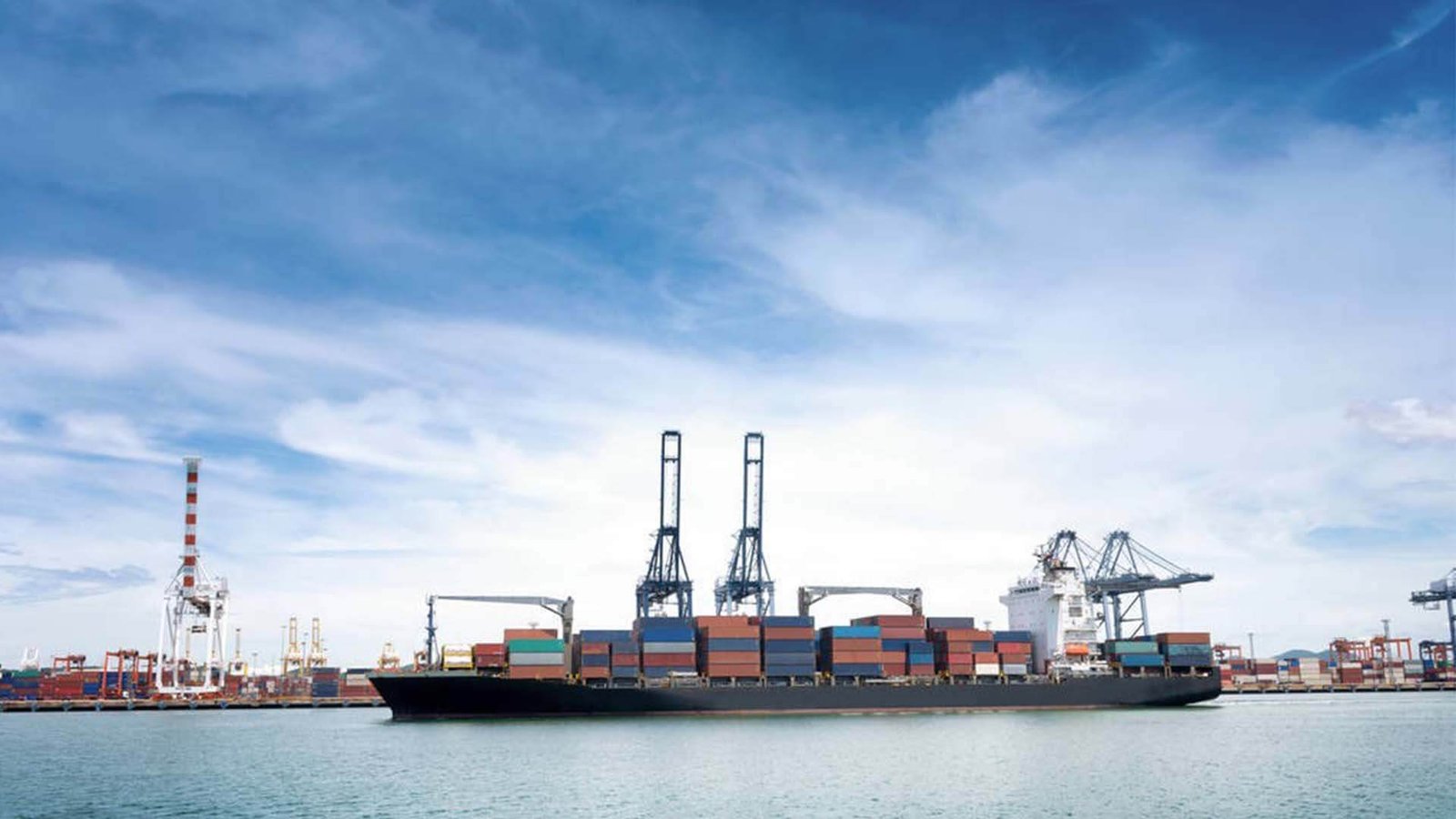
Importers often overlook how crucial accurate descriptions are. Failing to adjust classifications after changes in product design can lead to severe penalties. It is vital to keep your information updated to avoid complications.
Classification Workflow6: Product Review → Technical Analysis → Ruling Request → Entry Filing → Post-Entry Monitoring
Having a structured workflow can make the classification process less daunting. Each step plays a crucial role in maintaining compliance.
A structured classification process ensures products are reviewed technically, rulings are obtained when needed, and entry filings remain consistent. Ongoing monitoring helps address changes in product design or tariff interpretation.

Workflow Diagram:
- Product Evaluation
- Technical Data Review
- Ruling Application
- Official Determination
- Entry Filing
- Ongoing Compliance Monitoring7
Following this workflow reduces the chances of errors and ensures you remain compliant with customs regulations.
Conclusion
Understanding tariff classification rulings1 is essential for minimizing risks and optimizing import operations.
Exploring this topic can help importers understand how to legally classify their products, ensuring consistent duty treatment and reducing customs uncertainty. ↩
Understanding the legal guidance provided by these rulings can help importers avoid penalties and ensure smooth import operations. ↩
Technical specifications are crucial for accurate classification, helping importers avoid incorrect duty assessments and compliance issues. ↩
A detailed product description is essential for identifying the correct tariff heading, ensuring accurate classification and compliance. ↩
Understanding these mistakes can help importers stay compliant and avoid costly penalties or reclassification issues. ↩
Learning about the workflow can help importers streamline their classification process, reducing errors and maintaining compliance. ↩
Ongoing monitoring helps importers address changes in product design or tariff interpretation, ensuring continued compliance and avoiding penalties. ↩