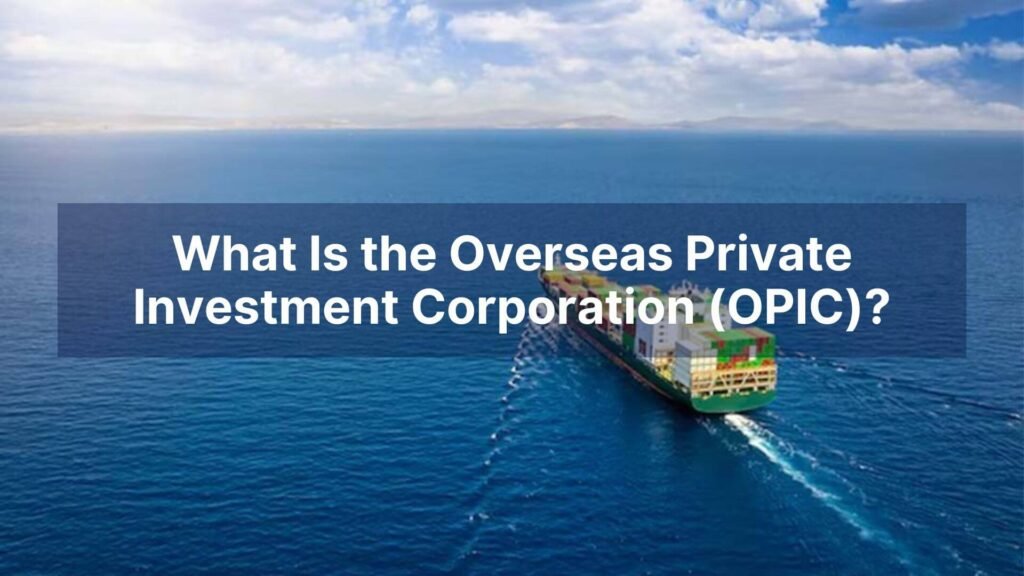
The Overseas Private Investment Corporation1 (OPIC) played a crucial role in supporting U.S. businesses in foreign markets. Its programs were designed to protect against the inherent risks of international investments.
OPIC was a U.S. government agency that supported American businesses investing in emerging markets2 by offering financing, political risk insurance3, and investment guarantees4. Its goal was to encourage overseas development while reducing risks that could disrupt international operations.

As we explore the history and function of OPIC, it’s essential to understand the context in which it operated. The agency's mission was to foster U.S. business interests abroad while simultaneously contributing to economic development5 in emerging markets2. However, many businesses faced challenges, and OPIC aimed to mitigate those issues effectively.
What the Overseas Private Investment Corporation1 (OPIC) Was and Its Role in Supporting U.S. Overseas Business Activities?
The primary purpose of OPIC was to encourage American companies to invest in developing countries. This involved providing financial support and insurance against various risks. By doing this, OPIC enabled American businesses to establish a foothold in emerging markets2.
OPIC was a U.S. government agency that supported American businesses investing in emerging markets2 by offering financing, political risk insurance3, and investment guarantees4. Its goal was to encourage overseas development while reducing risks that could disrupt international operations.
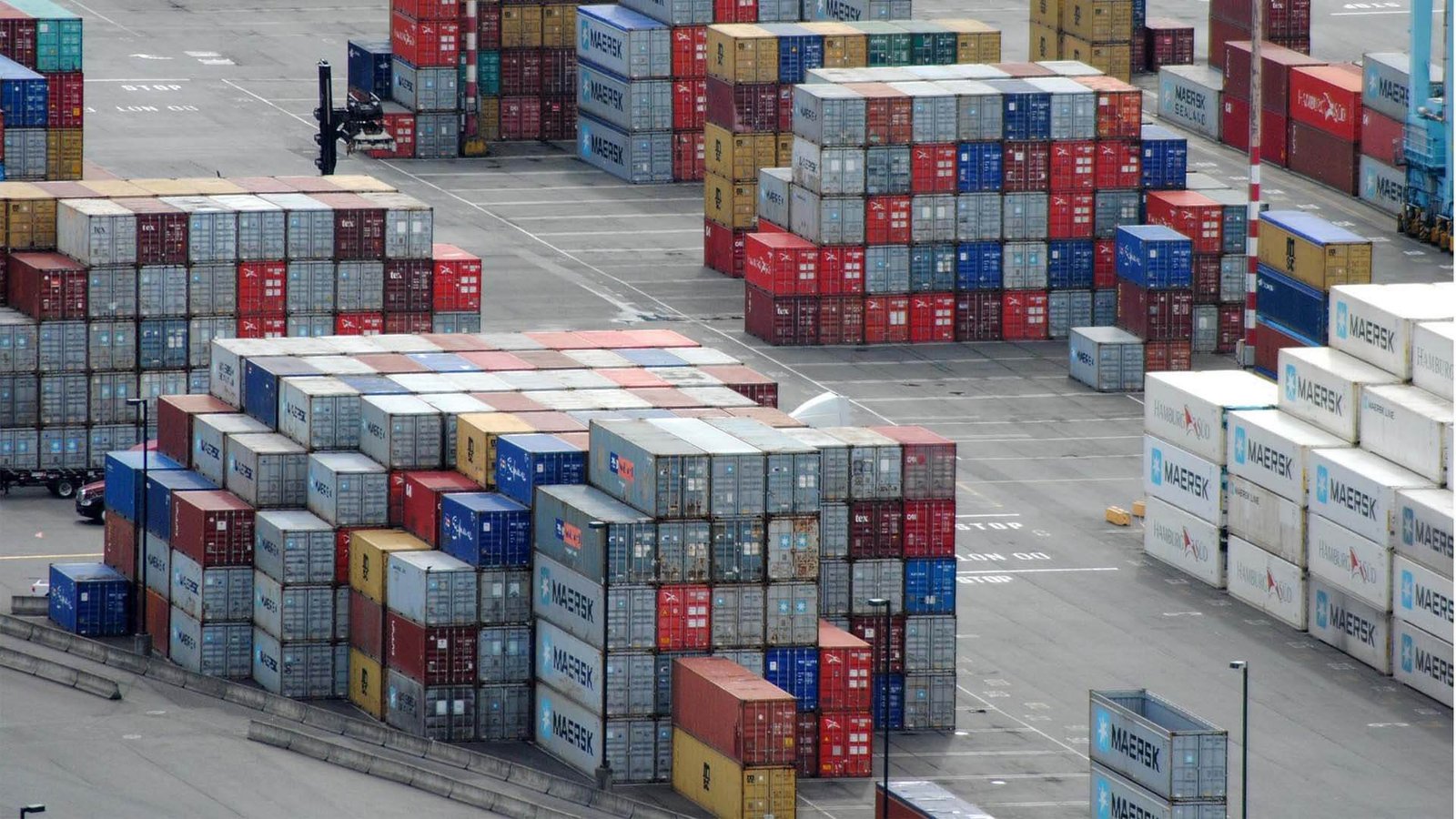
Many companies were hesitant to invest in these regions due to fears of political instability6, economic uncertainty, and other risks. OPIC offered solutions to these problems by providing coverage and support. The agency played an essential role in creating a favorable environment for U.S. businesses looking to expand their operations internationally.
OPIC’s Key Offerings
- Financing Options: OPIC provided loans and investment guarantees4 to help businesses secure the necessary funding.
- Political Risk Insurance: This insurance offered protection against losses resulting from political events, such as expropriation or civil unrest.
- Investment Guarantees: OPIC assured investors that their investments would be protected against various types of risks.
How OPIC Programs Helped Reduce Political Risk and Protect International Investments?
Political risk is a significant concern for businesses operating overseas. OPIC recognized this issue and offered various programs to help mitigate these risks for U.S. companies.
OPIC programs helped mitigate risks such as political instability6, expropriation, currency inconvertibility7, and conflict. These protections enabled U.S. companies to operate abroad with greater confidence and stability.
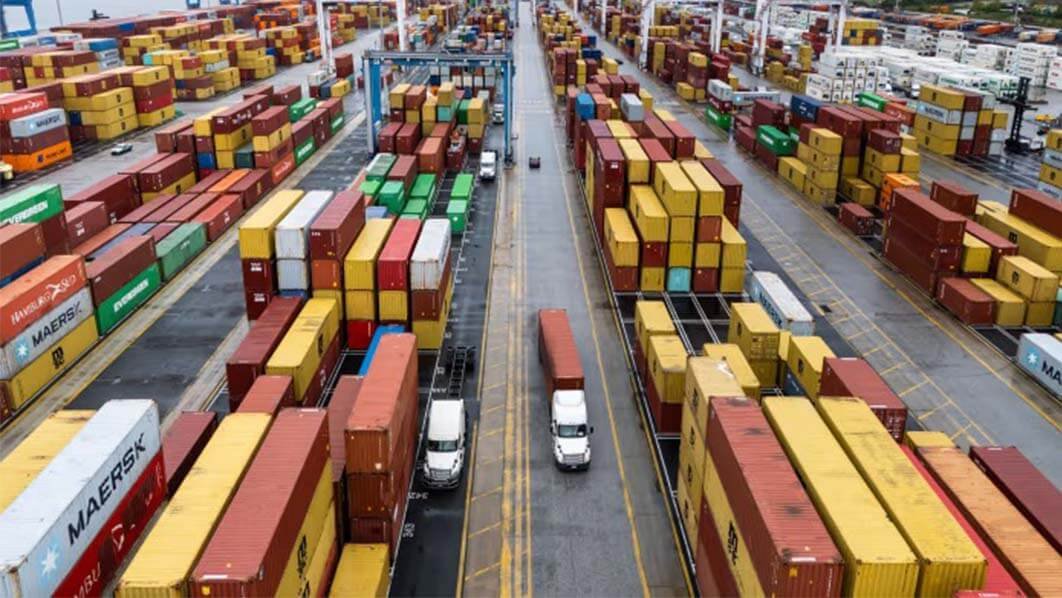
To understand the types of risks that OPIC covered, let’s examine some examples:
| Risk Type | Example Impact |
|---|---|
| Expropriation | Government asset seizure |
| Political violence | Facility disruption |
| Currency restrictions | Payment transfer issues |
These protections were crucial for companies like Mark's, who sought reliable ways to navigate the complexities of international trade. Without these resources, many businesses would be unable to explore new markets.
The Transition from OPIC to the U.S. International Development Finance Corporation8 (DFC)
In 2018, OPIC underwent a significant transformation. The agency's functions were integrated into the newly established U.S. International Development Finance Corporation8 (DFC). This transition aimed to enhance the services provided to U.S. companies engaging in international investments.
OPIC’s functions were integrated into the U.S. International Development Finance Corporation8 (DFC), expanding the scope of development finance and investment support. DFC continues to provide risk mitigation tools9 for companies operating in international markets.
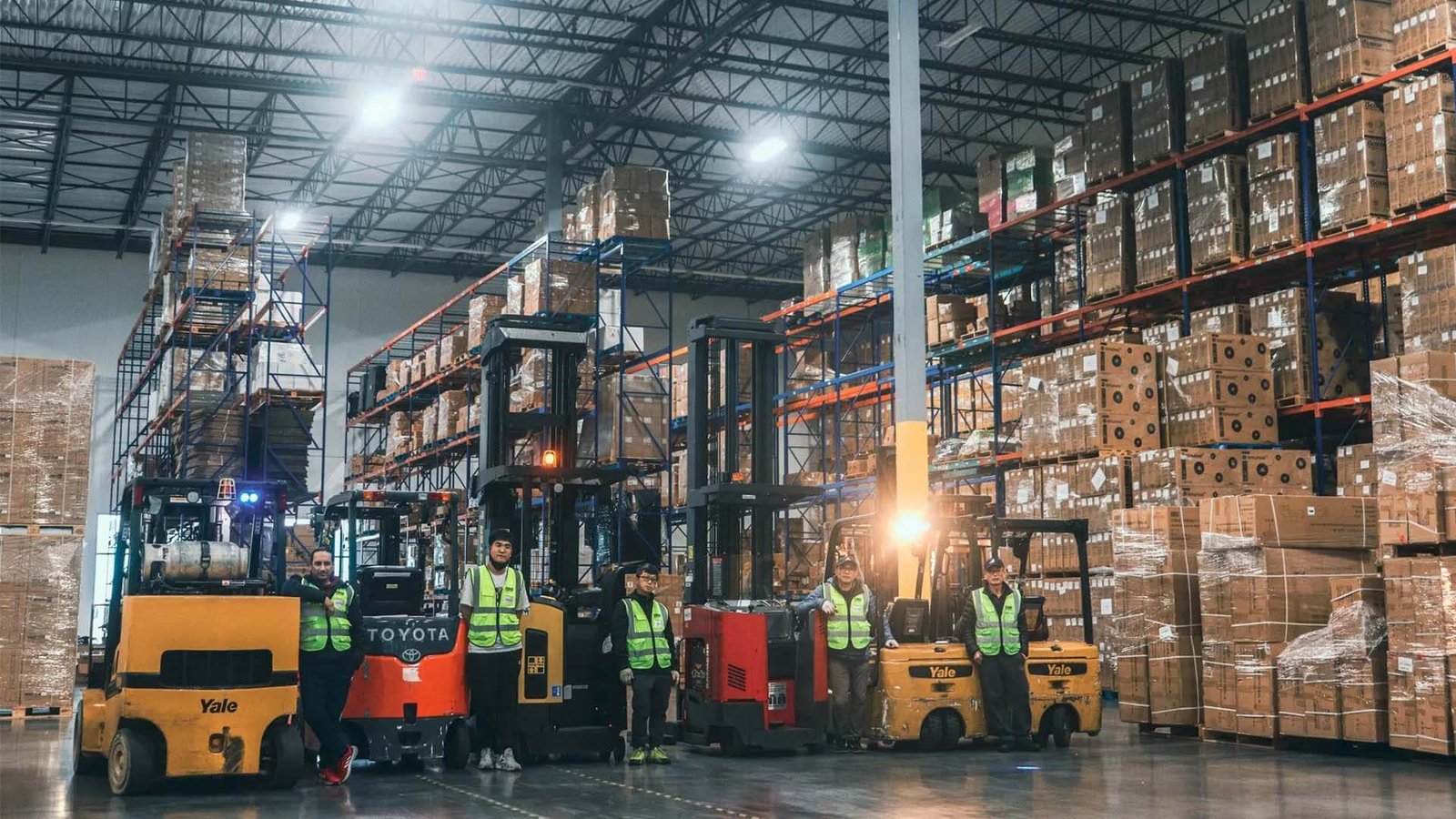
OPIC vs DFC Comparison
| Feature | OPIC | DFC |
|---|---|---|
| Status | Former agency | Current agency |
| Services | Political risk insurance, financing | Expanded development finance tools |
| Purpose | Support U.S. overseas investment | Broader global development mission |
The DFC not only took over the responsibilities of OPIC but also expanded its mission. With a broader focus on global development, the DFC aims to support sustainable economic growth while continuing to protect American investments overseas.
How Government-Backed Investment Insurance and Financing Affect Global Supply Chains
Government-backed programs like those offered by OPIC and DFC play a crucial role in stabilizing global supply chains10. By reducing investment risks, these initiatives enable better infrastructure development11 and support for businesses.
Government-backed programs can stabilize overseas operations by reducing investment risk and enabling infrastructure development11. This can improve supply chain reliability and reduce disruption risk for U.S. importers sourcing internationally.

When businesses know they are protected from political and economic instability, they can invest more confidently in supply chain solutions. This leads to a more predictable flow of goods and services.
The Impact of Risk Mitigation on Supply Chains
Government interventions in the form of investment insurance and financing create a ripple effect throughout global supply chains10. They help ensure that U.S. companies can maintain stable operations, even in uncertain environments.
Risk Management Workflow: Overseas Investment → Political Risk Protection → Supply Chain Stability → U.S. Import Operations
In an ever-changing global landscape, it's essential to have a structured approach to managing risks. By following a risk management workflow12, companies can better prepare for potential challenges in their overseas operations.
A structured approach to overseas risk protection supports stable production, secure supply chains, and predictable import operations.
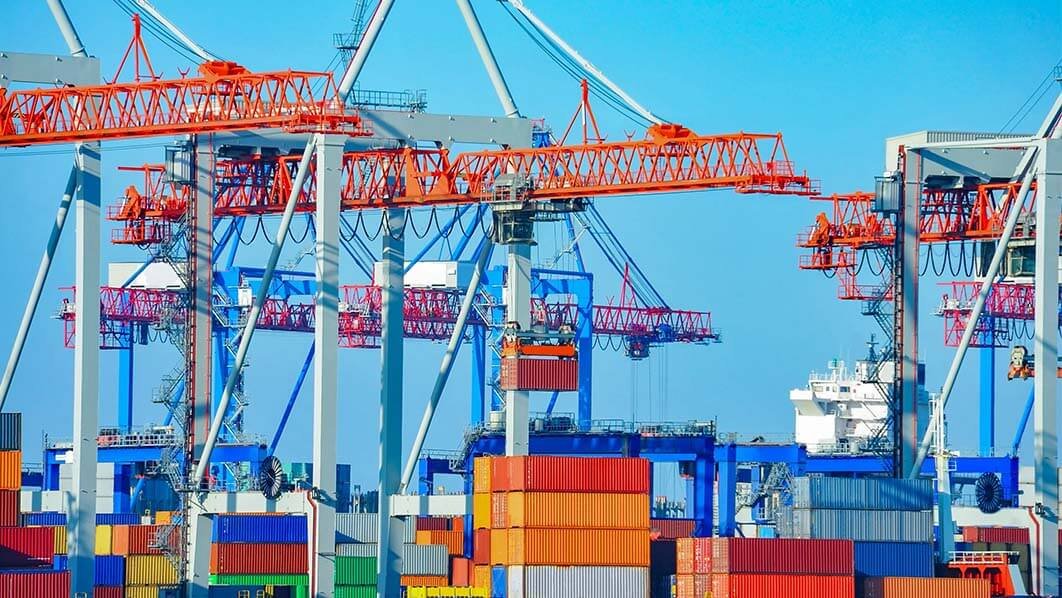
Supply Chain Risk Matrix
| Risk Area | Example Issue | Impact | Mitigation |
|---|---|---|---|
| Political instability | Trade disruption | Shipment delays | Insurance coverage |
| Currency controls | Payment blockage | Financial loss | Risk mitigation tools |
| Infrastructure risk | Port closures | Supply chain disruption | Diversified sourcing |
Understanding and managing these risks is vital for businesses looking to import goods from overseas. By leveraging government-backed resources, companies can create more secure and reliable supply chains.
Conclusion
The Overseas Private Investment Corporation1 (OPIC) played a vital role in protecting U.S. investments abroad, paving the way for the DFC to continue its mission of supporting global economic stability.
Understanding OPIC's role can provide insights into how U.S. businesses were supported in foreign markets, enhancing global economic engagement. ↩
Emerging markets offer growth opportunities for U.S. businesses, and understanding their significance can guide strategic international investments. ↩
Exploring political risk insurance can reveal how businesses safeguard against political instability, ensuring smoother international operations. ↩
Investment guarantees offer protection against various risks, making them crucial for businesses venturing into emerging markets. ↩
OPIC's role in economic development can highlight how U.S. investments foster growth and stability in developing regions. ↩
Political instability can disrupt business operations, and understanding its effects can help in strategizing risk management. ↩
Currency inconvertibility can hinder payment transfers, and learning about it can aid in navigating financial challenges in global trade. ↩
The DFC continues OPIC's mission, and understanding its expanded role can provide insights into current U.S. international investment strategies. ↩
Risk mitigation tools are essential for protecting investments, and learning about them can improve strategic planning for overseas operations. ↩
Government-backed programs stabilize supply chains, and exploring their impact can enhance understanding of international trade dynamics. ↩
Infrastructure development is key to smooth operations, and understanding its role can guide investments in emerging markets. ↩
A structured risk management workflow supports stable operations, and learning about it can enhance preparedness for international challenges. ↩