Antidumping and countervailing duties can greatly impact your bottom line. Understanding these concepts helps you navigate the complexities of importing from international markets.
Antidumping and countervailing duties are trade remedies1 imposed to address unfair pricing2 or government subsidies3 that harm domestic industries. These duties are separate from normal tariffs and can significantly increase import costs4 for affected products.
Understanding how these duties work can save you money and prevent compliance issues. Let’s dive deeper into what they are and how they apply to your imports.
What Antidumping (AD) and Countervailing Duties (CVD) Are and Why They Exist?
Antidumping and countervailing duties are crucial for protecting domestic industries from foreign competition5 that employs unfair practices. I remember when I first encountered these duties; it felt overwhelming. Yet, they serve a vital role in maintaining a level playing field6.
Antidumping and countervailing duties are trade remedies1 imposed to address unfair pricing2 or government subsidies3 that harm domestic industries. These duties are separate from normal tariffs and can significantly increase import costs4 for affected products.
The purpose of these duties is to offset the impact of unfair trade. Antidumping duties apply when foreign goods are sold below fair market value. On the other hand, countervailing duties counteract foreign subsidies7 that enable exporters to sell their products at lower prices.
The consequences can be severe for importers. If your products fall under these duties, the costs can rise significantly. This distinction is critical for all importers to understand.
| Feature | Antidumping Duty | Countervailing Duty |
|---|---|---|
| Purpose | Offset unfair pricing2 | Offset foreign subsidies7 |
| Trigger | Dumped goods | Subsidized goods |
| Rate variability | Yes | Yes |
How AD/CVD Cases Are Investigated and How Products Become Subject to Orders?
Navigating the investigations can feel daunting. Trade authorities take complaints from domestic industries seriously. They dive deep into the claims before imposing any duties.
Trade authorities investigate complaints from domestic industries. If dumping or subsidization is confirmed, AD/CVD orders are issued. Products meeting the defined scope of the order become subject to additional duty requirements.

When an investigation starts, it typically involves various steps. Authorities analyze data, look into pricing strategies8, and examine production costs. If they confirm that unfair practices exist, they issue a determination that can affect your imports.
For importers, it's vital to stay informed about these investigations. If your product is under scrutiny, you may face unexpected costs.
How AD/CVD Duties Differ from Regular Tariffs and Why Rates Can Be Extremely High?
Many importers confuse AD/CVD duties with regular tariffs9. While both are taxes on imports, their purpose and application are different.
Unlike standard tariffs, AD/CVD rates are case-specific and may vary by producer or exporter. Rates can be substantially higher than normal duty levels and may change following administrative reviews10.

Understanding this difference is key to effective cost management. Regular tariffs are generally fixed and predictable. In contrast, AD/CVD duties can fluctuate based on ongoing investigations and reviews.
The rates can be shockingly high. For example, a product that typically incurs a 5% tariff might face an AD duty of 50% or more. The impact on your business can be significant, which is why proper planning is essential.
| Risk Area | Example Issue | Impact | Mitigation |
|---|---|---|---|
| Scope misinterpretation | Wrong product match | High duty bill | Technical review |
| Supplier mismatch | Incorrect rate applied | Financial exposure | Supplier verification |
| Deposit underpayment | Entry issue | Post-entry assessment | Monitoring |
| Documentation | Missing details | Compliance risk | Broker oversight |
How Importers Determine If Their Products Are Subject to AD/CVD Orders?
Determining if your products fall under AD/CVD orders can be a complex process. It's not just about checking a list; it requires careful analysis.
Importers must review product descriptions, scope language, and supplier details to determine coverage. Scope determinations often require technical analysis and ongoing monitoring of trade rulings.
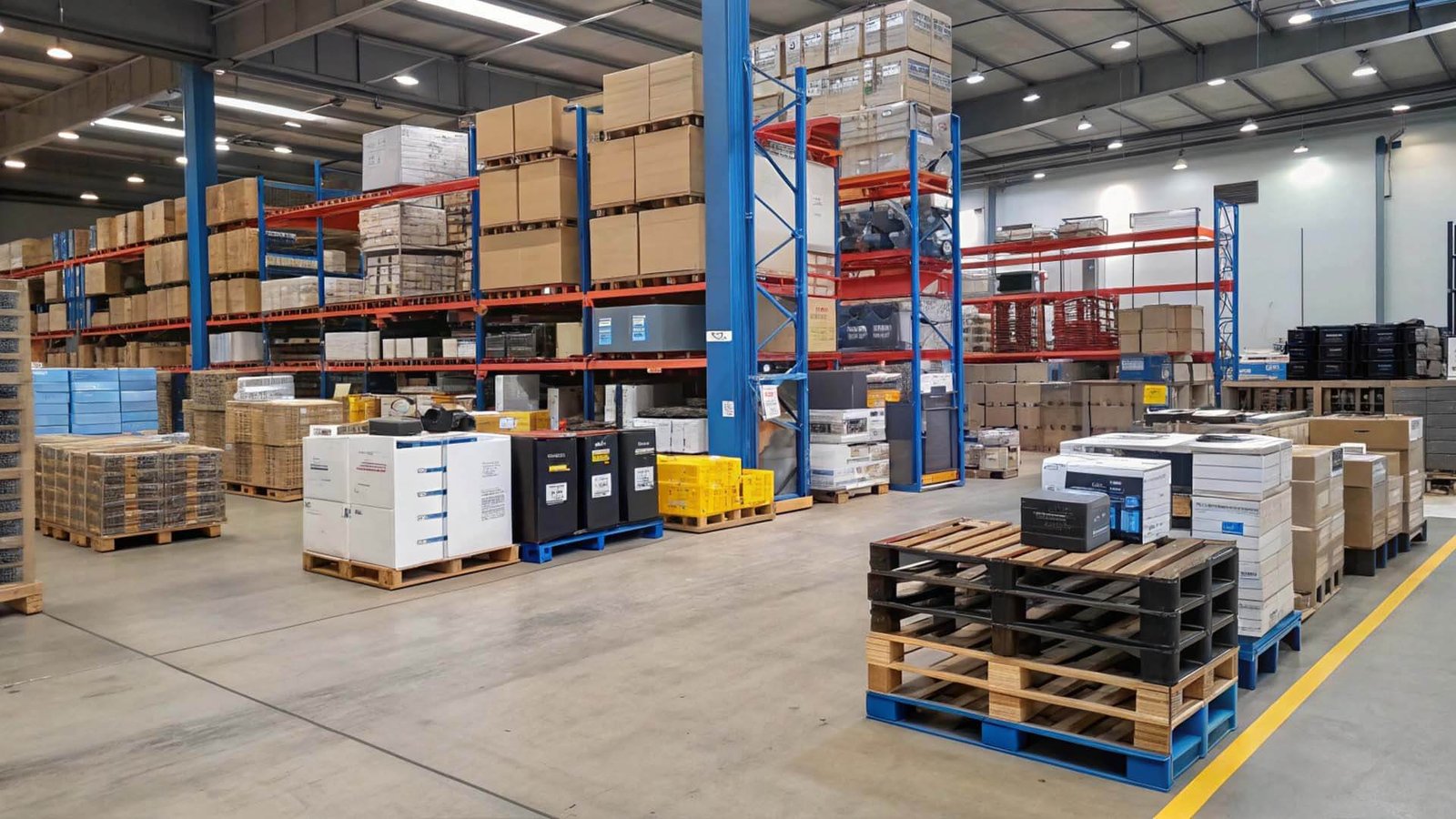
I recommend creating a checklist to simplify this process. Here’s a basic framework:
| Step | Purpose |
|---|---|
| Review product specs | Match scope language |
| Verify supplier identity | Rate applicability |
| Monitor scope rulings | Ongoing accuracy |
By rigorously applying this checklist, you can better understand your exposure. Regular reviews should be part of your import strategy.
Compliance Risks: Scope Rulings, Cash Deposits, and Post-Entry Duty Assessments
Compliance is a major concern for importers dealing with AD/CVD duties. The landscape is complex, and failing to comply can lead to costly penalties.
Importers may need to pay estimated cash deposits11 at entry, with final duty amounts determined later. Incorrect scope interpretation or supplier identification can lead to additional duty bills.
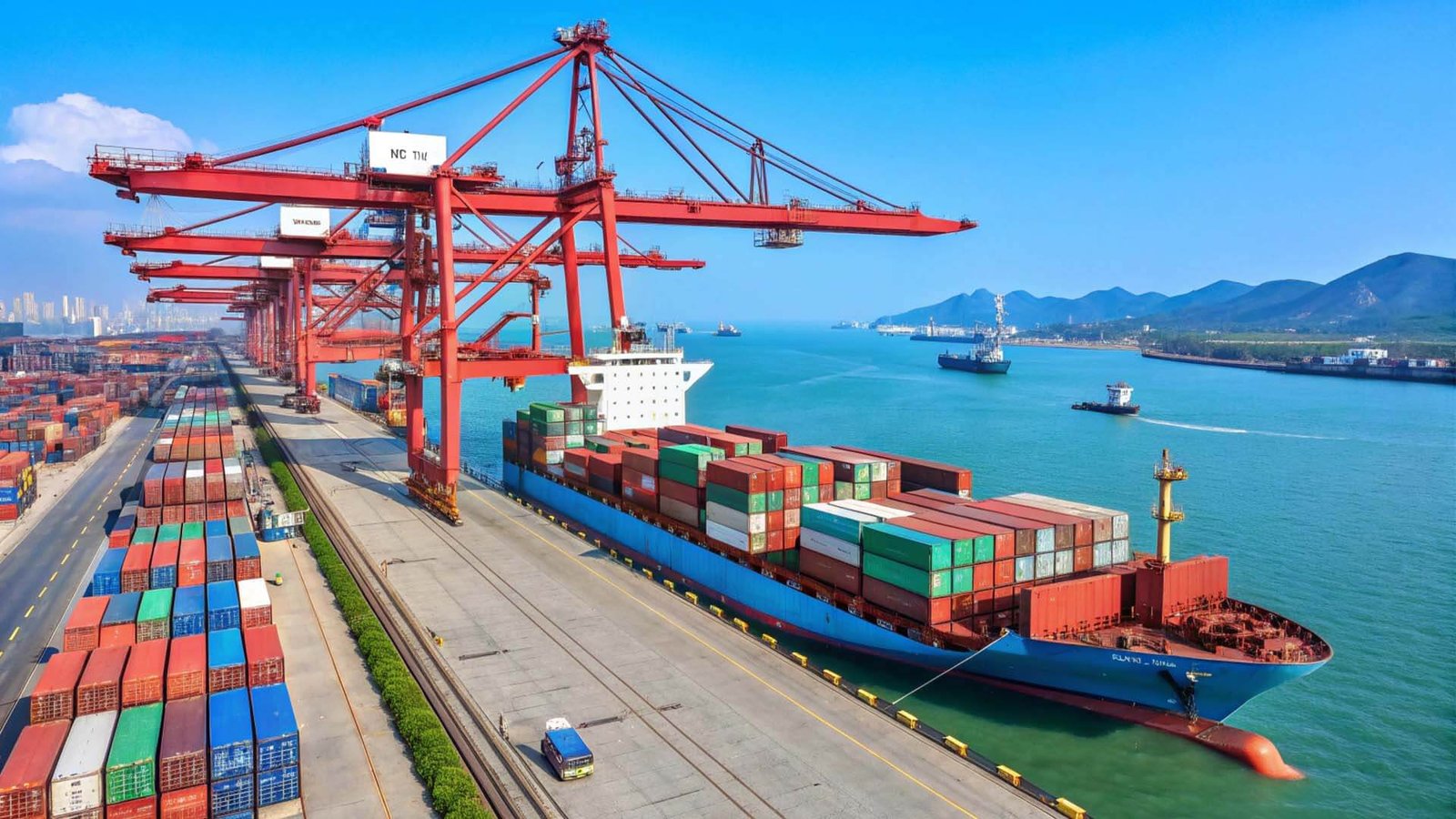
One of the main risks involves scope rulings. If you misinterpret the scope of the duties, you could end up paying much higher than expected. Furthermore, cash deposits11 can also pose issues. If the estimated deposits are incorrect, you might face significant post-entry assessments.
To mitigate these risks, it’s crucial to work closely with experienced customs brokers12. They can provide the oversight needed to navigate these complexities.
AD/CVD Risk Management Workflow: Product Review → Scope Check → Entry Filing → Deposit Payment → Post-Entry Monitoring
Managing the risks associated with AD/CVD duties requires a structured approach. A well-defined workflow helps ensure compliance and minimizes exposure.
A structured compliance process helps importers identify AD/CVD exposure, manage entry filings, and monitor post-entry assessments.

Here’s a streamlined workflow for your reference:
- Product Analysis: Understand what you are importing.
- Scope Review: Check if your products are subject to AD/CVD orders.
- Supplier Verification: Ensure you have accurate supplier information.
- Entry Filing: File your import entries correctly.
- Deposit Payment: Pay the required cash deposits11.
- Administrative Review: Monitor any changes to your duty obligations.
- Duty Assessment: Be prepared for final duty assessments.
Implementing this workflow can help navigate the complexities of AD/CVD duties effectively.
Conclusion
Understanding antidumping and countervailing duties is crucial for U.S. importers. By staying informed and following best practices, you can navigate compliance risks effectively.
Exploring trade remedies helps you understand how they protect domestic industries from unfair foreign competition. ↩
Understanding unfair pricing can reveal how it impacts market dynamics and domestic industries. ↩
Learning about government subsidies can help you grasp their role in international trade and potential market distortions. ↩
Discovering how antidumping duties influence import costs can aid in better financial planning for importers. ↩
Exploring this can show how antidumping duties maintain fair competition in domestic markets. ↩
Understanding the importance of a level playing field can highlight the need for fair trade practices. ↩
Exploring foreign subsidies can reveal their impact on pricing and competition in global markets. ↩
Exploring pricing strategies can provide insights into how businesses compete globally. ↩
Understanding the difference can aid in better financial planning and compliance for importers. ↩
Learning about administrative reviews can help you understand how duty rates are assessed and adjusted. ↩
Learning about cash deposits can help you manage financial obligations in trade compliance. ↩
Exploring the role of customs brokers can provide insights into effective compliance management. ↩