
Section 232 tariffs1 can create confusion for many importers. Understanding them is essential to avoid unexpected costs and compliance issues.
Section 232 tariffs1 are trade measures imposed for national security reasons2. They apply additional duties to certain imported products when the U.S. determines that import levels could threaten domestic industry capacity3 considered vital to security.

Understanding Section 232 tariffs1 is crucial for importers. These tariffs can significantly affect costs and compliance. Importers need to stay informed to manage their operations effectively.
What Section 232 Tariffs Are and Why the U.S. Applies Them Under National Security Authority?
Section 232 tariffs1 emerge from a national security perspective. The U.S. government believes that certain imports may threaten domestic industries vital to national interests. Therefore, these tariffs serve to protect and preserve the U.S. manufacturing base.
Section 232 actions have targeted core materials such as steel and aluminum4, along with certain derivative products. Importers of goods containing these materials may face additional duty exposure5.
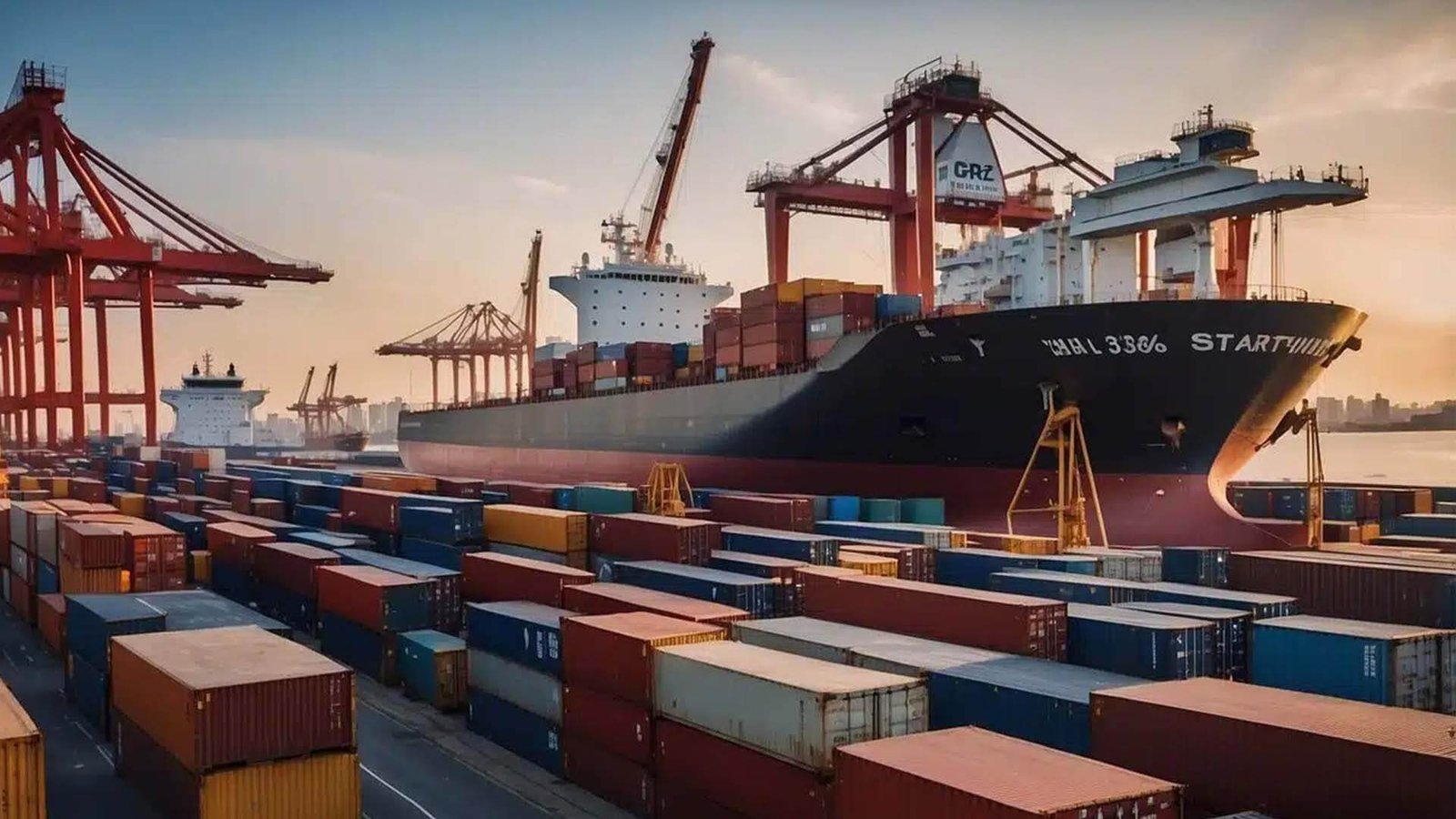
Section 232 tariffs1 have a direct impact on various categories of products. Steel and aluminum are the most notable, but other goods may also fall under the umbrella of these tariffs. Understanding which products are affected is vital for effective import planning.
Which Products Are Most Affected by Section 232 Measures (Steel, Aluminum, Derivatives, and Other Targeted Goods)?
The U.S. government primarily targets steel and aluminum4 under Section 232 measures. These materials are critical for manufacturing and defense. Other products, such as certain machinery and components, may also be included in the tariff list.
Unlike standard tariffs based on trade schedules6 or AD/CVD cases addressing unfair trade, Section 232 duties are based on national security assessments. They may apply regardless of pricing practices.
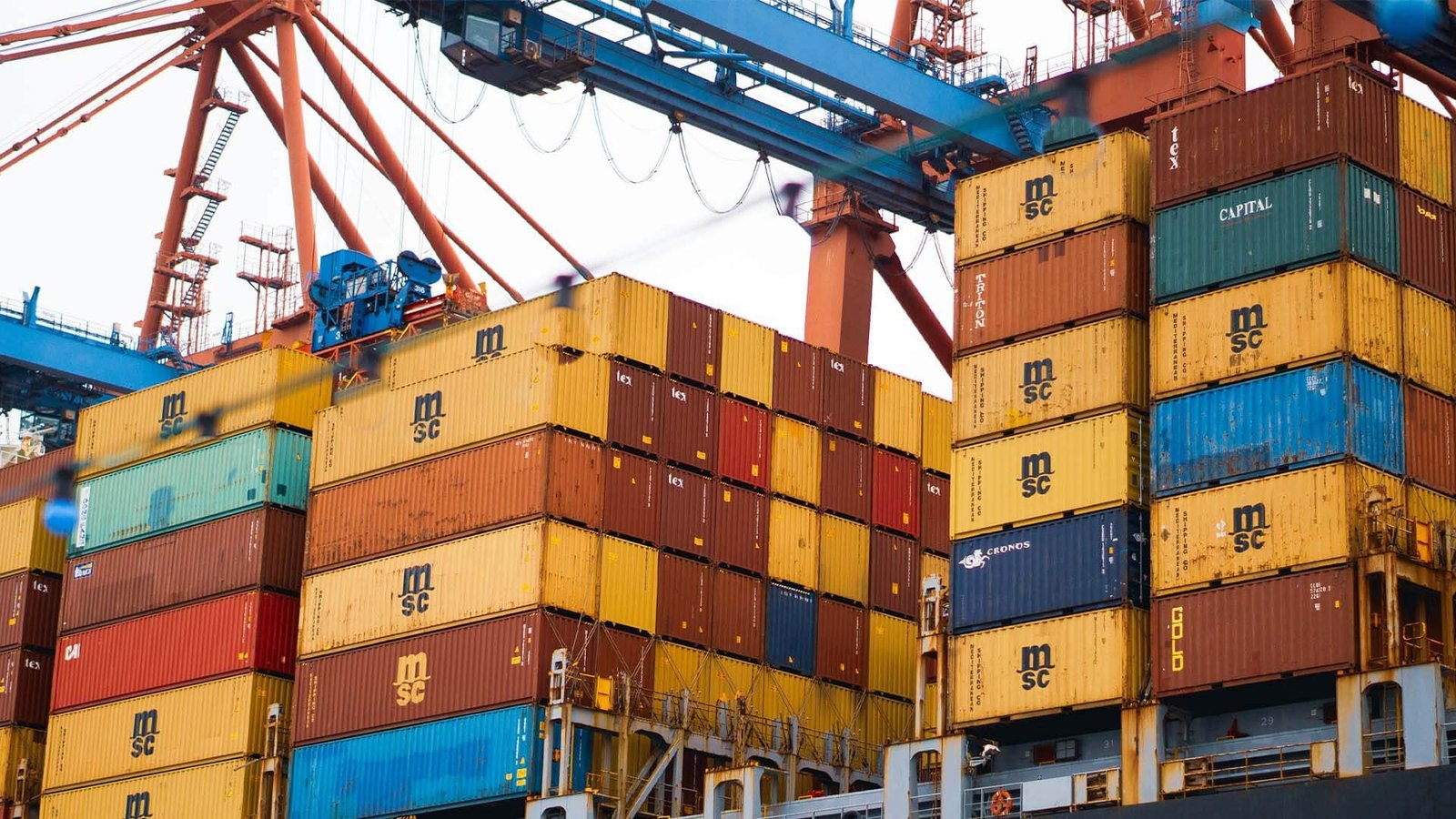
Section 232 duties differ from other tariffs. Regular tariffs are based on a trade schedule, while anti-dumping and countervailing duties7 (AD/CVD) address unfair pricing. Section 232 duties focus solely on national security implications.
| Feature | Section 232 | Regular Tariffs | AD/CVD |
|---|---|---|---|
| Basis | National security | Tariff schedule | Trade remedy |
| Applies by product | Yes | Yes | Yes |
| Rate variability | Program-based | Schedule-based | Case-based |
Understanding these differences can help importers prepare for potential duty exposure and compliance requirements.
How Section 232 Duties Differ from Regular Tariffs and AD/CVD Trade Remedies
Importers should note that Section 232 duties can be applied based on national security assessments. This means that even if a product's pricing seems fair, it may still incur additional duties.
Importers must review HTS classifications8, product composition9, and origin to determine applicability. Derivative rules may extend duties beyond raw materials to finished goods containing targeted inputs.
To manage potential exposure to Section 232 duties, it's important to analyze product classifications thoroughly. Importers often overlook how composition and origin affect duty applicability.
Product Exposure Checklist
| Step | Purpose |
|---|---|
| Confirm HTS code | Identify tariff category |
| Check product composition9 | Determine material content |
| Verify country of origin10 | Assess program applicability |
Having a clear checklist helps streamline the process of determining potential duty exposure.
How Importers Determine Exposure: Product Classification, Country of Origin, and Derivative Product Rules
Determining exposure to Section 232 tariffs1 requires careful analysis. Importers need to confirm HTS codes, review product composition9s, and verify the country of origin10. These steps are essential to ensure compliance and avoid unexpected costs.
A structured workflow ensures products are reviewed for 232 exposure before entry, duties are calculated correctly, and monitoring continues as policy evolves.
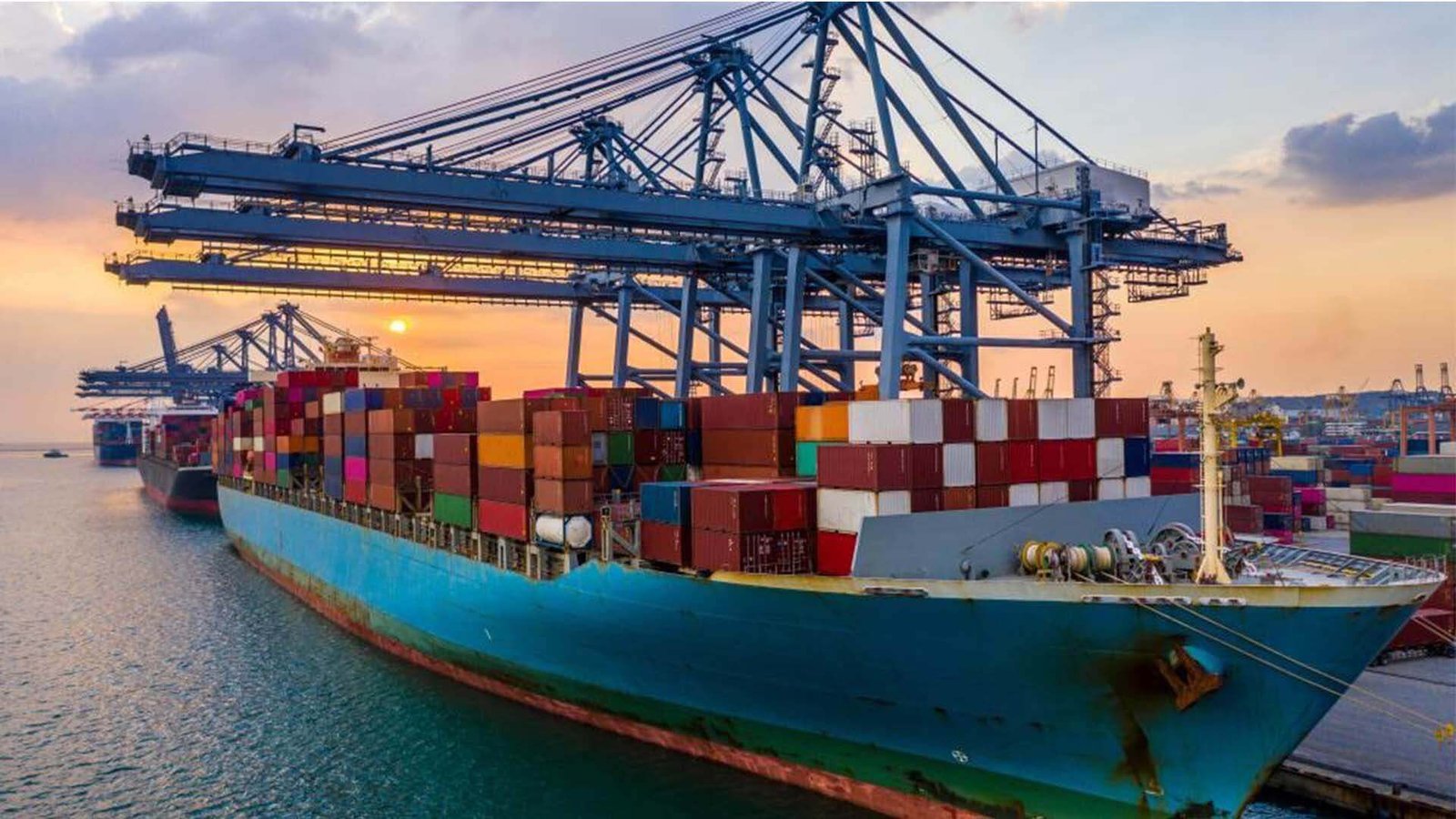
A systematic approach is vital for compliance with Section 232 tariffs1. This workflow helps guide importers through each phase of the import process to ensure they meet all requirements.
Section 232 Compliance Workflow
- Product Analysis
- Classification Confirmation
- 232 Applicability Check
- Entry Filing
- Duty Payment
- Policy Monitoring
By following this workflow, importers can proactively manage potential risks associated with Section 232 duties.
Section 232 Compliance Workflow: Classification Review → Tariff Applicability Check → Entry Filing → Duty Payment → Ongoing Monitoring
Navigating Section 232 compliance can be challenging. Importers need to ensure they have the right processes in place to manage ongoing changes in tariff policies.
Importer Section 232 Tariff Risk Matrix
| Risk Area | Example Issue | Impact | Mitigation |
|---|---|---|---|
| Misclassification | Wrong HTS | Underpaid duties | Technical review |
| Composition error | Undeclared steel content | Additional assessment | Supplier verification |
| Policy change | Missed update | Unexpected cost | Monitoring system |
| Documentation | Missing support | Entry delay | Pre-entry check |
Understanding and addressing these risks is crucial for effective import management.
Conclusion
Section 232 tariffs1 can significantly impact your imports. Staying informed and compliant is essential for successful operations.
Understanding Section 232 tariffs is crucial for importers to avoid unexpected costs and ensure compliance with national security measures. ↩
Exploring the rationale behind tariffs for national security can help importers understand the broader implications of these trade measures. ↩
Learning about the impact on domestic industry capacity can provide insights into the protective nature of these tariffs. ↩
Steel and aluminum are critical materials, and understanding their inclusion in tariffs can help importers plan better. ↩
Knowing about additional duty exposure can help importers anticipate and manage potential cost increases. ↩
Understanding the difference between trade schedules and Section 232 tariffs can clarify how these duties are applied. ↩
Exploring AD/CVD can help importers differentiate between various types of trade remedies and their applications. ↩
HTS classifications are crucial for determining tariff applicability, and understanding them can prevent misclassification issues. ↩
Product composition affects duty applicability, and knowing its importance can help importers avoid compliance issues. ↩
The country of origin can affect tariff applicability, making it essential for importers to verify this information. ↩