The first paragraph, which uses PAS formula to grab the reader's attention (max 30 words). Understanding the Inward Foreign Manifest (IFM) is crucial for U.S. importers. A single error can lead to shipment delays1 or increased scrutiny from customs officials2.
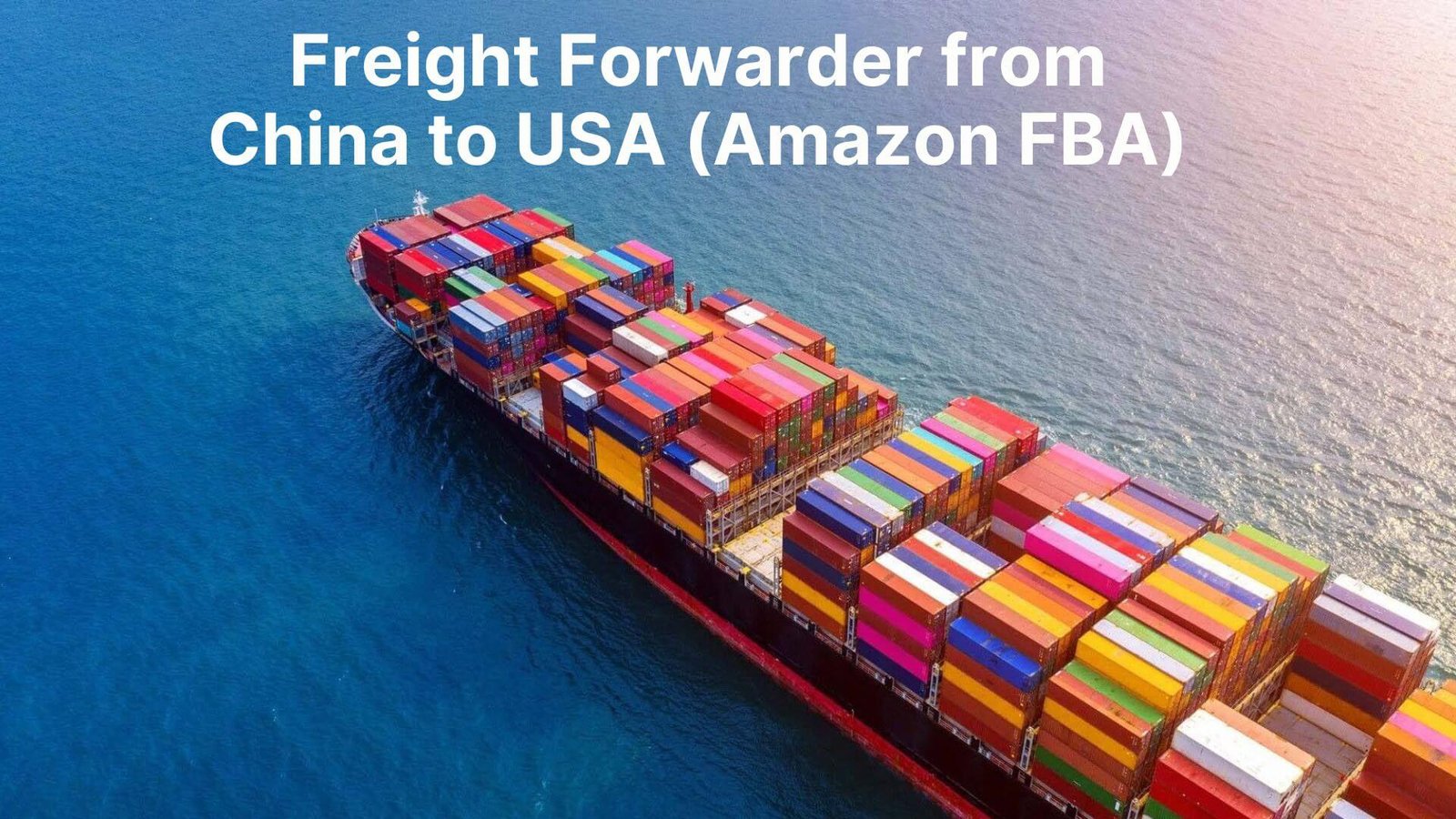
The Inward Foreign Manifest (IFM) is the electronic cargo declaration3 submitted to CBP for vessel shipments arriving in the U.S. It contains shipment-level data used for risk assessment4, cargo control5, and regulatory screening6 before customs entry is filed.

The importance of getting the IFM right cannot be overstated. It acts as a gatekeeper, ensuring only compliant shipments reach U.S. shores. Missing or inaccurate data can lead to delays, holds, or even inspections. This is a risk that every importer should take seriously.
What the Inward Foreign Manifest (IFM) Is and How It Functions in U.S. Vessel Cargo Reporting?
The Inward Foreign Manifest (IFM) is crucial in the cargo reporting process for any shipment arriving by vessel in the U.S. You must know its implications as an importer.
The Inward Foreign Manifest (IFM) is the electronic cargo declaration3 submitted to CBP for vessel shipments arriving in the U.S. It contains shipment-level data used for risk assessment4, cargo control5, and regulatory screening6 before customs entry is filed.
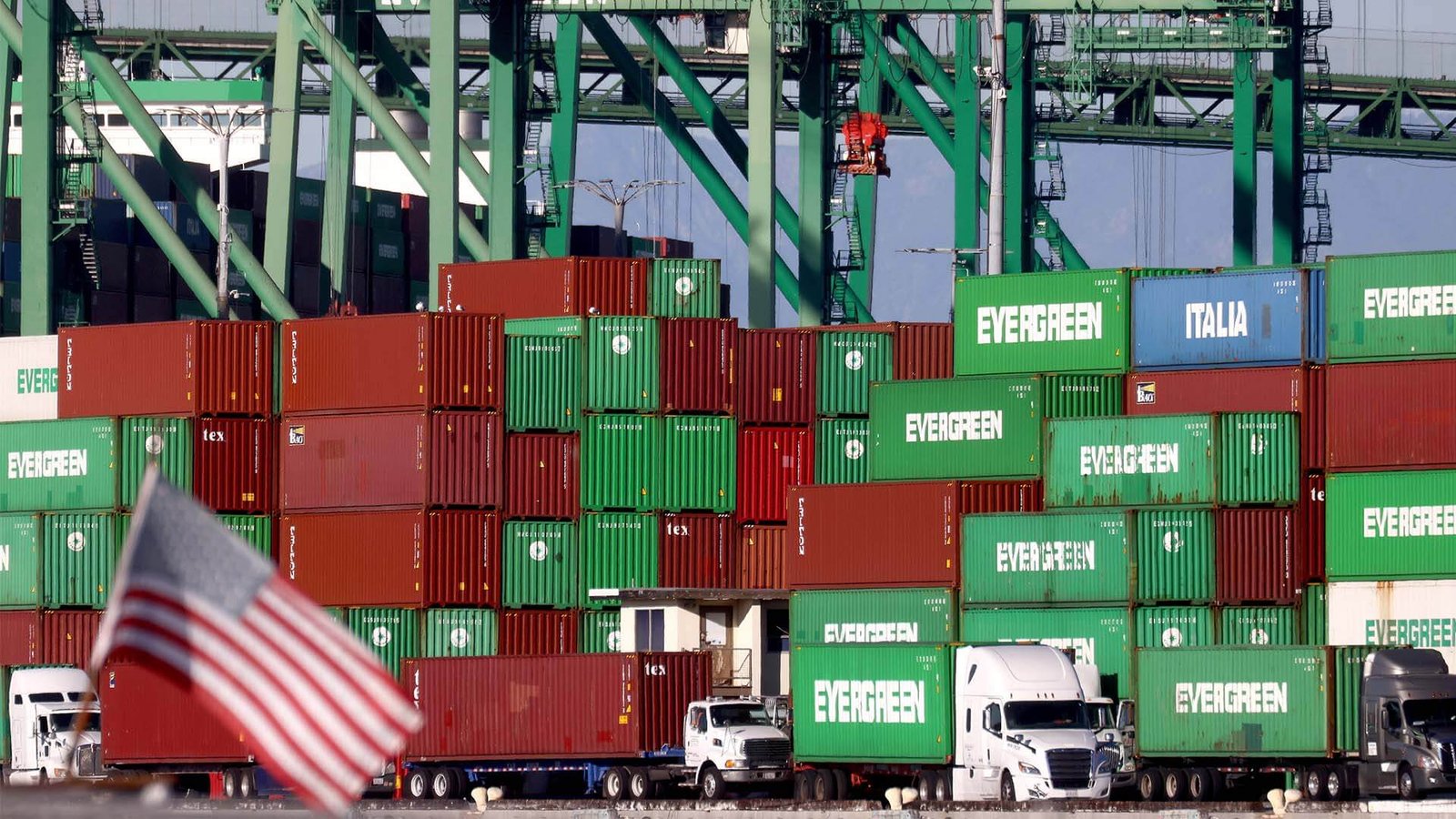
The IFM serves as a comprehensive data source for U.S. Customs and Border Protection (CBP). It includes details like bill of lading numbers7, cargo descriptions, and shipper/consignee information8. The accuracy of this data is vital because it directly impacts your cargo's clearance process.
Who Is Responsible for Filing the IFM and How It Connects Carriers, NVOCCs, and CBP?
The filing of the IFM is primarily the responsibility of ocean carriers and Non-Vessel Operating Common Carriers (NVOCCs)9. This connection is essential for a smooth import process.
Ocean carriers and authorized NVOCCs submit IFM data to CBP. Importers rely on accurate filings because entry data10 must match manifest records to avoid delays.

| Party | Role in IFM Process |
|---|---|
| Ocean carrier | Primary manifest filer |
| NVOCC | House bill manifest filer |
| CBP | Risk screening & cargo control5 |
| Importer/Broker | Entry filing based on IFM data |
Understanding who is responsible for filing the IFM can help you streamline your logistics process. The accuracy of the data filed by carriers and NVOCCs is crucial. Any mismatch can lead to significant delays, so collaboration between all parties is essential.
How IFM Data Links to Bills of Lading and Customs Entry Filings
The data contained in the IFM has direct implications for the bills of lading and customs entry filings11. It is imperative to ensure that all data points align.
Bill of lading numbers, cargo descriptions, and shipper/consignee details from the IFM must align with customs entry filings11. Mismatches can trigger holds or data rejects.

| Feature | IFM | Bill of Lading |
|---|---|---|
| Filed with CBP | Yes | No |
| Issued by | Carrier/NVOCC | Carrier/NVOCC |
| Used for entry matching | Yes | Yes |
| Legal transport contract | No | Yes |
Ensuring that your IFM data aligns with your bills of lading is essential to avoid potential delays. If the data does not match, it could lead to holds during customs clearance.
Common IFM Errors That Lead to Holds, Exams, or Entry Delays
Errors in your IFM can have serious repercussions. Here are some common pitfalls to avoid.
Frequent issues include incorrect bill numbers, vague cargo descriptions, and mismatched consignee details. These errors disrupt entry processing and may trigger examinations.

| Data Element | Why It Matters |
|---|---|
| Bill number | Entry linkage |
| Consignee name | Identification |
| Cargo description | Risk screening |
| Port of discharge | Routing accuracy |
Ensuring that your IFM is free from errors is crucial. A simple oversight can lead to a hold or examination of your cargo, delaying your shipment significantly.
How IFM Compliance Affects Release Timing, Exams, and Cargo Availability
Compliance with the IFM is critical for ensuring timely release of your cargo. If your data is accurate, you can expect a smoother process.
Accurate IFM data enables smoother cargo processing, while errors may delay release or increase exam likelihood.

Ensuring compliance with IFM requirements should be a top priority for all importers. Any inaccuracies can lead to delays and increased scrutiny from customs. In contrast, accurate and timely submissions help expedite the release of your cargo.
Manifest-to-Entry Workflow: Carrier Filing → IFM Submission → Bill of Lading Data → Entry Filing → CBP Review → Release
Understanding the workflow from filing to release can help you manage your logistics more effectively.
A coordinated data workflow ensures manifest information aligns with entry filings, reducing risk of clearance disruptions.

- Carrier Loads Cargo
- IFM Filed
- House B/L Data Submitted
- Broker Files Entry
- CBP Data Match
- Risk Screening
- Release
Here, we see how each step builds on the previous one. Any mistakes in the IFM can disrupt the entire process, leading to delays, penalties, or even cargo holds.
Conclusion
Understanding the Inward Foreign Manifest is essential for efficient cargo handling and compliance in the U.S. import process.
Understanding the factors behind shipment delays can help you avoid costly disruptions in your import operations. ↩
Learn why customs officials might scrutinize your shipments more closely and how to ensure compliance to avoid this. ↩
Discover the significance of electronic cargo declarations in the import process and how they impact your shipments. ↩
Explore how risk assessment is conducted for cargo shipments and its implications for importers. ↩
Understand the role of cargo control in the import process and how it ensures compliance and security. ↩
Learn about regulatory screening processes and their importance in maintaining compliance with U.S. import regulations. ↩
Find out why accurate bill of lading numbers are essential for smooth customs clearance and entry filing. ↩
Discover the importance of accurate shipper and consignee information in ensuring timely cargo clearance. ↩
Learn about the responsibilities of NVOCCs in the import process and how they affect cargo handling. ↩
Understand the necessity of matching entry data with manifest records to avoid delays and ensure compliance. ↩
Explore the role of customs entry filings in the import process and their effect on cargo clearance. ↩