Shipping costs are a significant concern for U.S. importers. Understanding yield freight1 can mean the difference between profit and loss. In this post, I’ll explain what yield freight1 is and how it impacts your shipping costs.
Freight yield2 refers to the amount of revenue generated per unit of freight (e.g., per ton or per container). It’s a crucial metric in shipping costs because it helps assess how efficiently a company is utilizing its shipping capacity3 to maximize revenue and reduce overall shipping expenses. Higher yield typically leads to lower shipping costs.

When it comes to managing shipping costs, understanding yield freight1 is just the beginning. There are many elements that affect these costs, and I'll be diving deeper into them to provide a holistic view.
What Is Freight Yield and How Does It Affect Your Shipping Costs?
Shipping costs can seem overwhelming for U.S. importers. But I’ve learned that understanding freight yield is key to managing these costs effectively. It’s easy to overlook this metric, but it has a significant impact on the overall shipping expenses.
Freight yield2 indicates how well a company generates revenue from its shipping activities. By closely monitoring this metric, U.S. importers can ensure they are making the most of their shipping capacity3 and reduce unnecessary costs. A focus on higher yield can lead to better financial outcomes.

By paying attention to freight yield, importers can make informed decisions that improve efficiency. This means more profit in the long run. However, freight yield isn't the only factor to consider.
How Freight Class Determines Your Shipping Expenses and Potential Savings?
Navigating freight class can be tricky. As a U.S. importer, you may feel confused about how it affects your shipping expenses. I’ve been there, and understanding freight class can lead to significant savings.
Freight class4 categorizes goods based on density, value, and handling requirements. Each class has a specific rate that impacts shipping costs. By understanding these classes, U.S. importers can select efficient shipping methods and avoid overpaying for misclassified freight.
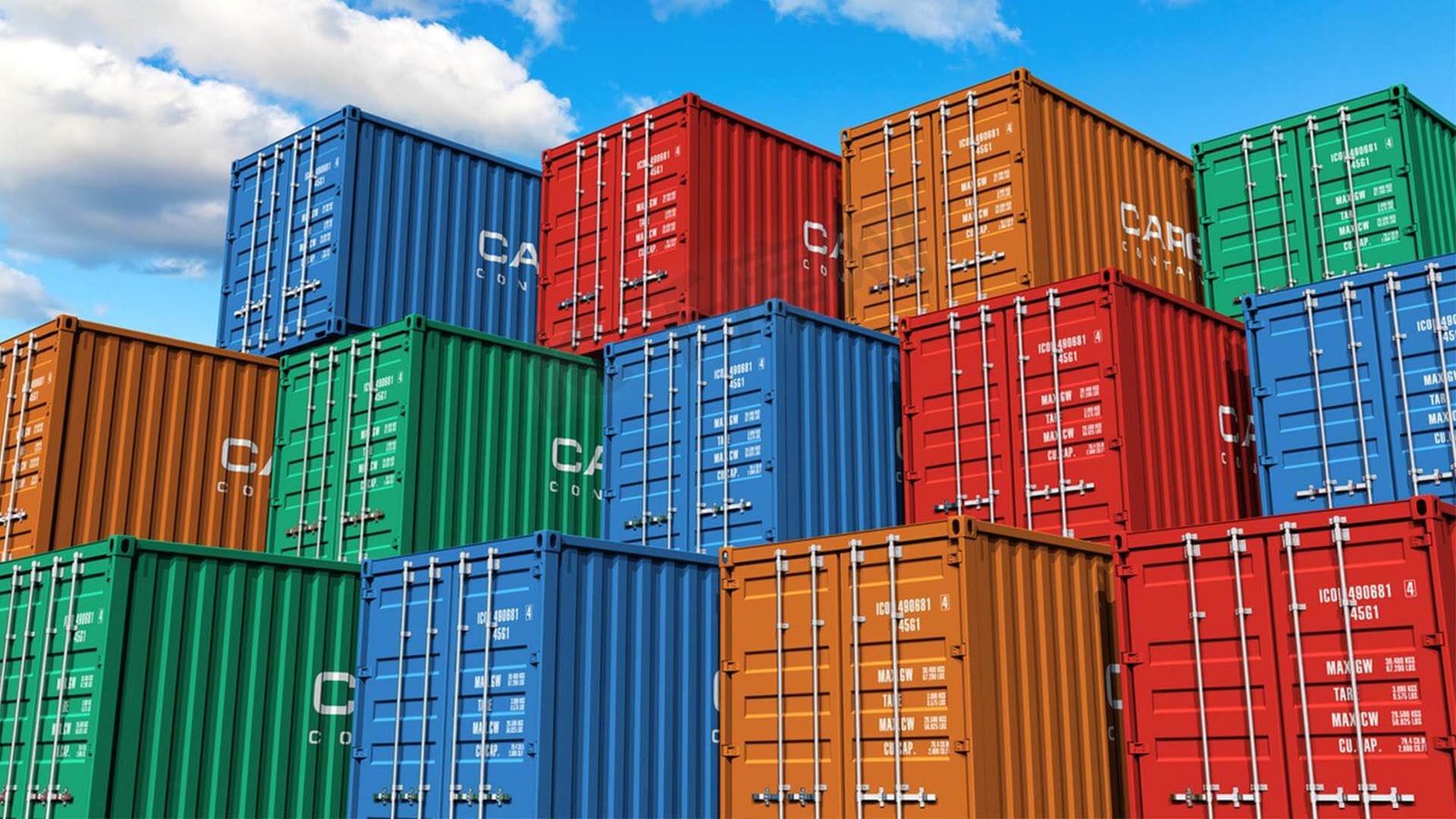
Freight class4 plays a major role in determining the cost-effectiveness of shipping strategies. If you understand how to classify your goods correctly, you can save valuable money. But, there are still other factors influencing your freight costs.
Key Factors Influencing Freight Shipping Costs and How to Manage Them
Shipping costs can feel like a puzzle. There are many pieces that need to fit together. As an importer, I’ve learned that knowing these factors can help manage costs effectively.
Key factors influencing freight shipping costs include weight, distance, mode of transportation, fuel surcharges, and freight class. U.S. importers can reduce costs by managing these factors through strategic partnerships5, optimizing shipping routes, and staying informed about market trends.
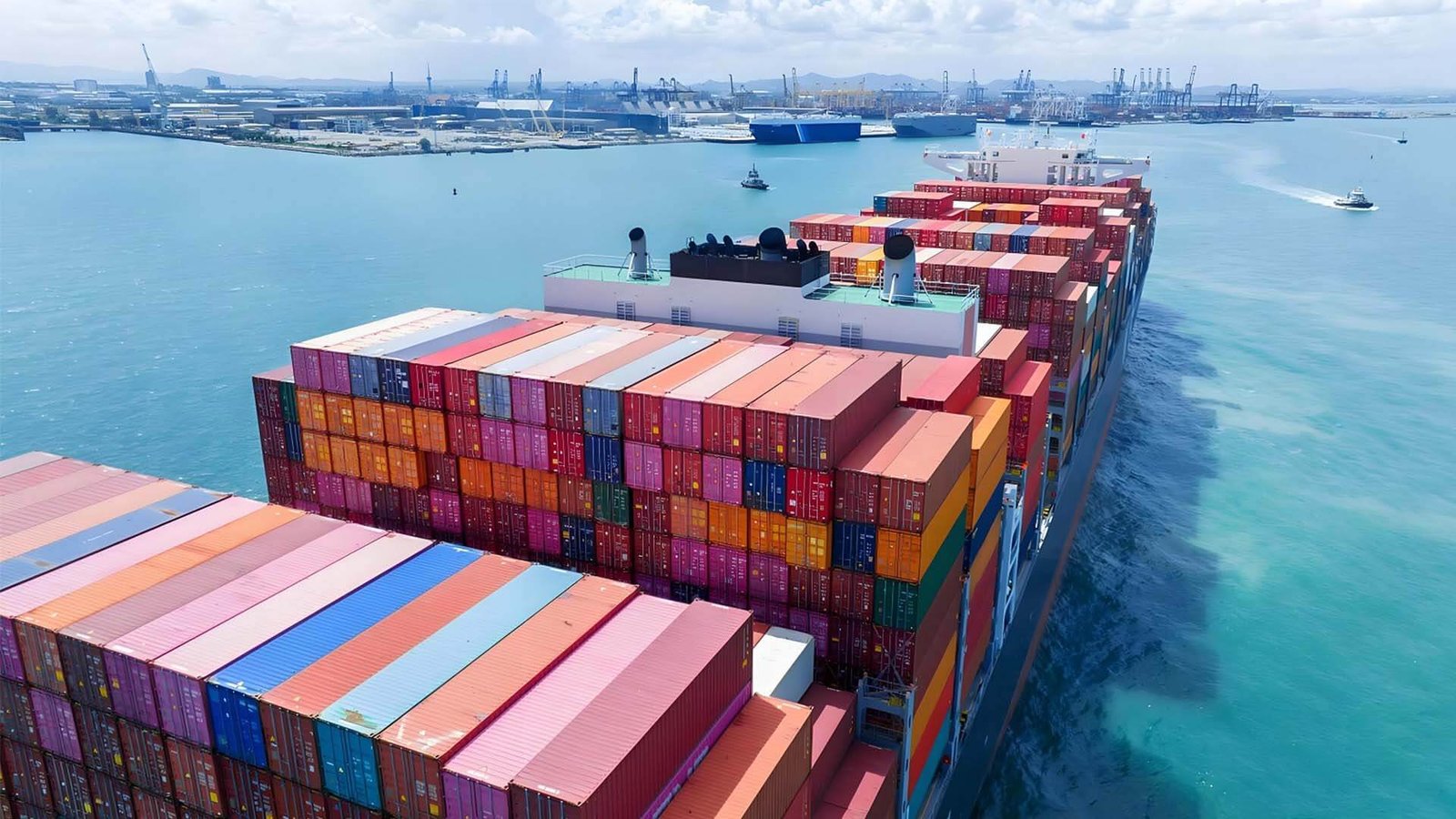
Managing these factors isn't just about saving money; it’s about improving the overall shipping process. When each element is accounted for, you can make smarter decisions. Yet, even with a strong grasp of these factors, there's more to consider.
How Dynamic Pricing in Freight Can Impact Your Bottom Line
Dynamic pricing can be a game-changer in the freight industry. For U.S. importers, understanding how this works can greatly influence shipping costs. I’ve seen firsthand how it can affect budgets.
Dynamic pricing in freight6 involves real-time adjustments based on demand, supply, and capacity. U.S. importers can counter price volatility by negotiating long-term contracts and using predictive analytics7 to understand market trends and peak seasons.

Dynamic pricing means that costs can fluctuate at any time. By being proactive, you can mitigate the impact of these changes. But it’s essential to understand why this concept is important for your overall logistics strategy.
Why Understanding Freight Yield Is Crucial for Cost Control in Logistics
Freight yield2 isn't just a number; it's a comprehensive metric that can help U.S. importers keep their costs in check. I’ve realized that without understanding this aspect, controlling expenses can be challenging.
Understanding freight yield allows importers to optimize shipping costs by maximizing revenue from each unit of freight. By analyzing and improving yield, U.S. importers can reduce waste and enhance profitability while ensuring compliance with logistics regulations8.

When freight yield is used strategically, it can lead to substantial cost savings. This insight can transform how you approach logistics. However, knowing how to calculate and improve freight yield is equally important.
How to Calculate and Improve Freight Yield for Better Shipping Efficiency
Calculating freight yield might seem daunting, but it’s essential for optimizing shipping efficiency. As I’ve learned, knowing how to improve this metric is key to reducing costs.
To calculate freight yield9, divide total revenue by the volume of freight moved. Improving yield involves optimizing cargo space, reducing empty miles, and negotiating better freight rates. U.S. importers can focus on these strategies to enhance efficiency and lower shipping costs per unit.

Improving freight yield is about finding creative solutions to logistical challenges. It requires a commitment to efficiency and continuous improvement.
Conclusion
Understanding yield freight1 and its components can significantly reduce your shipping costs and enhance your logistics strategy.
Exploring yield freight can help you understand how to optimize shipping costs and improve profitability. ↩
Understanding freight yield is crucial for maximizing revenue and reducing shipping expenses. ↩
Maximizing shipping capacity can lead to higher revenue and lower costs, enhancing business efficiency. ↩
Knowing freight classes can help you categorize goods correctly and avoid overpaying for misclassified freight. ↩
Strategic partnerships can optimize shipping routes and reduce costs, improving overall logistics efficiency. ↩
Dynamic pricing can affect budgets; understanding it can help mitigate price volatility in logistics. ↩
Using predictive analytics can help anticipate market trends and peak seasons, reducing shipping costs. ↩
Compliance ensures smooth operations and avoids penalties, contributing to cost-effective logistics. ↩
Calculating freight yield is essential for optimizing shipping efficiency and reducing costs. ↩